Quilting Techniques and Projects
Can You Quilt with Cotton and Polyester Mixed?
Learn if you can quilt with cotton and polyester mixed fabrics. Discover the pros, cons, and how to achieve beautiful results with your projects.
Learn quilting methods, patterns, piecing, binding, and project steps.
Learn if you can quilt with cotton and polyester mixed fabrics. Discover the pros, cons, and how to achieve beautiful results with your projects.
Discover if you can quilt with a straight stitch only. Learn techniques and tips for successful straight-stitch quilting projects.
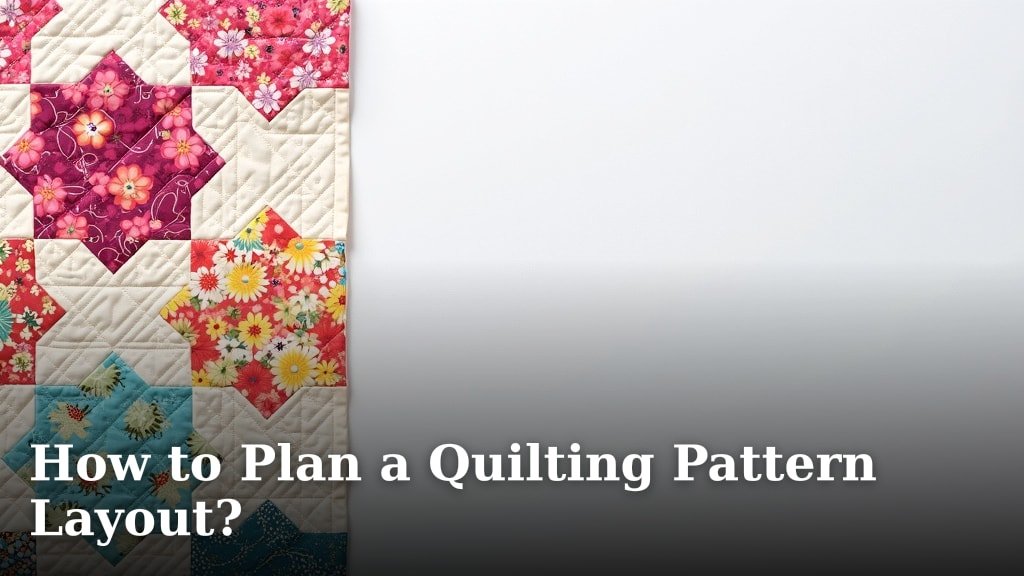
Master how to plan a quilting pattern layout with our guide. Learn to arrange your fabric pieces for a stunning finished quilt.
Learn how to speed up free motion quilting with these expert tips. Discover techniques to quilt faster and more efficiently, improving your workflow.
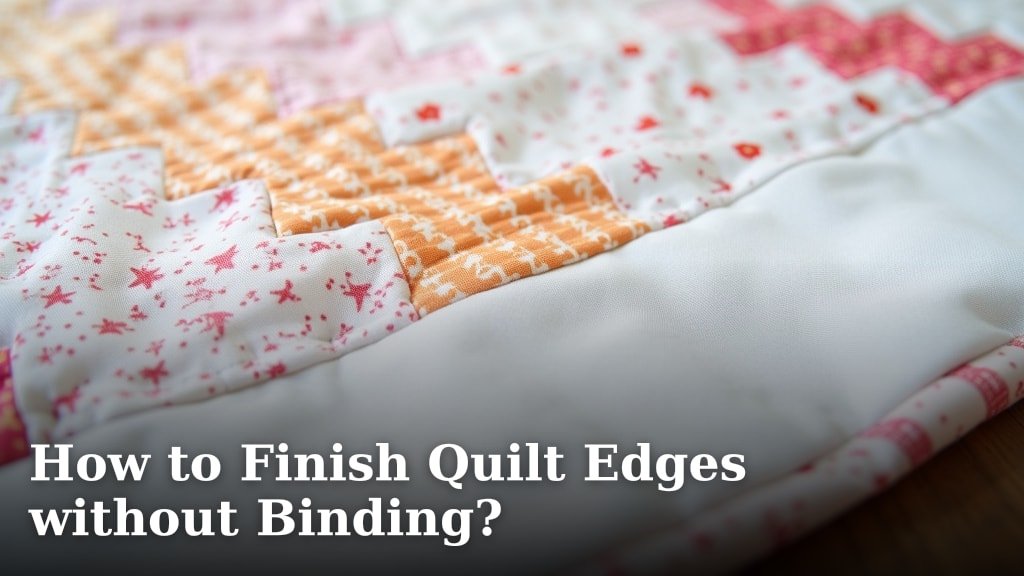
Discover how to finish quilt edges without binding using easy techniques for a clean, professional look. Explore simple methods to complete your quilt.
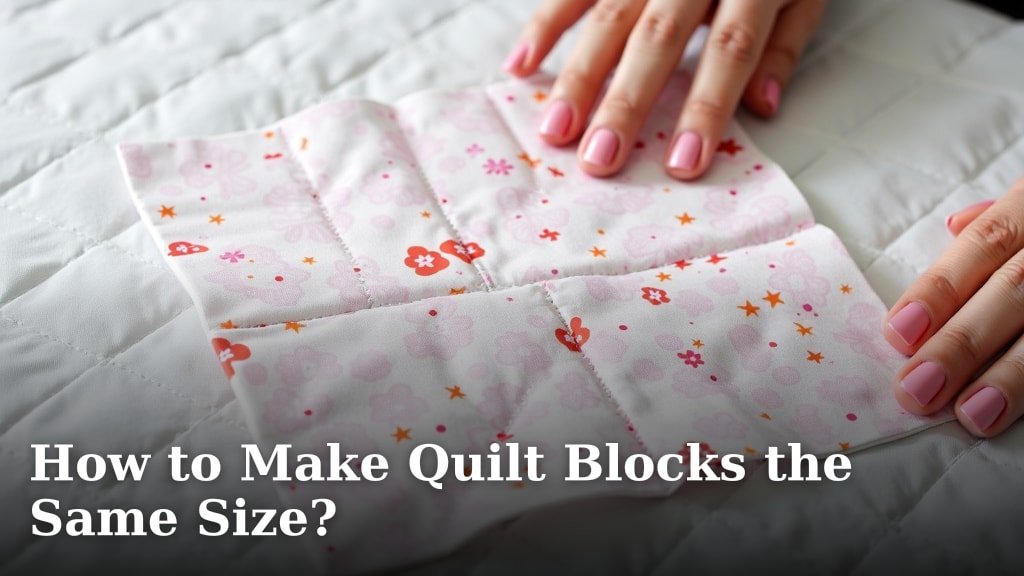
Learn how to make quilt blocks the same size with these easy methods. Ensure perfectly matched blocks for a flawless quilt.
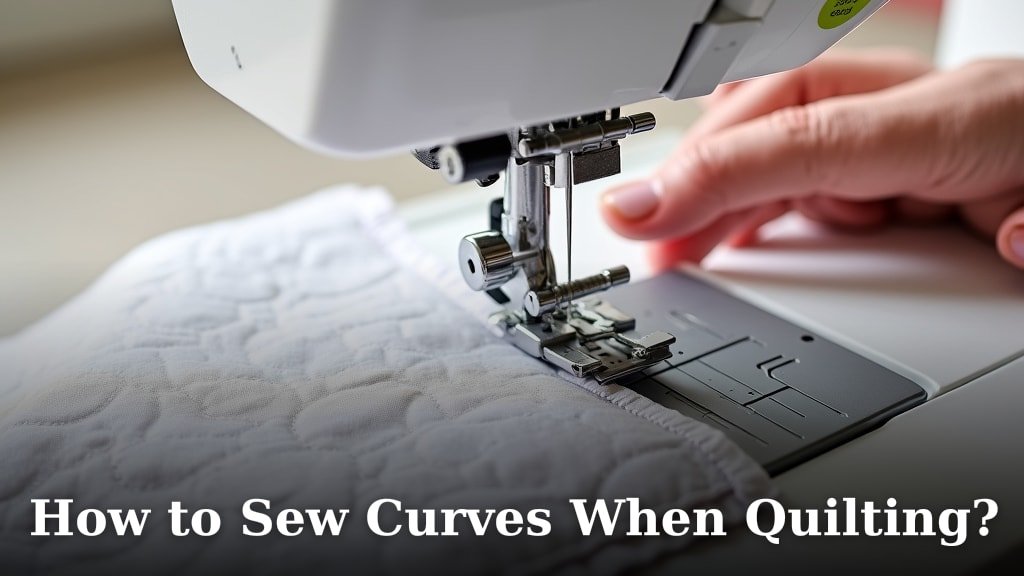
Master sewing curves in quilting. Learn simple techniques and tips for perfectly stitched, smooth curves in your next quilt project.
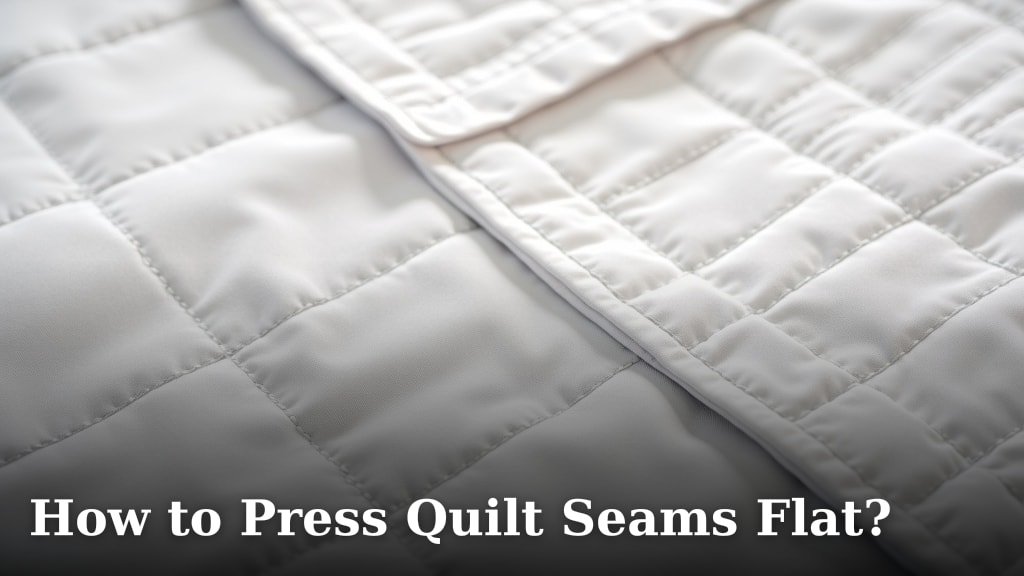
Learn how to press quilt seams flat for beautiful, professional results. Master techniques for perfectly crisp seams every time.
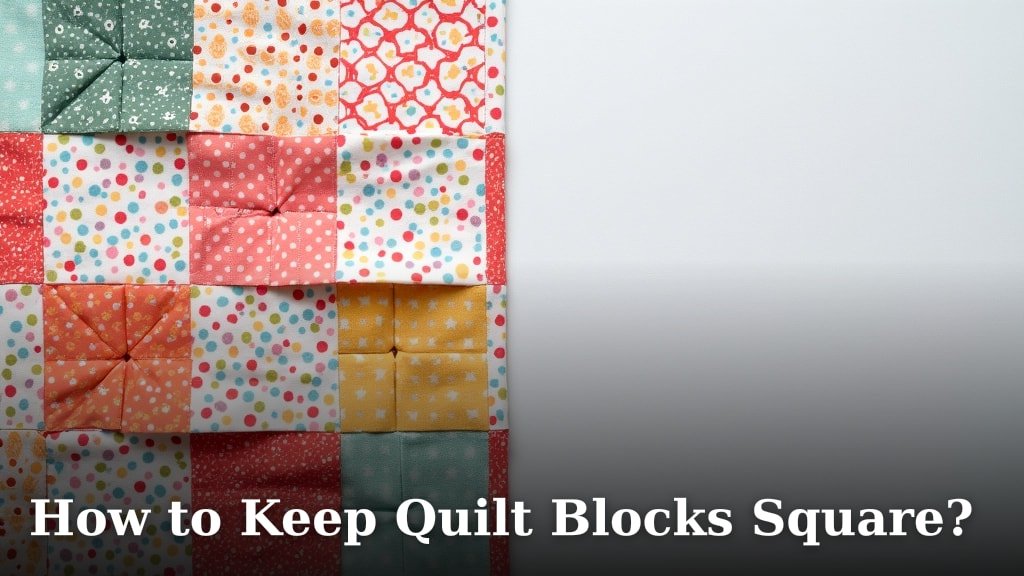
Learn how to keep quilt blocks square with accurate cutting, careful seam allowances, and consistent pressing. Check each step to prevent blocks from shifting.
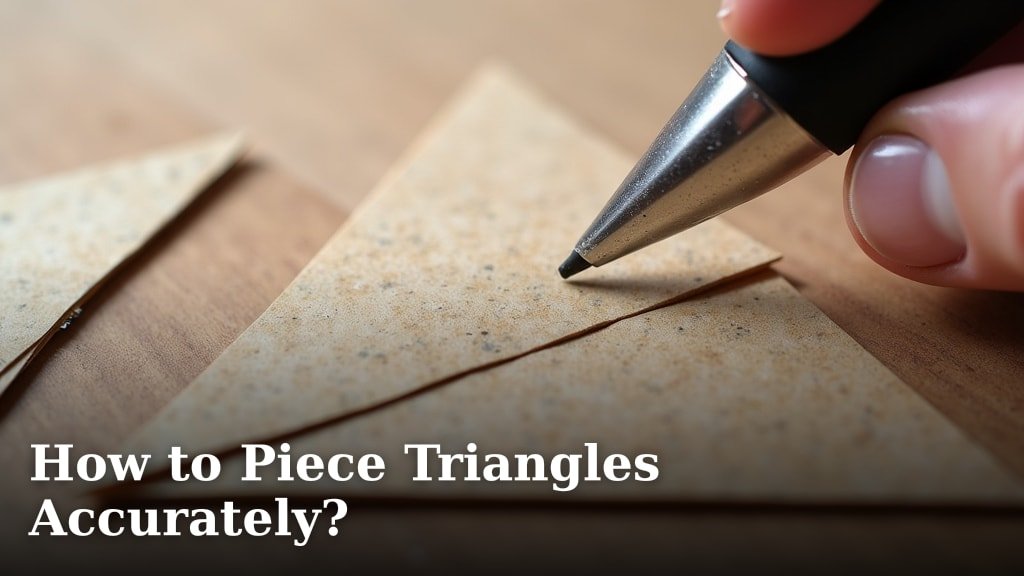
Learn how to piece triangles accurately for perfect quilt blocks. Master simple techniques for precise results every time.
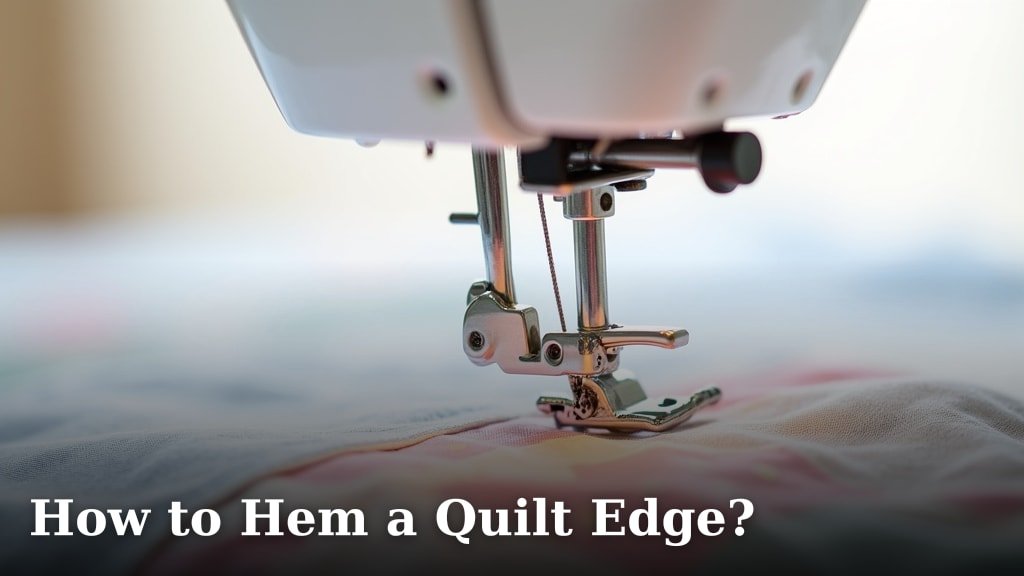
Learn how to hem a quilt edge for a clean, professional finish. Discover easy steps to secure your quilt and make it last.
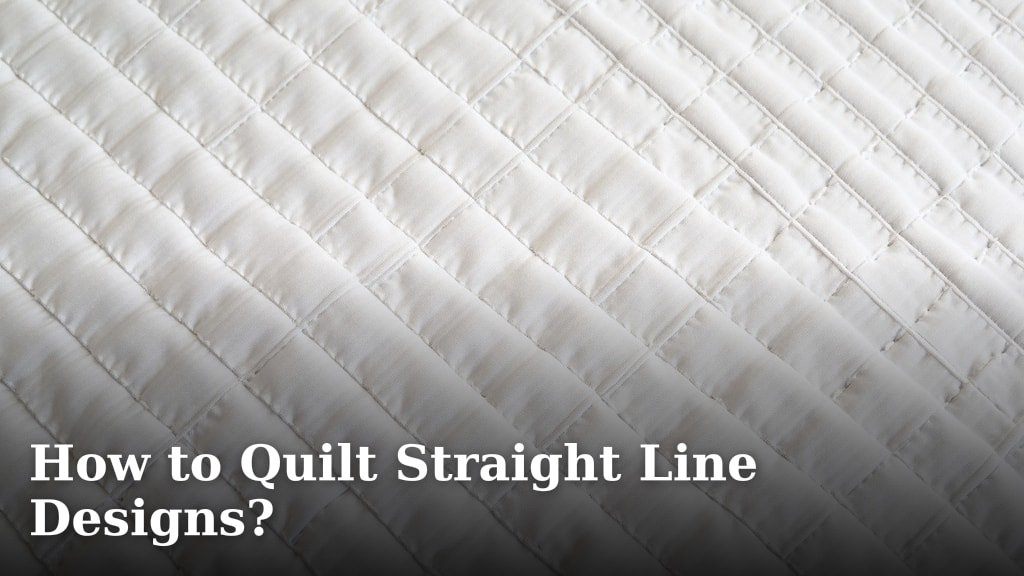
Learn how to quilt straight line designs with ease. Master the techniques for perfect straight lines on your quilt projects and achieve professional results.
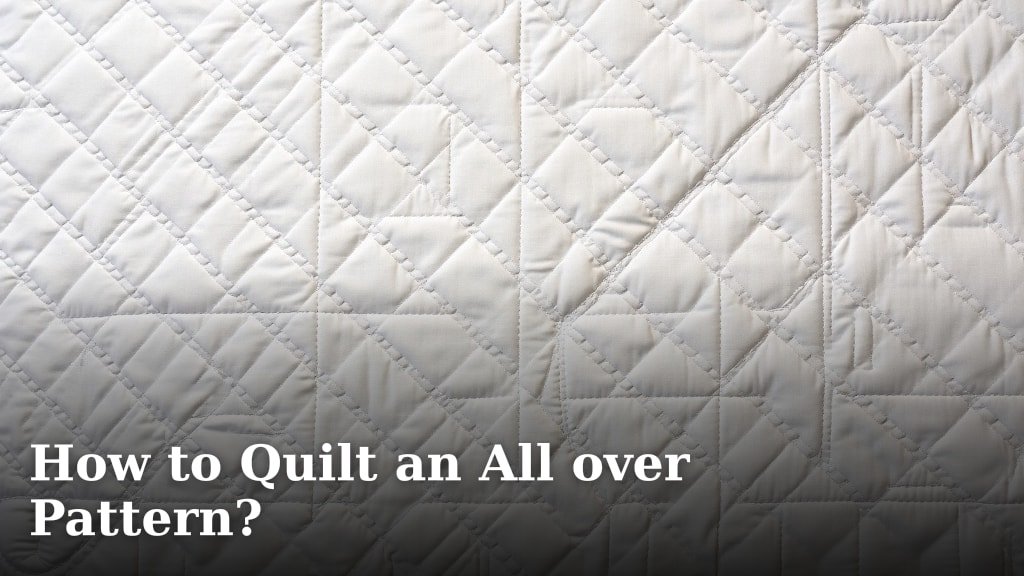
Learn how to quilt an all over pattern with a repeatable design, steady movement, and clear spacing. Practice a consistent rhythm across the whole quilt.
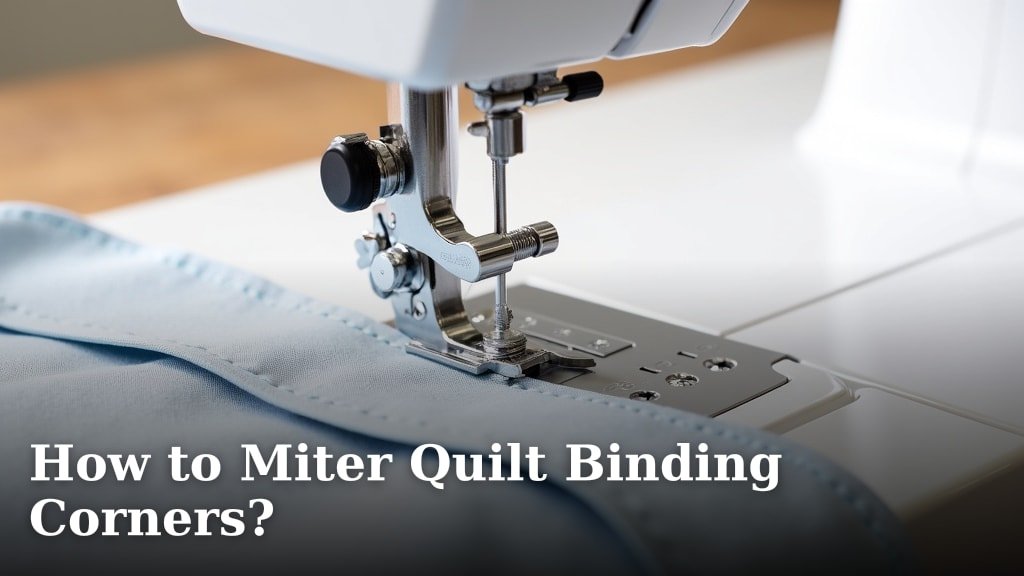
Master mitered quilt binding corners with our easy-to-follow guide. Learn the technique for a clean, professional finish on your quilts.
Learn how to sew a binding by hand with our easy-to-follow guide. Achieve a professional finish on your quilts and projects with these simple steps.
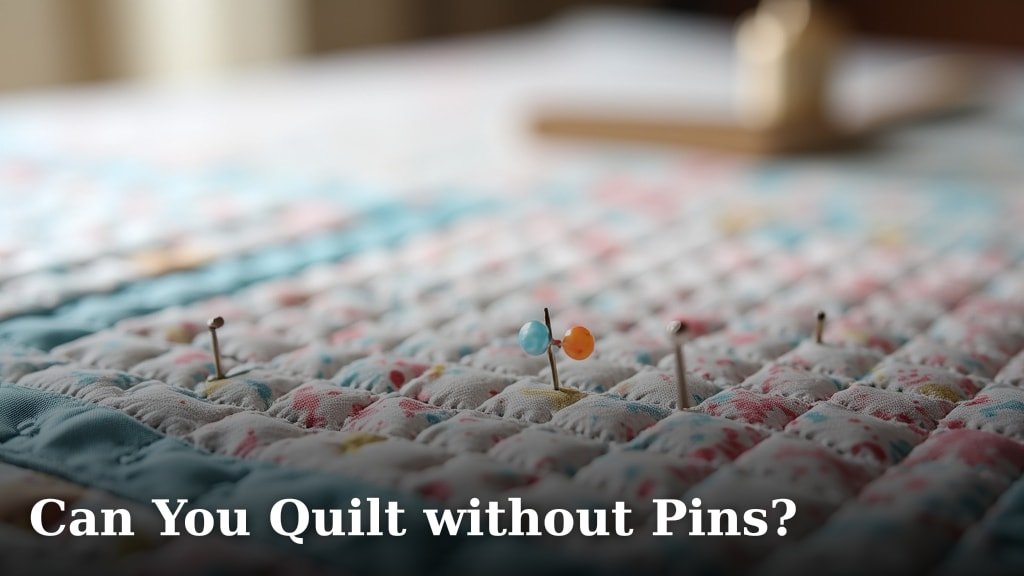
Learn how to quilt without pins and compare spray basting, clips, and other ways to hold layers. Choose a method that suits your quilt and workspace.
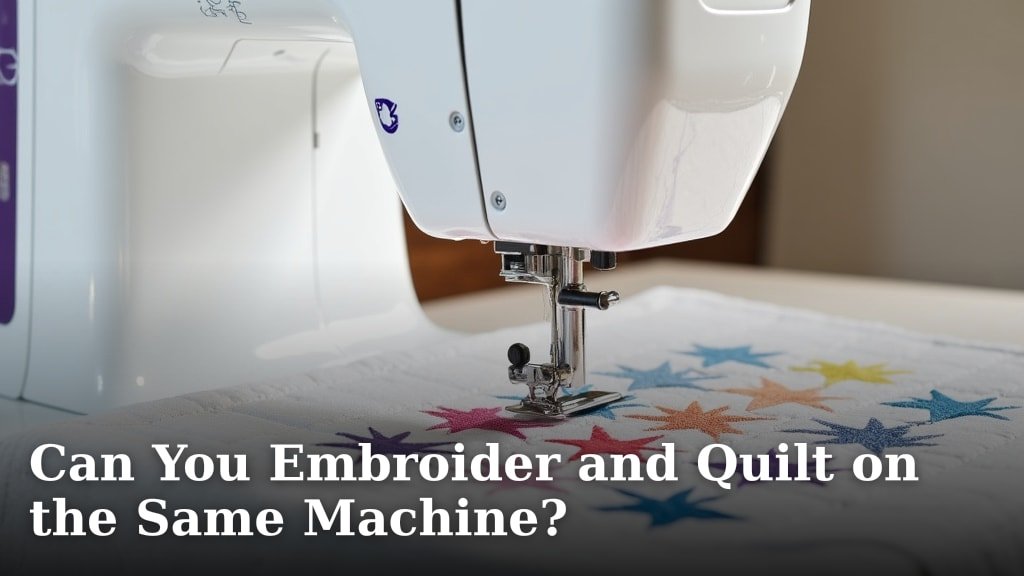
Discover if you can embroider and quilt on the same machine. This guide clarifies compatibility, helping you make the most of your sewing equipment.
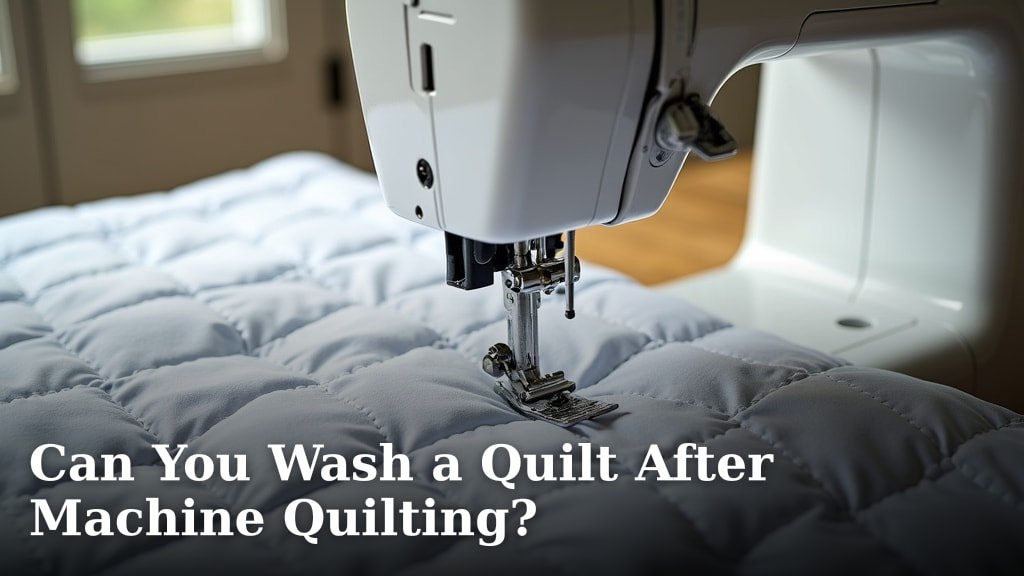
Learn if you can wash a quilt after machine quilting! Discover best practices for washing your treasured quilt without damage and keeping it beautiful.
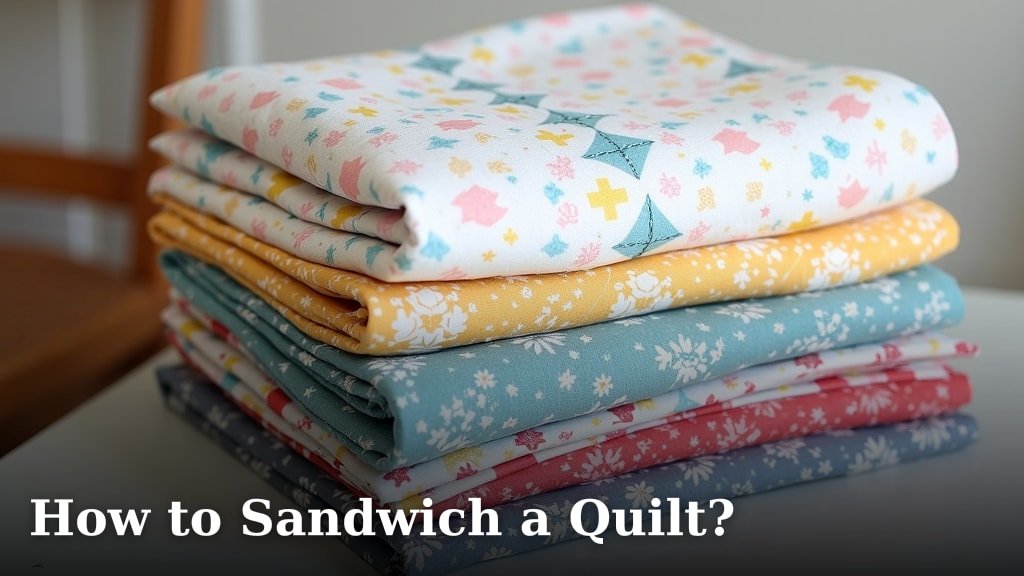
Learn how to sandwich a quilt with ease! This guide covers layering, basting, and securing your quilt top, batting, and backing for perfect results.
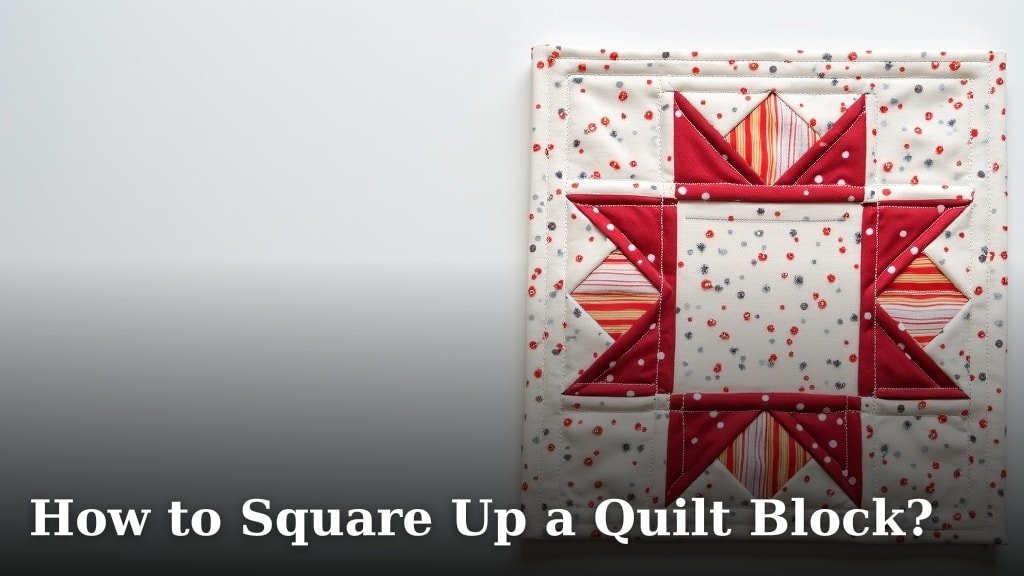
Learn how to square up a quilt block perfectly. This guide covers essential techniques to achieve precise, consistent blocks every time.
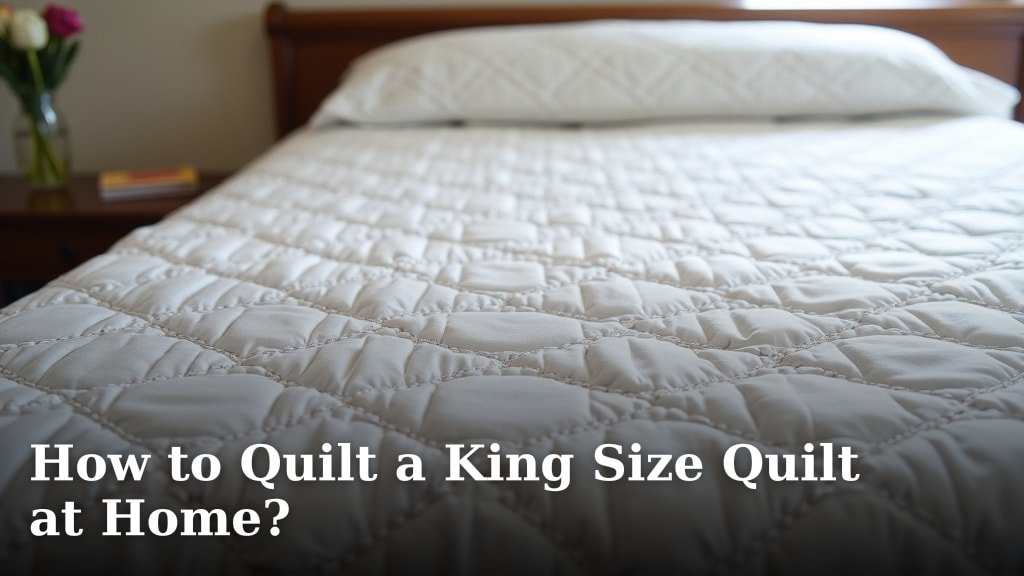
Learn how to quilt a king size quilt at home with expert tips on basting, machine quilting, and binding. Create your beautiful, handmade masterpiece.

Master the art of sewing straight lines when quilting with essential tips and techniques, ensuring your next project is perfectly aligned.
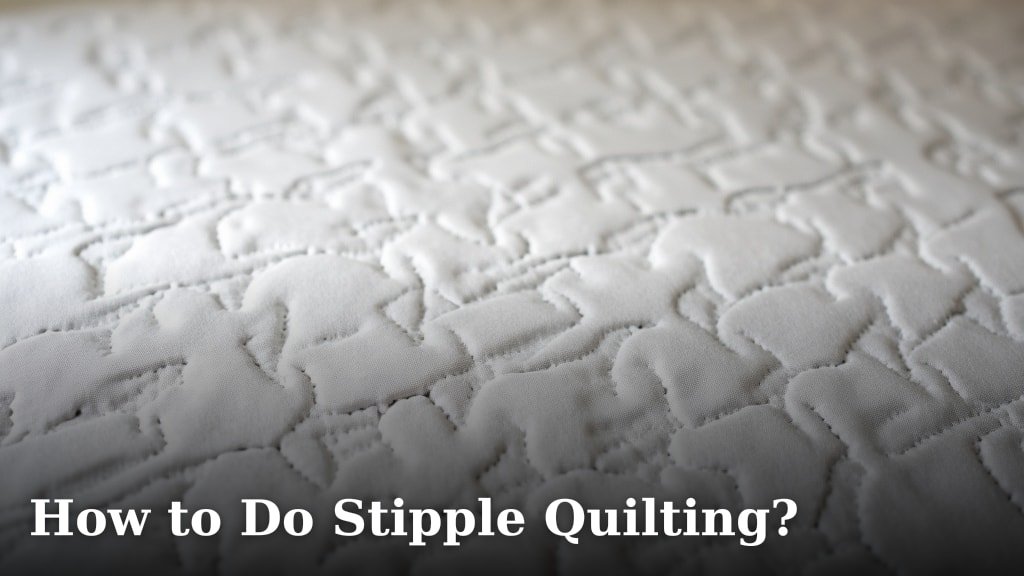
Learn how to do stipple quilting with this comprehensive guide. Discover supplies, techniques, and tips to achieve beautiful, textured quilts.
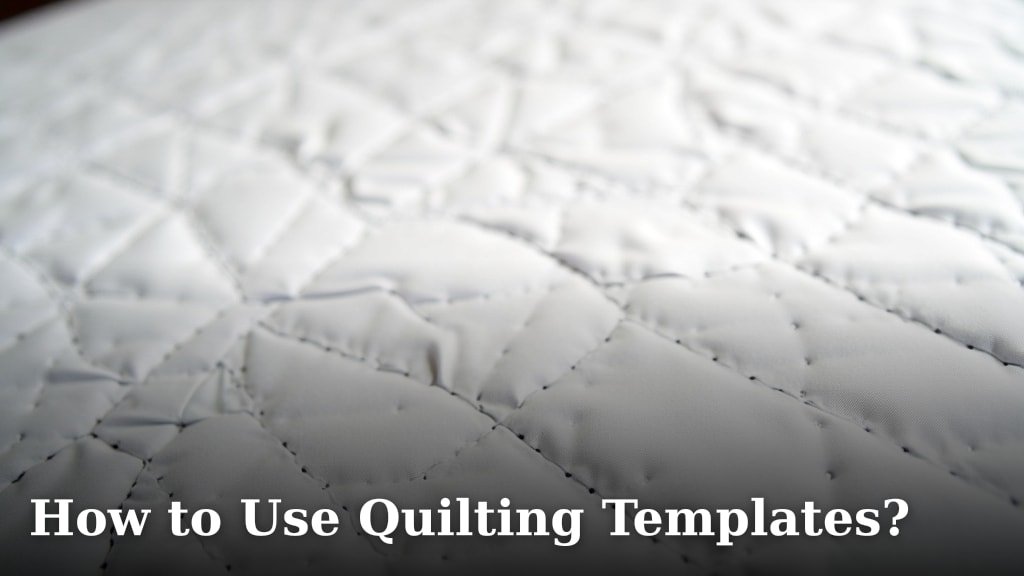
Unlock your creative potential with this guide on how to use quilting templates. Learn essential techniques for precise and beautiful quilt designs.
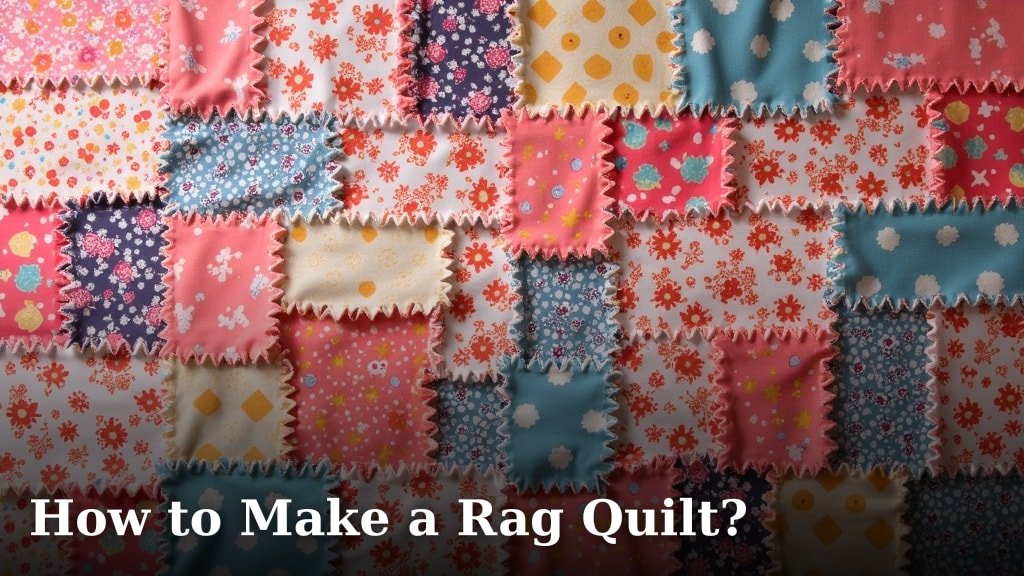
Learn how to make a rag quilt with our step-by-step guide. Discover essential materials and techniques for creating your cozy, handmade project.
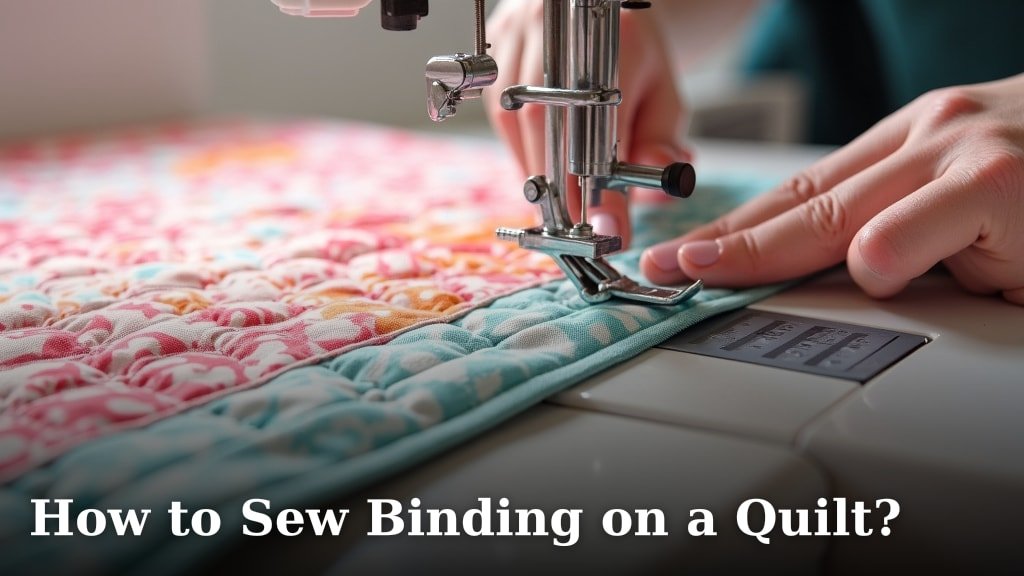
Learn how to sew binding on a quilt perfectly with our step-by-step guide. Master this essential finishing touch for beautiful, durable quilts.
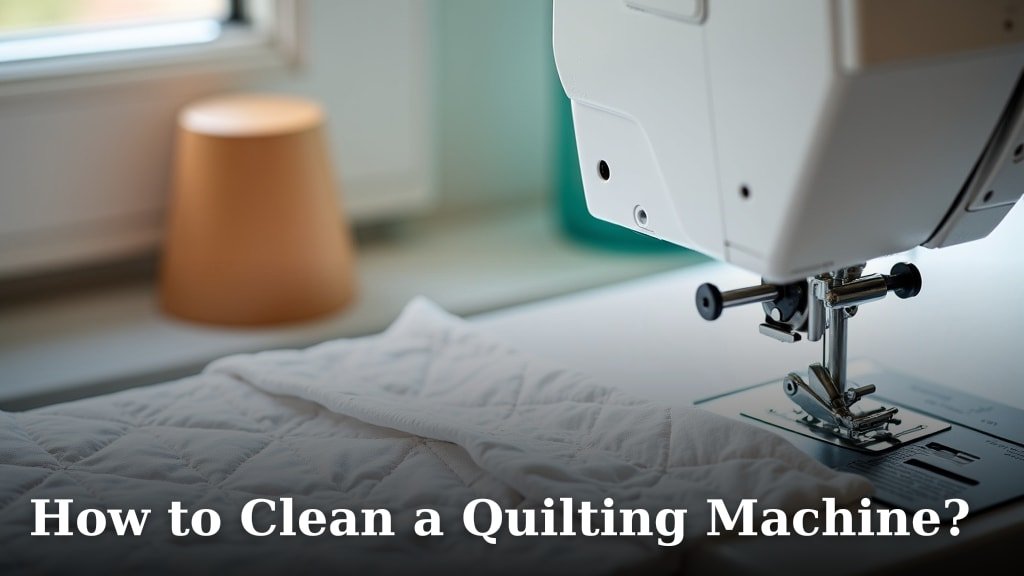
Learn how to clean a quilting machine by removing lint from key areas and caring for moving parts. Follow a simple routine to support smooth stitching.
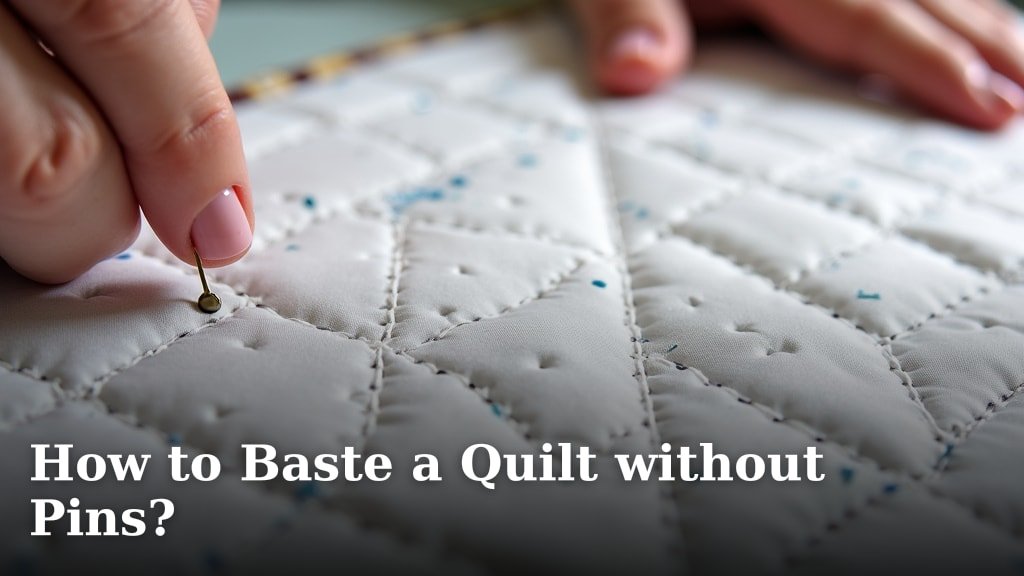
Learn how to baste a quilt without pins using various methods. Discover easier, less time-consuming alternatives for your next quilting project.
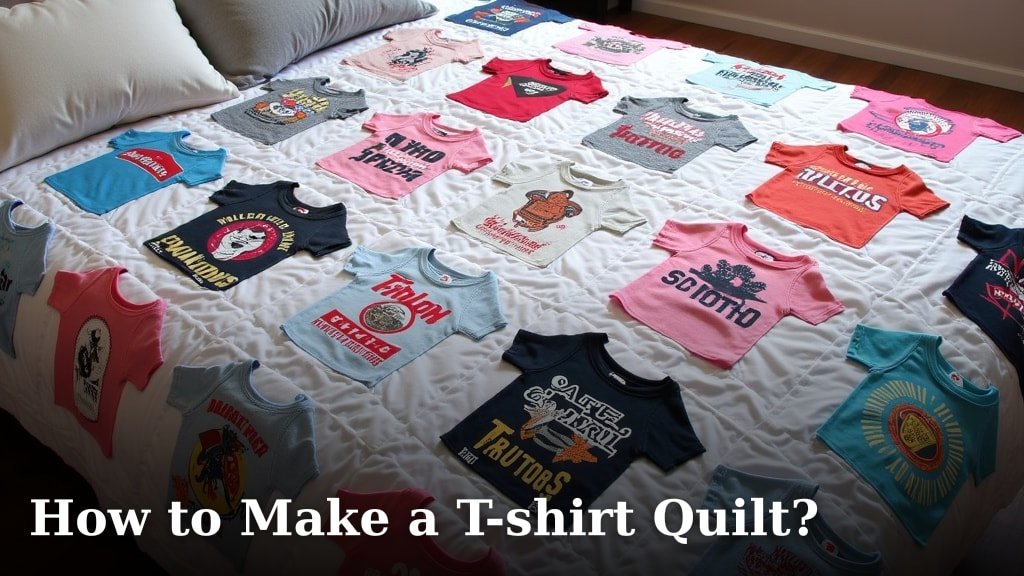
Turn cherished tees into a cozy keepsake! Learn how to make a T-shirt quilt with our step-by-step guide, preserving memories beautifully.
Learn how to piece a quilt top with our comprehensive guide, covering fabric prep, cutting, and stitching for a beautiful finished project.
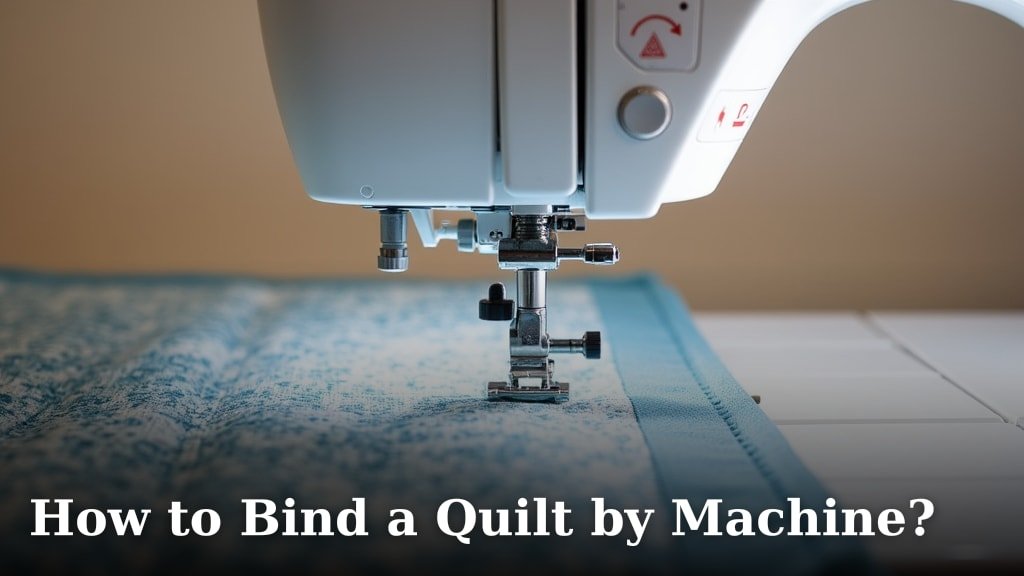
Master machine binding with this comprehensive guide. Learn how to bind a quilt by machine efficiently and beautifully for a professional finish.
Unlock your sewing machine's potential with our beginner's guide on how to free motion quilt. Learn essential techniques and conquer your quilting fears.
Pantographs are paper patterns that guide your longarm quilting machine to create consistent, professional designs across your entire quilt.
A 1/4 inch seam allowance is the standard measurement used in quilting to join fabric pieces together, creating precise, flat seams that prevent puckering and

A stitch counter is a tool that tracks how many stitches you make while quilting, helping you maintain consistent patterns and manage large projects more
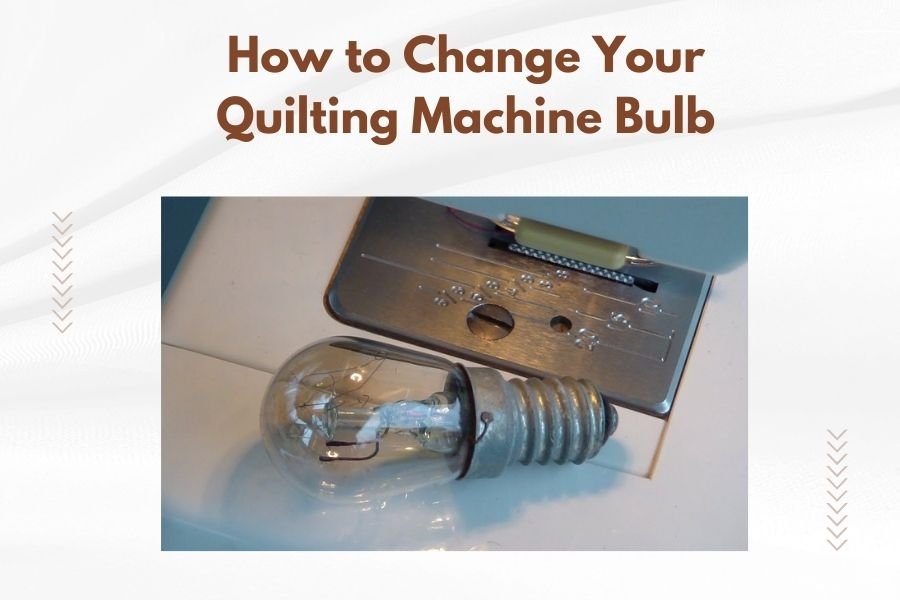
To change your quilting machine bulb, first unplug the machine, then remove the old bulb by gently unscrewing or pulling it out, depending on your machine's
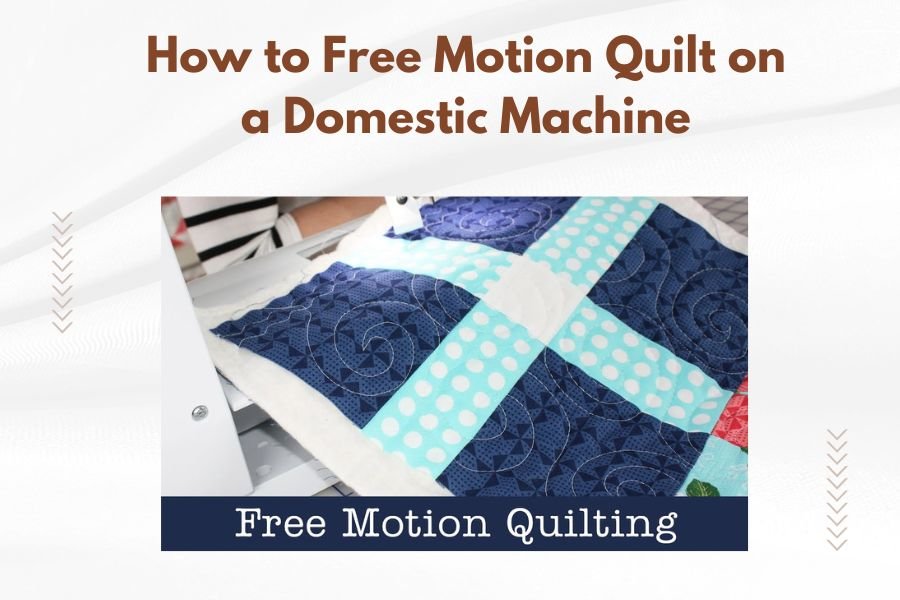
You can free motion quilt on a domestic machine by lowering the feed dogs, using a darning foot, and moving the fabric manually to create flowing stitched
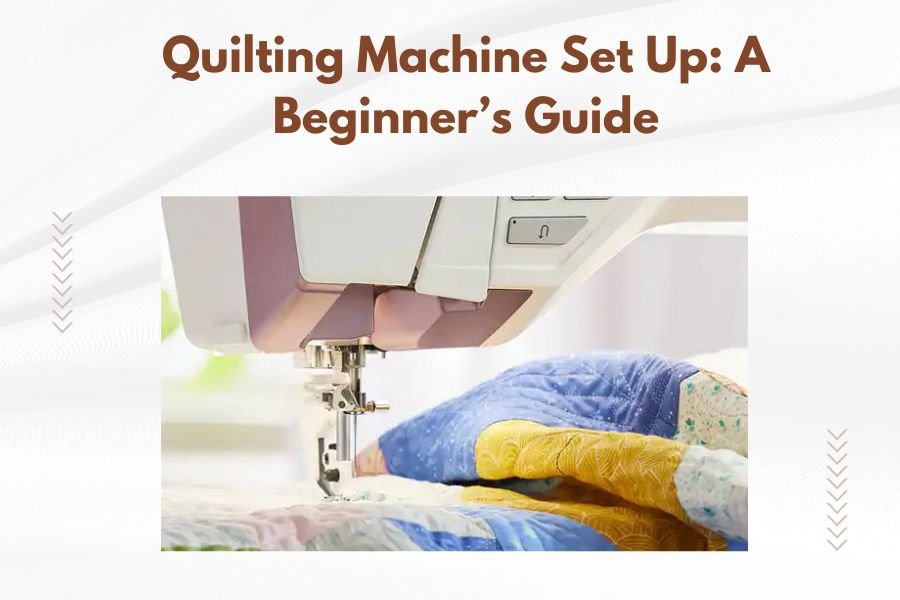
Quilting machine set up requires three main steps: threading the machine properly, adjusting tension settings, and selecting the right needle and thread
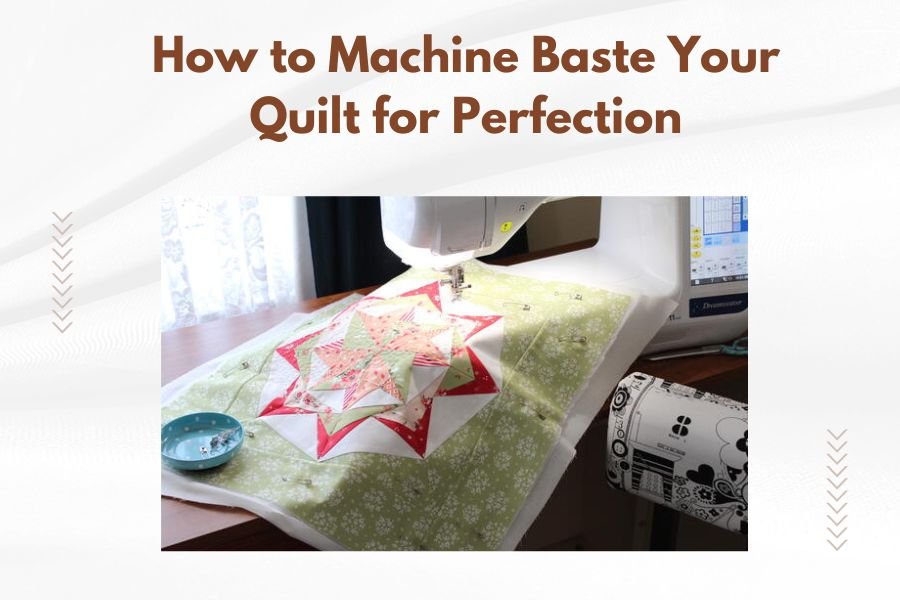
Machine basting your quilt means using long, loose stitches to temporarily hold the quilt layers together before final quilting.
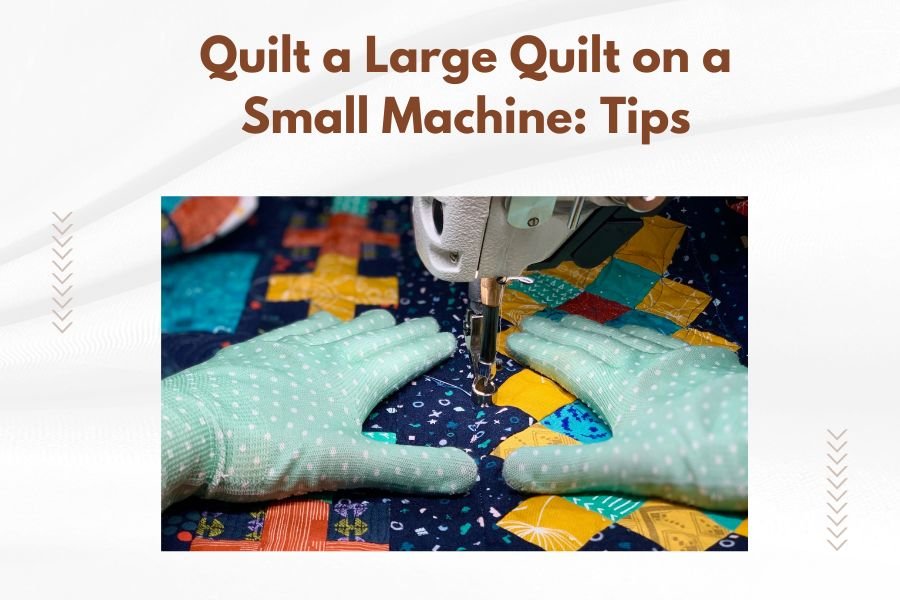
You can quilt a large quilt on a small machine by rolling the quilt sections, using the arm space efficiently, and quilting in sections from the center outward.
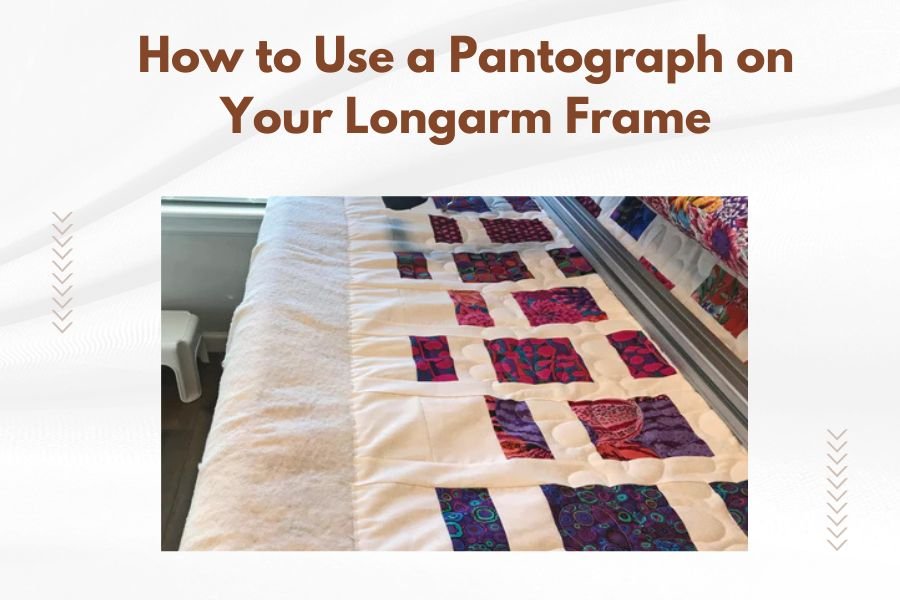
A pantograph on your longarm frame guides your quilting needle along predetermined patterns, making complex designs achievable for quilters at any skill level.
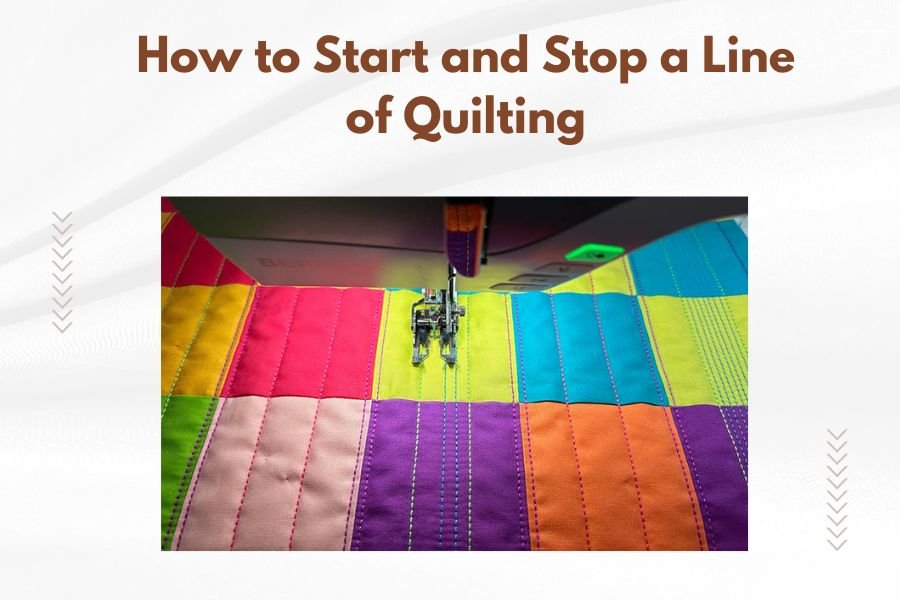
To start a line of quilting, position your quilt sandwich under the needle, lower the presser foot, and begin stitching slowly while guiding the fabric

A perfect stipple quilt pattern requires consistent random curves with even spacing, no straight lines, and movements that don’t cross over previous
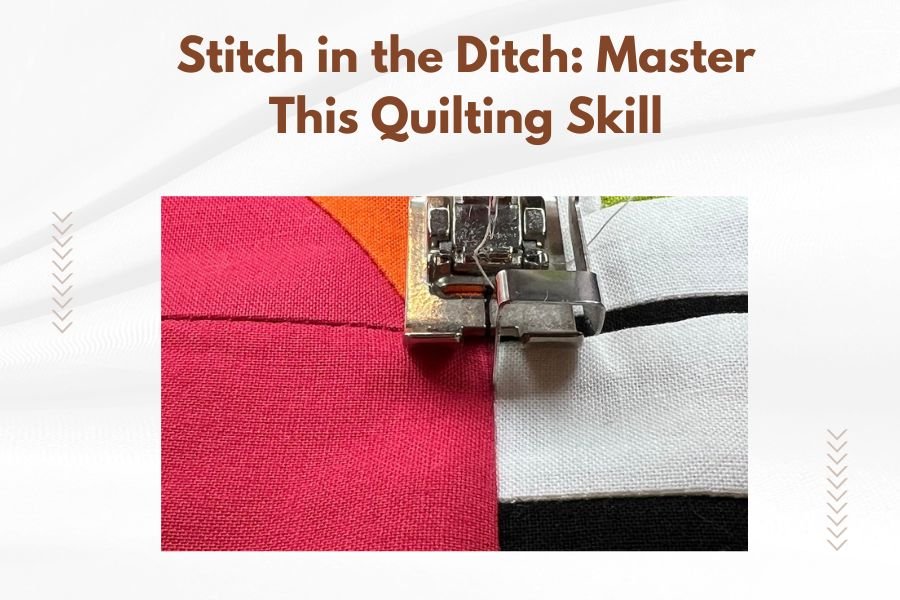
Stitch in the ditch means quilting directly on top of the seam lines where fabric pieces join together, creating invisible stitches that secure your quilt
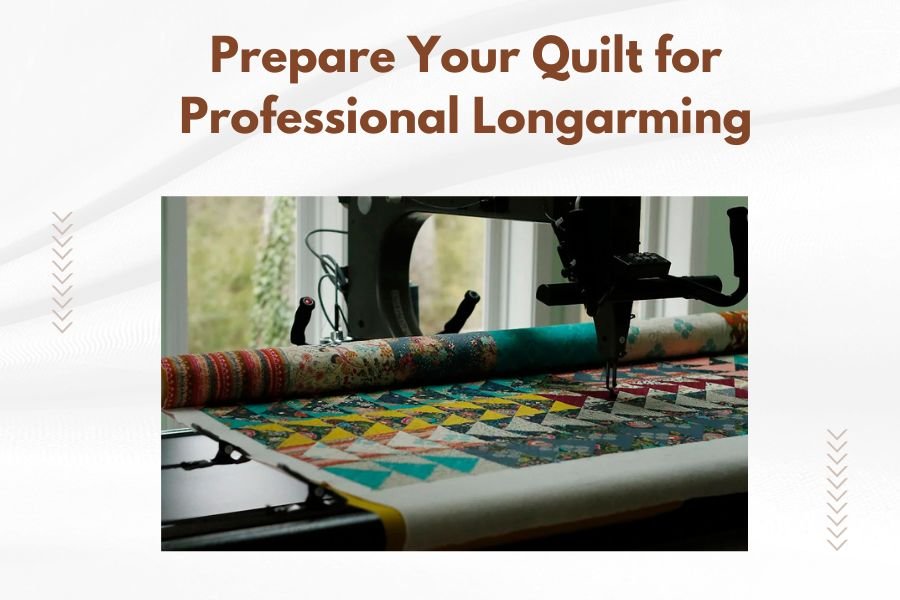
To prepare your quilt for professional longarming, you need to create a quilt sandwich with backing fabric 6-8 inches larger on all sides, batting cut to the
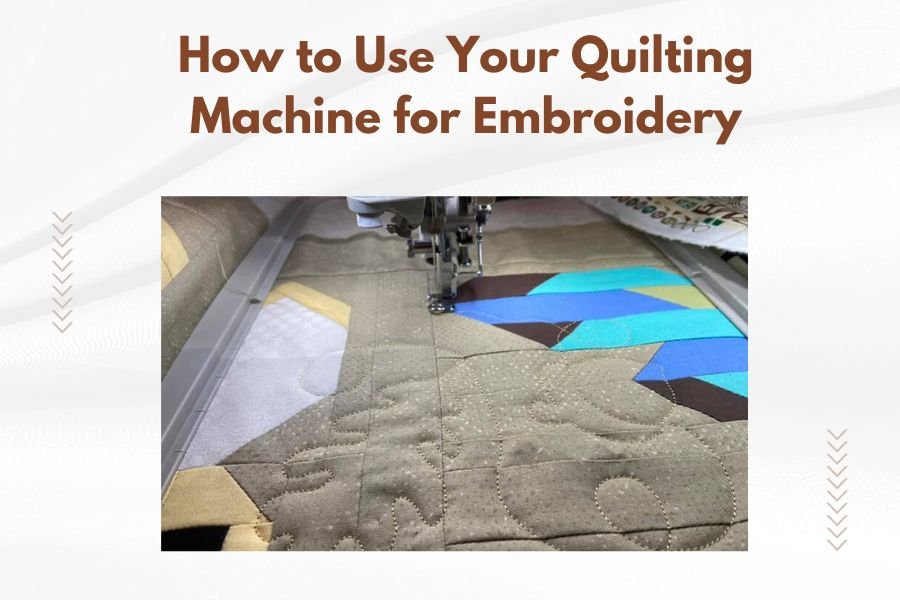
You can use your quilting machine for embroidery by switching to an embroidery hoop, using embroidery thread, and adjusting tension settings for decorative
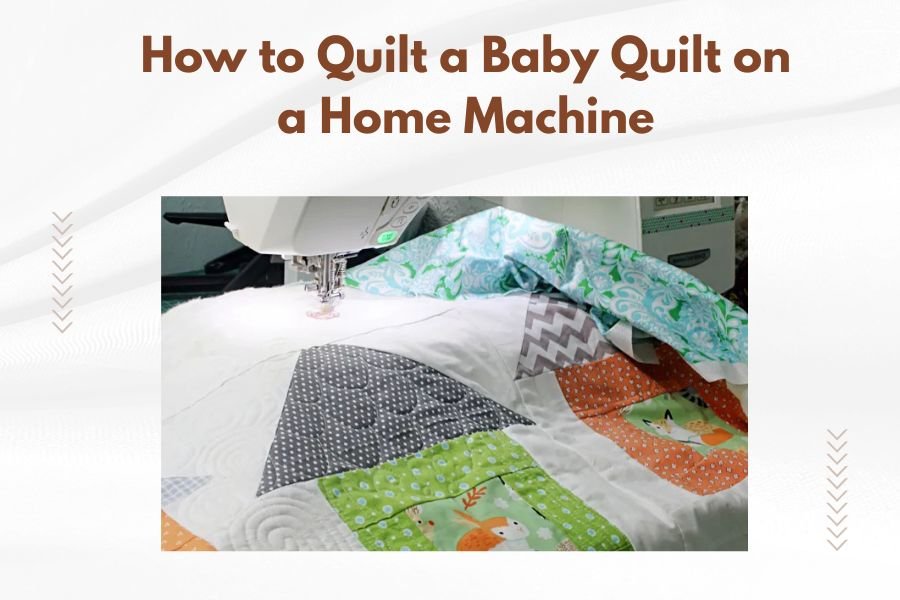
Quilting a baby quilt on your home machine takes 3-6 hours using straight-line or echo quilting patterns with cotton batting and a walking foot.
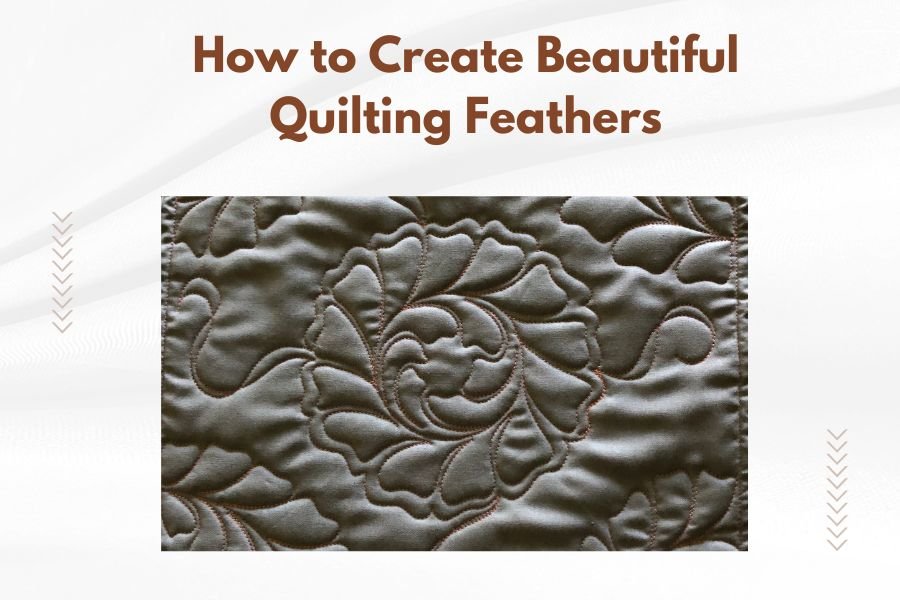
Creating beautiful quilting feathers requires mastering curved lines using free-motion quilting techniques with proper machine setup and consistent hand

To quilt around a motif like a professional, start by tracing your motif with water-soluble markers and use a walking foot for even stitching. Professional

Perfect pebbles in quilting require consistent circular motions with overlapping shapes that create texture without gaps.
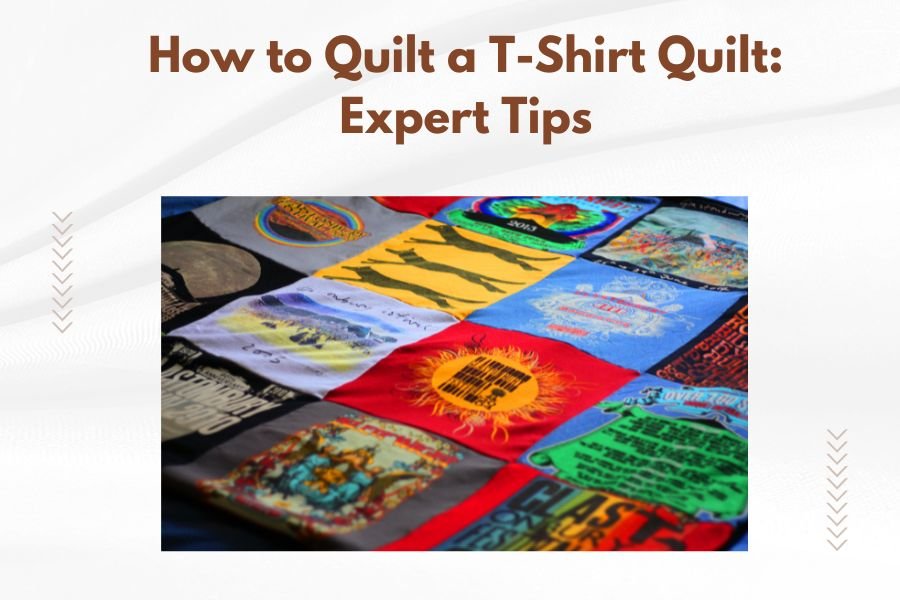
A t-shirt quilt combines your favorite memories into one cozy blanket by cutting t-shirts into squares and sewing them together with batting and backing fabric.
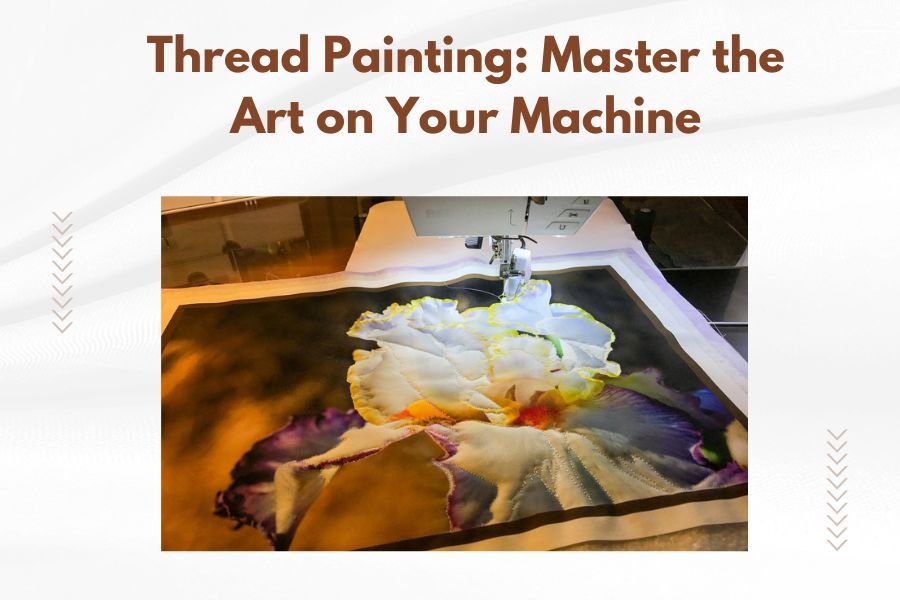
Thread painting is a machine embroidery technique that creates artwork using thread instead of paint or ink. You build up layers of thread stitches to form
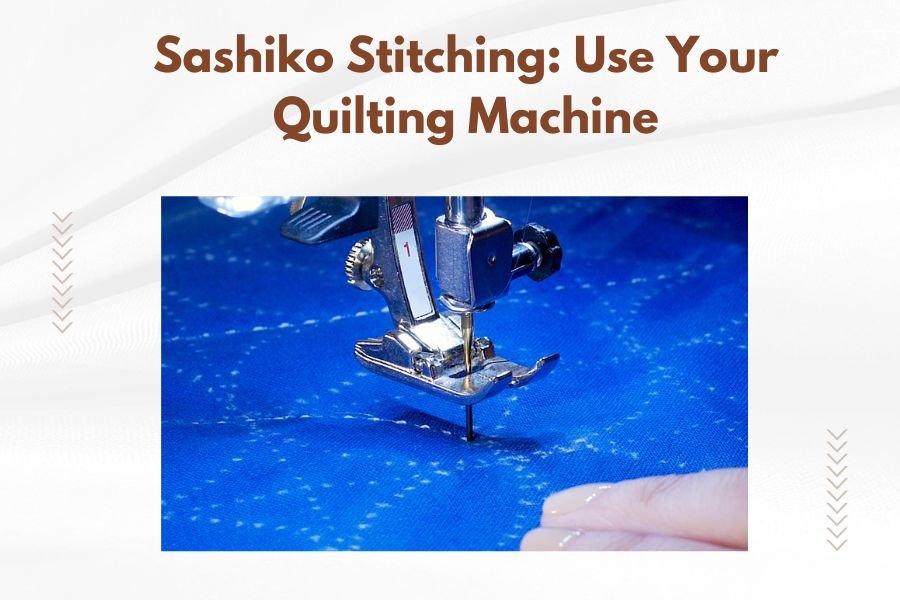
Yes, you can absolutely use your quilting machine for sashiko stitching by adjusting tension settings and using appropriate threads and needles.
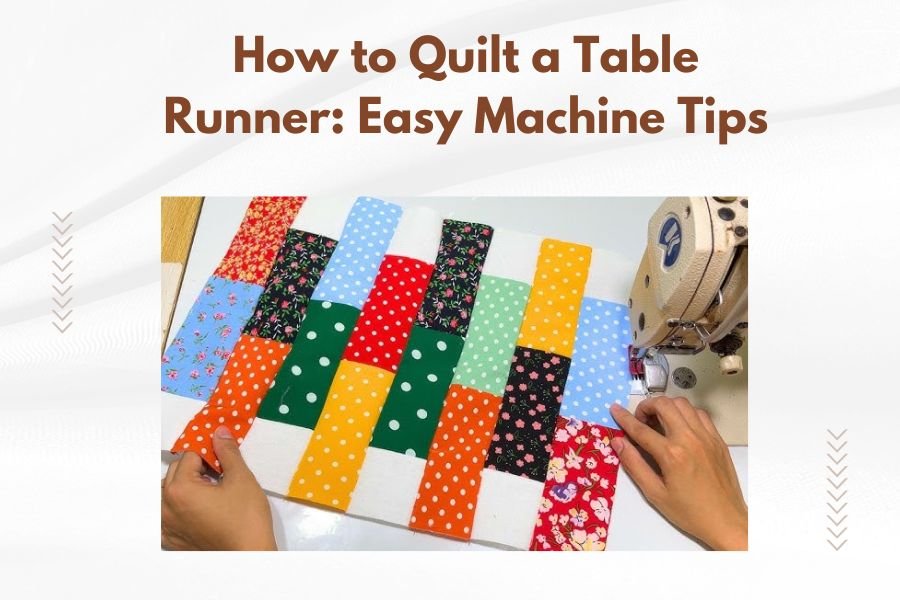
To quilt a table runner using a machine, start by layering your top fabric, batting, and backing, then use straight-line quilting or simple geometric patterns
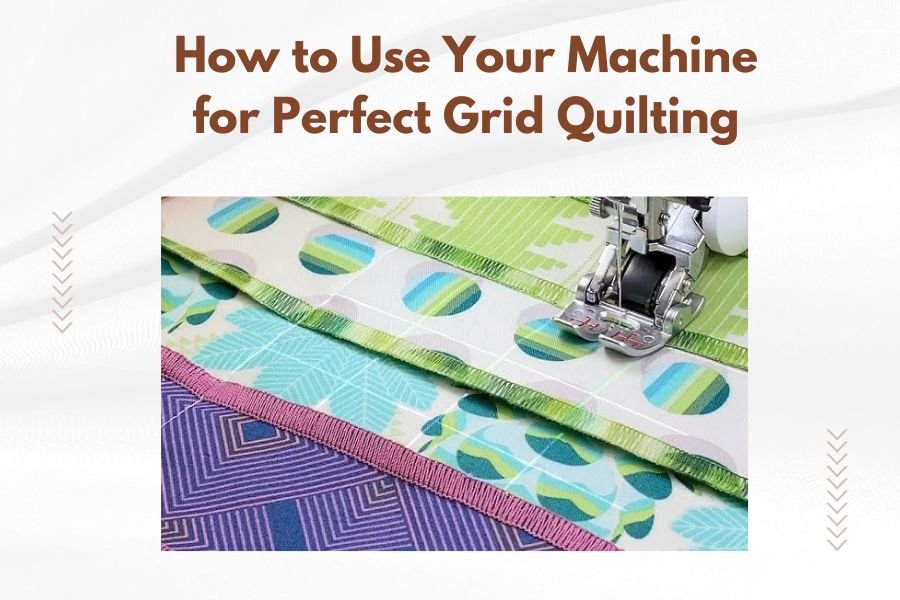
Perfect grid quilting requires setting your machine’s walking foot, adjusting stitch length to 2.5-3mm, and using quilting rulers or templates for

To quilt beautiful borders on your machine, start with accurate measuring and choose a border width that complements your quilt’s overall proportions.
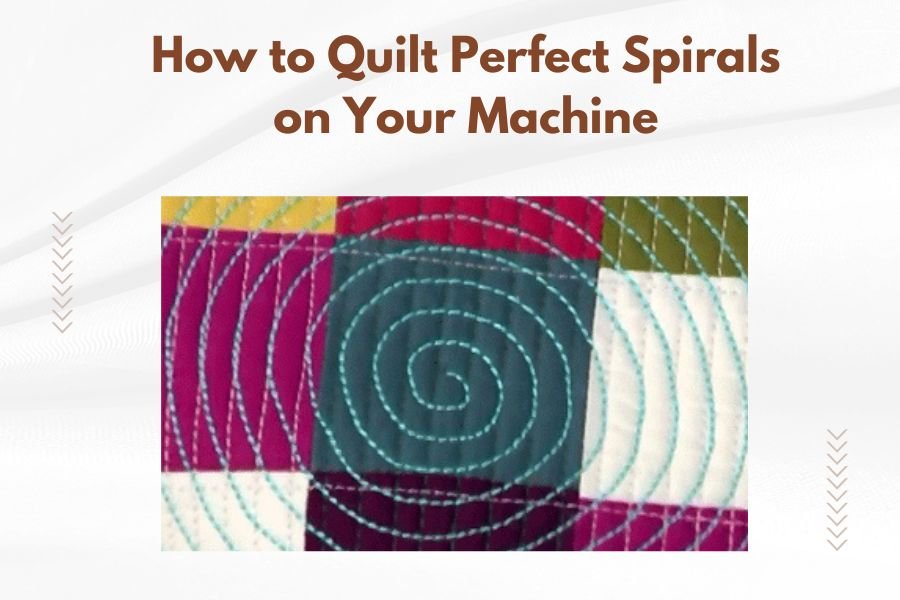
Perfect machine-quilted spirals require consistent tension, steady speed, and a walking foot or darning foot depending on your chosen technique.
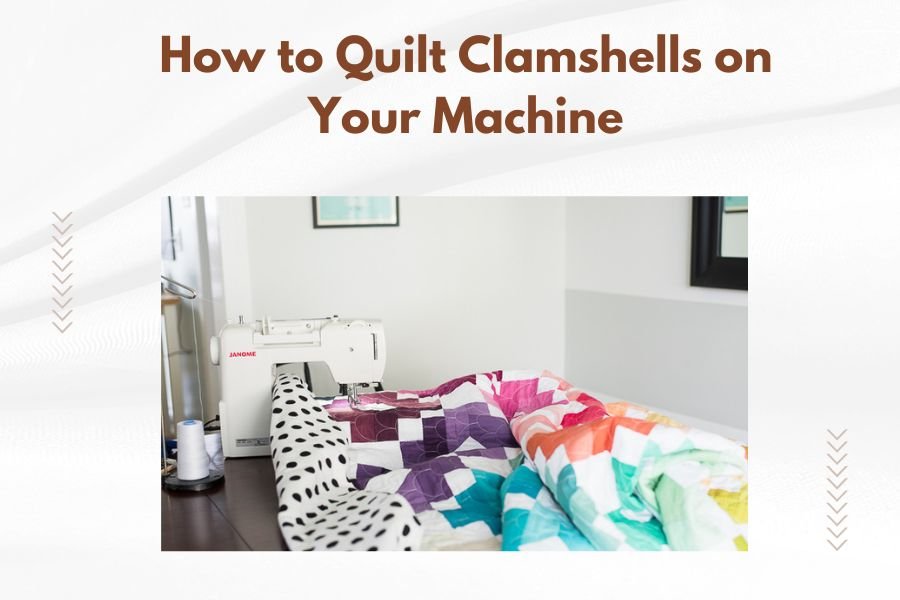
You can quilt clamshells on your machine by using the right presser foot, adjusting your stitch length to 2.5-3.0mm, and following a consistent curved
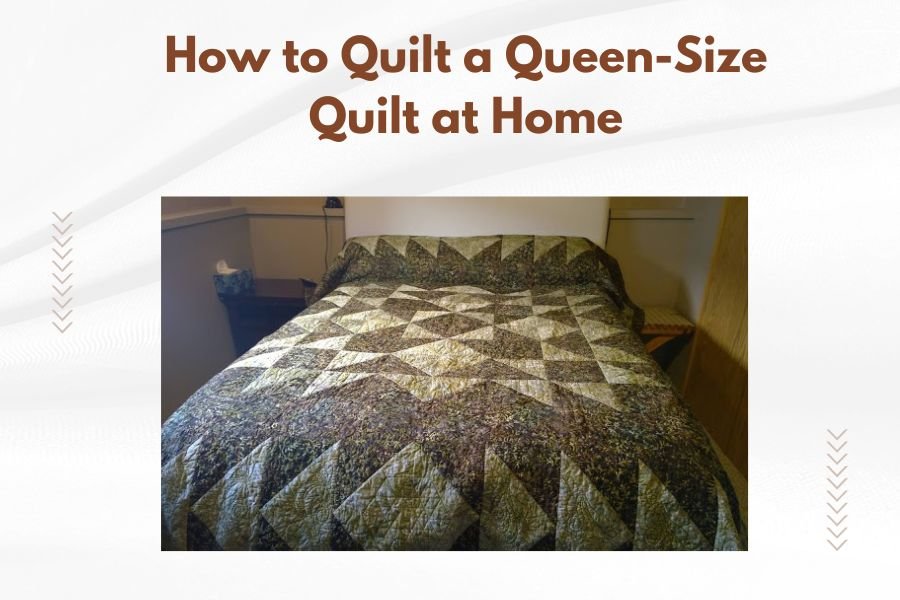
You can quilt a queen-size quilt at home using a domestic sewing machine by rolling and maneuvering the quilt sections through your machine’s throat
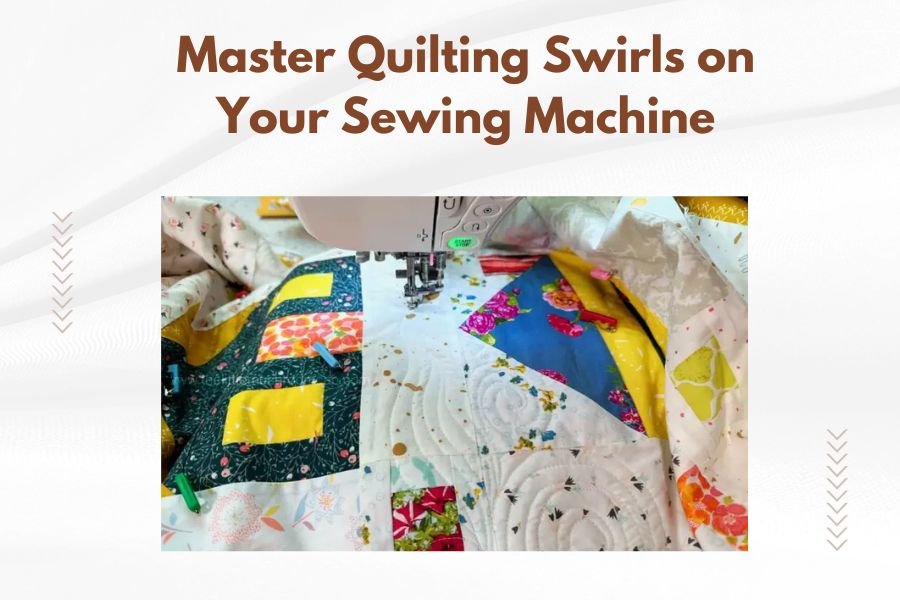
Master quilting swirls on your sewing machine by adjusting your machine’s speed, using a darning foot, and moving your fabric in smooth circular motions
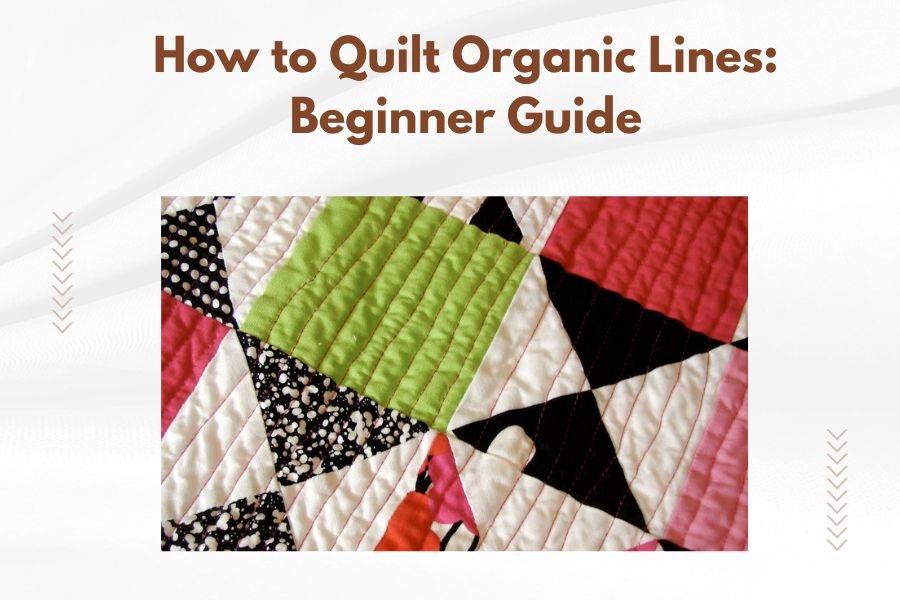
Quilting organic lines means creating free-flowing, curved stitching patterns that mimic nature’s shapes without rulers or templates.
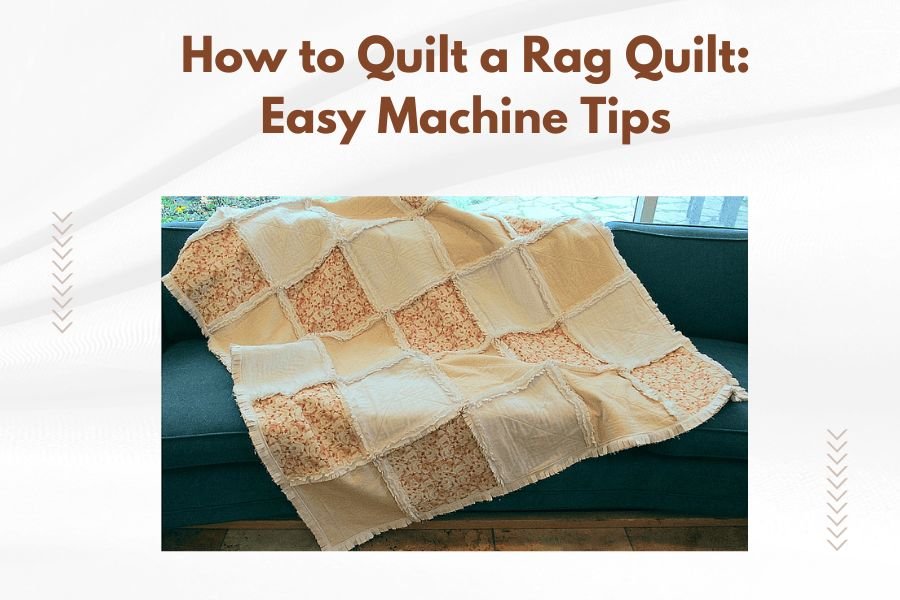
Learn how to quilt a rag quilt by sewing its layers on a machine and leaving seam edges exposed. Get tips for handling bulk and creating soft frayed edges.
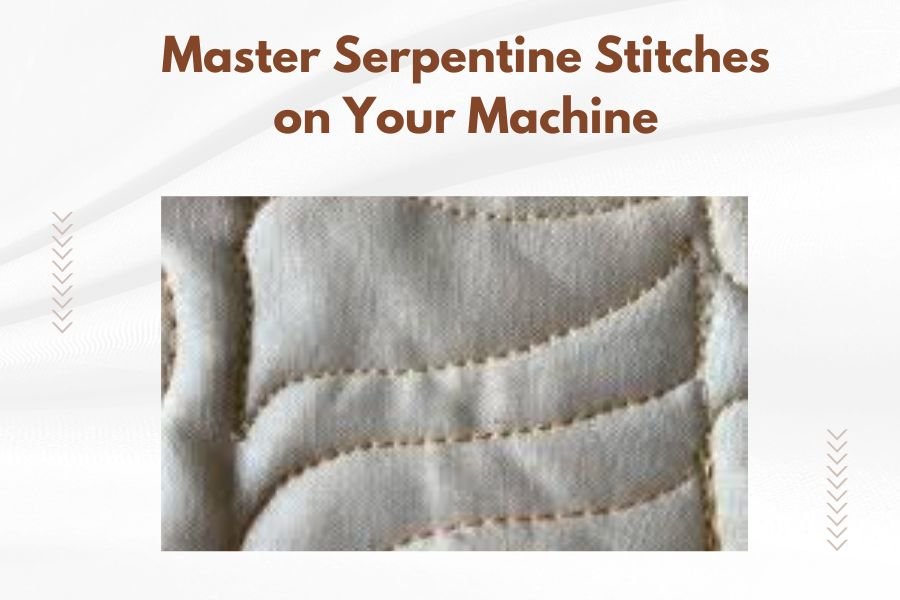
Serpentine stitches are decorative zigzag patterns that create wavy, snake-like lines on fabric using your sewing machine’s built-in stitch functions.
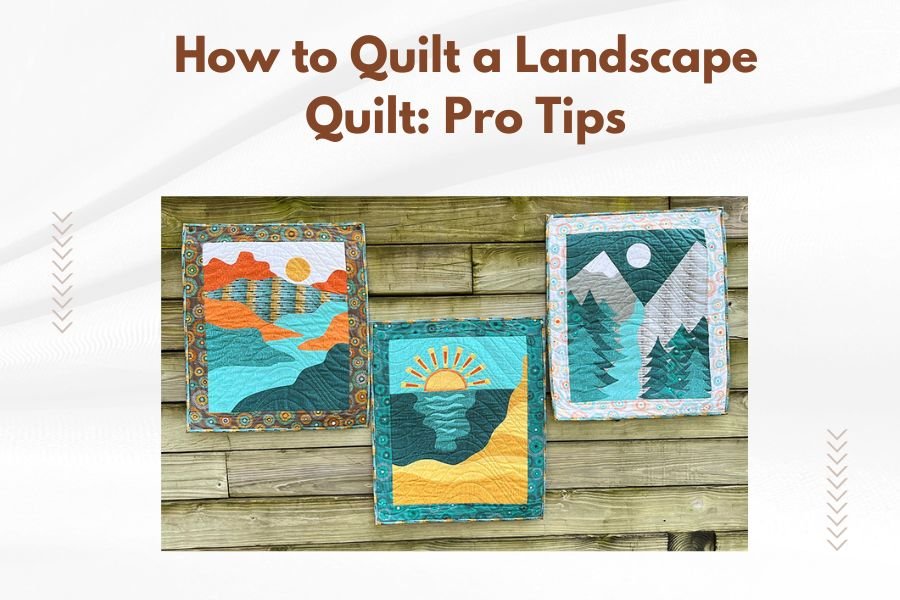
To quilt a landscape quilt successfully, start by choosing fabrics in color gradients that represent natural elements like sky, mountains, and water. Layer

Quilting Baptist fans on your machine requires precise measurements, consistent tension, and the right foot attachment for smooth curved seams.
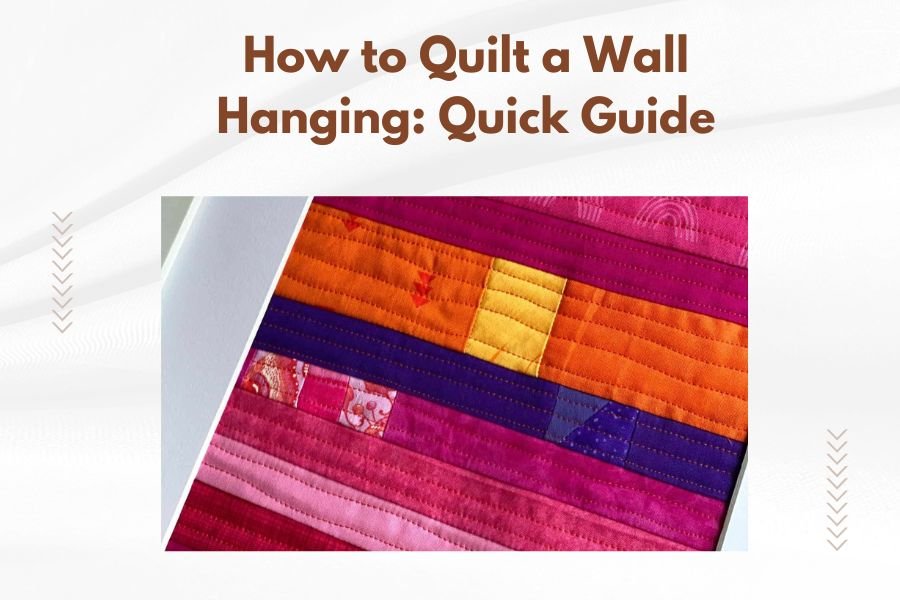
Quilting a wall hanging involves layering batting between a decorative top and backing fabric, then stitching through all layers to secure them together.
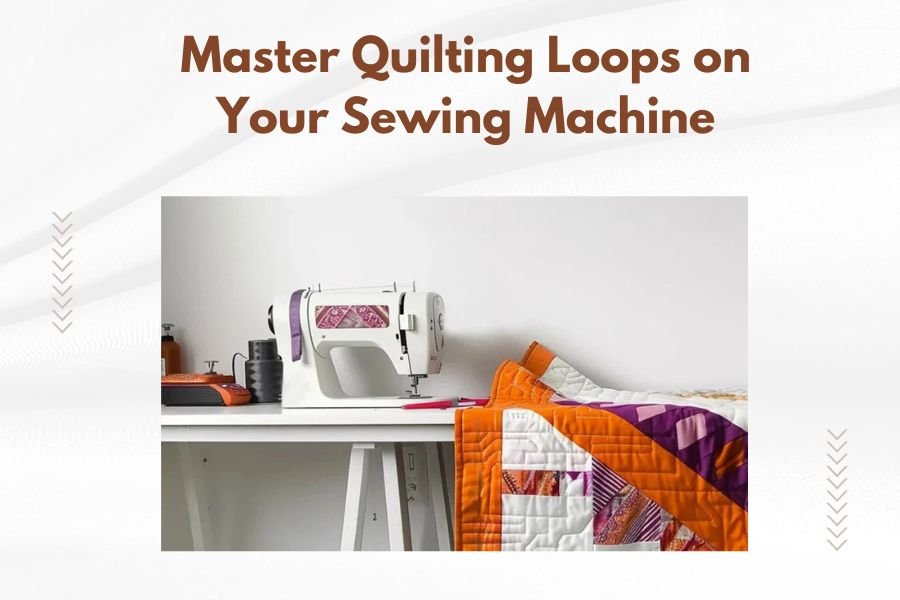
Master quilting loops by using the right presser foot, adjusting thread tension to 4-5, and maintaining steady fabric movement while following your marked
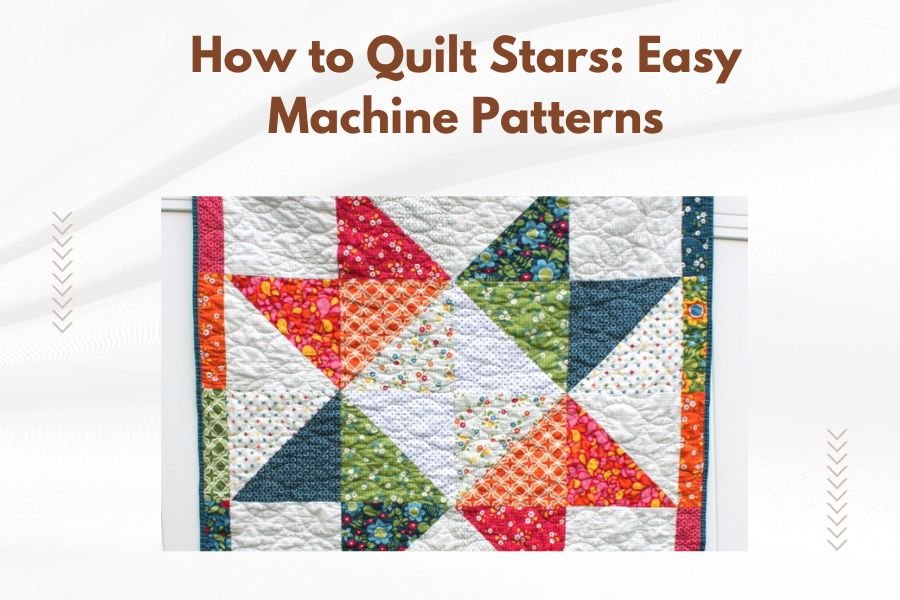
Machine quilting stars is easier than hand quilting and produces professional-looking results in less time. Most quilting machines can handle star patterns
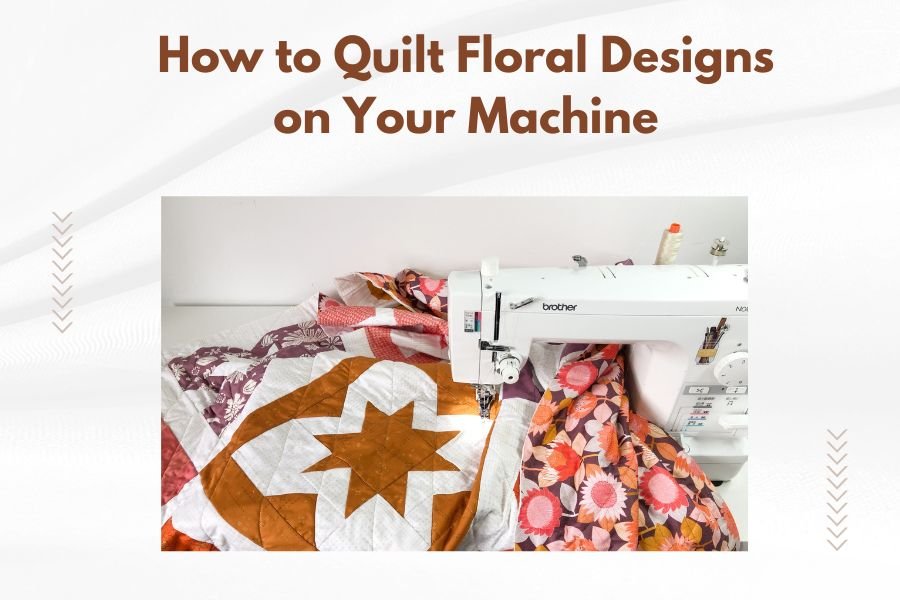
Machine quilting floral designs requires setting up your machine with the right foot, adjusting tension to medium, and using coordinating thread colors that
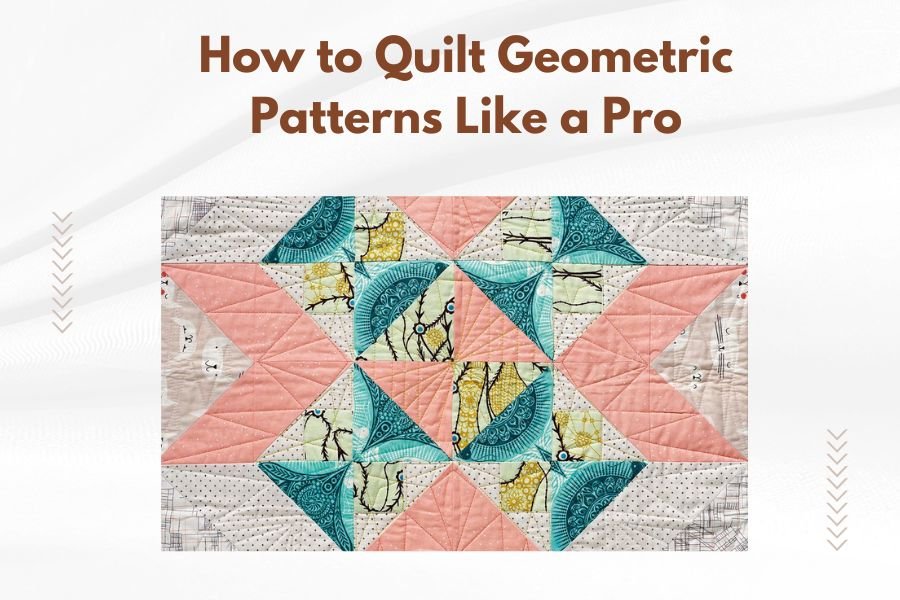
Learning how to quilt geometric patterns requires mastering basic shapes, accurate cutting, and consistent seam allowances to create professional-looking
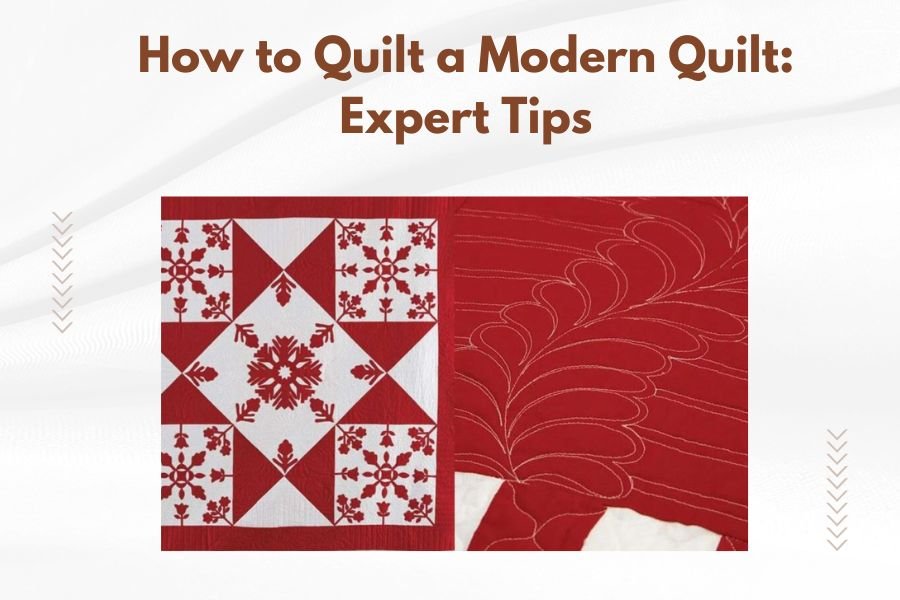
To quilt a modern quilt, start with clean lines and simple geometric patterns, then use negative space and bold color blocking to create contemporary appeal.
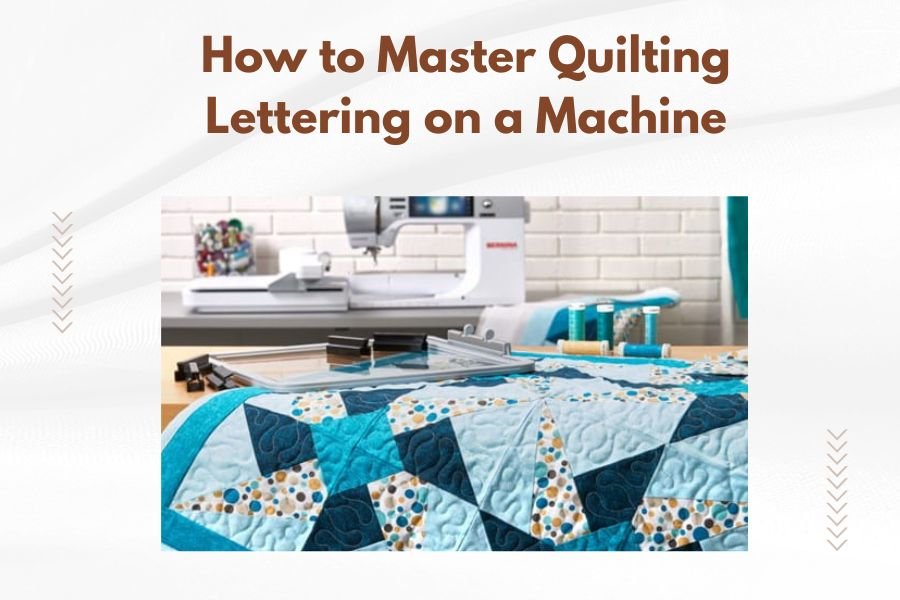
Machine quilting lettering requires setting proper thread tension, using a walking foot or free-motion foot, and practicing consistent stitch speed for clean,
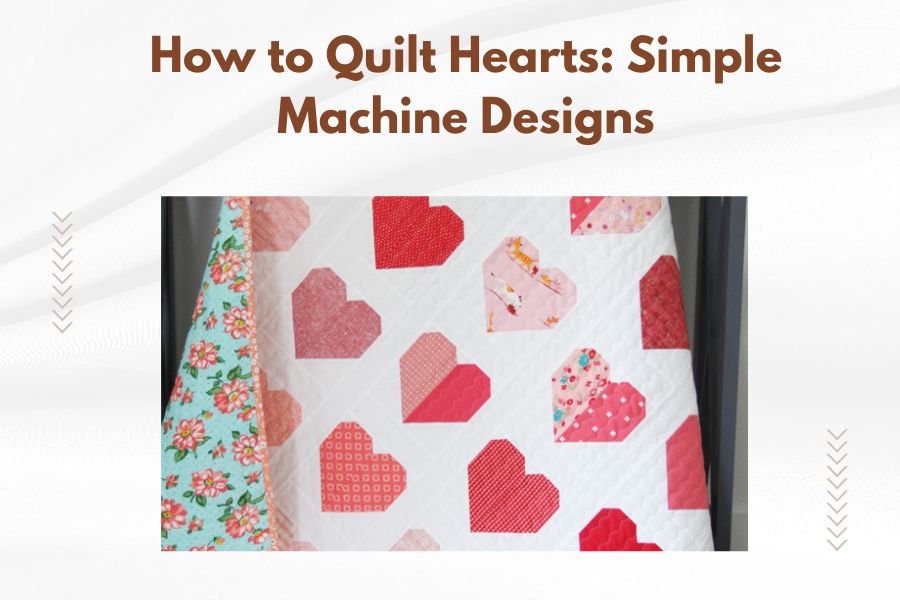
Quilting hearts on a machine requires three simple steps: choose a heart template, select appropriate thread and fabric, and use a straight or zigzag stitch
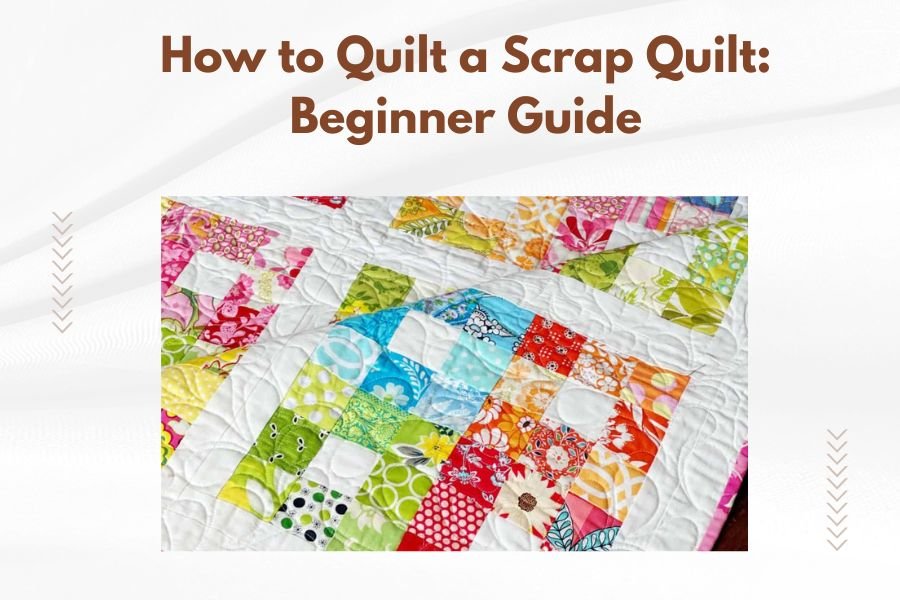
Scrap quilting transforms fabric remnants into beautiful quilts by sewing pieces together in patterns or random arrangements, then layering with batting and
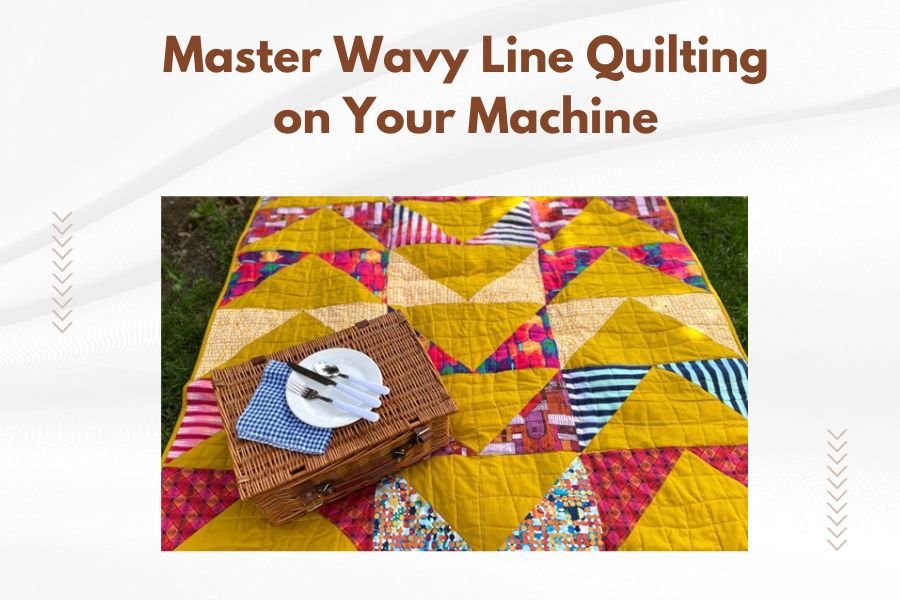
Master wavy line quilting on your machine by adjusting your free-motion foot settings and practicing smooth, consistent movements across fabric layers.
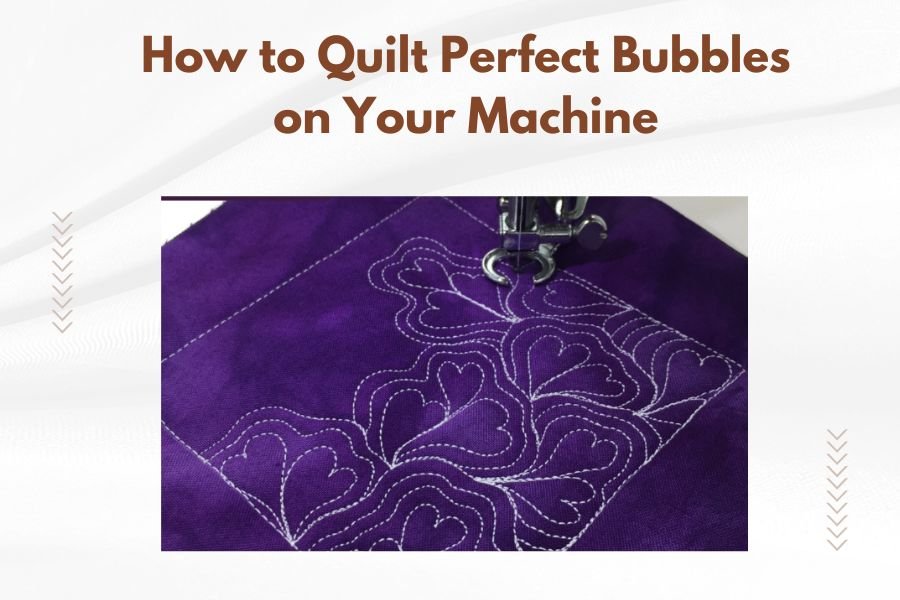
Quilting perfect bubbles on your machine requires setting your thread tension to medium-low and using a bubble quilting foot or darning foot for consistent
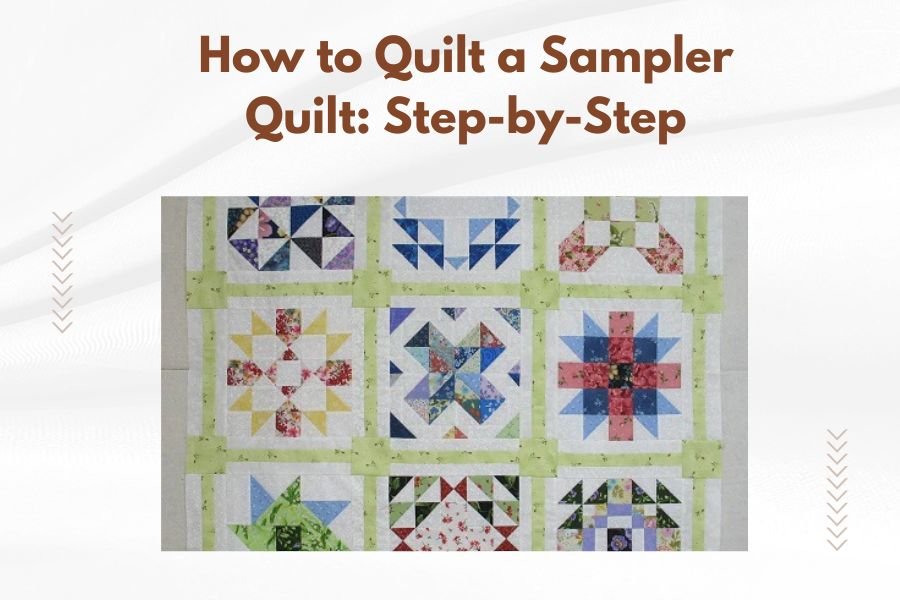
A sampler quilt combines different quilt blocks into one beautiful project, letting you practice various techniques while creating a cohesive design.
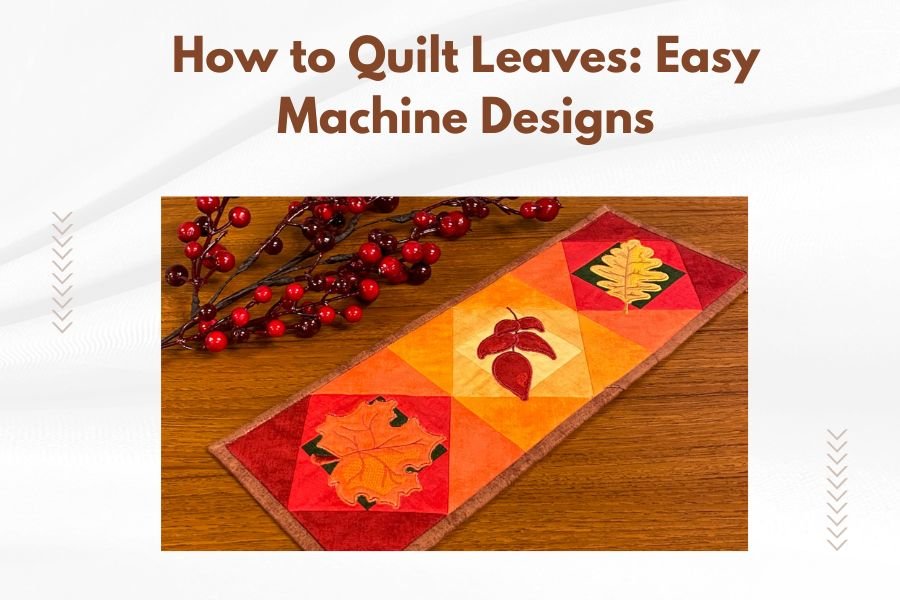
Machine quilting leaves involves using free-motion quilting or walking foot techniques to create leaf shapes, veins, and natural textures directly on your
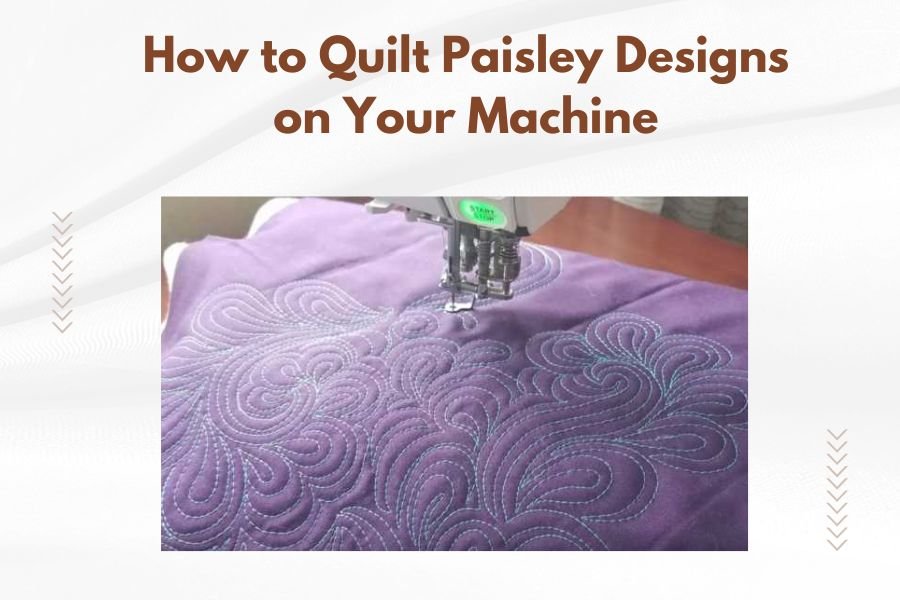
Machine quilting paisley designs requires using free-motion quilting techniques with proper thread tension and consistent hand movement patterns.
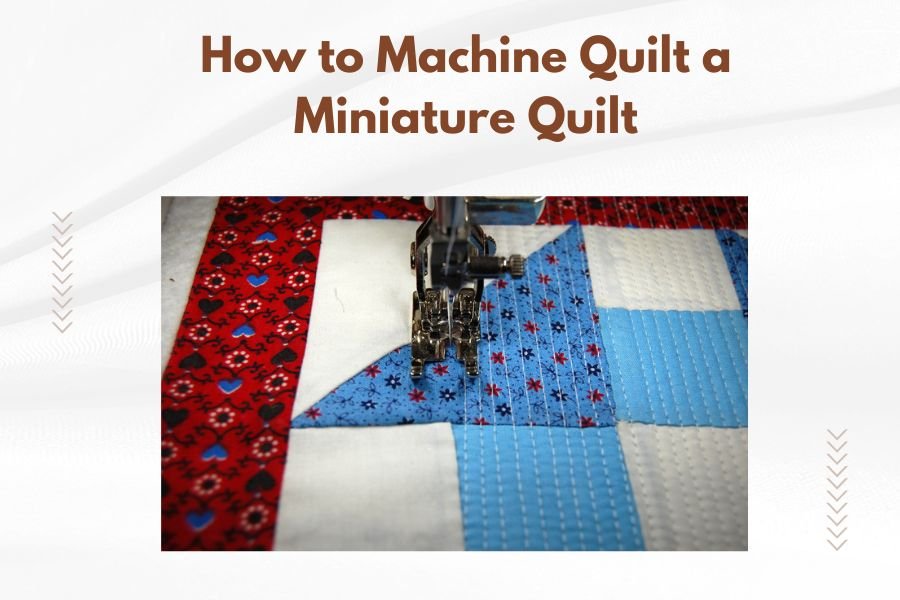
Machine quilting a miniature quilt requires using a shorter stitch length, reducing thread tension, and choosing lightweight batting to maintain proper scale
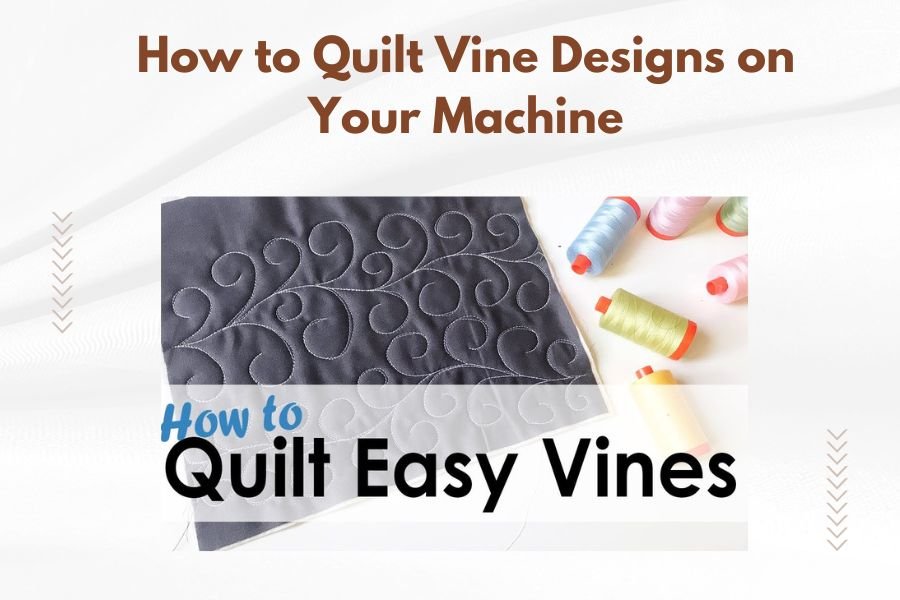
Quilting vine designs on your machine requires setting up a continuous curved pattern using either free-motion quilting or following marked templates with
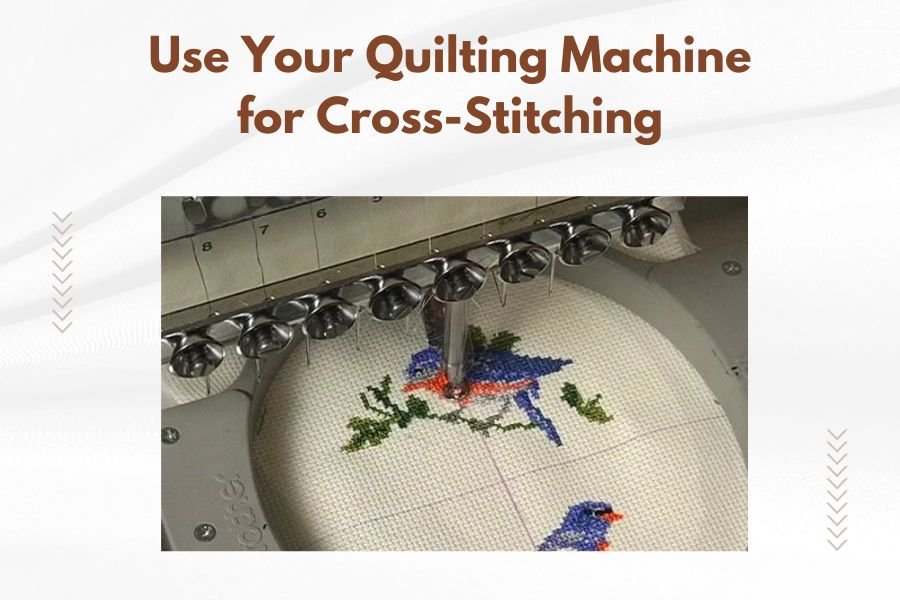
Yes, you can use your quilting machine for cross-stitching by adjusting the stitch settings and using the right attachments.
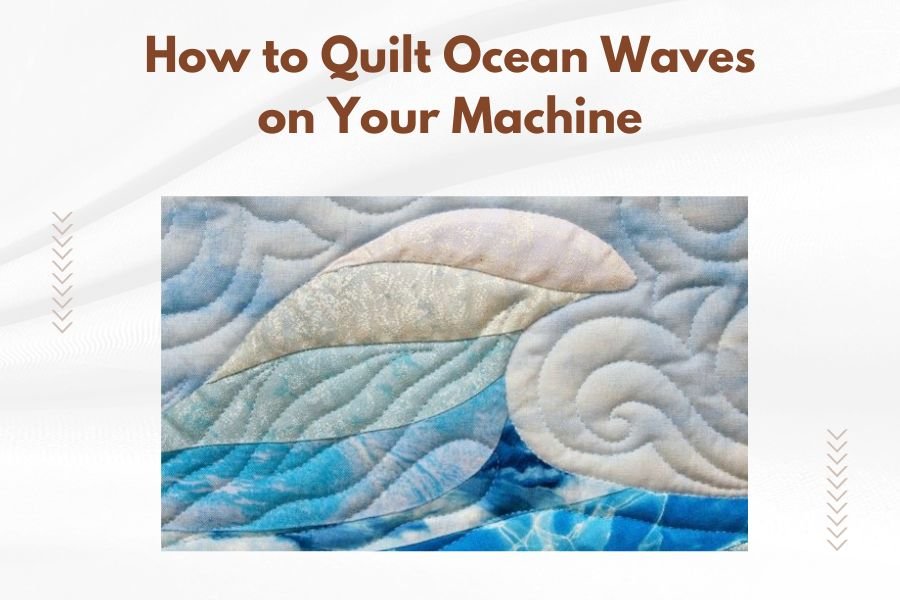
To quilt ocean waves on your machine, use a curved piecing technique with blue and white fabric strips sewn in gentle arcs, then layer and free-motion quilt
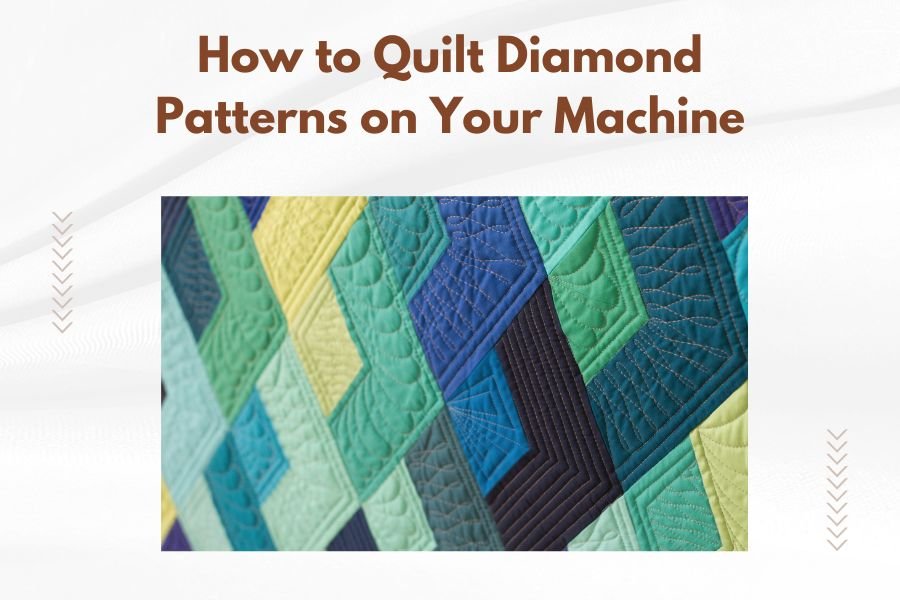
Diamond patterns on quilts create stunning geometric designs that you can easily machine quilt with the right setup and technique.
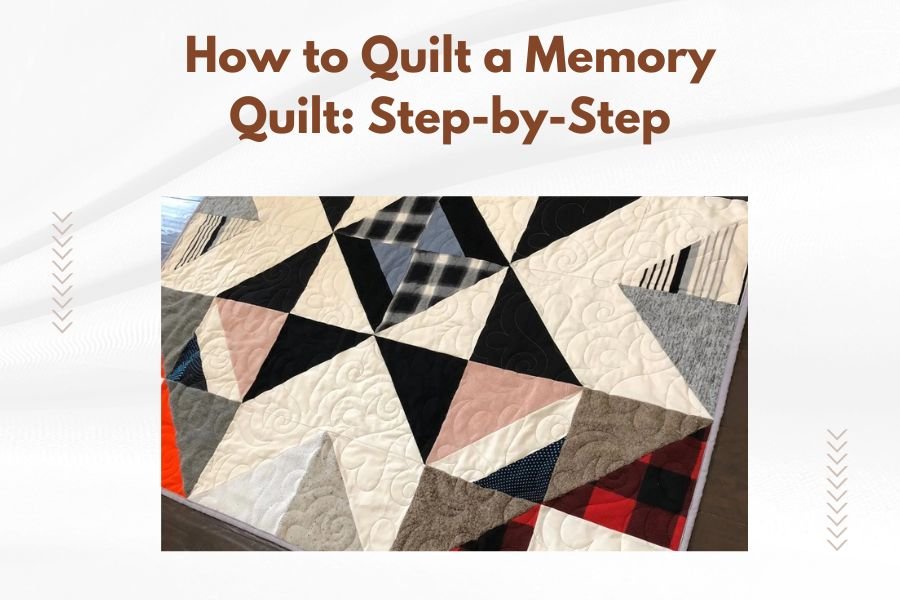
To quilt a memory quilt, start by gathering meaningful fabric pieces, creating a layout, and using basic quilting techniques to stitch the layers together
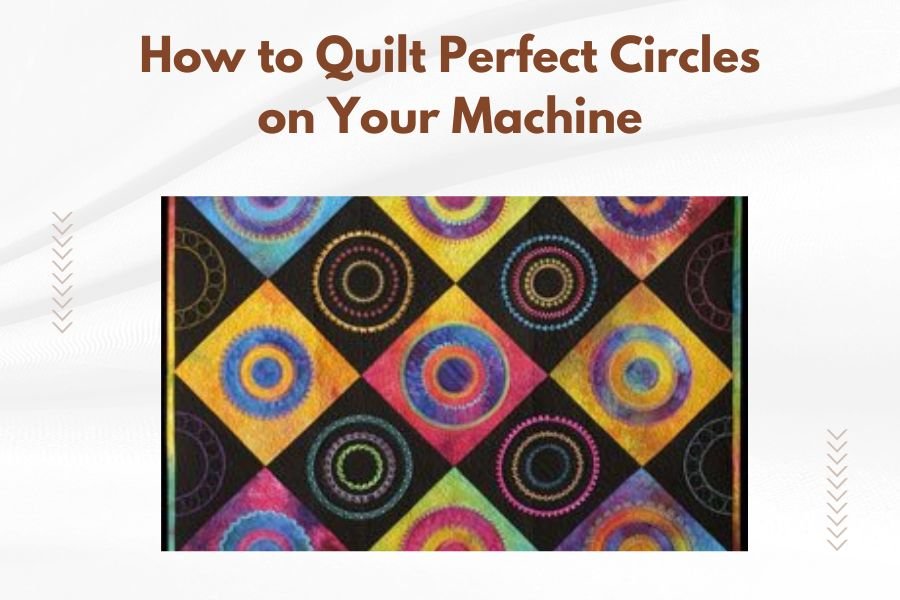
To quilt perfect circles on your machine, use a walking foot with circle templates or compass guides for even stitching and consistent curves.
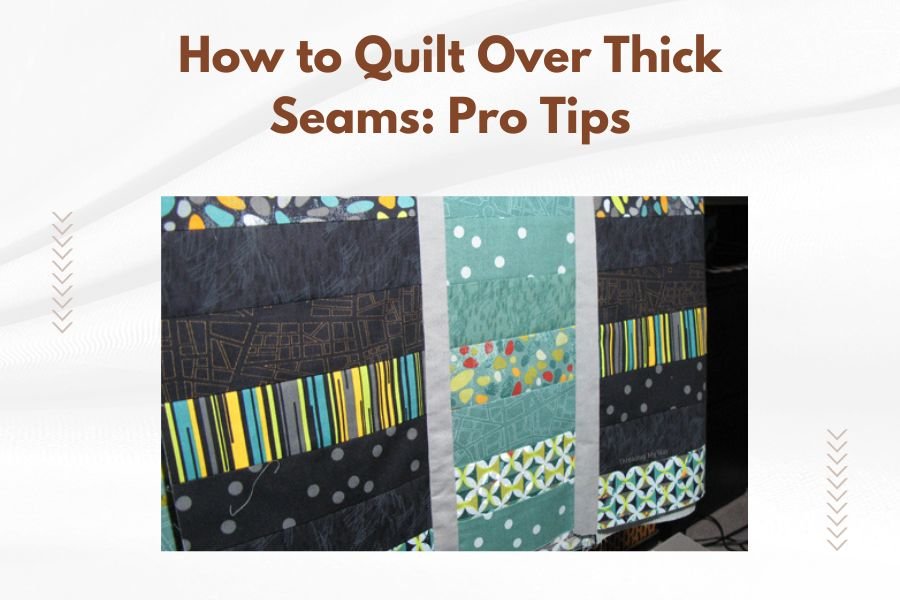
Learn how to quilt over thick seams with slower stitching, careful fabric support, and the right needle. Reduce skipped stitches and keep layers moving evenly.

You can quilt perfect scallops on your machine by using the right foot, setting proper tension, and following curved templates or built-in decorative stitches.
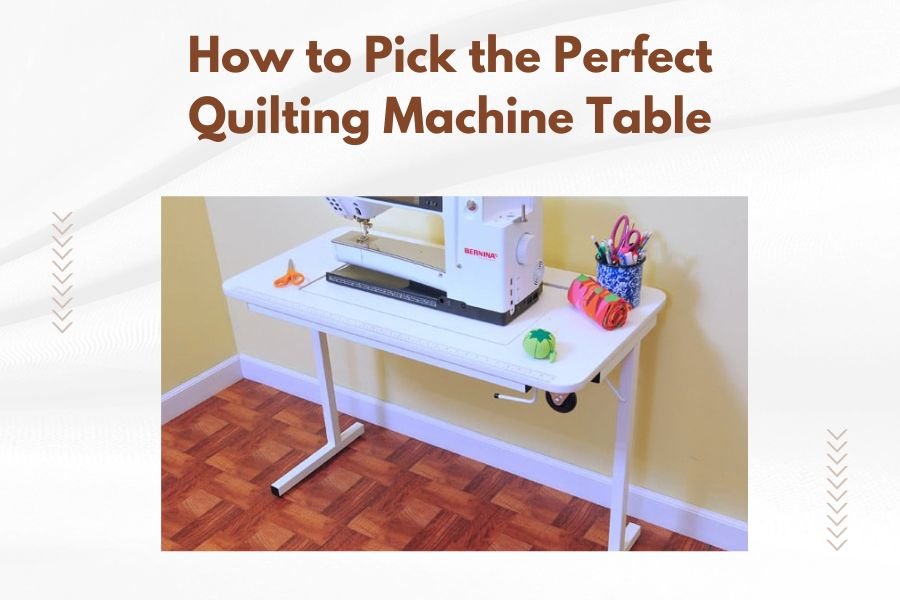
The perfect quilting machine table should have a large, stable surface that sits at the right height for comfortable quilting and matches your machine’s
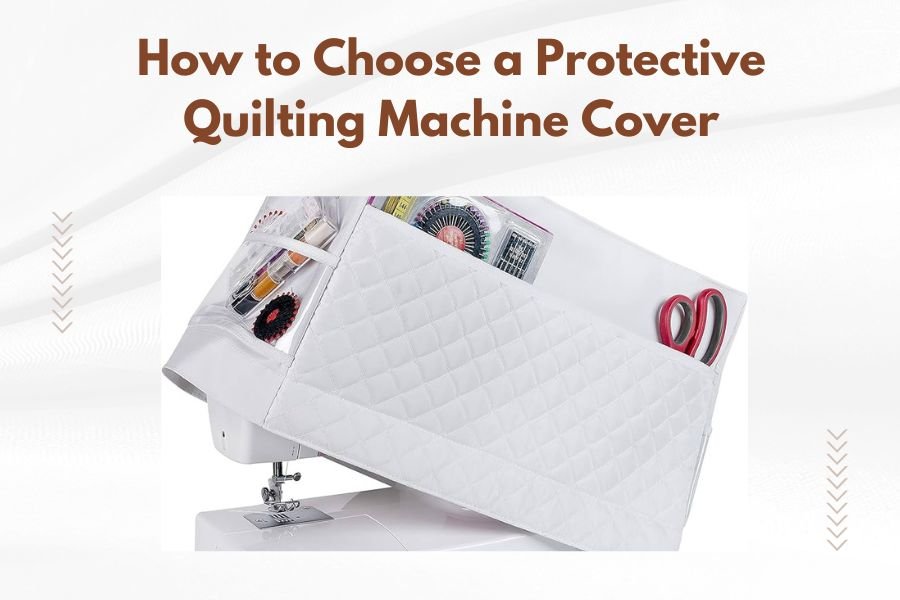
A good quilting machine cover should protect your machine from dust, moisture, and accidental damage while allowing easy access for regular use.
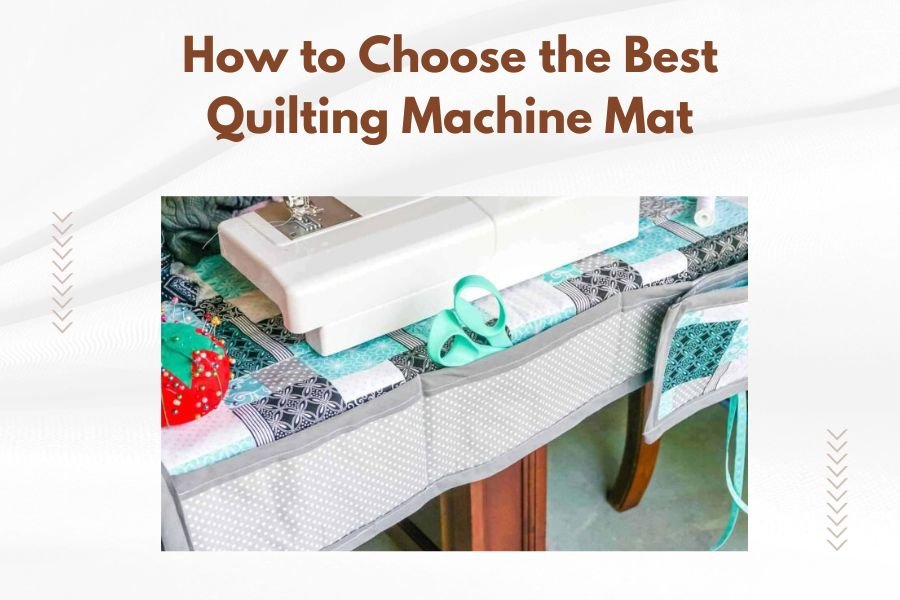
The best quilting machine mat should have a non-slip bottom, protect your table surface, and provide enough space for your specific quilting machine model.
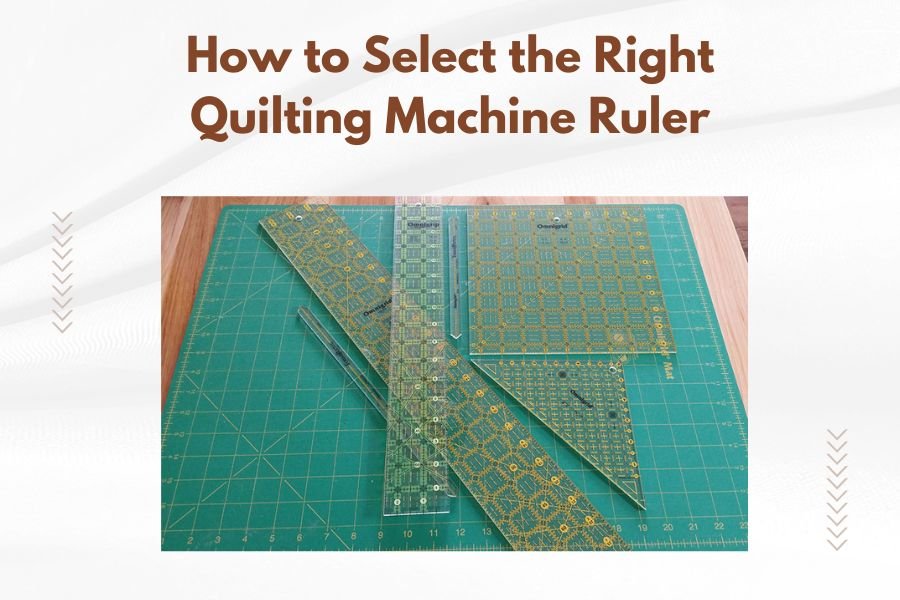
The right quilting machine ruler depends on your project type, machine size, and skill level – most beginners should start with straight-edge rulers and
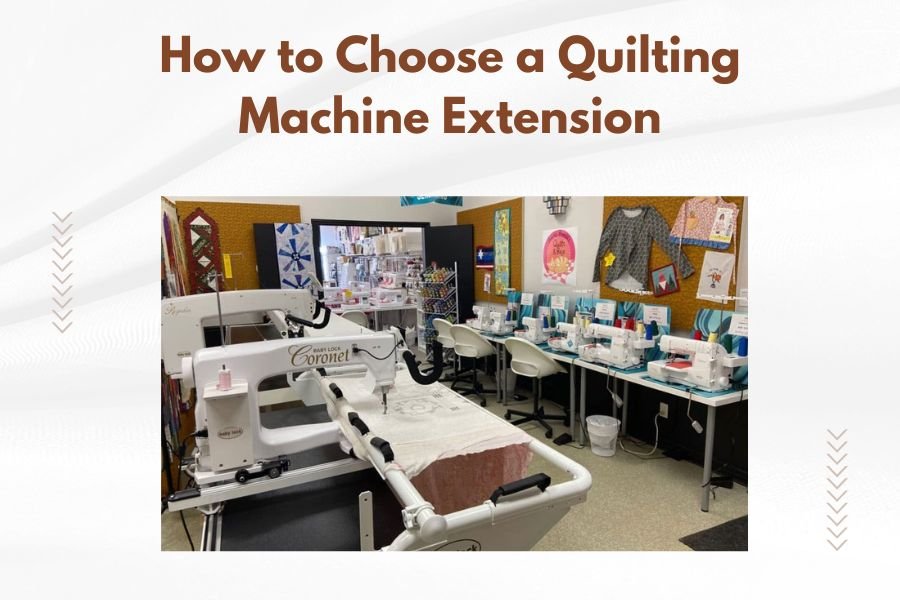
A quilting machine extension table provides additional workspace and support for large quilts, making it easier to maneuver fabric and maintain even stitching
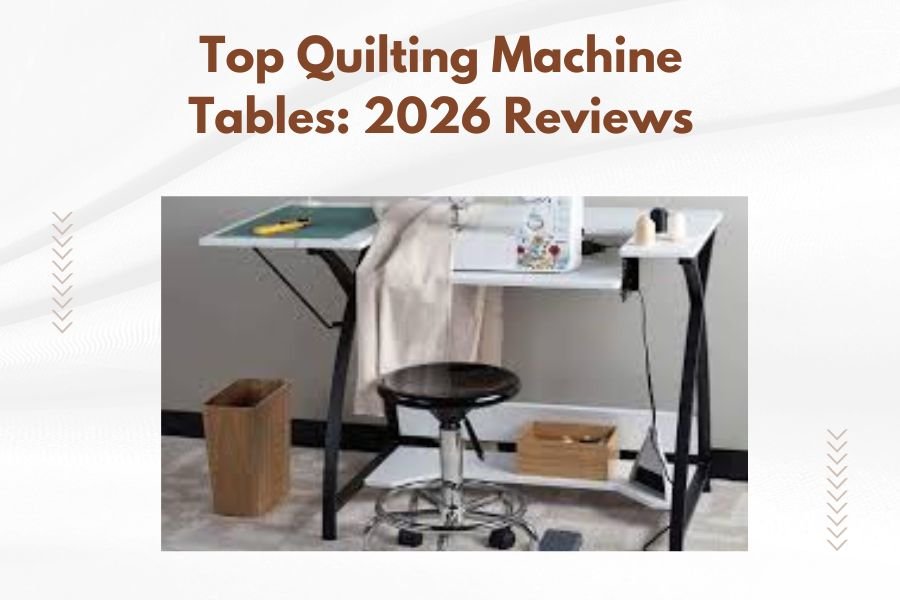
The best quilting machine tables in 2026 feature adjustable heights, sturdy construction, and ample workspace to support large quilts and heavy machines.
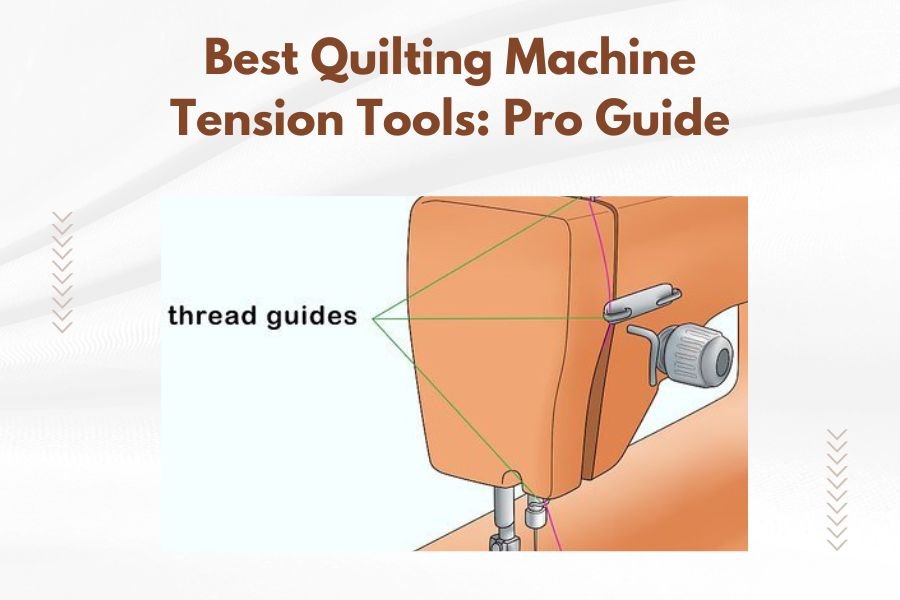
The best quilting machine tension tools include tension gauges, tension discs, bobbin case tension adjusters, and spring tension tools that help you achieve
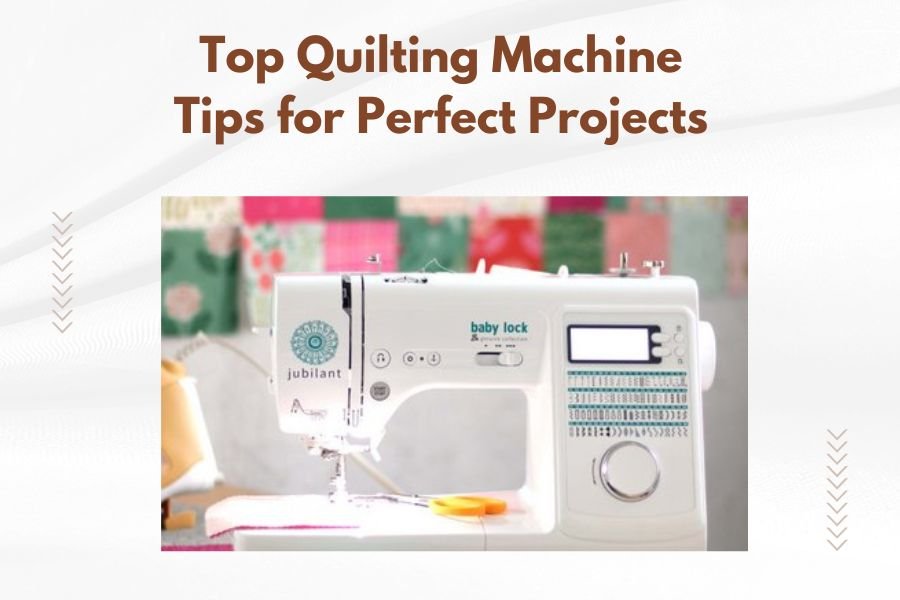
Perfect quilting machine results depend on proper tension settings, quality thread, and regular maintenance checks before each project.
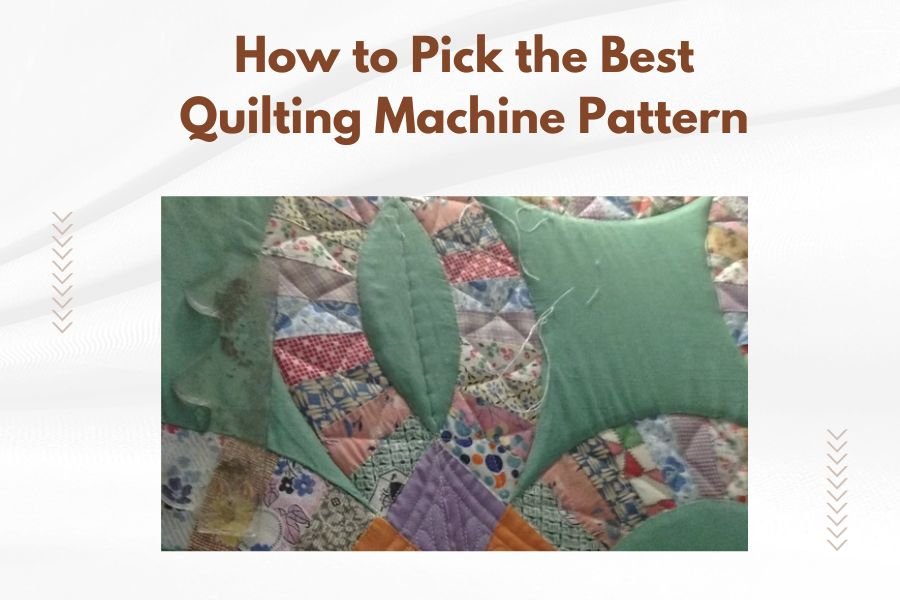
The best quilting machine pattern depends on your skill level, project type, and machine capabilities – beginners should start with simple geometric
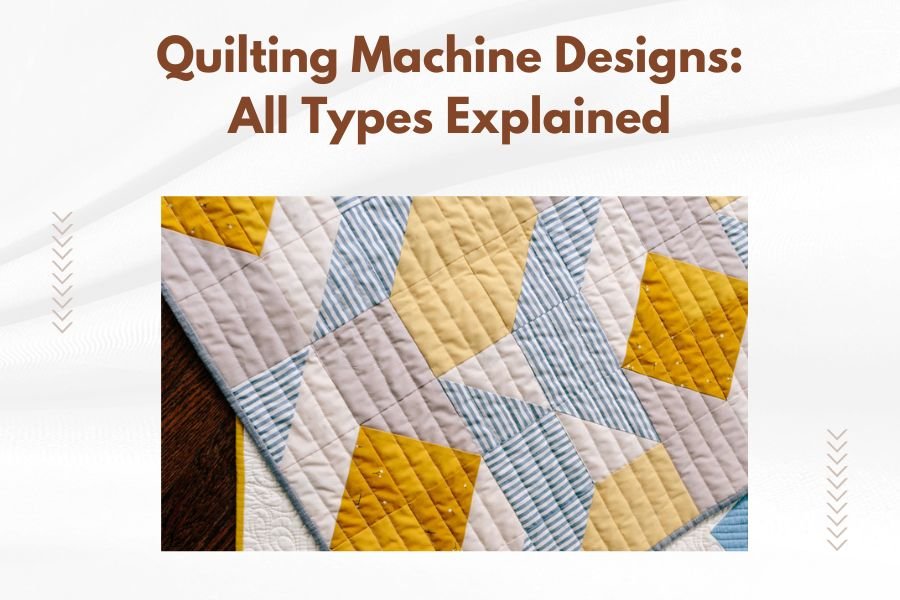
Compare quilting machine designs, including domestic, sit-down, midarm, longarm, and computerized types. Learn how size and features suit different projects.
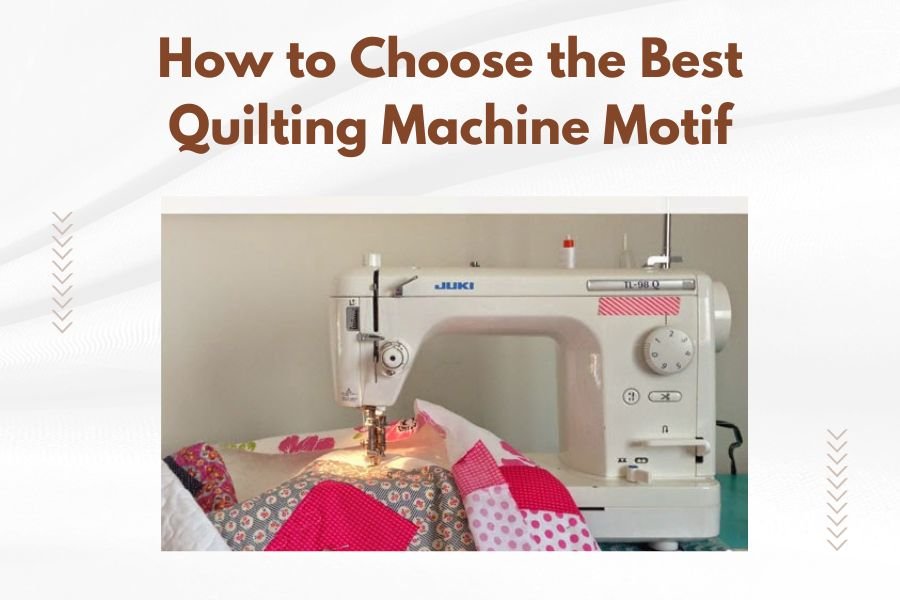
The best quilting machine motif depends on your skill level, project type, and machine capabilities - beginners should start with simple geometric patterns
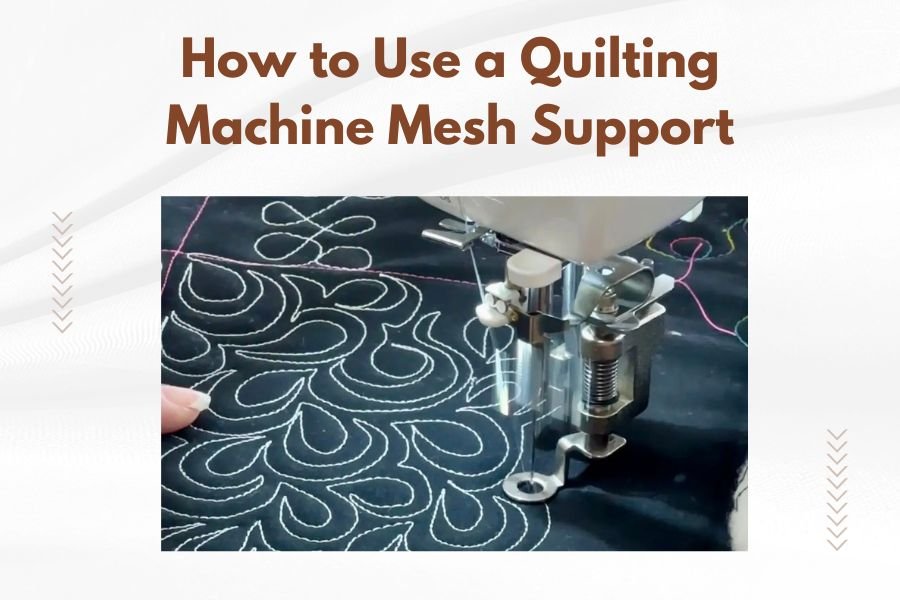
A quilting machine mesh support is a reinforcement panel that prevents fabric from drooping through the open spaces of your quilting machine table, ensuring
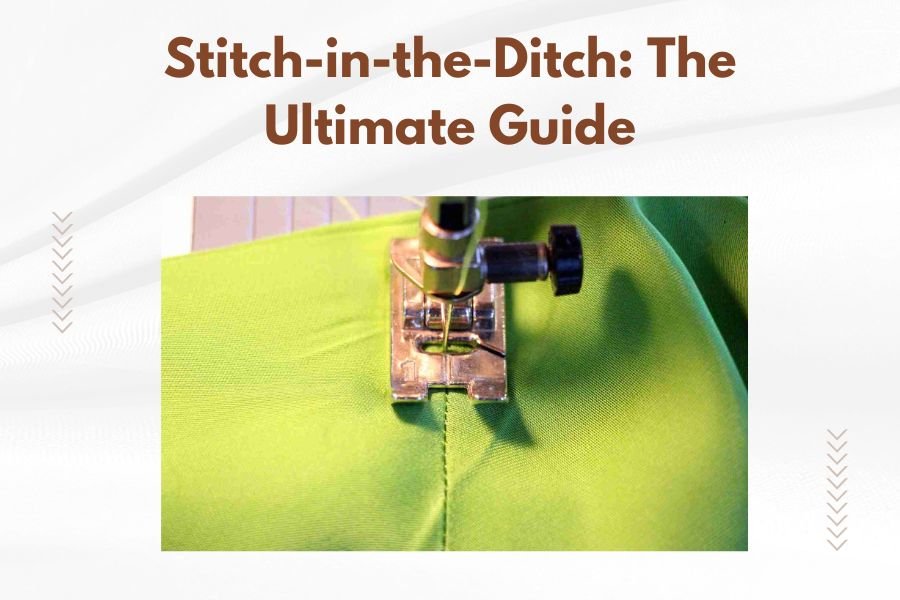
Stitch-in-the-ditch is a quilting technique where you sew directly in the seam lines between fabric pieces to secure quilt layers together invisibly.
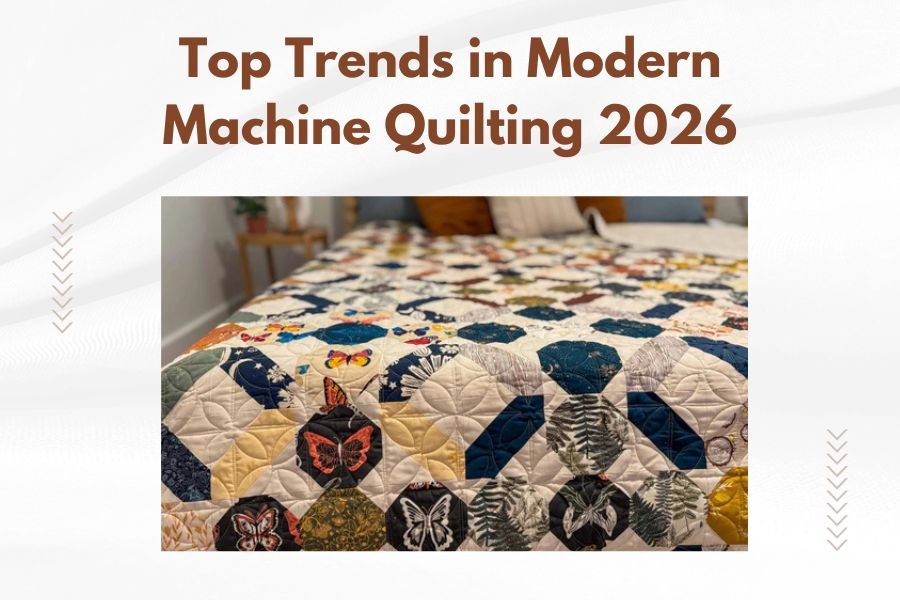
Modern machine quilting in 2026 focuses on smart technology integration, sustainable materials, and hybrid hand-machine techniques that blend traditional
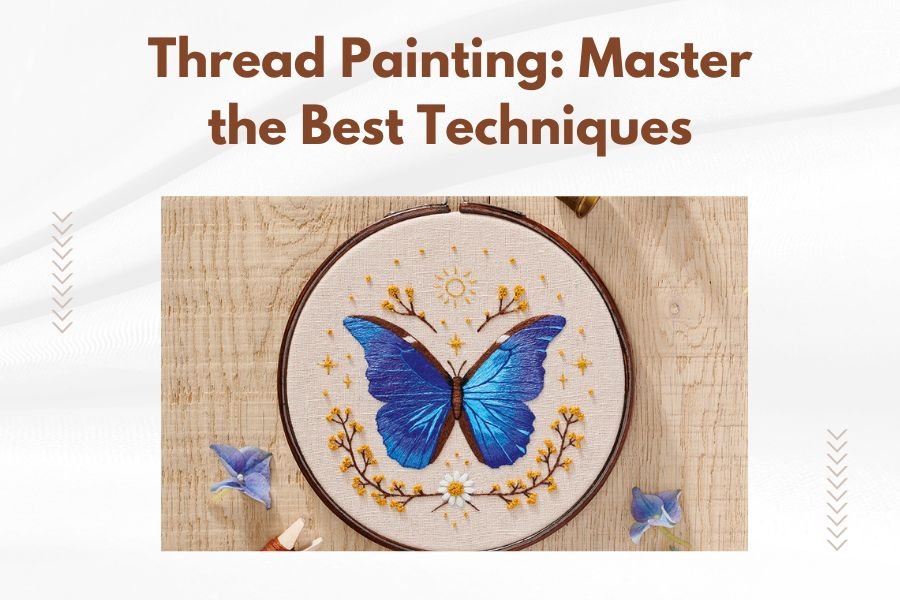
Thread painting is a machine embroidery technique that uses dense stitching to create painterly effects and realistic artwork. You layer thread colors and
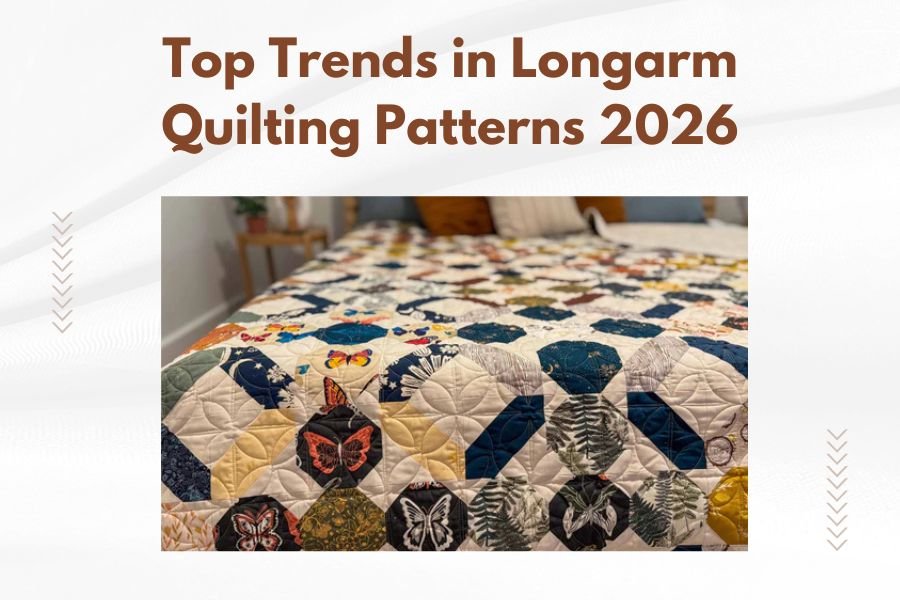
Longarm quilting patterns in 2026 are shifting toward bold geometric designs, nature-inspired motifs, and tech-assisted precision quilting that combines
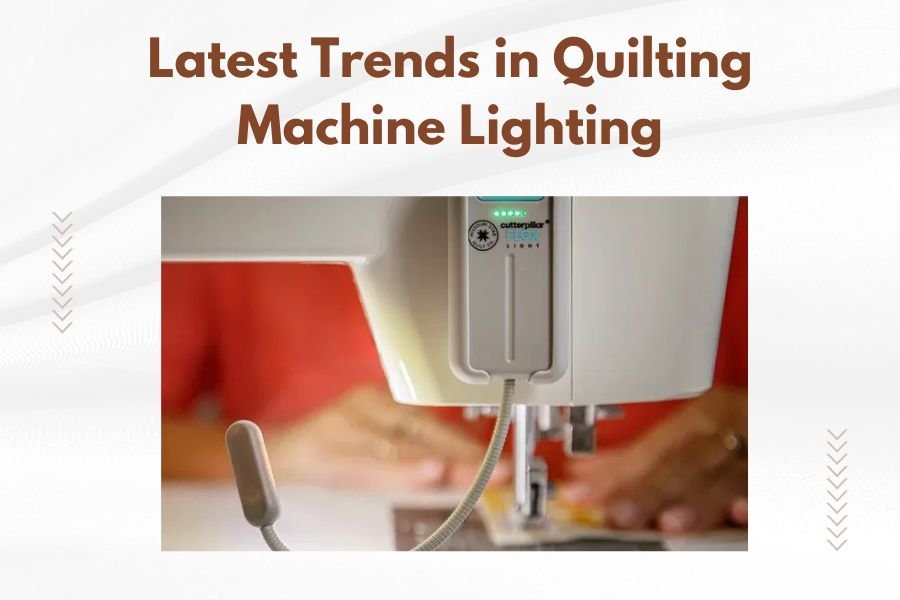
The latest trends in quilting machine lighting include integrated LED work lights, adjustable brightness controls, and color temperature settings that reduce
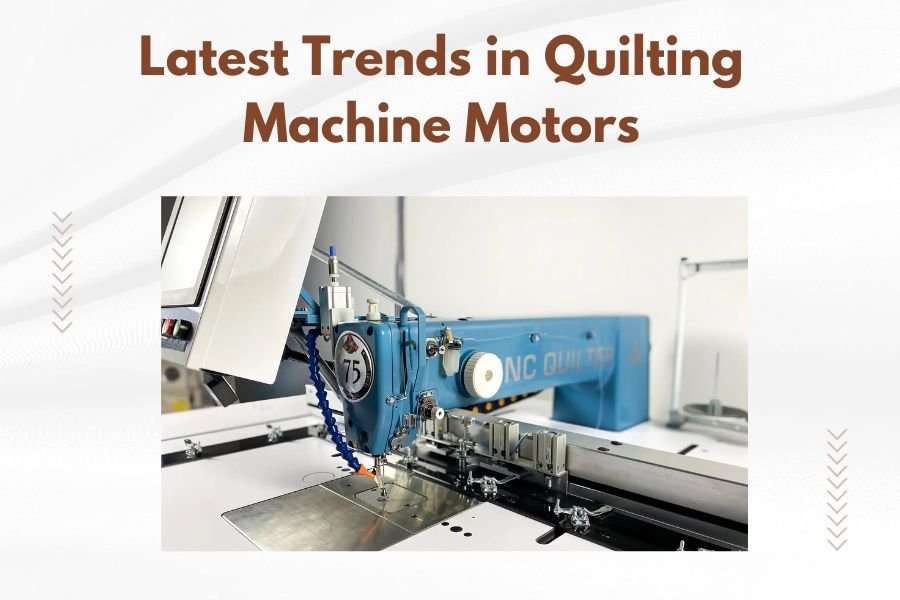
Modern quilting machine motors now feature brushless technology, servo systems, and smart controls that deliver precise stitching speeds and reduce noise by

2026 quilting machine patterns will focus on eco-friendly designs, mixed-media integration, and AI-assisted customization features that make complex patterns
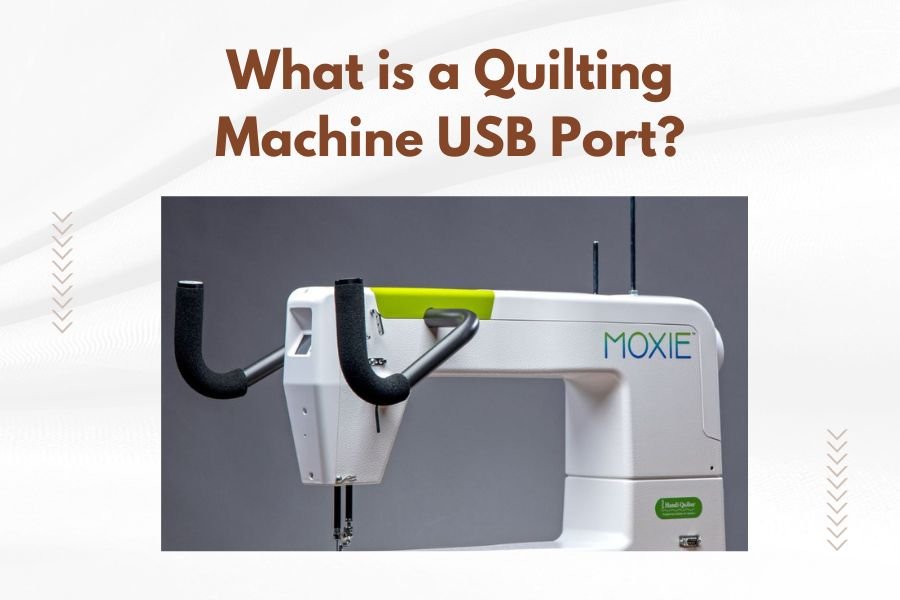
A quilting machine USB port is a digital connection that lets you transfer embroidery designs, patterns, and updates directly from your computer to your
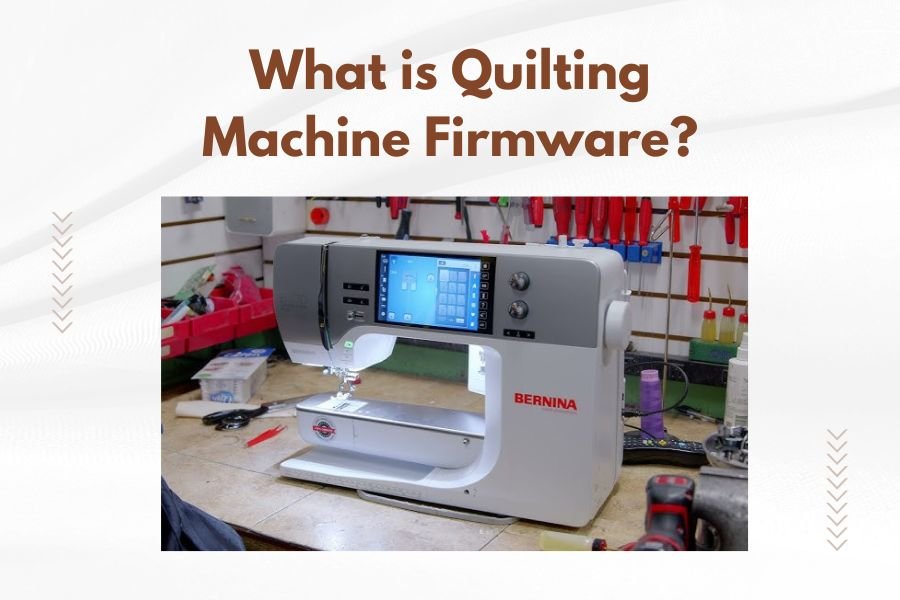
Quilting machine firmware is specialized software embedded in your machine's computer system that controls all its functions, from stitch patterns to motor
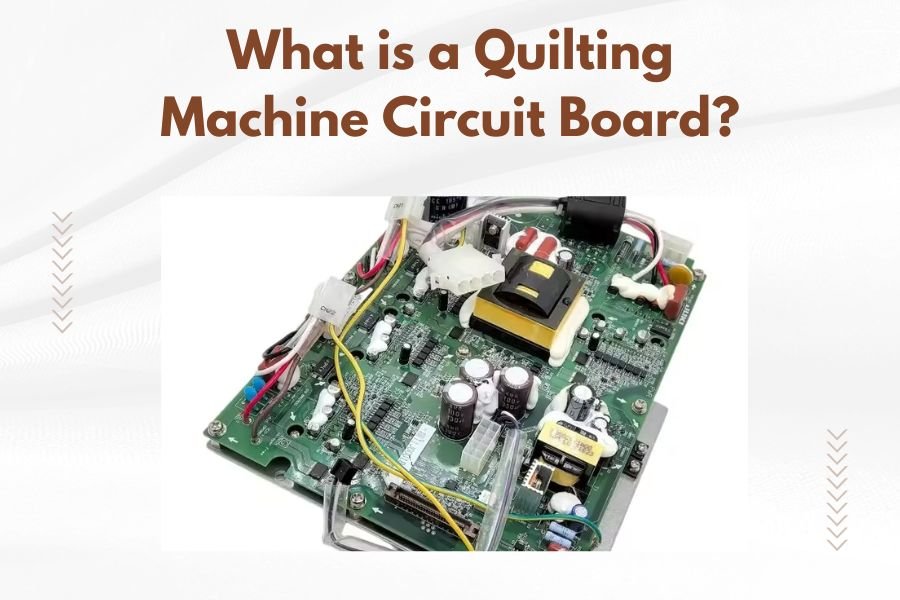
A quilting machine circuit board is the electronic brain that controls your machine’s motors, sensors, and display functions. It processes commands from
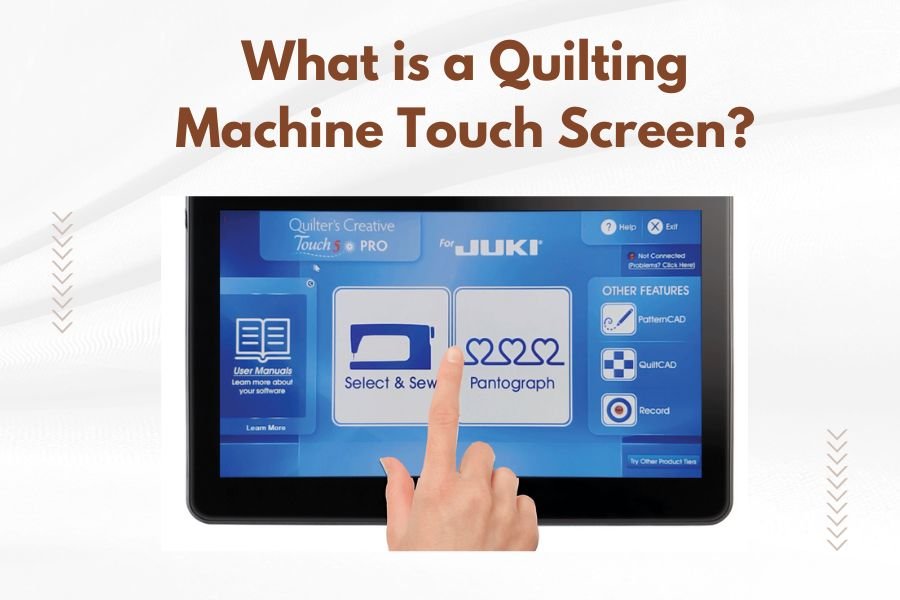
A quilting machine touch screen is a digital control panel that lets you operate modern computerized quilting machines through simple finger taps and