
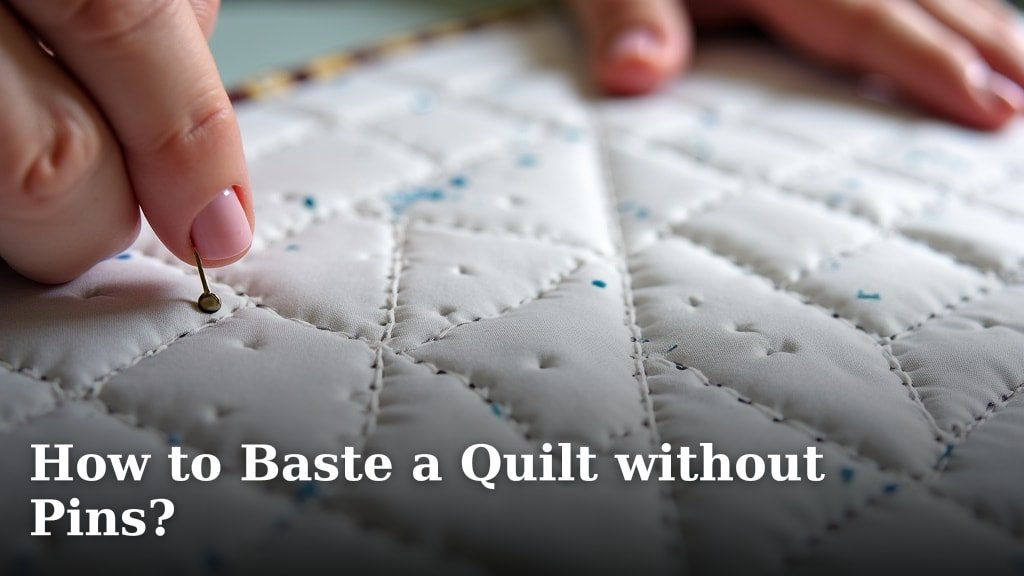
The easiest way to baste a quilt without pins is to use temporary spray adhesive, also known as quilt basting spray. This method creates a strong, yet temporary, bond between your quilt layers. You can also use fusible batting or consider a longarm quilter for a completely pin-free experience.
Are you tired of wrestling with countless safety pins? Many quilters find traditional pinning to be a tedious and time-consuming step. Using spray adhesive or fusible batting offers a convenient alternative that holds your quilt sandwich together securely. This means less hand strain and more time for the actual quilting!
- Discover simple, pin-free basting methods.
- Learn about quilt basting spray.
- Explore fusible batting options.
- Consider professional longarm services.
- Save time and effort on your quilting projects.
Let’s dive into these methods and show you exactly how to achieve a perfectly basted quilt without a single pin.
Mastering Pin-Free Quilt Basting Methods
Pin basting can be frustrating, leaving you with cramped hands and pucker marks. Luckily, we’ve found several fantastic alternatives to keep your quilt layers perfectly aligned without a single pin!
Spraying Your Way to a Quilted Sandwich
Quilt basting spray is a popular and easy-to-use alternative to pins. It creates a temporary, repositionable bond between your quilt top, batting, and backing. Think of it like a very light, washable glue stick for fabric.
Choosing the Right Basting Spray
Not all sprays are created equal! You’ll want a basting spray that is acid-free, non-toxic, and designed specifically for fabric. Look for brands that say “temporary bond” and “repositionable.” We’ve found that these sprays won’t gum up your needle or leave behind sticky residues after washing.
- Temporary and Repositionable: Ensures you can adjust layers if needed.
- Acid-Free and Non-Toxic: Safe for your fabrics and your health.
- No Residue: Washes out completely after quilting.
Preparing Your Quilt for Spray Basting
Before you start spraying, you need a clean, flat surface. This could be a large table, the floor, or even a design wall. Lay down a protective sheet, like an old bedsheet or a plastic drop cloth. This protects your surfaces from any overspray. Trust us, you don’t want sticky floors!
You’ll also want to make sure your quilt backing is several inches larger than your quilt top on all sides. This gives you plenty of wiggle room. Many quilters recommend at least 4-6 inches extra on each side.
The Spray Basting Process
Ready to spray? Here’s a simple step-by-step guide:
- Lay your backing fabric: Smooth your quilt backing down onto your protected surface, right side down. Use painter’s tape to secure the edges to prevent shifting. Pull it taut, but don’t stretch it out of shape.
- Add the batting: Carefully center your batting on top of the backing. Smooth out any wrinkles and make sure it lays flat.
- Lift and spray (section by section): Gently fold back half of your batting. Hold the spray can about 6-8 inches from the fabric. Apply a light, even mist over the exposed backing. Less is more here!
- Smooth it down: Unfold the batting over the sprayed area, smoothing it with your hands from the center outwards. Work slowly to avoid bubbles or wrinkles.
- Repeat for the other half: Fold back the unsprayed half of the batting, spray the remaining backing, and smooth the batting into place.
- Add the quilt top: Now, center your quilt top on top of the batting. Repeat the same lift, spray, and smooth process for the quilt top, working in sections.
Take your time with each step. A smooth, well-basted quilt means less frustration during quilting!
Fusible Batting: A Sticky Solution
Another excellent pin-free option is fusible batting. This type of batting has a heat-activated adhesive on one or both sides. It’s like magic – you iron it, and it sticks! This creates a very stable quilt sandwich that won’t shift.
How Fusible Batting Works
Fusible batting typically comes with a temporary adhesive that activates with the heat of an iron. You simply lay your quilt layers together, follow the manufacturer’s directions, and press with a warm iron. The heat melts the tiny adhesive dots, creating a bond.
Is Fusible Batting Right for Your Project?
Fusible batting is generally a great choice for smaller projects like table runners, wall hangings, or baby quilts. It can also be fantastic for art quilts where intricate details need to stay put. For very large quilts, it can be a bit more challenging to manage the ironing process evenly across the entire surface.
Here’s a quick comparison of spray vs. fusible basting:
| Feature | Spray Basting | Fusible Batting |
|---|---|---|
| Application | Spray mist | Ironing heat |
| Process Time | Quicker for large projects | Longer, especially for large quilts |
| Repositionable? | Yes, before bonding sets | Less so, once bonded |
| Mess Factor | Some overspray risk | No spray mess |
| Project Size | Good for all sizes | Best for small to medium |
Considering a Professional Longarm Quilter
If you have a large quilt, limited space, or just want to skip the basting altogether, a professional longarm quilter is an amazing solution. They will not only baste your quilt but also do the actual quilting! This is a completely hands-off basting experience for you.
The Benefits of Longarm Services
When you use a longarm quilter, they load your quilt top, batting, and backing onto a special frame. This frame keeps all three layers perfectly flat and smooth, so no pins or spray are needed for basting. They then use a large machine to quilt your project. Many quilters find this a great way to handle large quilts (National Quilting Association). It also allows for complex quilting designs that might be difficult to do on a home machine.
Preparing Your Quilt for a Longarmer
Even though they do the basting, you still have some prep work. We found these common recommendations:
- Square up your quilt top: Make sure your quilt top is uniformly square.
- Press well: Ensure seams are flat and smooth.
- Trim loose threads: Stray threads can show through lighter fabrics.
- Backing and batting size: The backing and batting must be at least 6-8 inches larger than the quilt top on all four sides. This extra fabric is essential for the longarm machine to properly load and tension your quilt.
Tips for a Perfect Pin-Free Baste
No matter which pin-free method you choose, a few general tips can help ensure success:
- Work on a flat surface: Always ensure your workspace is level and free of bumps.
- Start from the center: When smoothing layers, always work from the center outwards to push out air bubbles and wrinkles.
- Take your time: Rushing can lead to wrinkles and shifting layers, which will show up in your finished quilting.
- Use good lighting: Good light helps you spot any imperfections in the layering.
- Test an area: If using spray or fusible batting for the first time, try a small test first on scraps of your fabric and batting.
You’ll be amazed at how much easier and more enjoyable quilting can be when you ditch the pins! Experiment with these methods and find what works best for your quilting style.
Conclusion
You’ve now explored several excellent methods for basting your next quilt without relying on pins. Whether you choose the efficiency of a temporary spray adhesive, the satisfying bond of fusible batting, or the professional approach of a longarm quilter, you have viable options. We found each method offers unique advantages, helping you ditch the tedious pinning process. Taking the time to prepare your layers correctly, no matter the method, will lead to a much smoother quilting experience. Find the solution that best fits your project and enjoy creating with less fuss!
Frequently Asked Questions
Is quilt basting spray permanent?
No, quilt basting spray is designed to be temporary. It creates a secure but repositionable bond that typically washes out completely once your quilt is finished and laundered. Always look for sprays labeled “temporary adhesion” and “acid-free.”
Can I use fusible batting for any size quilt?
While versatile, fusible batting works best for small to medium-sized projects like wall hangings or baby quilts. For very large quilts, it can be challenging to achieve an even, wrinkle-free application across the entire surface using an iron. Spray basting or longarm services are often more practical for bigger quilts.
What if I get wrinkles when spray basting?
If you notice wrinkles or bubbles while spray basting, gently lift the affected section and reposition it. The temporary nature of the spray allows for adjustments before it fully sets. Work slowly from the center outwards to minimize wrinkles.
How much extra backing and batting do I need for a longarmer?
When sending your quilt to a professional longarmer, you generally need your backing and batting to be at least 6-8 inches larger than your quilt top on all four sides. This extra fabric provides enough material for the longarm machine to properly load and secure your quilt.
Are there any downsides to not using pins for basting?
The main challenge of pin-free basting is ensuring a perfectly smooth, flat application, especially with sprays or fusible batting. Overspray can be messy if you don’t protect your surfaces. However, with practice, these methods often save time and effort compared to traditional pinning.
