
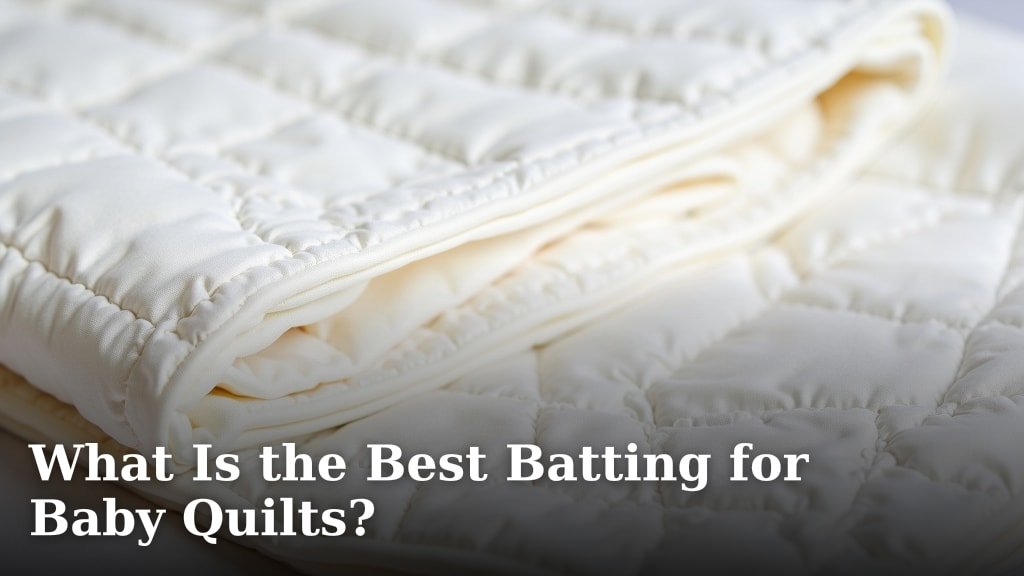
The best batting for baby quilts is a blend of cotton and bamboo, offering the perfect mix of softness, breathability, and durability. We found this combination provides a comfortable and safe option for your little one, holding up well to frequent washes.
You want a batting that feels gentle against a baby’s delicate skin, right? We found that natural fibers like cotton and bamboo are ideal because they are less likely to cause irritation. They also help regulate temperature, keeping your baby cozy but not too hot.
- Choose a natural fiber blend.
- Cotton/bamboo offers softness and breathability.
- Look for hypoallergenic properties.
- Consider ease of washing and durability.
- Avoid thick, heavy battings.
Ready to pick the perfect batting for your next baby quilt project? Let’s explore why these materials stand out and help you make an informed choice.
Choosing the Right Batting for Your Baby’s Quilt
You’re looking for the ideal batting to make a quilt that’s safe, soft, and durable for a baby. Our research shows that a natural fiber blend, especially cotton and bamboo, offers the best balance of these qualities.
Making a baby quilt is an act of love, and every material choice matters. The right batting ensures comfort and safety, while the wrong one can lead to discomfort or even allergic reactions. So, let’s dive in and make an informed decision together.
Why Natural Fibers Are Best for Baby Quilts
When it comes to baby items, natural is often better. This holds true for quilt batting. Natural fibers are generally more breathable, softer, and less likely to irritate delicate skin than synthetic options.
We found that natural fibers help regulate body temperature. This means your baby stays cozy without overheating, which is a key safety consideration (American Academy of Pediatrics).
The Benefits of Cotton Batting
Cotton is a popular choice for quilters, and for good reason. It’s soft, breathable, and readily available. It drapes beautifully and gives your quilt that classic, crinkly texture after washing.
Pure cotton batting is also known for being hypoallergenic. This is a big plus when making items for babies who might have sensitive skin or allergies. It’s a natural fiber that washes well and stands up to frequent use.
The Advantages of Bamboo Batting
Bamboo batting is a newer player in the quilting world, but it’s quickly gaining popularity. It’s incredibly soft, even silkier than cotton, and has excellent drape. It feels luxurious against the skin.
What’s more, bamboo is naturally anti-bacterial and breathable. It wicks moisture away, helping to keep your baby dry and comfortable. We found it’s also a very sustainable option, which many parents appreciate.
The Power of a Cotton/Bamboo Blend
While both cotton and bamboo are great on their own, a blend of the two creates a truly superior batting. This combination gives you the best of both worlds.
You get the familiar softness and stability of cotton, paired with the luxurious feel and moisture-wicking properties of bamboo. It results in a batting that is soft, breathable, and incredibly comfortable for your little one.
A blended batting often has a lovely drape, making the quilt feel less stiff and more snuggly. It’s also durable enough to withstand countless washes, which is essential for any baby item.
What About Other Batting Materials?
You might see other types of batting available, and you might wonder if they’re suitable. Let’s look at why some common options might not be the best fit for baby quilts.
Synthetic Batting (Polyester)
Polyester batting is often cheaper and readily available. It holds its shape well and is often lightweight. However, we generally advise against 100% polyester for baby quilts.
The main reason is breathability. Polyester tends to be less breathable than natural fibers, which can lead to a baby overheating. It can also sometimes feel less soft and more “plastic-y.” While it’s durable, it just doesn’t offer the same comfort as natural blends.
Wool Batting
Wool is a natural fiber and is very warm. It’s also breathable and can regulate temperature well. However, it can sometimes be too warm for a baby quilt, especially in milder climates or for indoor use.
Some babies can also have sensitivities to wool, and it can be more challenging to wash. While fine for adult quilts, we found it’s not the first choice for tiny humans.
Silk Batting
Silk batting is incredibly soft and luxurious, and it’s also breathable. It’s lovely to work with. However, it’s also usually the most expensive option.
For a baby quilt that will be washed frequently, the cost of silk batting can be prohibitive. While it offers wonderful qualities, we found that the cotton/bamboo blend offers similar benefits at a much more accessible price point.
Key Considerations When Choosing Batting
Beyond the fiber type, there are a few other important factors to keep in mind when selecting batting for your baby quilt project. These will ensure your quilt is safe, practical, and beautiful.
Loft and Thickness
Loft refers to the thickness or puffiness of the batting. For baby quilts, you generally want a low-loft batting. This means it’s thin and not too bulky.
A thinner batting makes the quilt lighter and more flexible, which is safer for a baby. We found that thick, puffy quilts can pose a suffocation risk and are harder for little hands to manage. Aim for a thin, soft drape.
Ease of Care and Washing
Baby quilts get dirty, often very dirty! This means you need batting that can stand up to frequent washing and drying without clumping or deteriorating. This is where cotton and bamboo blends shine.
Always check the care instructions on the batting package. You want something that can be machine washed and dried on a gentle cycle. This makes life much easier for busy parents.
Drapability and Feel
A good baby quilt should be soft and flexible, not stiff like a board. The batting contributes significantly to the overall feel and drape of the finished quilt. You want it to cuddle around the baby, not lie flat and rigid.
Cotton and bamboo blends are known for their excellent drape. They create a quilt that feels inviting and comfortable, perfect for snuggling or tummy time.
Comparing Batting Options for Baby Quilts
To help you visualize the differences, here’s a quick comparison of the most common batting types when considering them for a baby quilt.
| Batting Type | Pros for Baby Quilts | Cons for Baby Quilts |
|---|---|---|
| Cotton | Breathable, soft, hypoallergenic, washes well, good drape. | Can be a bit heavy if 100% thick cotton. |
| Bamboo | Very soft, breathable, moisture-wicking, anti-bacterial, eco-friendly. | Can be more expensive than cotton, sometimes too drapey. |
| Cotton/Bamboo Blend | BEST OVERALL: Soft, breathable, great drape, durable, washes well, hypoallergenic. | Slightly more expensive than 100% cotton, but worth it. |
| Polyester | Inexpensive, holds shape. | Less breathable, can cause overheating, less soft, not natural. |
| Wool | Warm, breathable, good temperature regulation. | Can be too warm, potential for allergies, harder to wash. |
| Silk | Extremely soft, luxurious, breathable. | Very expensive, may require delicate washing, not ideal for heavy use. |
Your Checklist for Baby Quilt Batting Success
Before you make your final purchase, run through this quick checklist. It will help ensure you’re picking the absolute best batting for your precious baby quilt project.
- Is it a natural fiber blend, ideally cotton/bamboo?
- Does it state it’s hypoallergenic or good for sensitive skin?
- Is it a low-loft (thin) batting?
- Are the care instructions clear, allowing for machine washing and drying?
- Does it feel soft and pliable, with good drape?
By keeping these points in mind, you’ll be well on your way to creating a beautiful, safe, and comfortable quilt that your little one will cherish for years. You’ve got this!
Conclusion
Choosing the best batting for your baby quilt doesn’t have to be complicated. Our research consistently points to a cotton/bamboo blend as the superior choice. This blend gives you unmatched softness, breathability, and durability, all crucial for a baby’s delicate skin.
You’ll create a quilt that’s safe, cozy, and easy to care for, standing up to countless washes. Now, confidently select your batting, knowing you’re making the very best decision for your little one’s comfort and safety.
Frequently Asked Questions
What is the safest batting for a newborn’s quilt?
For newborns, the safest batting is a thin, low-loft natural fiber blend like cotton and bamboo. This combination is breathable and helps regulate temperature, preventing overheating. Look for hypoallergenic options to protect sensitive skin.
Can I use pre-quilted fabric instead of batting for a baby quilt?
While convenient, pre-quilted fabric can be stiff and less pliable than a quilt made with separate batting. It may not offer the same softness or drape. If you use it, ensure it’s a natural fiber for breathability and comfort.
How thick should batting be for a baby quilt?
You want a low-loft, thin batting for baby quilts. This makes the quilt lightweight and flexible, which is safer and more comfortable for a baby. Avoid bulky, high-loft options that can be heavy or rigid.
Does batting need to be pre-washed before making a baby quilt?
It’s generally not necessary to pre-wash batting. However, if you are concerned about shrinkage or want to ensure maximum softness from the start, you can pre-wash cotton or bamboo batting according to manufacturer instructions. Always pre-wash your fabric, though!
Where can I buy cotton/bamboo blend batting?
You can find cotton/bamboo blend batting at most local quilt shops, large craft stores, and online retailers specializing in quilting supplies. Check the packaging to confirm the fiber content and loft before purchasing.
