
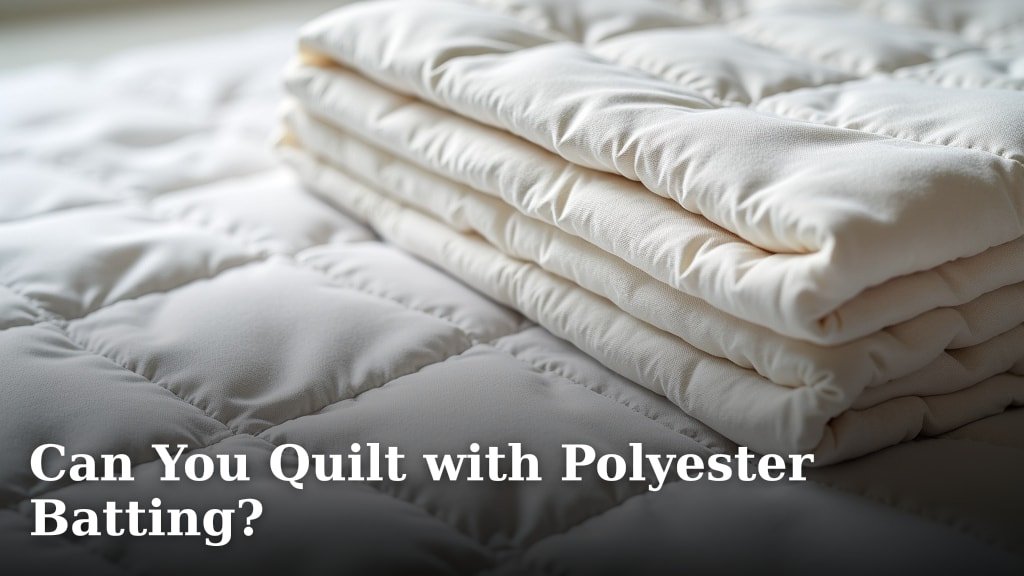
Yes, you absolutely can quilt with polyester batting. It’s a popular and versatile choice for many quilters, offering great results and ease of use. You’ll find it readily available in many craft stores.
Many quilters choose polyester batting for its lightweight feel and excellent loft. It holds its shape well and is often more affordable than other types of batting. We’ve found it’s a great option for blankets and other cozy projects.
- Polyester batting is a good, versatile choice for quilting.
- It’s lightweight and keeps its shape well.
- You’ll find it’s budget-friendly.
- It’s easy to care for and durable.
Ready to learn more about quilting with this common material? Let’s dive into all the details you need to know to make your next project a success.
Understanding Polyester Batting in Quilting
Polyester batting is a synthetic fiber, often made from recycled plastic bottles, that provides the middle layer in your quilt sandwich. It’s known for its durability and resistance to mildew. Many quilters choose it for its consistent loft and easy care.
What Exactly is Polyester Batting?
Polyester batting is a manufactured material. It’s created by bonding polyester fibers together. This bonding can be done with heat, chemicals, or needles. Each method gives the batting slightly different qualities, which you’ll notice when you touch it.
It’s often seen as a practical and budget-friendly option. You’ll find it in various thicknesses, which we call “loft.” Higher loft means a puffier quilt, while lower loft creates a flatter, more drapeable finish. The loft stays consistent, even after many washes, which is a big plus.
The Benefits of Using Polyester Batting
Why do so many quilters reach for polyester batting? Well, there are several compelling reasons. We’ve found that its advantages make it a go-to for many types of projects, especially those meant for everyday use.
Ease of Use and Durability
You’ll discover polyester batting is very easy to work with. It doesn’t shed fibers like some natural battings can. This means less mess on your sewing machine and in your quilting studio. It also holds its shape wonderfully, even with intricate quilting designs.
Durability is another key feature. Polyester batting stands up well to frequent washing and drying. This makes it perfect for children’s quilts, pet blankets, or anything that needs regular cleaning. It resists shrinking and stretching, maintaining the quilt’s integrity for years.
Loft and Warmth Factors
Polyester is excellent for adding warmth without adding excessive weight. The fibers trap air effectively, providing good insulation. You can choose from low-loft for lightweight quilts or high-loft for extra puffy, cozy warmth. This versatility lets you tailor the feel of your quilt.
The “puffiness” or loft of polyester batting is a distinguishing characteristic. It gives quilts that classic, soft, cloud-like appearance. If you love a quilt with dimension and texture, polyester can certainly deliver on that front.
Hypoallergenic and Mildew Resistant
Are allergies a concern for you or your loved ones? Polyester batting is a great choice because it’s naturally hypoallergenic. It doesn’t harbor dust mites as easily as some natural fibers. This makes it a safer option for those with sensitivities.
It also resists mildew, which is a major advantage, especially in humid climates. This means your quilt stays fresh and clean. You won’t have to worry as much about unpleasant odors or fabric degradation over time.
Potential Downsides of Polyester Batting
While polyester batting offers many positives, it’s fair to say it’s not always the perfect fit for every project. Knowing its potential drawbacks helps you make an informed decision for your quilt.
Breathability Concerns
One common concern with polyester is its breathability. Because it’s a synthetic fiber, it doesn’t “breathe” as well as natural fibers like cotton or wool. This means it might feel warmer or less airy, especially in warmer climates.
If you’re making a lightweight summer quilt, you might prefer a cotton or bamboo batting. However, for a cozy winter comforter, the warmth of polyester is often seen as a benefit. It really depends on the quilt’s intended use.
Drapability and Weight
Some quilters find that polyester batting can feel a bit stiffer than natural fibers, especially in higher lofts. This can affect the drape of your quilt. A very puffy polyester quilt might not fall as softly or fluidly as one made with cotton.
While polyester is lightweight for its warmth, some find that extremely high-loft versions can make a quilt feel a bit bulkier. If you’re aiming for a very soft, fluid, and lightweight quilt that drapes closely around you, you might want to consider a blend or a natural fiber instead.
Bearding and Migration
Have you ever seen little fibers poking through the fabric of a quilt? This is called “bearding” or “migration.” It can sometimes happen with polyester batting, especially if the quilt top or backing fabric has a loose weave.
To minimize bearding, choose a polyester batting that is needle-punched or resin-bonded. Also, using a tightly woven fabric for your quilt top and backing can help. We’ve found that a good quality batting and appropriate fabrics can largely prevent this issue.
Choosing the Right Polyester Batting for Your Project
Not all polyester battings are created equal! You’ll find a variety of options on the market, each with slightly different characteristics. Knowing what to look for will help you pick the best one for your quilting journey.
Loft and Density Considerations
The “loft” refers to the thickness of the batting. High-loft batting creates a puffy, cloud-like quilt, while low-loft batting results in a flatter, more traditional look. Consider what kind of finished appearance you want for your quilt.
Density is also important. Some polyester battings are very dense, offering more structure, while others are lighter and airier. A denser batting might be better for utility quilts, while a fluffier one works well for decorative throws. Think about how the quilt will be used.
Needle-Punched vs. Resin-Bonded
How the fibers are held together makes a big difference. Needle-punched batting means the fibers are mechanically entangled using thousands of needles. This creates a very stable batting that resists stretching and bearding. It’s often denser and less likely to migrate through your fabric.
Resin-bonded batting uses a light spray of resin to fuse the fibers. This can result in a softer, fluffier batting. However, some quilters find that resin-bonded batting might be more prone to bearding if the resin isn’t evenly applied or if the batting quality is lower. We recommend checking reviews or feeling samples if possible.
Quilting Distance and Stitching
Every batting has a recommended “quilting distance.” This tells you how far apart your quilting stitches can be without the batting sagging or bunching. Polyester battings generally allow for larger quilting distances compared to cotton, sometimes up to 8-10 inches apart (The Warm Company).
This is a huge advantage if you prefer minimalist quilting or if you’re hand quilting and want fewer stitches. Always check the packaging for the specific batting you’re using. It helps ensure your quilt remains stable and beautiful for years.
Here’s a quick checklist to help you choose:
- Consider your quilt’s purpose (warmth, drape, look).
- Decide on your desired loft (puffy vs. flat).
- Check if it’s needle-punched or resin-bonded.
- Review the recommended quilting distance.
- Read reviews or ask other quilters for recommendations.
- Look for hypoallergenic or eco-friendly options if those are important to you.
How to Work with Polyester Batting
Working with polyester batting is generally quite straightforward, but a few tips can make your quilting experience even smoother. We want you to feel confident and achieve beautiful results.
Preparing Your Batting
Unlike some natural battings, polyester batting usually doesn’t require pre-washing or pre-shrinking. It’s quite stable. However, always check the manufacturer’s recommendations on the packaging. Some brands might suggest a light steam to remove creases if it’s been tightly folded.
When you unroll your batting, allow it to relax for a while. This helps remove any folds or wrinkles. Lay it flat on a clean surface. This simple step makes it much easier to layer your quilt sandwich evenly.
Creating Your Quilt Sandwich
Layering your quilt is a critical step. You’ll need your backing fabric (face down), then your batting, and finally your quilt top (face up). Make sure each layer is smooth and free of wrinkles. Take your time here – a well-layered quilt is easier to quilt.
Polyester batting holds its shape well, which helps prevent stretching or shifting during layering. You might find it a bit “sticky” against the fabric, which can be helpful in holding the layers together before basting. Many quilters appreciate this characteristic.
Basting Your Quilt
Basting is the process of temporarily holding your quilt layers together before quilting. For polyester batting, you can use pins, spray basting, or even hand basting. Spray basting works particularly well with polyester because the batting isn’t prone to shedding or absorbing the spray too much (National Institute of Health).
If you’re using pins, place them every 4-6 inches across the entire quilt. For spray basting, follow the product instructions carefully, working in small sections. Ensure all layers are smooth and taut, but not stretched. This prevents puckering and tucks when you start quilting.
Quilting Techniques and Considerations
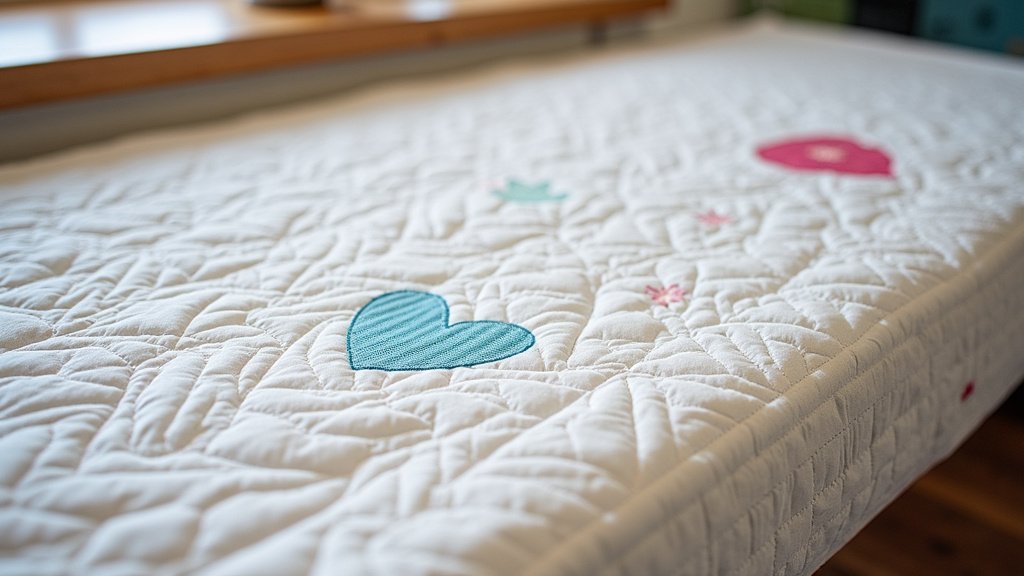
Polyester batting is very forgiving for both machine and hand quilting. Its consistent loft allows your stitches to pop and gives definition to your quilting designs. We’ve found that it’s an excellent choice for beginners learning free-motion quilting.
When machine quilting, you might find that polyester glides smoothly under your machine foot. If you’re hand quilting, the needle will pass through it easily. Remember to keep your quilting stitches within the manufacturer’s recommended distance to maintain the batting’s integrity.
Caring for Quilts Made with Polyester Batting
One of the biggest advantages of polyester batting is its ease of care. You’ll find that quilts made with this batting are generally very low maintenance, which is a huge bonus for everyday use.
Washing and Drying Your Quilt
Quilts with polyester batting can typically be machine washed and dried. Use a gentle cycle with cool or warm water. Avoid hot water, as excessive heat can sometimes cause polyester fibers to shrink or stiffen, though modern polyester battings are quite resistant.
For drying, you can tumble dry on a low heat setting or air dry. Remove the quilt promptly from the dryer to prevent wrinkles. The good news is that polyester batting is very resistant to shrinking, so you won’t get that “crinkly” look unless your fabric shrinks (Consumer Reports).
Long-Term Storage Tips
When storing your quilt, make sure it’s completely dry to prevent mildew. Fold it neatly and store it in a breathable container, like a cotton bag or pillowcase. Avoid plastic bags, which can trap moisture and cause yellowing over time.
Store your quilt in a cool, dry place away from direct sunlight. Sunlight can fade fabrics over time. If you can, take the quilt out every few months, refold it differently, and let it air out. This helps prevent permanent creases and keeps the batting fresh.
Conclusion
You’ve seen that polyester batting is a remarkably versatile and practical choice for your quilting projects. From its lightweight warmth to its hypoallergenic properties, it offers many advantages, especially for everyday use and easy-care items. While it has a few considerations like breathability and drape, understanding these helps you make the best selection.
Armed with this knowledge, you can confidently choose the right polyester batting for your next quilt. Don’t hesitate to experiment with different lofts and types to discover what you love most. Your quilting journey is all about creating something beautiful and functional that brings joy!
Frequently Asked Questions
Is polyester batting good for beginners?
Yes, absolutely! Polyester batting is an excellent choice for beginner quilters. It’s easy to work with, doesn’t shed fibers, and is very forgiving during the quilting process, making your first projects more enjoyable.
Does polyester batting make a quilt hot?
Polyester batting is known for trapping air and providing warmth without excessive weight. While it’s great for cozy quilts, it doesn’t breathe as well as natural fibers. This can make a quilt feel warmer, especially in hot climates, so consider your intended use.
Can I use polyester batting for a bedspread?
You can definitely use polyester batting for a bedspread. Its durability, resistance to shrinking, and ease of care make it a practical choice for bedding that needs frequent washing. Choose a medium to high loft for a plush, inviting feel.
Will polyester batting shrink after washing?
Modern polyester batting is highly resistant to shrinking. You can typically machine wash and dry quilts made with it without worrying about significant shrinkage. Always check the specific manufacturer’s instructions for best care practices.
What is the difference between polyester and cotton batting?
Polyester batting is synthetic, lightweight, retains its loft, is hypoallergenic, and resists mildew. Cotton batting is natural, more breathable, offers a flatter drape, and can shrink slightly, creating a crinkled look. Your choice depends on the desired feel and function of your quilt.
