Machine Setup and Settings
What Is the Best Stitch Length for Piecing?
Discover the ideal stitch length for piecing quilts and garments. Learn how the right stitch length impacts your sewing projects and find the perfect setting.
Set up your machine, adjust key settings, and manage digital quilting controls.
Discover the ideal stitch length for piecing quilts and garments. Learn how the right stitch length impacts your sewing projects and find the perfect setting.
Learn how to advance your quilt smoothly on a longarm frame. Master the techniques for consistent results and a beautiful finish.
Setting up your longarm quilting machine? Learn the essential steps for a smooth setup, from unboxing to your first stitch. Get quilting with confidence.

Seamlessly expand your dining space. Learn how to set up an extension table with our easy, step-by-step guide, ensuring a stable and stylish setup.
Master your stitches! Learn how to adjust tension on a quilting machine for perfect seams, preventing frustrating puckers and skipped stitches.
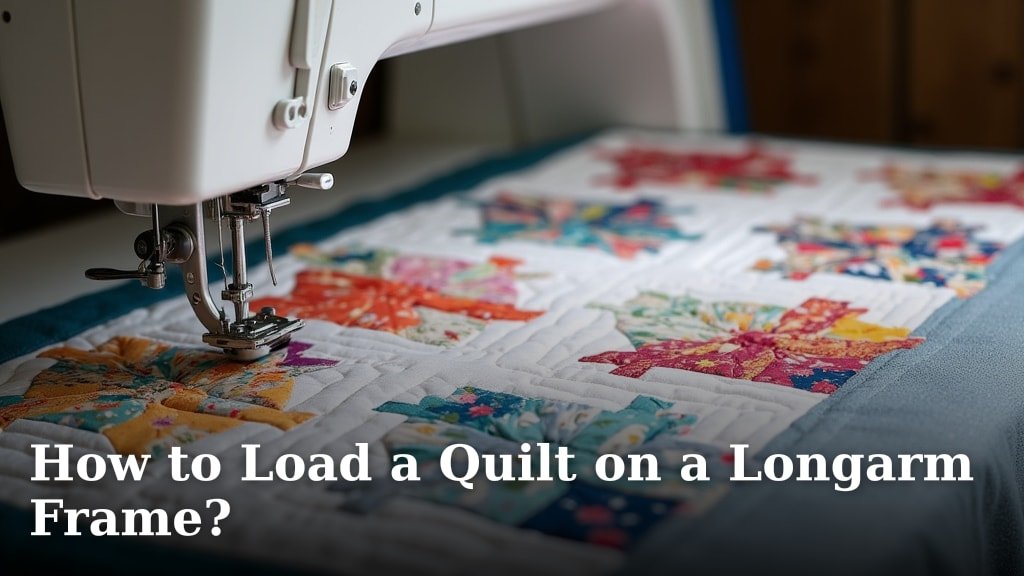
Learn how to load a quilt on a longarm frame with our step-by-step guide. Master the process for smooth, precise quilting results.
Learn how stitch regulation works and how it adjusts needle speed as fabric moves. See how the system helps keep stitch length consistent while quilting.
A dual feed system is a quilting machine feature that moves fabric from both the top and bottom simultaneously, preventing fabric shifting and puckering
Electronic tension systems offer more precise control for quilts, while mechanical tension relies on manual adjustment but provides better durability. Your
Presser foot pressure controls how firmly your sewing machine holds fabric while quilting, directly affecting stitch quality and fabric movement.
Feed dogs directly control fabric movement through your quilting machine, affecting stitch consistency, seam alignment, and overall quilt quality. When feed
The best quilting speed depends on your skill level and project type, with beginners working at 800-1200 stitches per minute and experienced quilters reaching
Start/stop buttons are generally easier for beginners and precise quilting work, while foot pedals offer better speed control and hands-free operation for
The best stitch length for quilting is typically 2.5-3.0mm (10-12 stitches per inch) for most projects, providing strong seams without creating bulk.
A programmable needle positioner automatically stops your sewing machine needle in either the up or down position, giving you complete control over your
Setting up your quilting table for success requires proper height adjustment (27-30 inches), adequate lighting (at least 1000 lumens), and organizing
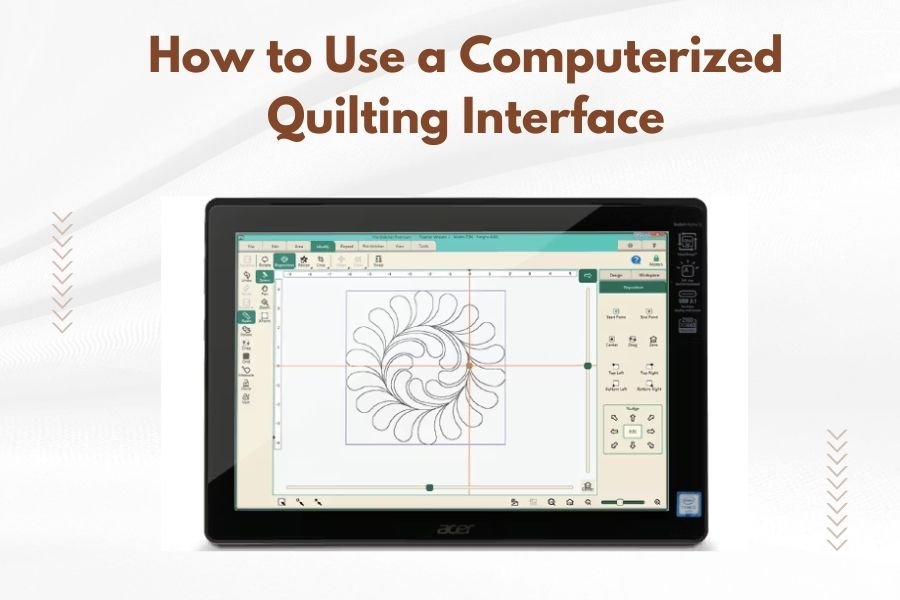
A computerized quilting interface connects you to your machine through a touchscreen or software that controls stitching patterns, speed, and fabric
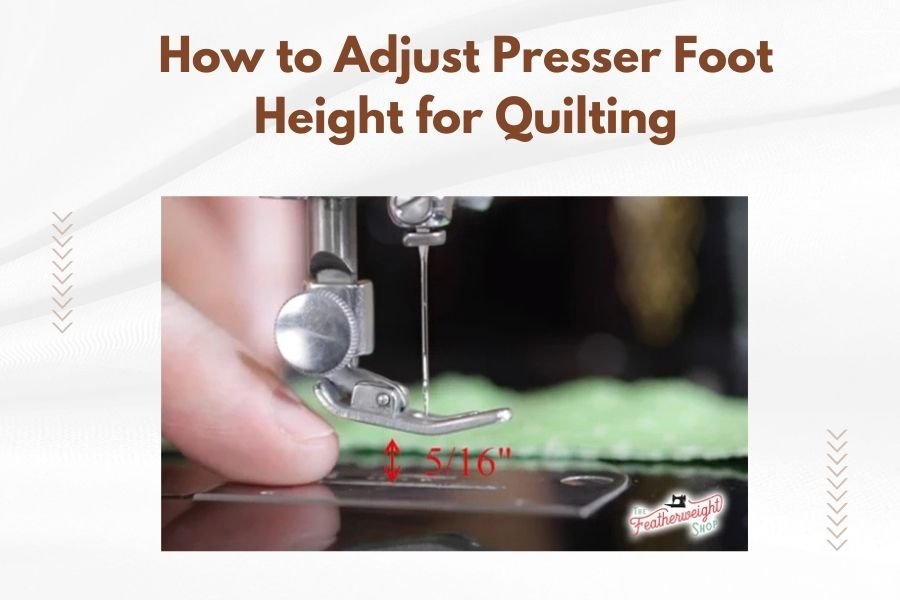
To adjust presser foot height for quilting, locate the presser foot lift lever on your machine and use it to raise or lower the foot to accommodate thick
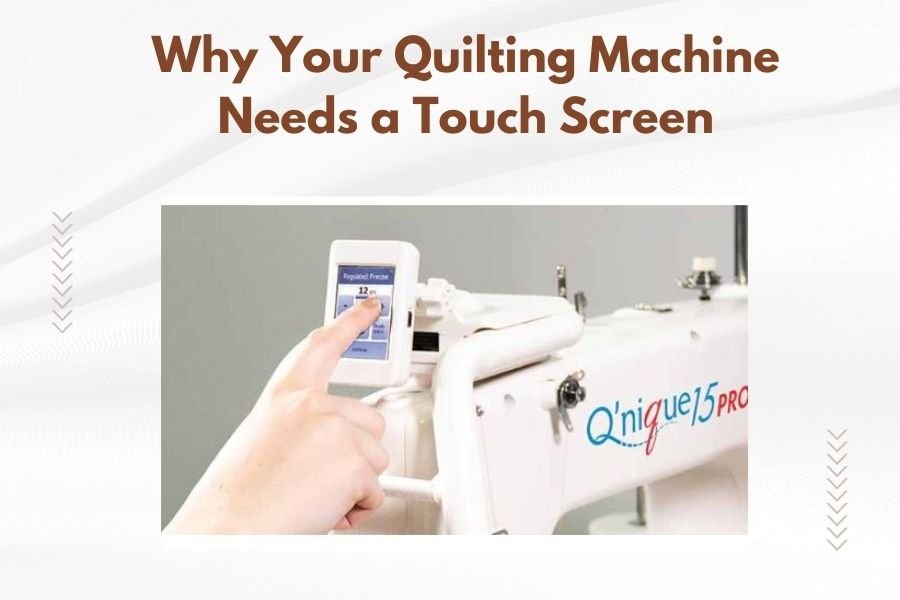
A quilting machine with a touch screen gives you precise control and easy navigation through patterns, settings, and features in one simple interface.

Loading computerized quilting patterns requires connecting your machine to a computer, transferring pattern files through USB or software, and selecting the
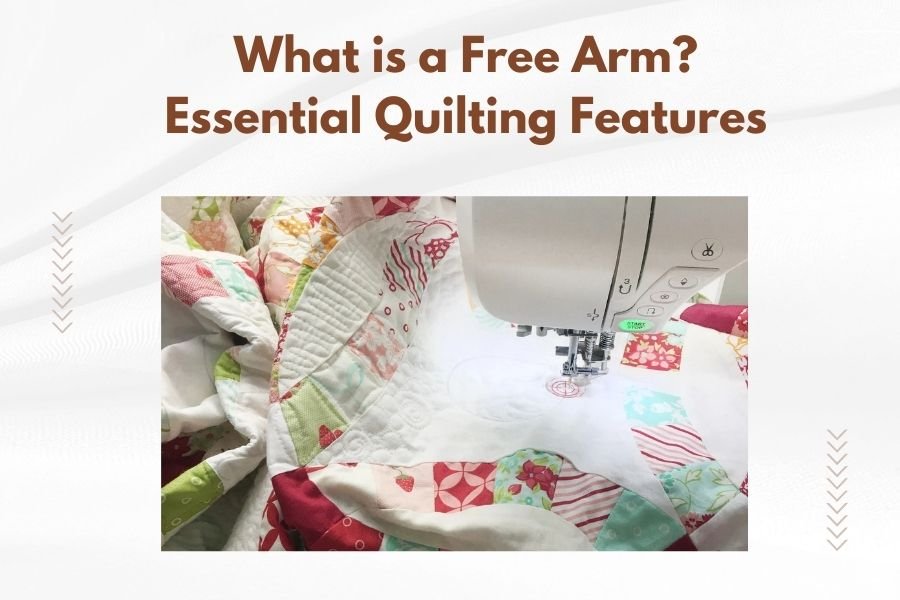
Learn what a free arm is on a sewing machine and how its narrow shape helps sew sleeves, cuffs, and other tubes. See when this feature is useful for quilting.
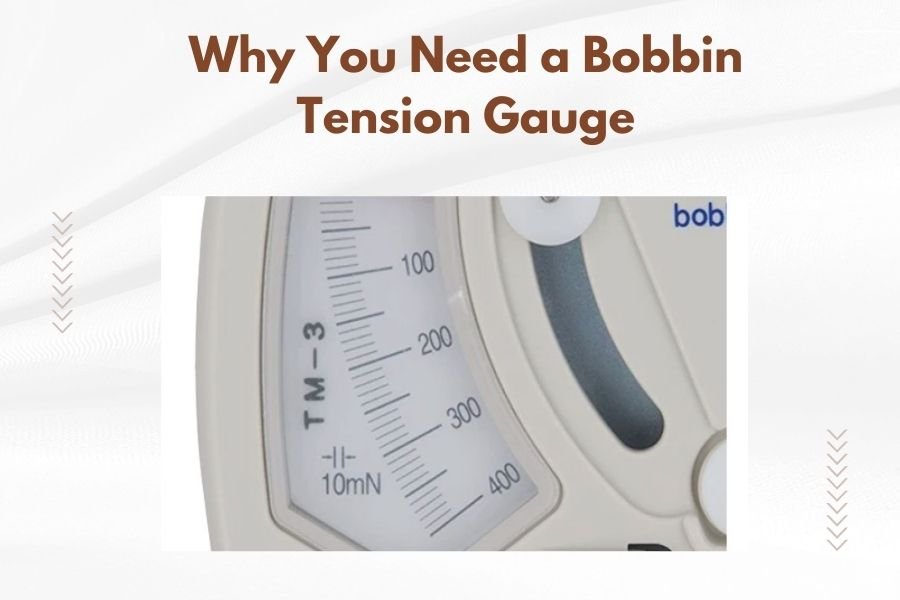
A bobbin tension gauge is a specialized tool that measures and adjusts the tension of your sewing machine’s bobbin thread, ensuring perfect stitch

A quilting robot is an automated machine that creates quilts by stitching together fabric layers with computer-controlled precision and speed.

The micro-stitch feature creates ultra-fine stitches as small as 0.5mm that provide superior fabric control and precision for detailed quilting work.
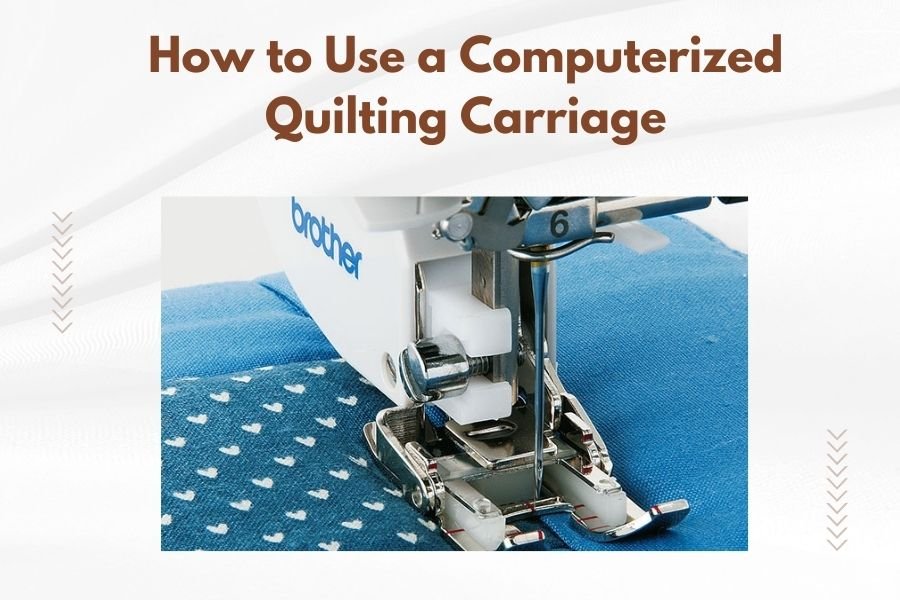
A computerized quilting carriage moves your quilting machine automatically across the quilt frame, following digital patterns with precision and speed.
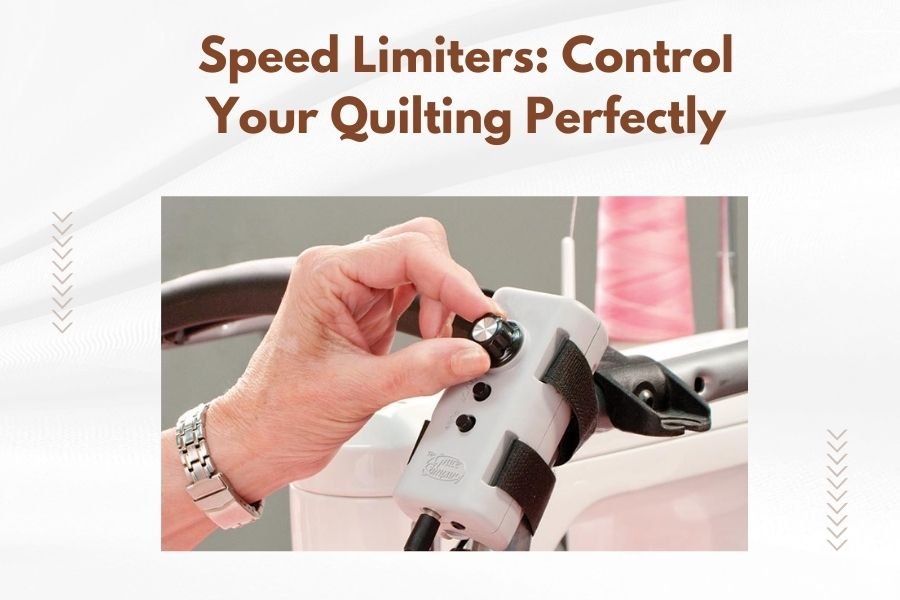
Speed limiters on quilting machines let you control the maximum stitching speed, preventing accidents and giving you better precision on detailed work.
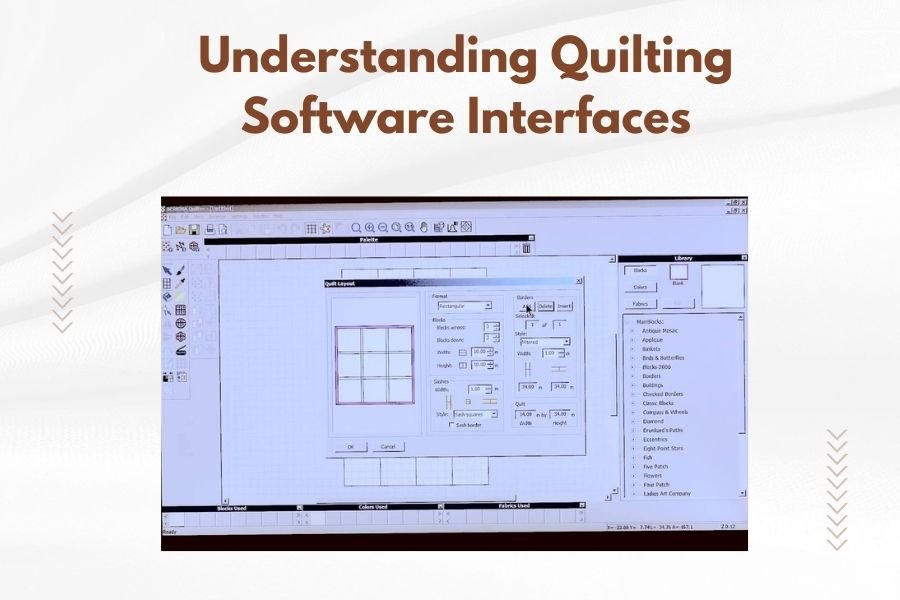
Quilting software interfaces are digital control panels that let you create, edit, and manage embroidery and quilting designs on your computer or
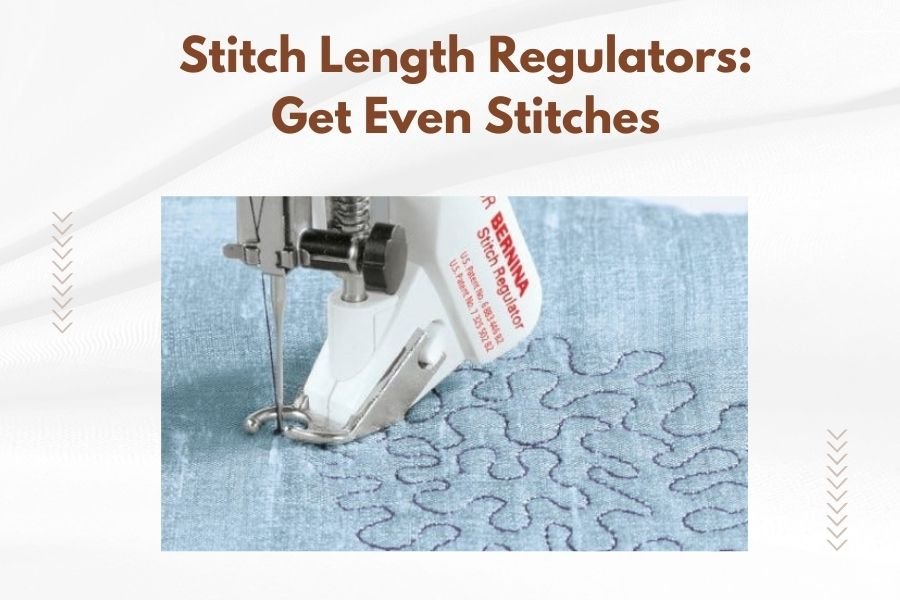
Stitch length regulators automatically maintain consistent stitch spacing on your quilting machine, preventing the uneven stitches that happen when your hand
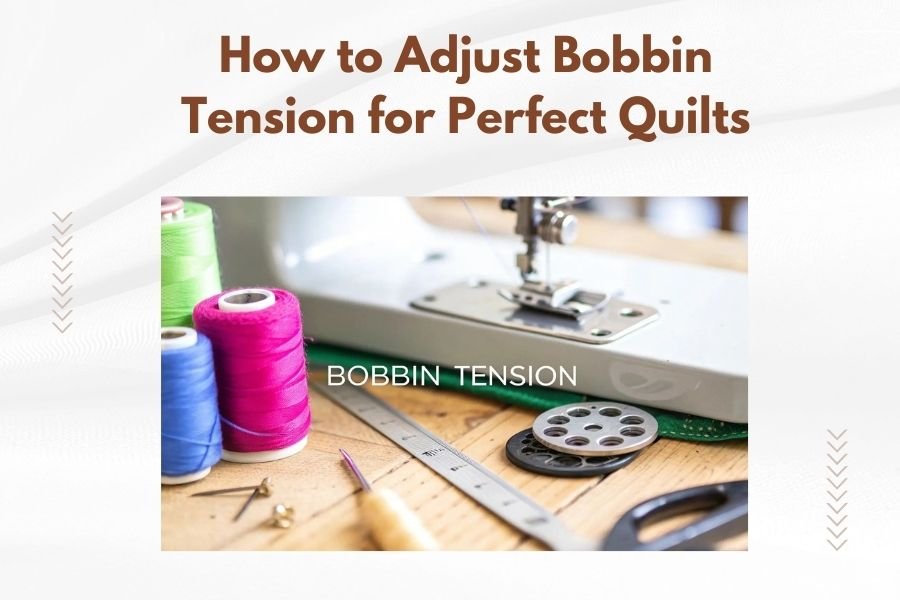
Bobbin tension controls the bottom thread in your quilting machine, and adjusting it properly prevents puckering, loose stitches, and thread breaks.
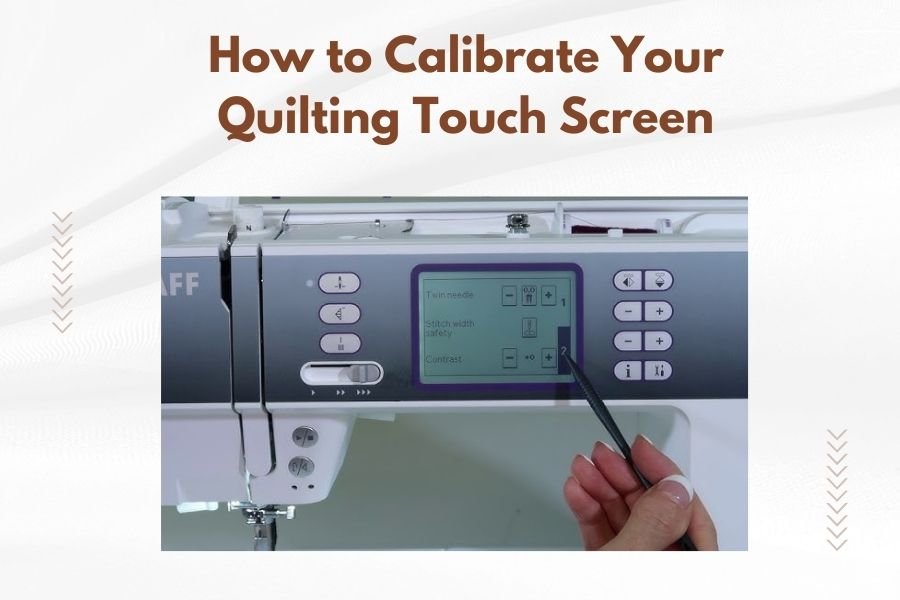
To calibrate your quilting touch screen, access the calibration settings through your machine’s menu system and follow the on-screen prompts to tap
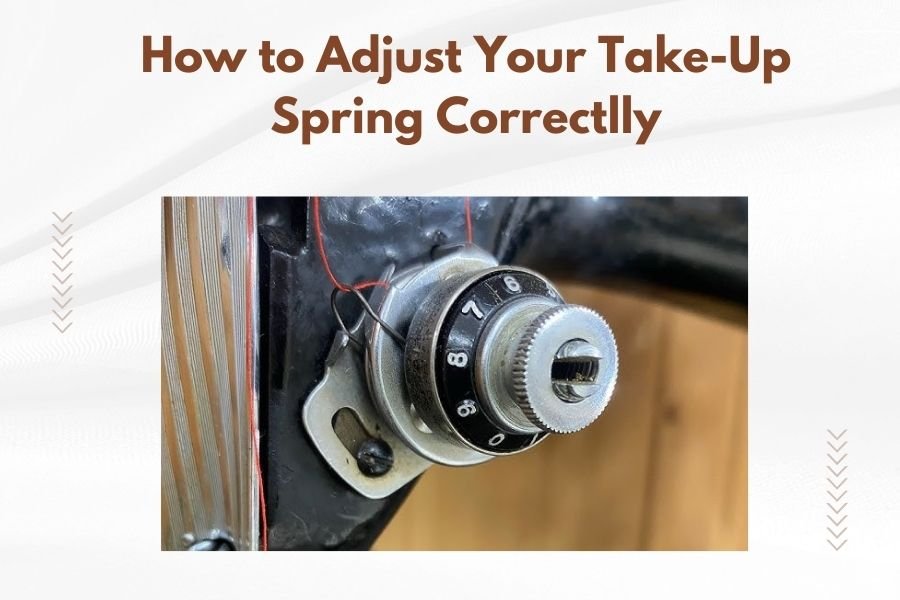
Your take-up spring adjusts thread tension during the sewing cycle by creating the right amount of pull when the needle moves up and down.
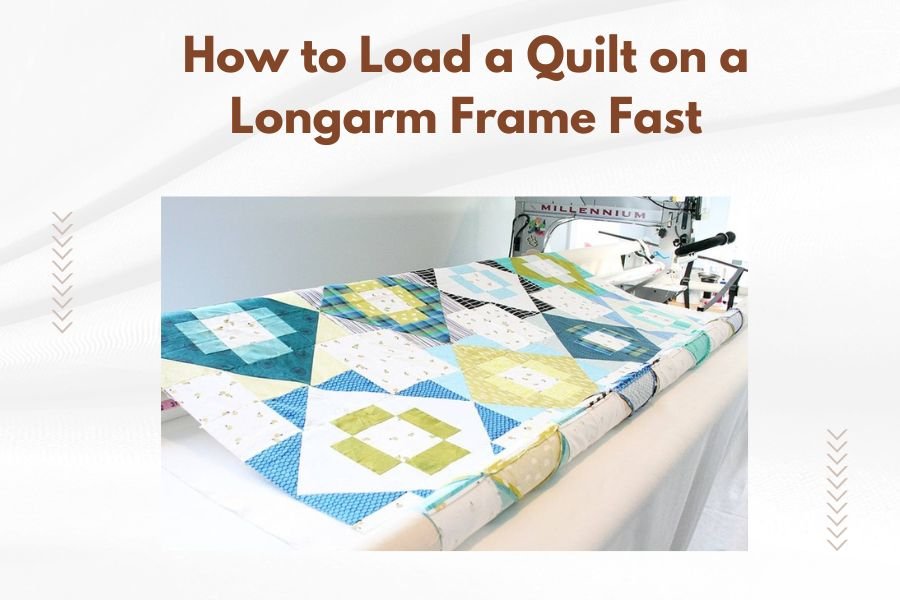
Loading a quilt on a longarm frame fast requires proper setup and a systematic approach that can reduce loading time to 15-20 minutes with practice.
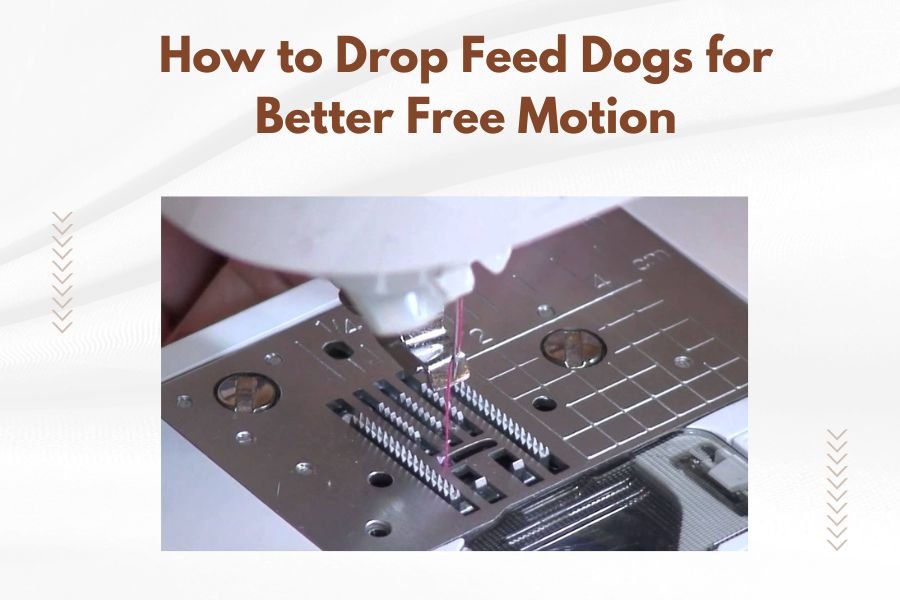
To drop feed dogs for better free motion quilting, locate the feed dog drop lever or button on your machine and engage it to lower the feed dogs below the

Installing a walking foot on your sewing machine takes just a few simple steps: remove your regular presser foot, attach the walking foot’s fork to the
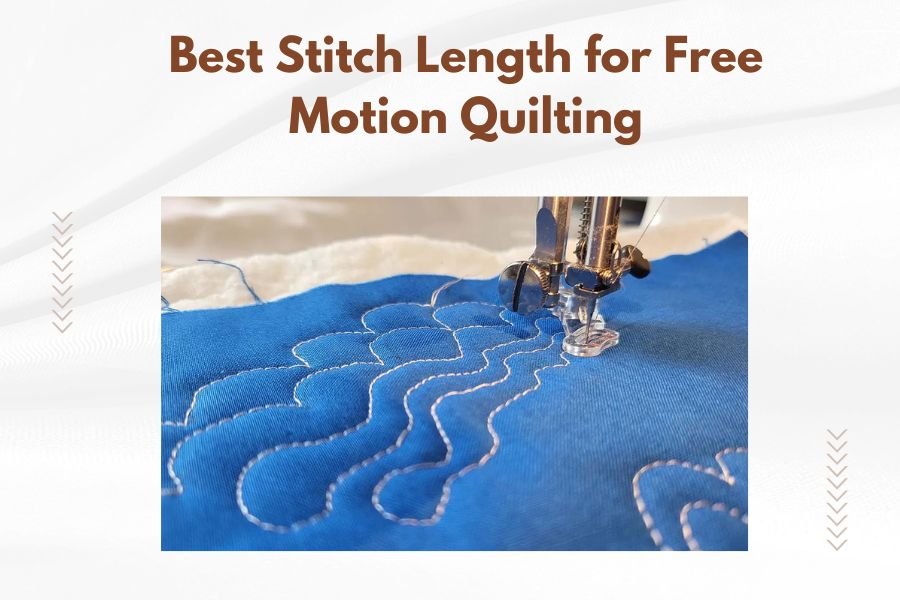
The best stitch length for free motion quilting is 0 or as short as possible, which allows complete control over stitch formation through hand movement speed.
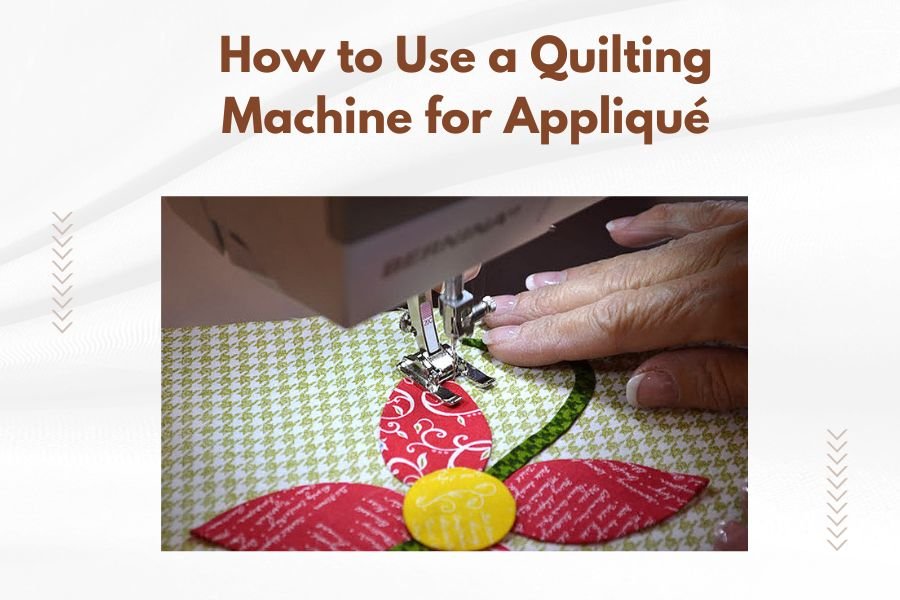
Using a quilting machine for appliqué involves securing fabric pieces onto a base fabric using decorative stitches, with the machine providing precise control
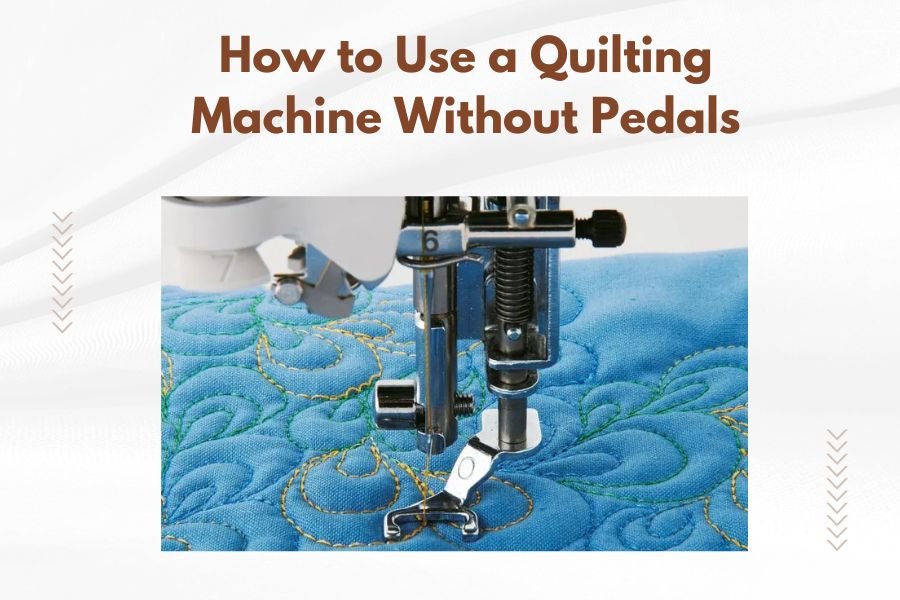
You can use a quilting machine without pedals by switching to a speed control lever, using knee-lift features, or operating machines with automatic speed
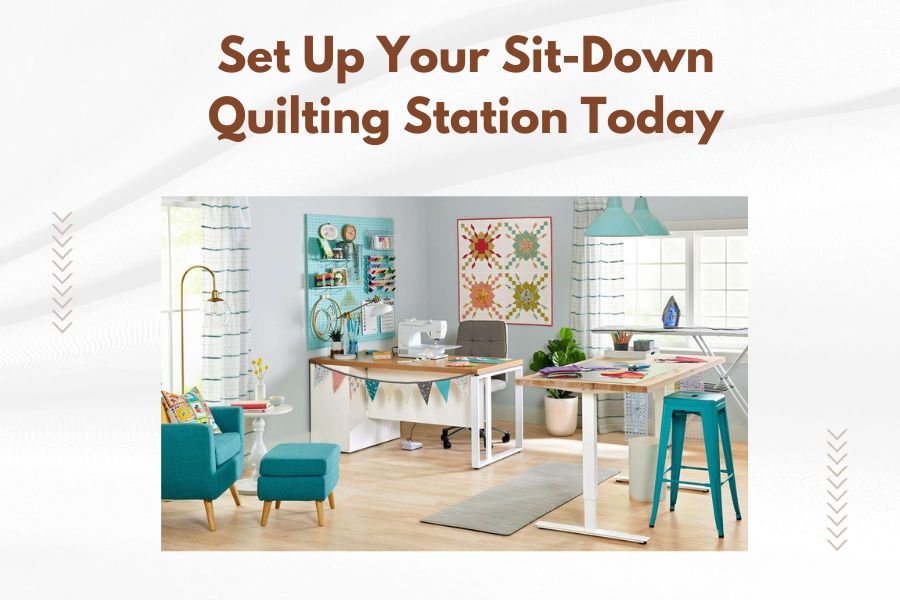
Setting up your sit-down quilting station requires a sturdy table, proper lighting, ergonomic seating, and organized storage within arm’s reach.
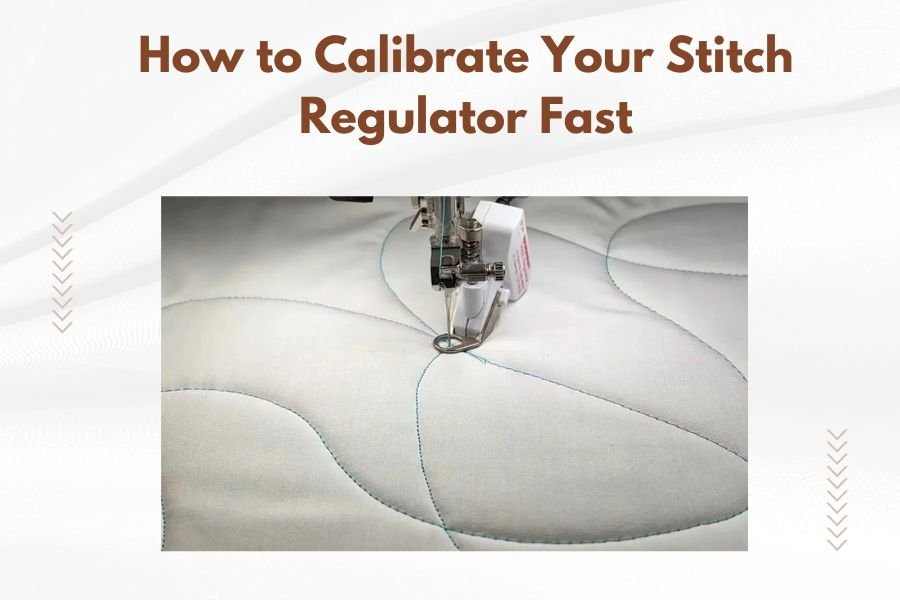
A properly calibrated stitch regulator ensures consistent stitch length by automatically adjusting your quilting machine’s needle speed to match your

Speed slider tips for beginner quilters start with setting your machine to the slowest speed and gradually increasing as you build confidence and muscle memory.
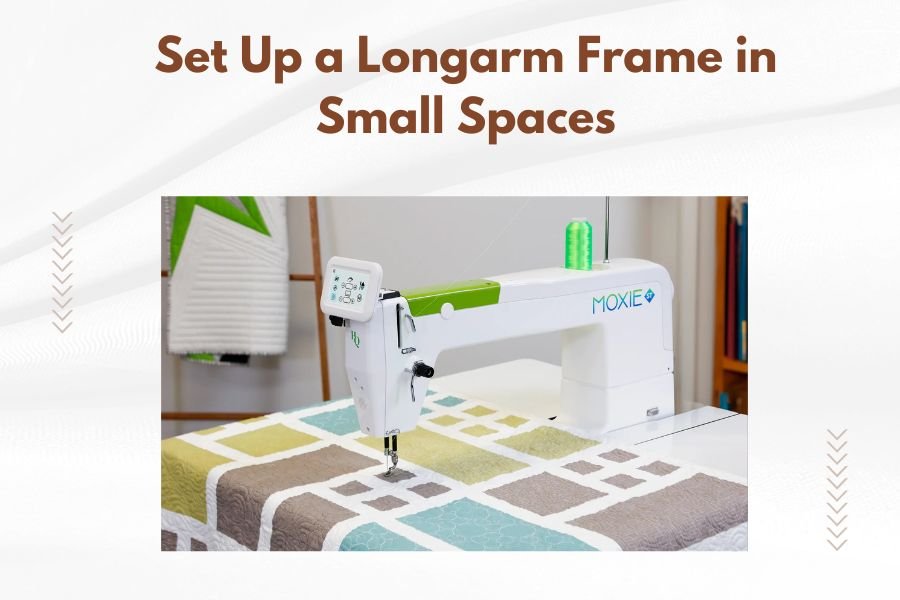
You can set up a longarm frame in small spaces by choosing a compact mid-arm quilting machine and using space-saving techniques like wall mounting or
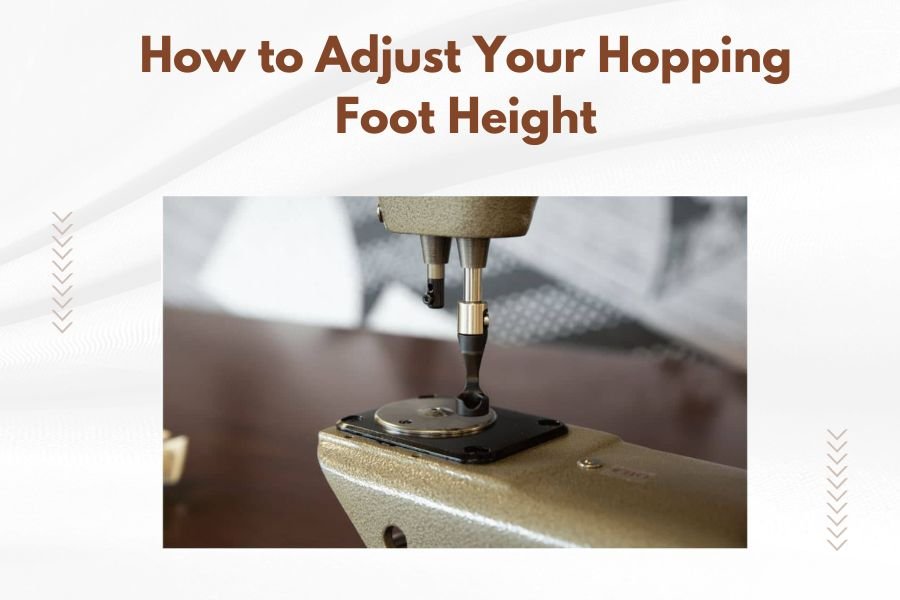
To adjust your hopping foot height, turn your machine’s presser foot pressure dial or lift mechanism until you have about the thickness of a business
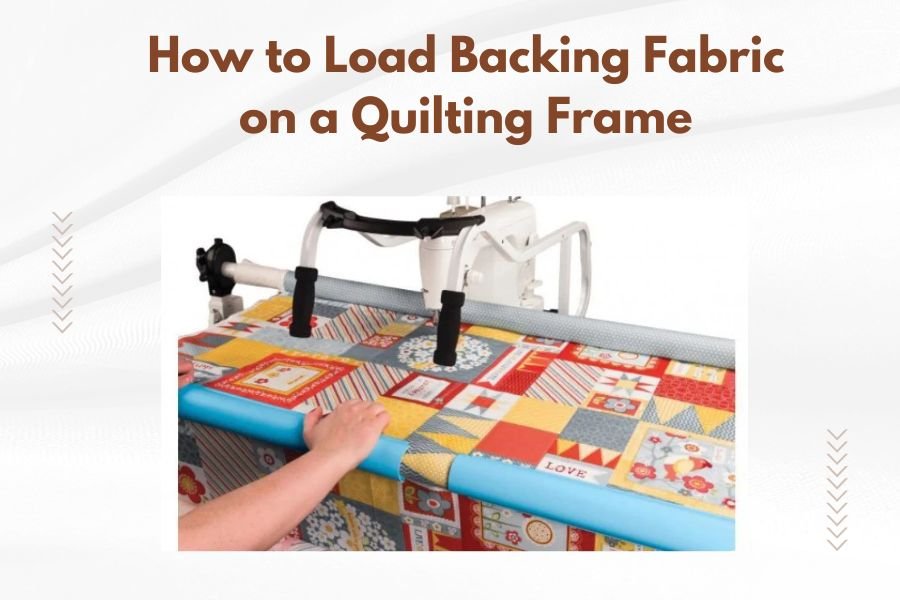
To load backing fabric on a quilting frame, start by centering and clamping the fabric to the back rail, then roll it forward while maintaining even tension
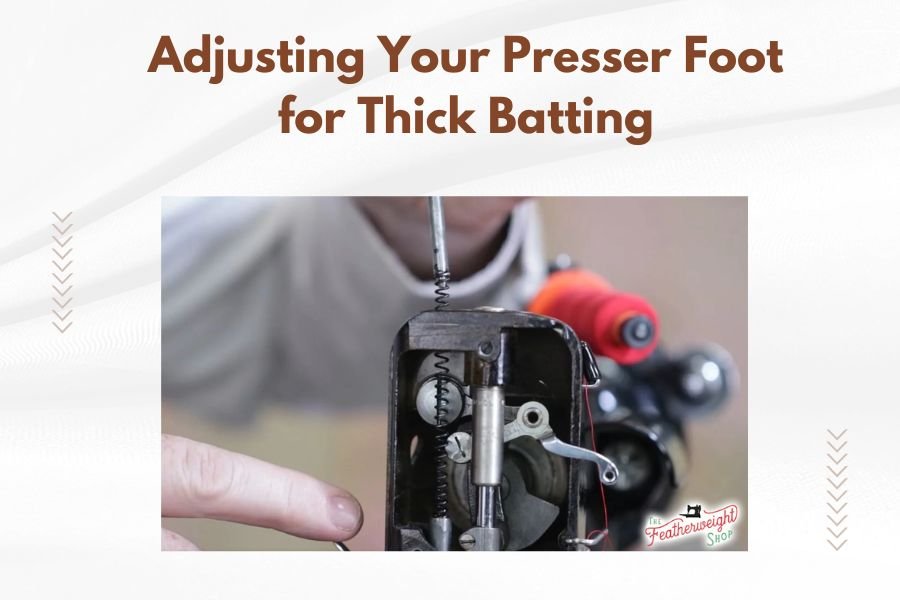
Adjusting your presser foot for thick batting requires raising the presser foot pressure and sometimes switching to a walking foot or quilting foot designed

To adjust needle position for perfect piecing, move your needle to the right when sewing curved seams and to the left for straight seams with better visibility.
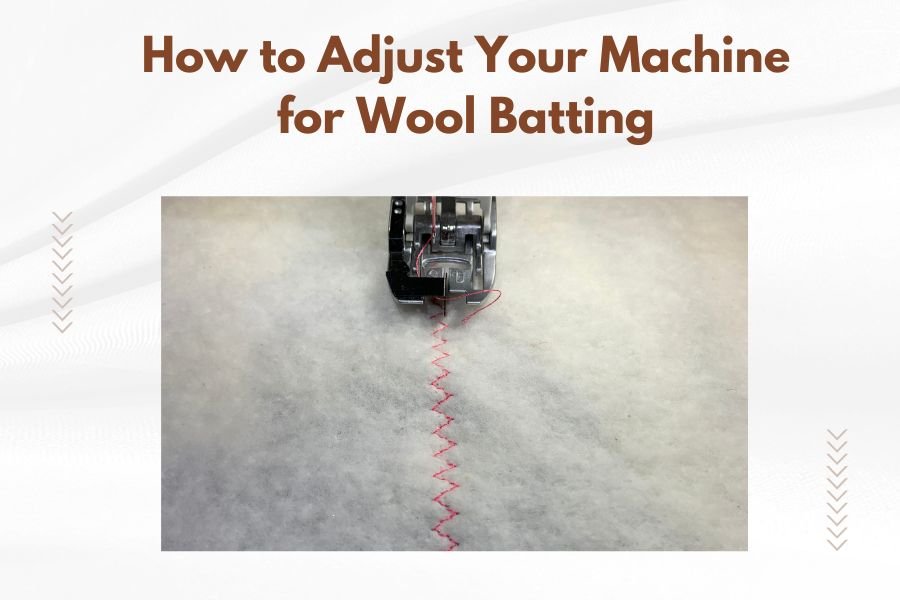
Adjusting your machine for wool batting requires lowering tension, using a longer stitch length, and reducing presser foot pressure to prevent stretching and
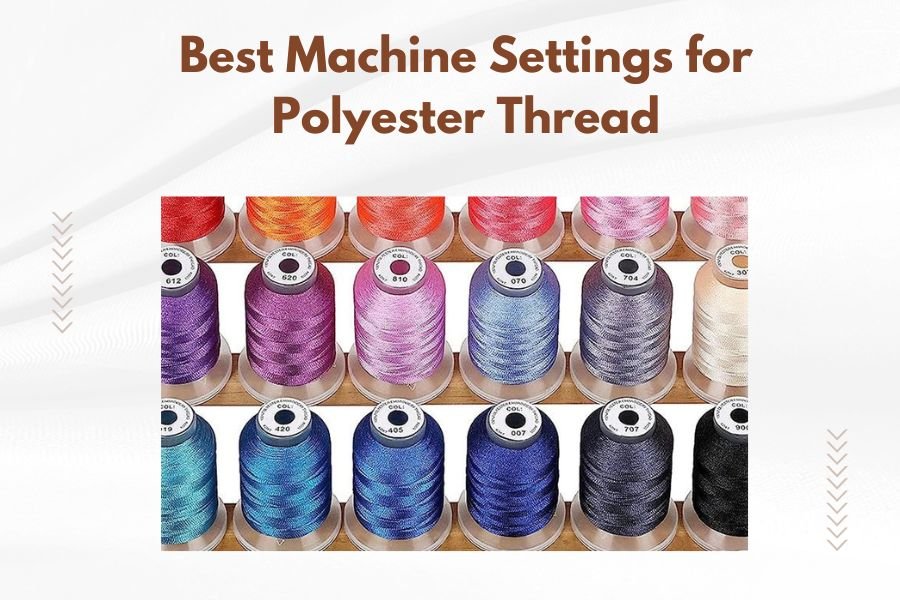
The best machine settings for polyester thread include setting your tension between 3-5, using a 75/11 or 90/14 needle, and adjusting your stitch length to
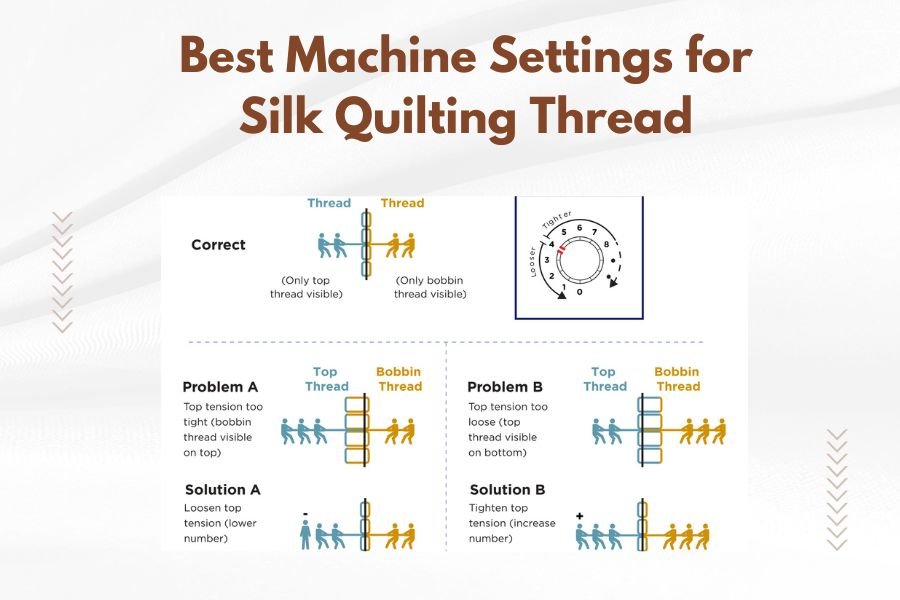
The best machine settings for silk quilting thread require lower tension (2-3), a smaller needle size (70/10 to 80/12), and reduced machine speed to prevent
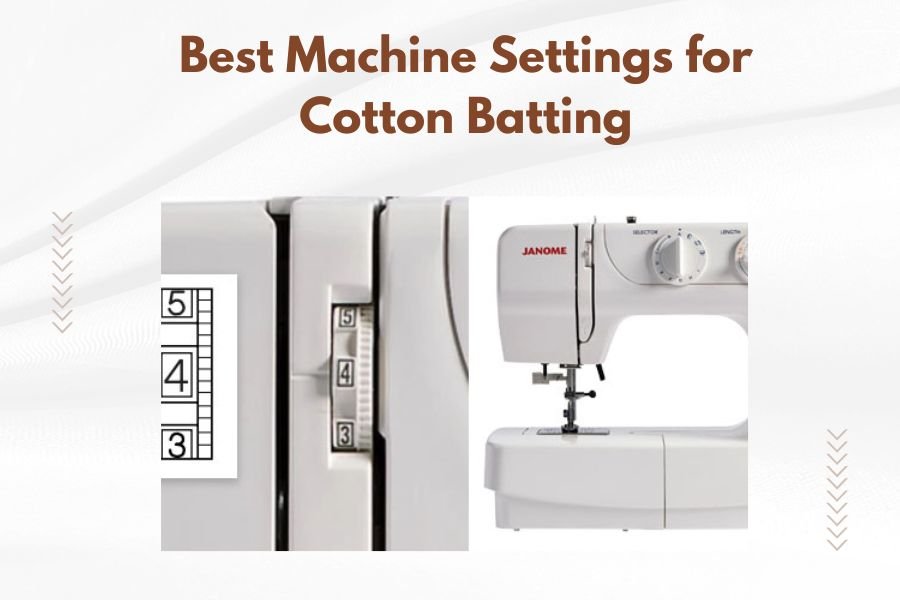
For cotton batting, set your quilting machine to a longer stitch length (8-12 stitches per inch), reduce thread tension slightly, and use a walking foot or

For nylon quilting thread, set your tension between 2-4, use a 90/14 or 100/16 universal needle, and select a straight stitch at 10-12 stitches per inch.

The best machine settings for bamboo batting include using a lower tension (2-3), longer stitch length (10-12 stitches per inch), and reduced presser foot
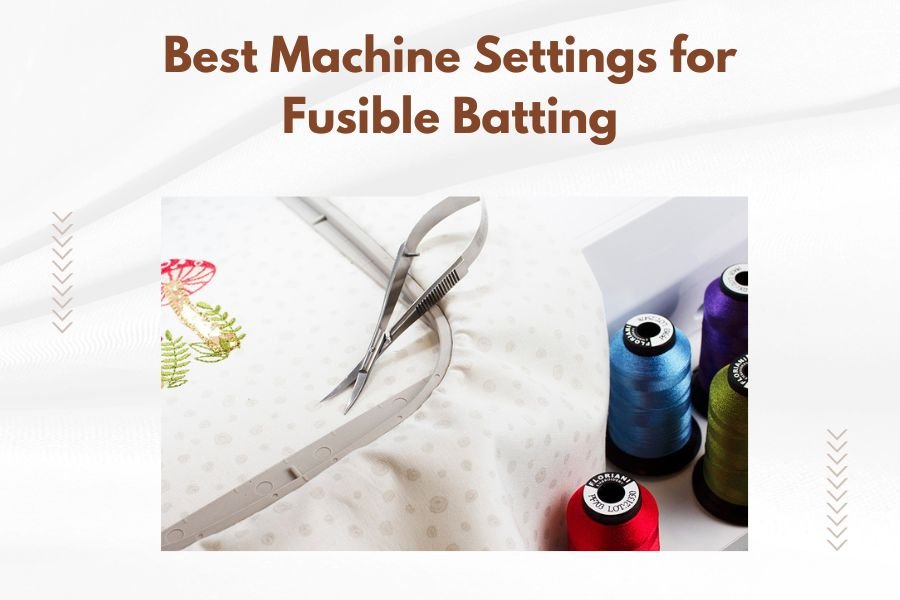
Use medium heat (cotton setting), slow speed, and a walking foot when quilting with fusible batting to prevent puckering and ensure proper adhesion.
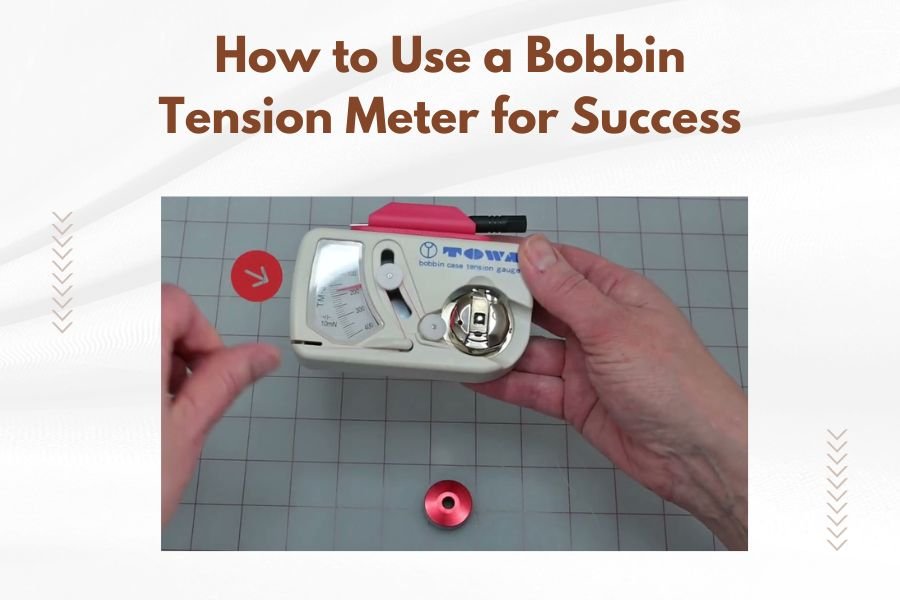
A bobbin tension meter measures the resistance of thread pulling off your bobbin to ensure proper stitch formation. Set your meter to match your thread type,
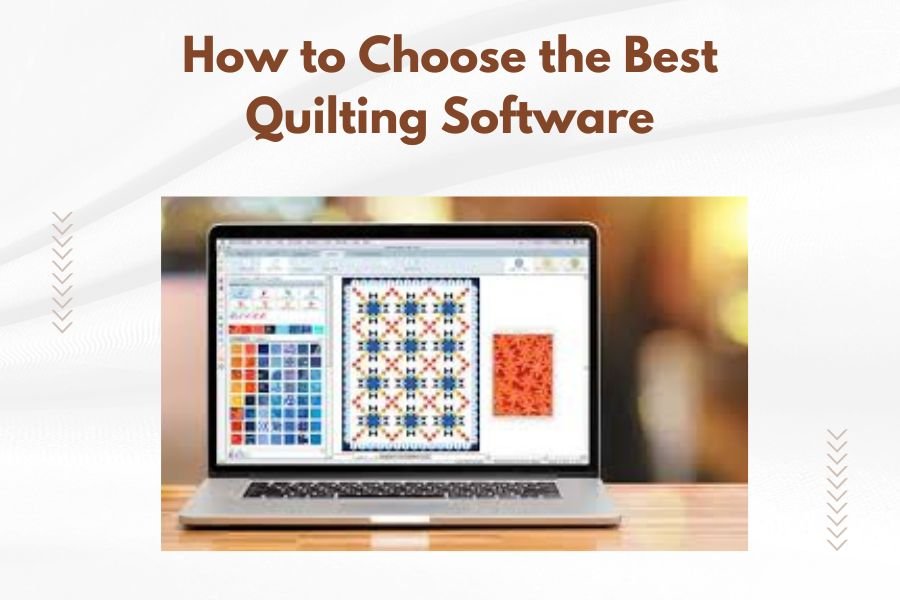
The best quilting software combines design tools, block libraries, and fabric calculators in one easy-to-use program that matches your skill level and budget.
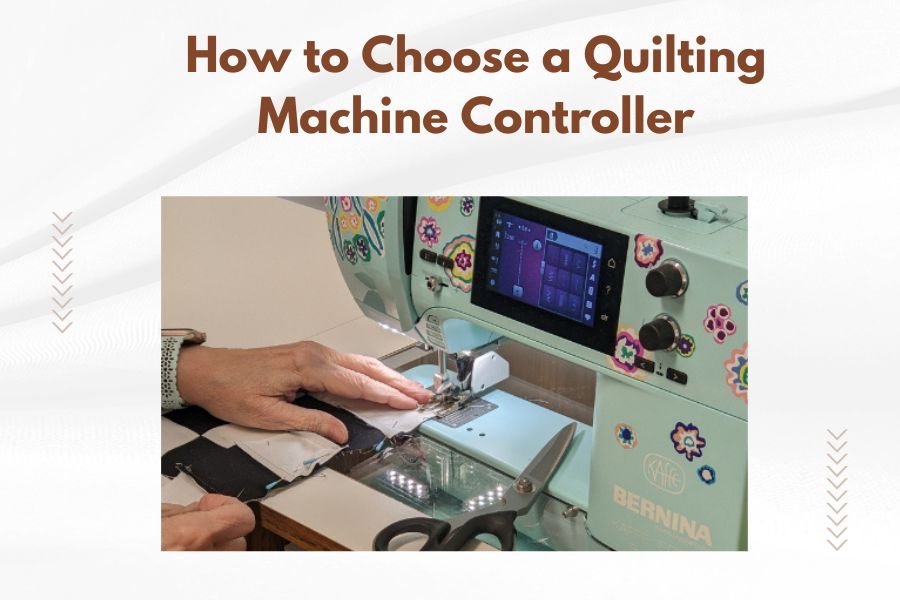
A quilting machine controller is the electronic device that manages your machine’s speed, stitch patterns, and automated functions to help you create
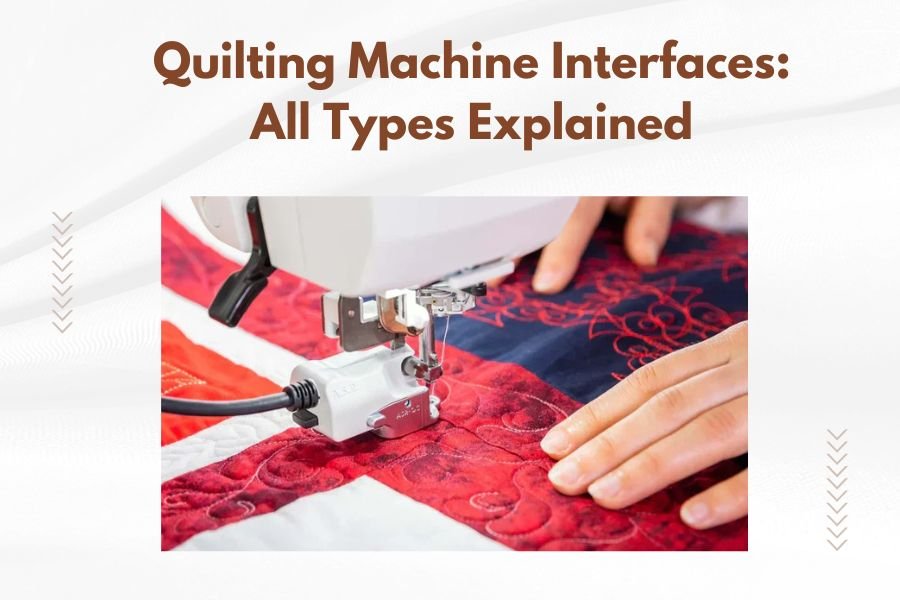
Quilting machine interfaces come in four main types: mechanical buttons, LCD touchscreens, LED displays, and computer connectivity options that control your
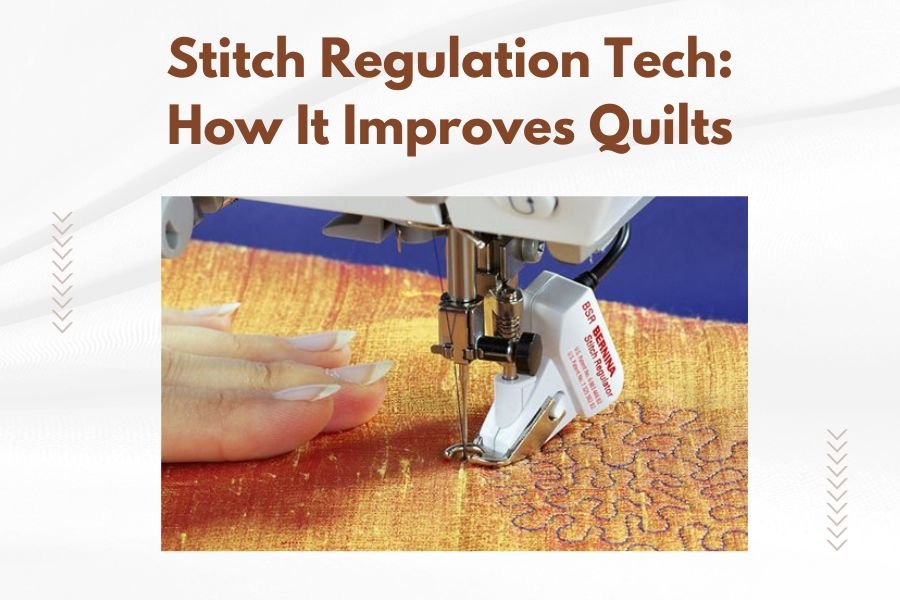
Stitch regulation technology automatically controls needle speed to match your quilting movement, creating perfectly even stitches regardless of how fast or
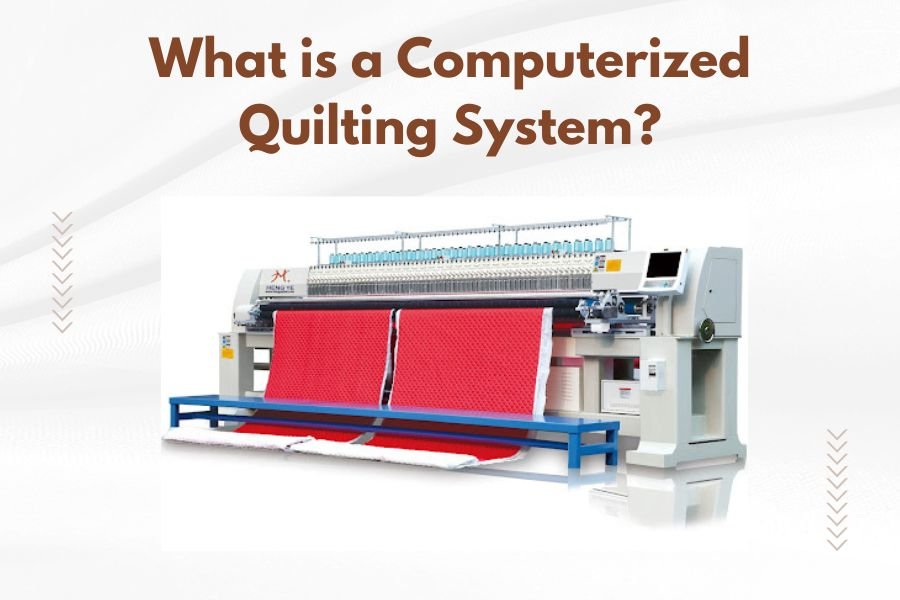
A computerized quilting system is an advanced machine that uses computer technology to automatically stitch quilting patterns onto layered fabric, thread, and
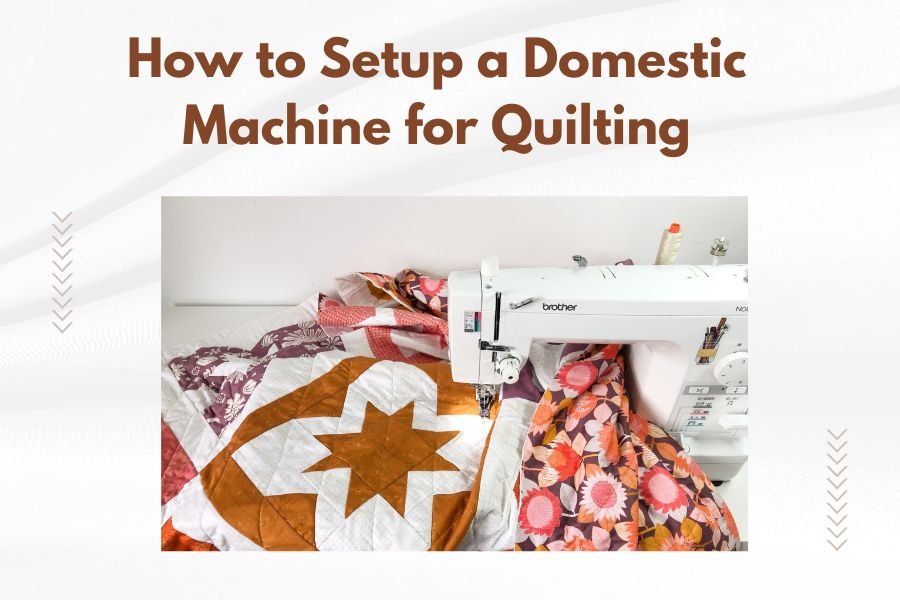
Setting up a domestic machine for quilting requires adjusting tension, installing a walking foot, and using the right thread and needle combination for your
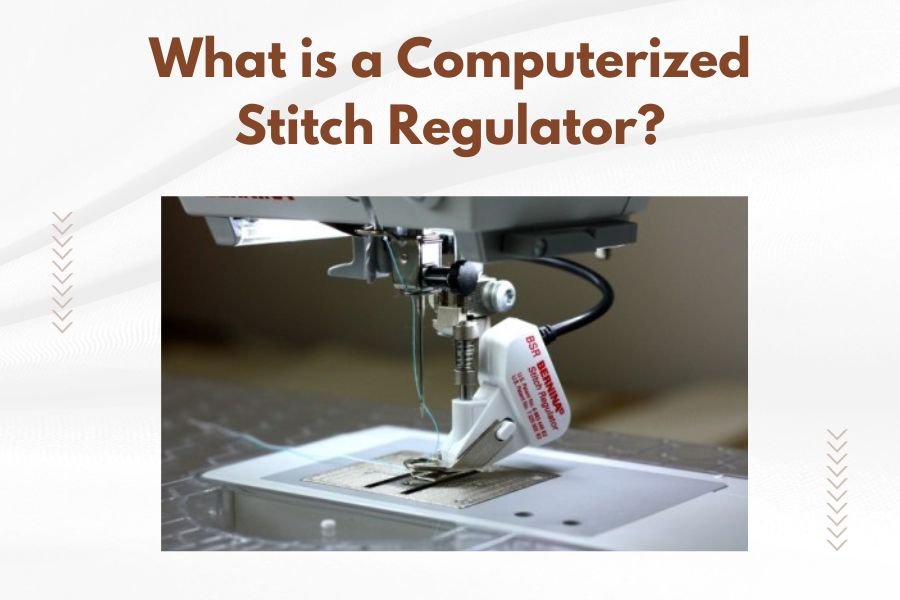
A computerized stitch regulator is an electronic device that automatically controls your sewing machine’s needle speed based on how fast you move the
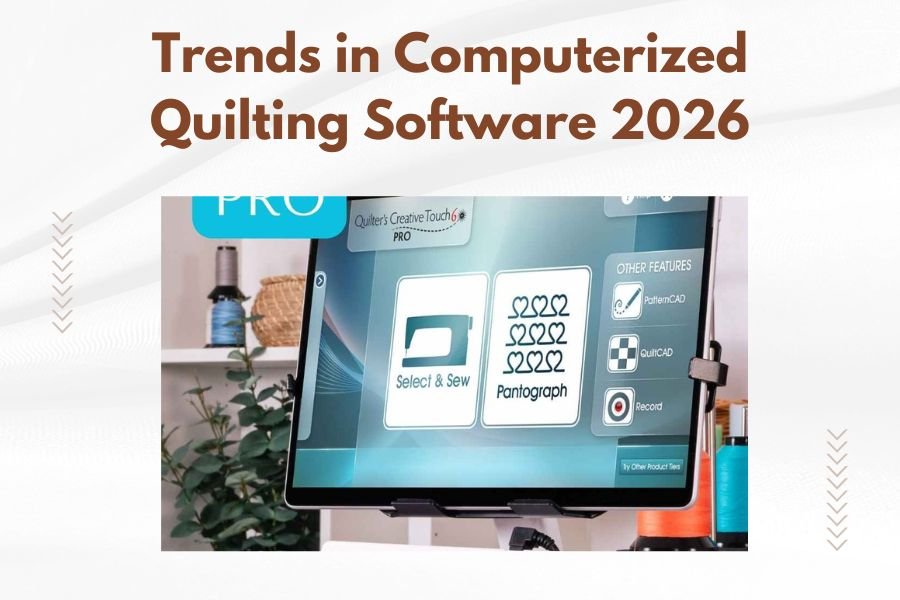
Computerized quilting software in 2026 focuses on AI-powered design assistance, cloud-based pattern sharing, and real-time machine integration that connects
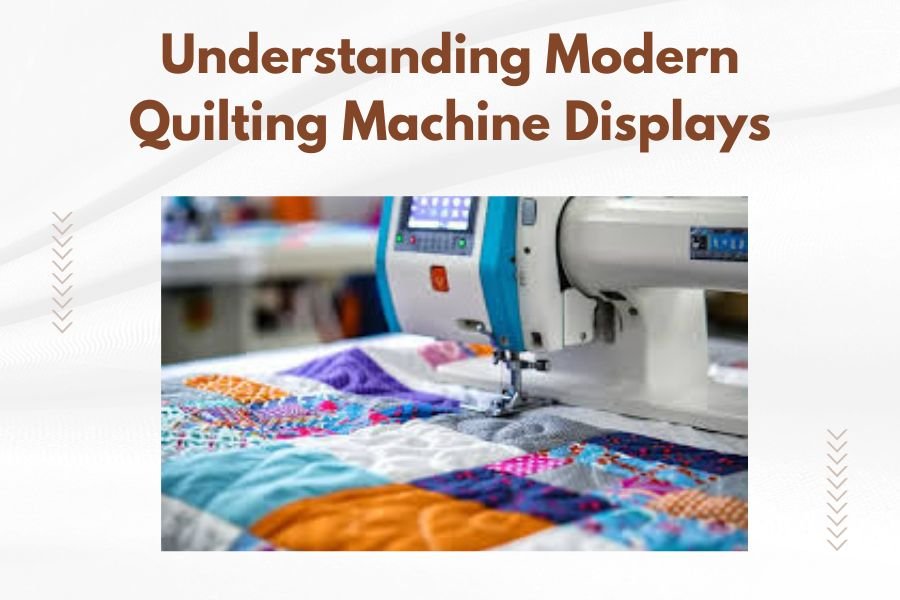
Modern quilting machine displays feature LCD or touchscreen interfaces that show stitch patterns, settings, and machine status information in real-time.
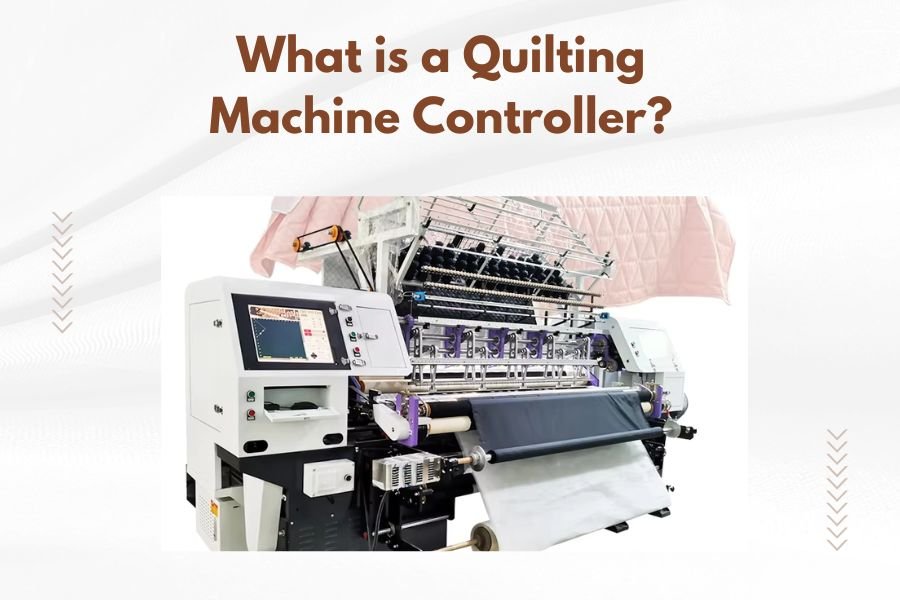
A quilting machine controller is an electronic device that manages the movement and operation of computerized quilting machines, allowing you to create
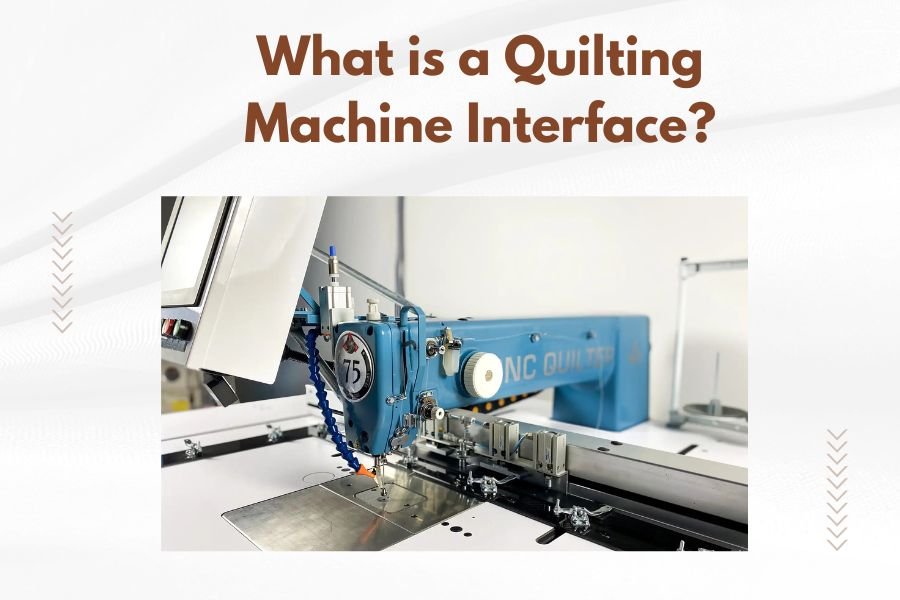
A quilting machine interface is the control panel or touchscreen system that lets you operate and program your quilting machine’s functions, stitches,
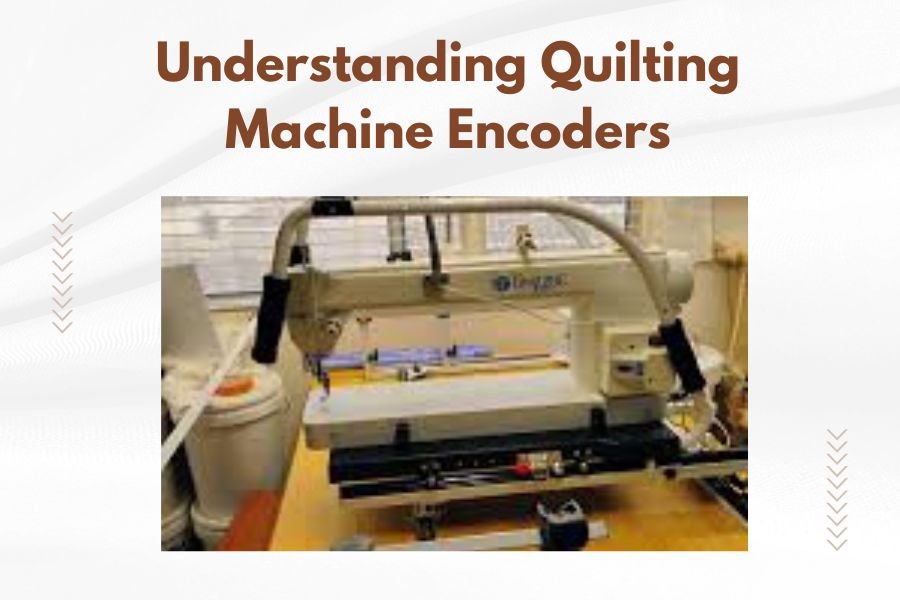
Quilting machine encoders are electronic sensors that track your machine’s movement and position during quilting, ensuring accurate stitch placement and
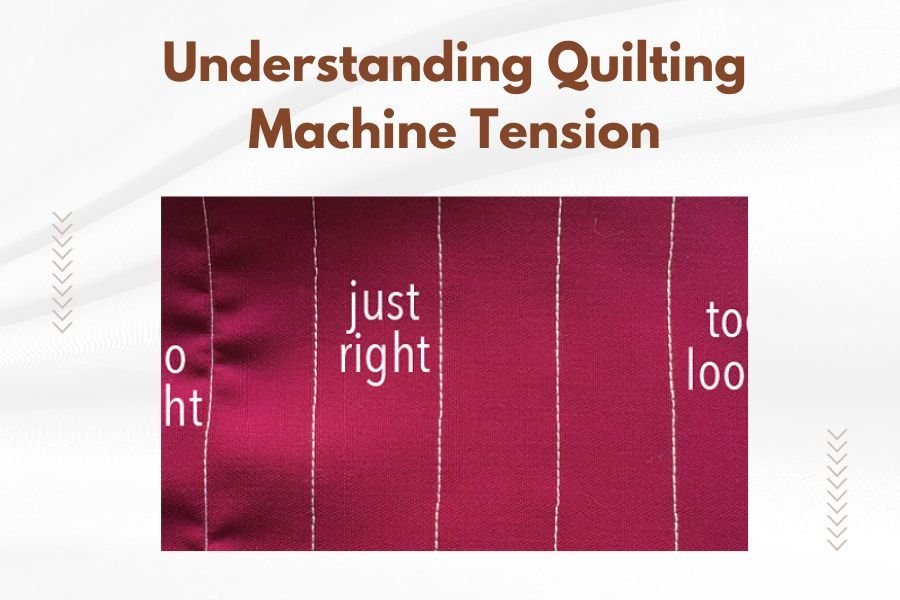
Quilting machine tension controls how tightly the top and bottom threads pull against each other as they form stitches through your quilt layers.
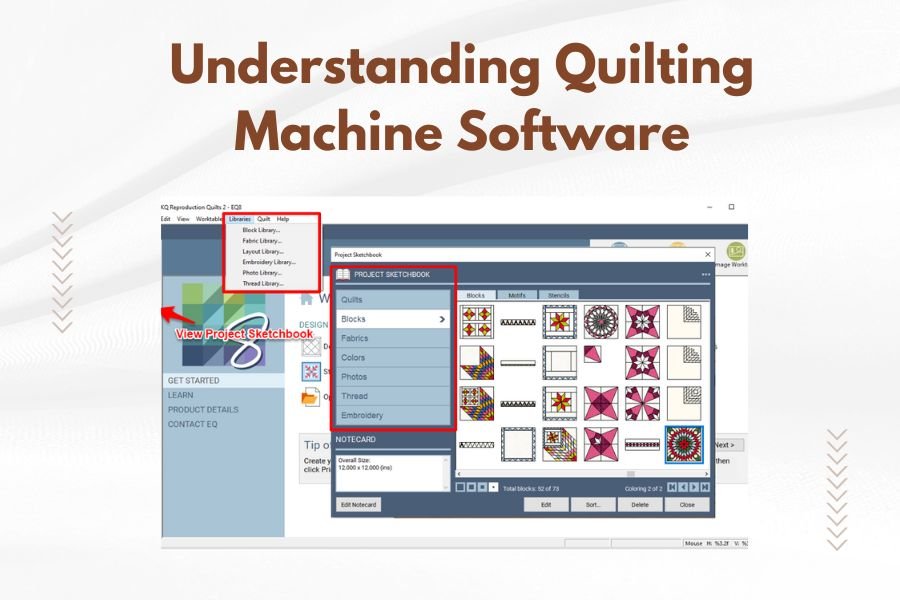
Quilting machine software controls how computerized quilting machines create stitching patterns, manage thread tension, and execute complex designs
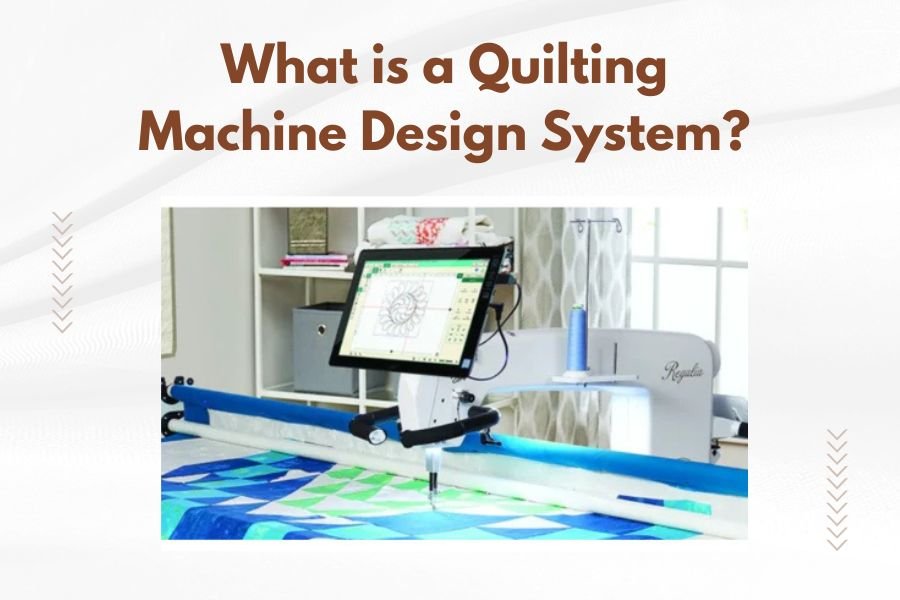
A quilting machine design system is a digital platform that creates, manages, and transfers embroidery and quilting patterns to computerized sewing machines.

Quilting machine connectivity trends for 2026 will center on wireless precision control, AI-powered pattern recognition, and cloud-based design sharing

A quilting machine app is a digital software application designed to control, program, and manage computerized quilting machines through smartphones, tablets,
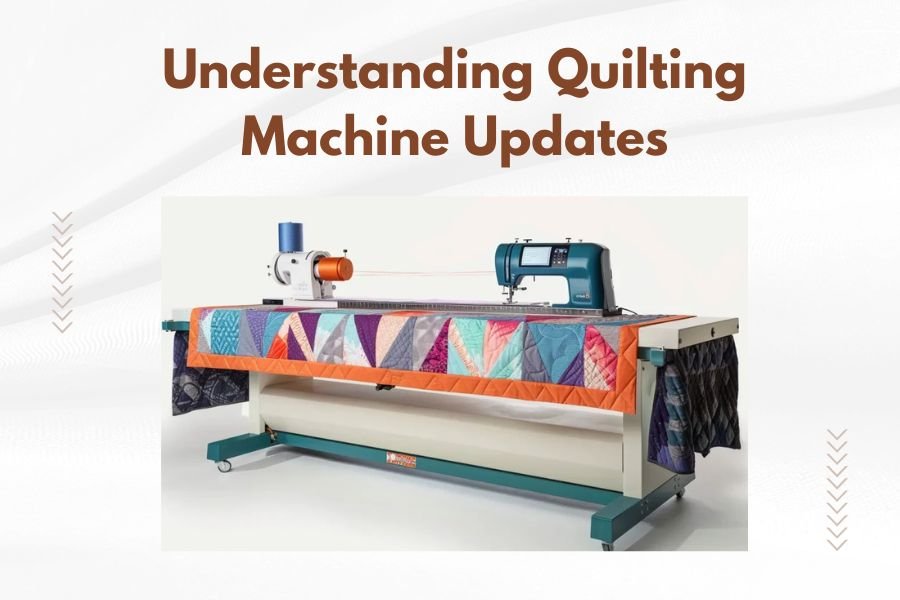
Quilting machine updates are software improvements that enhance your machine’s functions, fix bugs, and add new features to improve your quilting
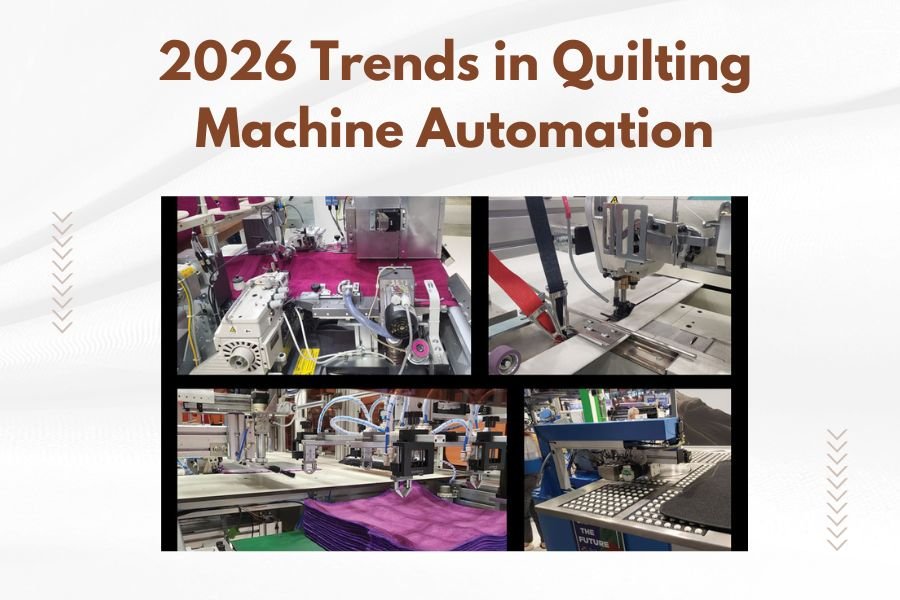
Quilting machine automation in 2026 will focus on AI-powered pattern recognition, smart tension control, and robotic fabric handling that reduces manual work

A quilting machine robot is an automated system that combines computerized technology with precision mechanical arms to create quilted patterns without manual
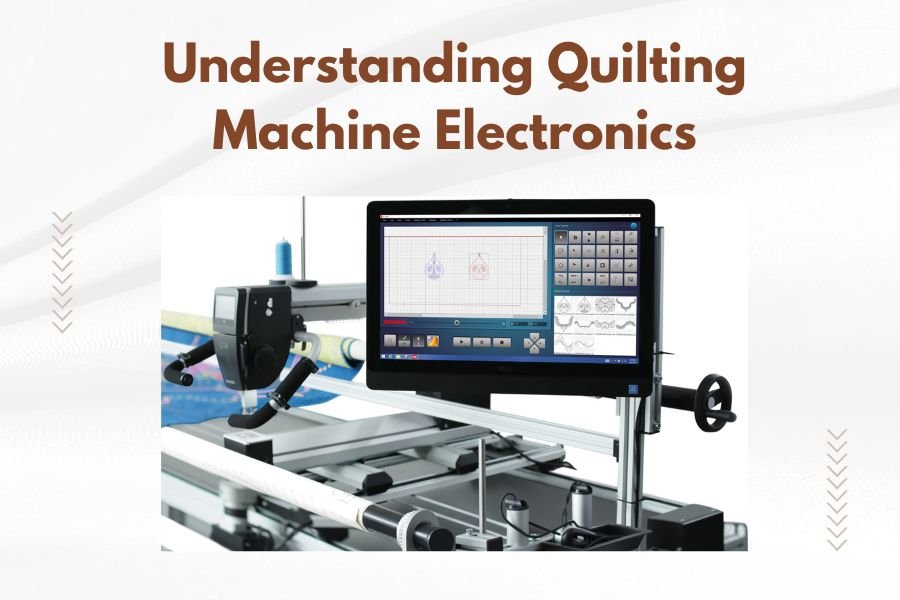
Quilting machine electronics control every stitch, tension adjustment, and pattern selection through interconnected circuit boards, sensors, and motors.

Quilting machine display technology in 2026 will feature AI-powered pattern recognition, holographic design previews, and voice-activated controls that make
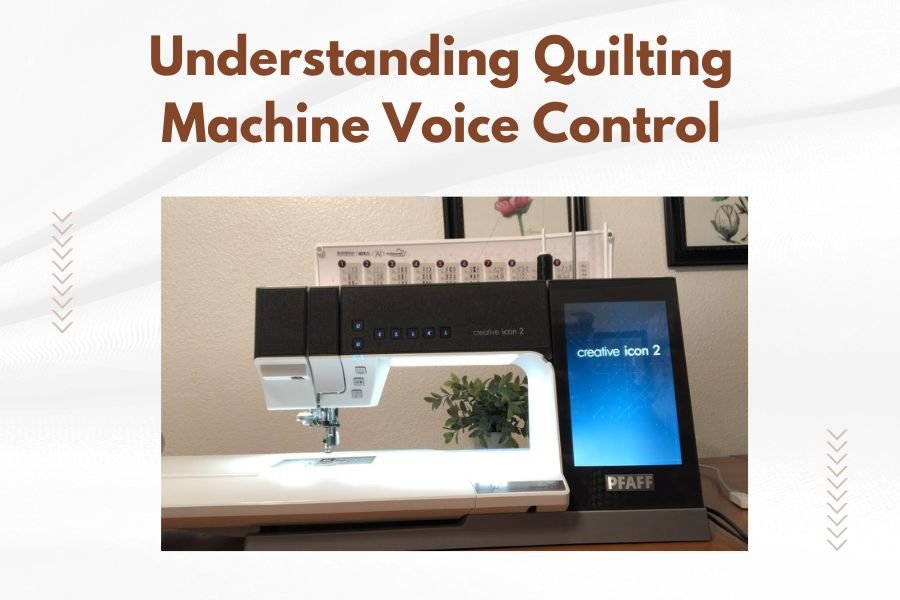
Quilting machine voice control lets you operate your quilting machine using spoken commands instead of manual buttons, making your sewing process hands-free