How Much Does a Quilting Frame Cost?
On this page (7 sections)
The cost of a quilting frame can vary widely, generally ranging from $100 for a small, basic hoop frame to over $1,500 for a large, electric quilting machine frame. Several factors influence this price, including the size, type, and features you choose.
When you’re looking for a quilting frame, you’ll find options from simple hand-quilting frames to sophisticated computerized machines. The material used, such as wood or metal, also plays a role. Think about your quilting style and how much space you have. We found that understanding these differences helps narrow down your choices.
- Basic hoop frames start around $100.
- Tabletop frames are a mid-range option.
- Manual floor frames offer more versatility.
- Electric quilting machines are the most expensive.
- Consider size, material, and features for your budget.
Ready to find the perfect frame for your projects? Let’s break down the different types and what you can expect to spend on each.
Understanding Quilting Frame Pricing
So, you’re curious about how much a quilting frame might set you back? It’s a question many quilters ponder, and the answer isn’t a simple one-size-fits-all. We’ve found that prices can swing dramatically based on what you’re looking for. You could find a very basic frame for around $100, while a high-tech, automated system might push past $1,500 or even more.
Several elements influence the final price tag. Think about the size of the frame, the type of mechanism it uses, and any special features it boasts. These factors all combine to create the range you’ll see when shopping. We’ll break down these influences to help you budget wisely.
Budget-Friendly Options: Hoop and Basic Frames
If you’re just starting out or prefer to quilt by hand without a lot of fuss, a hoop frame might be your go-to. These are typically the most affordable options available. You can often find a simple, sturdy hoop frame for under $100. These are fantastic for smaller projects like table runners or small wall hangings. They provide a taut surface for your fabric, making hand-quilting much easier and more enjoyable.
Some hoop frames are designed to be held in your lap, while others might have a simple stand. They are lightweight and portable, making them ideal for small spaces or if you like to quilt on the go. We found that many quilters appreciate their simplicity and low cost for occasional hand-quilting needs.
Tabletop Frame Costs
Stepping up a bit in price and functionality, you’ll find tabletop frames. These usually sit on your existing table or work surface. They offer a larger quilting area than most hoop frames. Prices for these typically start around $150 to $300. They often have poles to hold your quilt layers taut, which is a big help for managing larger quilts.
Many tabletop frames are adjustable, allowing you to change the tension of your quilt. Some even come with wheels or ratchets to help you advance the quilt as you work. We observed that these frames strike a good balance between cost and convenience for quilters who don’t want to invest in a full-sized floor frame.
DIY and Kit Frames
For the crafty and budget-conscious, a DIY approach can also be a way to save money. You can sometimes find kits to build your own frame, or source materials yourself. Depending on the materials and complexity, you might spend anywhere from $50 to $200 for a DIY frame. This route requires some woodworking skills, but many quilters find it a rewarding project.
We found that online tutorials and plans are abundant for those who want to try building their own. It’s a great way to get a custom-sized frame without the premium price tag. You can tailor it precisely to your space and quilting style.
Mid-Range Choices: Manual Floor Frames
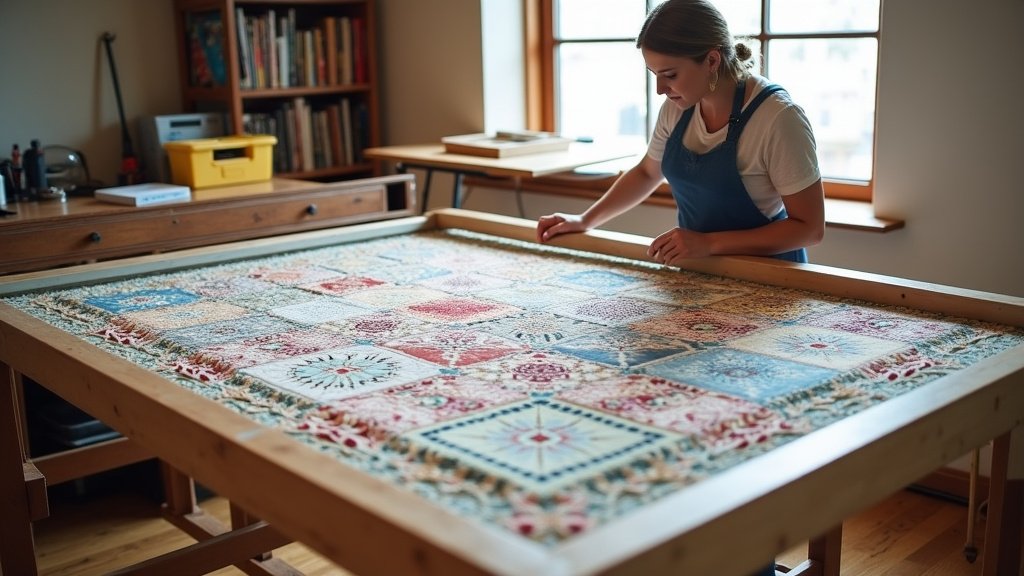
When you’re ready for more quilting power and comfort, manual floor frames often come into play. These frames stand on their own, meaning you don’t need a table. You can adjust the height and work while sitting or standing. The cost for a good manual floor frame usually ranges from $300 to $800. These offer a much larger quilting space and better ergonomics.
The fabric is typically attached to poles, and you manually roll or advance the quilt as you work. Many models feature ratcheting systems for easy tension control. We’ve seen that these frames are a popular choice for serious hobbyists who quilt larger items like queen-sized or king-sized quilts regularly.
Factors Affecting Manual Frame Prices
The materials used greatly impact the price of a manual floor frame. Solid wood frames, especially those made from hardwoods like oak or maple, tend to be more expensive. They are durable and aesthetically pleasing. Metal frames can also be very sturdy and might be more affordable.
The size of the frame is another major factor. Larger frames that can accommodate king-sized quilts will naturally cost more than smaller ones. We found that features like easy-to-use tension adjustments, smooth rolling mechanisms, and the overall sturdiness of the construction also contribute to the price. A frame that feels solid and doesn’t wobble is worth the investment.
Higher-End Options: Quilting Machine Frames
Now, let’s talk about the high-tech world of quilting machine frames. These are designed to work with a longarm quilting machine. They provide a stable, track-based system that moves the machine smoothly over your quilt. The price range here can be quite broad, typically from $800 to $2,000 for manual or semi-electric versions.
These frames are built for speed and efficiency, allowing you to quilt large projects with professional results. They often have built-in lighting and batten systems to keep your quilt layers perfectly smooth. We found that the precision and ease of use are major selling points for those who quilt frequently.
Electric and Computerized Quilting Frames
The top of the line, and therefore the most expensive, are electric and computerized quilting frames. These systems can range from $2,500 to $10,000 or even higher. They often come with advanced features like built-in touch screens, pre-programmed quilting patterns, and the ability to precisely control the machine’s speed and movement.
Many of these high-end frames are essentially integrated with the quilting machine itself, forming a powerful, automated quilting system. They can be programmed to repeat intricate designs across your quilt. We’ve seen that for professional quilters or those who quilt extensively for others, these machines represent a significant investment in their business or passion.
What Influences Machine Frame Costs?
The technology is the primary driver of cost here. Advanced motors, sophisticated software, and durable, precision-engineered components all add to the price. The size of the quilting area is also a factor, with larger frames costing more.
Features like integrated lighting, stitch regulation, bobbin sensors, and the overall build quality contribute. We found that the brand reputation and customer support offered by the manufacturer also play a role in the perceived value and price. Think of it like buying a car – the base model is one price, but adding all the bells and whistles increases it.
Key Factors to Consider Before Buying
When you’re deciding which frame is right for you, consider your current quilting habits and future goals. How often do you quilt? What size quilts do you typically make? Do you prefer hand-quilting or machine-quilting?
Your available space is also a critical factor. A large floor frame won’t work in a tiny apartment, just as a small hoop frame might feel inadequate for someone quilting king-sized quilts weekly. We’ve found that measuring your space carefully before you shop can save you a lot of headaches.
Material Matters: Wood vs. Metal vs. Other
The material of your frame impacts its durability, weight, and cost. Solid wood frames are often beautiful and sturdy but can be heavier and more expensive. Metal frames are typically strong, durable, and sometimes more budget-friendly, though they can be industrial-looking.
Some frames use a combination of materials or even advanced composites. We found that reviews often mention how stable the frame is, especially under tension. A wobbly frame can lead to uneven stitches and frustration.
Size and Space Requirements
A frame’s dimensions will dictate what size quilts you can work on and how much space it will take up in your home. Floor frames, even when not in use, occupy a significant footprint. Tabletop frames are more compact but require a dedicated table space.
Always check the maximum quiltable area. This is the largest quilt that can be comfortably managed on the frame. Remember to also account for the space around the frame you’ll need to move and work. Many experts suggest adding at least 2-3 feet of clearance on all sides (Mayo Clinic).
Essential Features to Look For
Think about the features that will make your quilting experience better. Easy tension adjustment is a big one. Smooth fabric advancement is another. Good lighting can make a huge difference, especially for detailed work.
Consider portability if you plan to move the frame. Some frames are designed to be easily disassembled for storage or transport. We found that looking at user reviews can highlight which features are most appreciated and which might be lacking in certain models. Here’s a quick checklist to guide your thoughts:
- Measure your available quilting space carefully.
- Consider the typical size of quilts you make.
- Think about your preferred quilting method (hand/machine).
- Prioritize sturdy construction for stability.
- Look for ease of fabric tension adjustment.
- Check for smooth fabric advancement mechanisms.
Conclusion
We’ve seen that the cost of a quilting frame really depends on your needs and budget. From simple hoop frames under $100 to sophisticated electric machine frames costing thousands, there’s an option for every quilter. You’ll want to weigh factors like size, material, and desired features carefully.
Your perfect frame is out there, ready to help you create beautiful quilts. Take your measurements, consider your quilting style, and start shopping with confidence. Happy quilting!
Frequently Asked Questions
Are there any hidden costs associated with quilting frames?
Sometimes. Besides the initial purchase price, consider potential costs for accessories like extra poles, rulers, or specialized quilting software if you’re getting a machine frame. Shipping costs can also add up for larger, heavier frames, so be sure to factor those in.
Can I find a good quilting frame for under $200?
Yes, you absolutely can! For under $200, you’ll likely find excellent options like sturdy hoop frames for hand-quilting, some basic tabletop frames, or even DIY kits. These are great for beginners or those with smaller projects and space limitations.
Is a more expensive quilting frame worth the investment?
For many quilters, yes. Higher-priced frames, especially manual floor frames and machine frames, often offer better stability, larger quilting areas, smoother operation, and improved ergonomics. If you quilt frequently or work on large projects, the investment can save you time and physical strain.
How does the material affect the quilting frame’s price?
Material significantly impacts price and durability. Solid hardwood frames are usually the most expensive due to their beauty and sturdiness. Metal frames can be very durable and might be more affordable, while plastic or composite materials often make for the most budget-friendly options.
Should I buy a quilting frame based on my current quilting experience?
It’s wise to consider your experience. Beginners might start with a simple, affordable hoop or tabletop frame to see if they enjoy quilting. As your skills grow and your project sizes increase, you can then look into more advanced manual or electric frames to support your evolving quilting journey.