Is a Stitch Regulator Worth It?
On this page (5 sections)
Yes, a stitch regulator is often worth the investment for quilters, especially if you struggle with consistent stitch length. It helps create neat, even stitches, saving you time and frustration on your quilting projects. Think of it as a helpful guide for your machine.
Many quilters find that a stitch regulator takes the guesswork out of free-motion quilting. It allows you to focus more on your artistic design rather than constantly adjusting your speed. This tool can really boost your confidence as you work.
- Stitch regulators help with even stitches.
- They reduce frustration during free-motion quilting.
- Focus more on design, less on speed.
- Can boost your quilting confidence.
- They are often worth the cost for many quilters.
Let’s dive into what a stitch regulator is and how it can benefit your quilting journey.
Understanding Stitch Regulators for Your Quilting
So, you’re wondering if a stitch regulator is the right tool for your quilting adventures. It’s a fair question! Many quilters grapple with achieving consistently sized stitches when they’re free-motion quilting. You want those beautiful, flowing lines, but sometimes your machine seems to have a mind of its own, right?
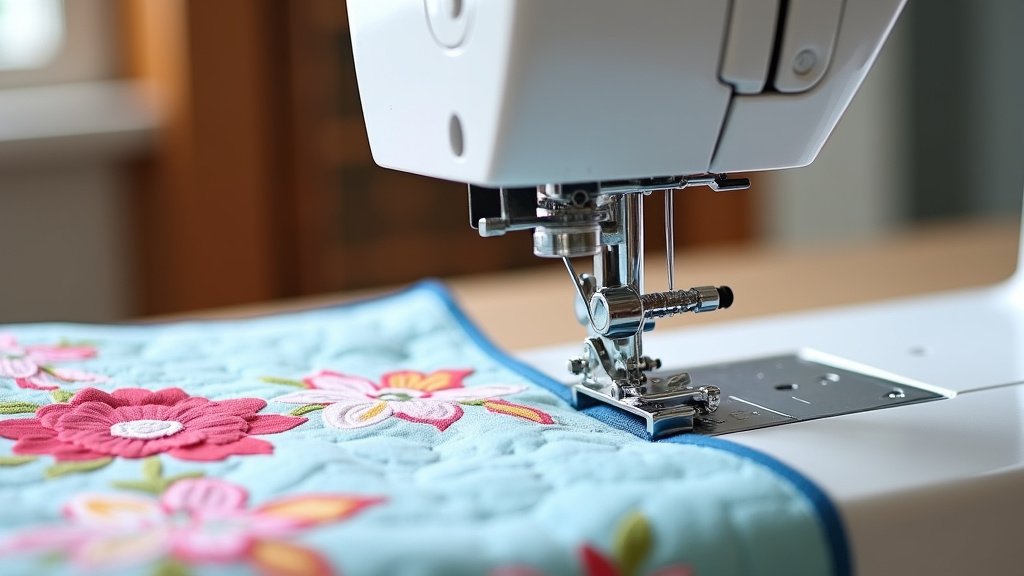
A stitch regulator is designed to help with exactly that. Think of it as a smart assistant for your sewing machine. It works by reading the speed at which you move your fabric under the needle. Then, it tells your machine’s motor how fast to stitch. This connection helps ensure your stitches are the same length, no matter if you’re moving fast or slow.
What Exactly Does a Stitch Regulator Do?
At its core, a stitch regulator synchronizes your fabric movement with your machine’s stitching speed. When you move your fabric faster, the regulator signals the machine to stitch faster. If you slow down, the machine stitches slower. This creates a consistent stitch length. It takes the guesswork out of the equation.
This synchronization means you can focus more on the creative part of free-motion quilting. You can concentrate on the patterns, the curves, and the beautiful designs you want to create. You don’t have to constantly worry about whether your stitches will be too long or too short. It frees up your mental energy for artistry.
How Does It Work Mechanically?
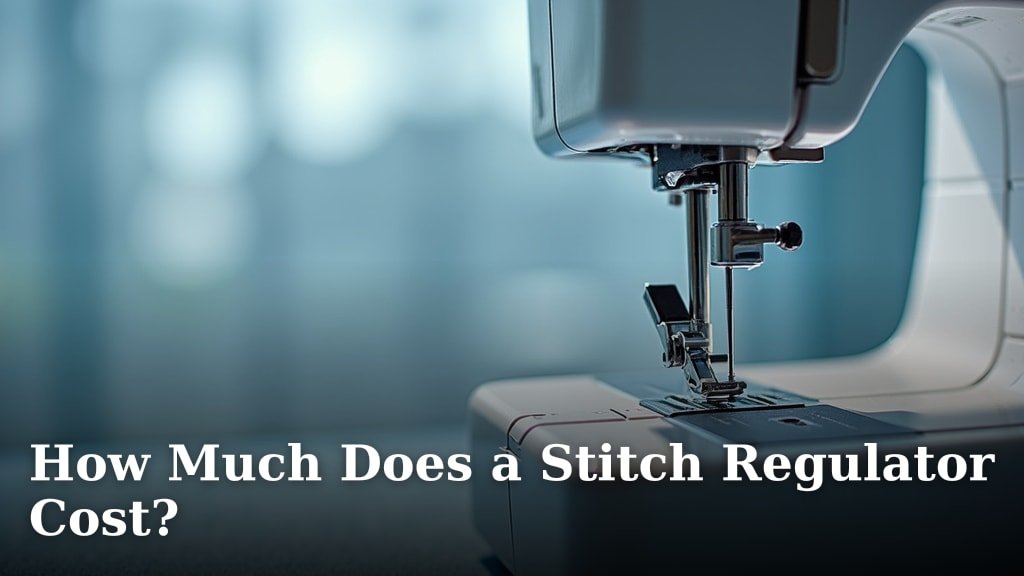
Most stitch regulators use sensors. These sensors are often attached to your machine’s frame or throat plate. They detect the movement of your fabric. Some systems use optical sensors, while others might use mechanical feelers. The data from these sensors is sent to a control box.
The control box then communicates with your sewing machine’s motor. It adjusts the motor’s speed in real-time. This happens many times a second, so the adjustments are very smooth. The goal is to make your movement and the machine’s stitching feel like one fluid motion. You’re essentially guiding the needle, and the regulator ensures the stitches match your pace.
Who Benefits Most from a Stitch Regulator?
If you’re new to free-motion quilting, a stitch regulator can be a real confidence booster. Learning to control your speed and fabric at the same time can be challenging. The regulator does some of that heavy lifting for you. This allows you to practice the motion of quilting without the added stress of stitch consistency.
Experienced quilters also find them beneficial. Even seasoned quilters can have off days. Sometimes, fatigue can affect your speed and rhythm. A stitch regulator can help maintain that beautiful stitch quality when you might otherwise struggle. It can also allow for more complex, intricate designs that require precise stitch lengths.
Beginner Quilters and Stitch Regulators
For beginners, the learning curve for free-motion quilting can feel steep. You’re trying to coordinate your hands moving the fabric with your feet controlling the pedal. It’s a lot to manage! A stitch regulator simplifies one aspect of this. It allows you to get a feel for moving the quilt sandwich smoothly under the needle. Your stitches will look more professional from the start.
This early success can be very motivating. It encourages you to keep practicing and exploring more advanced techniques. Instead of getting frustrated by uneven stitches, you can celebrate making pretty patterns. This positive reinforcement is key to developing your quilting skills and enjoying the process.
Advanced Quilters and Stitch Regulators
Advanced quilters often push the boundaries of design. They might want to fill large areas with dense background quilting or create very fine, detailed motifs. Maintaining a consistent stitch length throughout these demanding tasks is essential for a polished look. A stitch regulator ensures that even the smallest embellishment stitches are the same size as your larger fill stitches.
Furthermore, when working on a large quilt, maintaining a consistent pace for hours can be tiring. A regulator helps ensure that even if your pace wavers slightly due to fatigue, the stitch quality remains high. This means the final quilt will look beautifully consistent, from the first stitch to the last.
Weighing the Costs and Benefits
The decision to purchase a stitch regulator often comes down to budget and your quilting goals. These devices can add a significant cost to your quilting setup. However, the benefits they offer in terms of time saved and frustration avoided can make them a worthwhile investment for many.
Consider how much time you currently spend unpicking stitches that are too long or too short. Think about the frustration you might feel when a project doesn’t turn out as neatly as you’d hoped due to inconsistent stitches. If these are common issues for you, a stitch regulator could pay for itself in saved time and improved satisfaction.
The Financial Aspect to Consider
Stitch regulators aren’t inexpensive. They can range from a few hundred dollars to over a thousand, depending on the brand and model. You also need to ensure your sewing machine is compatible with the regulator system you choose. Some machines come with this feature built-in, while others require an add-on unit.
When evaluating the cost, it’s helpful to think about it as an investment in your hobby or even your business. If you quilt frequently, the time savings and improved quality can be very impactful. Many quilters report that after using a regulator, they quilt more often because the process is more enjoyable and less demanding.
Time and Frustration Savings
How much is your time worth? If you’re spending hours unpicking stitches, that’s time you could be spending on your next project or enjoying other aspects of life. We found that many quilters report a significant reduction in unpicking when using a stitch regulator. This alone is a huge benefit for many.
The reduction in frustration is also a major factor. Quilting should be a relaxing and creative outlet. When you’re constantly fighting with your machine to get consistent stitches, it stops being fun. A regulator can bring back the joy by smoothing out one of the most common challenges in free-motion quilting.
Are There Any Downsides?
While stitch regulators offer many advantages, it’s important to be aware of potential drawbacks. Some quilters feel that relying too heavily on a regulator might hinder the development of their natural speed control. It’s a bit like learning to drive with automatic transmission versus manual. You might not develop the same intuitive feel for the mechanics.
Additionally, as mentioned, there’s an upfront cost. You need to make sure it fits within your budget. Some quilters also find the setup and calibration of the device to be a bit finicky. Getting it to work perfectly with your specific machine might require some patience and experimentation.
Developing Your Natural Stitch Control
It’s true that some quilters prefer to develop their free-motion skills entirely without assistance. They argue that mastering manual speed control provides a deeper understanding of the quilting process. You learn to feel the rhythm and respond intuitively. This can lead to a very personalized quilting style.
However, this learning process can be lengthy and, for some, discouraging. You might produce many quilts with uneven stitches along the way. If your goal is to simply enjoy quilting and produce beautiful results without a steep learning curve for stitch control, a regulator is an excellent choice. You can still develop your artistic eye and fabric-handling skills.
Setup and Learning Curve for the Device
Getting a stitch regulator set up correctly can sometimes be a bit of a process. You’ll need to ensure it’s properly calibrated for your specific sewing machine and the type of foot you’re using. This might involve adjusting tension settings or sensor sensitivity. Some users report needing to consult their machine manual and the regulator manual frequently.
The “learning curve” for the device itself is generally short for basic use. However, fine-tuning it for optimal performance might take a little practice. Once it’s set up, operating it is straightforward. You move your fabric, and the regulator handles the machine speed. Most find the initial setup is a small price to pay for the ongoing benefits.
Checklist: Is a Stitch Regulator Right for You?
Consider these points to help you decide:
- Do you frequently struggle with inconsistent stitch lengths during free-motion quilting?
- Do you find yourself unpicking stitches often due to speed variations?
- Do you feel that stitch control is a major barrier to enjoying free-motion quilting?
- Are you looking to improve the professional appearance of your finished quilts?
- Is your budget able to accommodate the cost of a stitch regulator?
- Do you prefer a tool that simplifies a technical aspect of quilting so you can focus on design?
Conclusion
Ultimately, whether a stitch regulator is “worth it” depends on your personal quilting journey and goals. If you’re seeking to reduce frustration, improve stitch consistency, and spend more time enjoying the creative aspects of free-motion quilting, then this tool can be a fantastic addition to your setup. We’ve found that many quilters experience a renewed sense of joy and confidence after incorporating one. Consider your budget, your current challenges, and how much you value time and precision. Take the next step by researching models compatible with your machine and reading reviews from fellow quilters. Take the next step by researching models compatible with your machine and reading reviews from fellow quilters about a stitch regulator.
Frequently Asked Questions
Can a beginner quilter really use a stitch regulator effectively?
Yes, beginners often benefit greatly from a stitch regulator. It helps overcome the initial challenge of coordinating fabric movement with machine speed, allowing you to focus on learning patterns and improving your artistic design. This can build confidence early on.
Will using a stitch regulator prevent me from learning natural stitch control?
Some quilters worry about this, but it’s not always the case. While it simplifies stitch control, you can still practice manual speed control on separate projects or when the regulator isn’t in use. Think of it as a tool that allows you to achieve consistent results while you develop other quilting skills.
How much do stitch regulators typically cost?
The cost can vary quite a bit, generally ranging from a few hundred to over a thousand dollars. The price depends on the brand, model, and whether it’s an add-on system or integrated into a machine. It’s an investment to consider against the time and materials you might save.
Are stitch regulators difficult to set up and calibrate?
Setup can sometimes require a bit of patience, as you’ll need to calibrate it for your specific machine and possibly your preferred foot. Most users find the initial setup is manageable, and once calibrated, they work quite smoothly for quilting sessions.
What if my sewing machine isn’t compatible with a stitch regulator?
If your current machine isn’t compatible, you have a couple of options. You could look for an add-on stitch regulator system designed for your machine model, or consider upgrading to a machine that either has a built-in regulator or is known to work well with them. Research compatibility carefully before purchasing.