How to Quilt Baptist Fans with a Walking Foot
You can quilt Baptist fans with a walking foot by marking repeatable curved guides and stitching each arc in steady rows. Plan the fan spacing first, then rotate or reposition the quilt as needed to keep the fabric moving smoothly.
On this page (9 sections)
- Can you quilt Baptist fans with a walking foot?
- How do you plan the fan size and spacing?
- What do you need to mark the arcs?
- How do you stitch the curves without free motion?
- How can you keep rows even across the quilt?
- What should you do if the fabric puckers or the curves look uneven?
- How do Baptist fans compare with other machine motifs?
- Which products fit this quilting project?
- How should you finish the fan quilting?
You can quilt Baptist fans with a walking foot by marking repeatable curved guides and stitching each arc in steady rows. The walking foot helps feed the layers together, while your hands guide the quilt through each curve.
This method suits quilters who want curved fan motifs without free motion stitching. Work in manageable sections, keep the quilt supported, and check the spacing before you sew a full row.
Can you quilt Baptist fans with a walking foot?
Yes, a walking foot can stitch curved Baptist fan rows when you guide the quilt along marked arcs. It doesn't steer the curve for you, so clear marks and a comfortable quilt position matter.
A walking foot moves the top layer in step with the feed dogs below. walking-foot quilting for T-shirt quilts can help when stitching a layered shirt quilt. That can help reduce shifting as you quilt through the batting and backing, especially on a larger sandwich.
The fan shape comes from a set of nested curves that share a starting area or baseline. You can mark the arcs with a template or another repeatable guide, then stitch one curve at a time.
If you're choosing between a walking foot and another quilting method, see whether you can quilt without a walking foot and whether you need a walking foot for quilting.
How do you plan the fan size and spacing?
Choose a fan size that fits the quilt area and your ability to move the sandwich. Larger fans mean fewer curves to mark, while smaller fans create a denser pattern and require more turning or repositioning.
Make a small paper sketch before marking the quilt. Include the fan radius, overlap between fans, and the distance between rows so you can see how the motif will fill the space.
Use a sample sandwich to test the curve and spacing. This helps you judge whether the arcs feel smooth at your machine and whether the chosen fan size is comfortable to guide.
If you're still weighing motif options, how to choose the best quilting machine motif can help you compare the look and the stitching approach.
What do you need to mark the arcs?
Use a template or measured guide that gives you consistent curves. Pick a marking tool that is removable from your fabric and test both the tool and removal method on a scrap first.
A fan template can speed up repeated arcs. If you draw the guides yourself, mark the center or baseline points first, then connect them with smooth curves at the same spacing.
Avoid marking more than you can comfortably stitch in one sitting. Some marking lines can fade or rub away as you handle the quilt, so work in sections if needed.
How do you set up the quilt sandwich?
A smooth, well-basted sandwich is easier to guide through curved rows. Secure the layers with a method that suits the quilt size and batting, then check for loose areas before stitching.
Keep extra quilt bulk supported on a table or your lap, rather than letting it hang from the machine. If you'd like a quick strip-pieced project, try a jelly roll race quilt.
A quilt-as-you-go pattern can be a separate project option for smaller work; the June Tailor pattern uses printed cotton/poly batting and piece-by-number construction for a table runner.
This pattern makes a finished 48 x 15 in table runner, and fabric isn't included. It isn't a Baptist fan guide, but it can be useful if you want to practice managing a smaller project at the machine.
How do you stitch the curves without free motion?
Stitch each marked arc at a steady pace, keeping the quilt flat and supported. Let the walking foot and feed dogs move the sandwich while you make small steering adjustments through the curve.
Start with a few inches of stitching on a sample sandwich. Keep your hands on either side of the needle area, guide the line without pulling, and stop with the needle down when you need to reposition.
For a continuous fan, stitch the arcs in a planned sequence and check the joins before moving to the next fan. If the quilt resists turning, pause and rearrange the bulk instead of forcing it around the needle.
A walking foot has limits on tight curves. If the arc feels too sharp to steer smoothly, enlarge the fan, adjust the row layout, or consider a different quilting approach.
How can you keep rows even across the quilt?
Mark a row baseline and repeat the same fan spacing from it. Compare the endpoints of each fan before sewing so the next group begins where you expect.
Choose a starting point that leaves room for the quilt to move through the machine. Many quilters find it easier to work from the center outward, though your machine setup and quilt size may favor another order.
Keep the marked lines visible as you stitch. If the fabric shifts or a line becomes hard to see, stop and recheck the alignment before continuing.
What should you do if the fabric puckers or the curves look uneven?
Stop when the sandwich starts to bunch, then smooth and reposition it before sewing again. Pulling the quilt can distort the curve and make the layers shift.
Check that the quilt is supported and that the foot is installed as your machine's instructions require. A sample can help you adjust the setup before you continue on the finished quilt.
Small variations may be less noticeable across a full design than they seem at the needle. Keep the spacing consistent from fan to fan, and avoid correcting one curve by stretching the fabric.
How do Baptist fans compare with other machine motifs?
Baptist fans use repeated curved arcs, while other motifs create different rhythms and spacing. For another motif option, see insetting organic shapes in quilts.
Pick the design that suits the quilt's scale and the way you want to guide it at the machine.
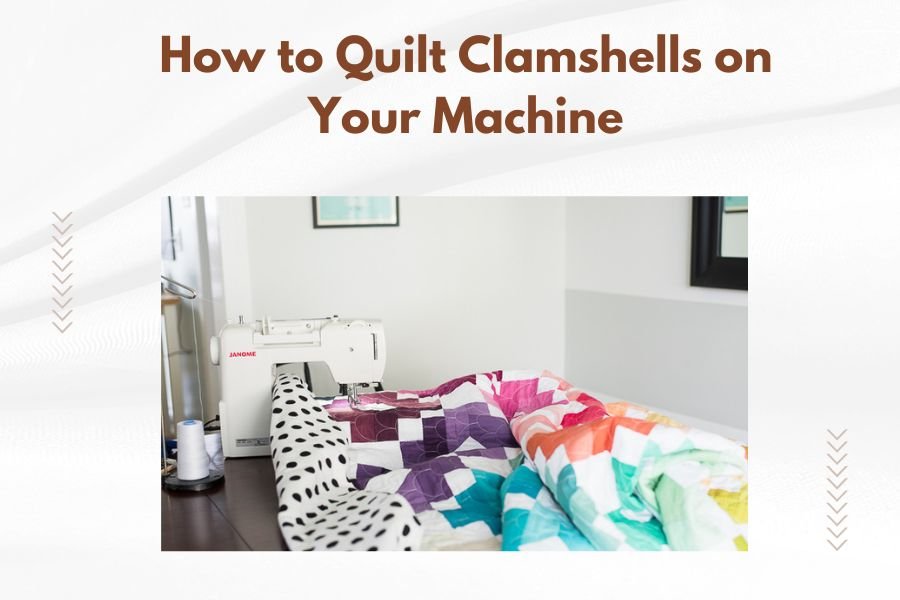
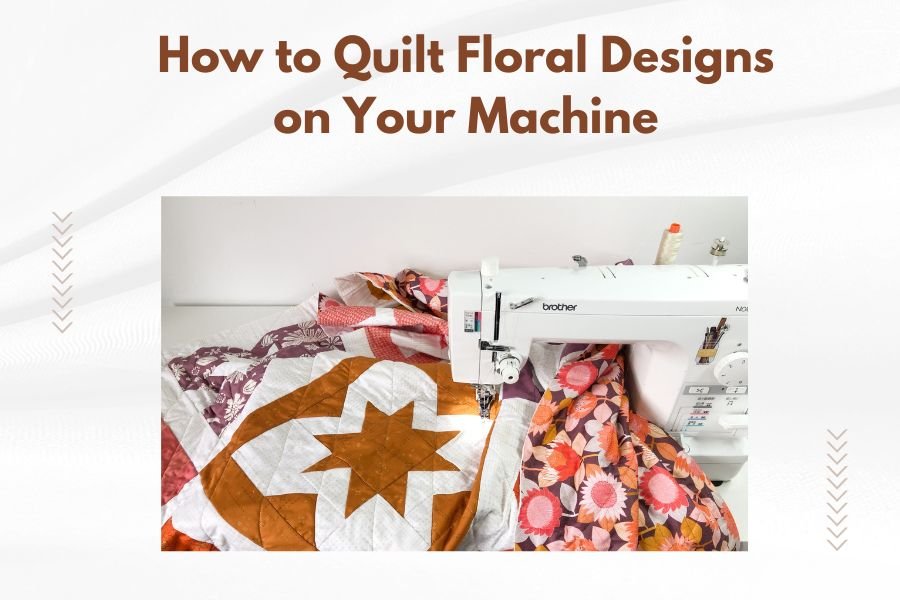
For rounded scallop shapes, see how to quilt clamshells on your machine. For a motif with petal-like lines, compare how to quilt floral designs on your machine.
A walking foot can guide several marked designs, but each has its own turning demands. Try a short sample of the motif before marking the full quilt.
Which products fit this quilting project?
The table runner pattern fits a small quilt-as-you-go project; the velvet quilt sets are finished bedding rather than quilting tools. They don't provide a walking foot, fan template, or Baptist fan instructions.
The RECYCO set includes one 108 x 96 in velvet quilt and two pillow shams. Its channel stitch pattern is part of the finished bedding, not a guide for stitching Baptist fans.
This RECYCO set also includes a 108 x 96 in velvet quilt and two shams. Choose it for the stated color and bedding set contents, not as a quilting supply.
How should you finish the fan quilting?
Secure your thread ends and inspect the stitched rows before trimming or binding. For hand quilting, see how to secure thread tails.
Check that the arcs meet cleanly and that no loose areas remain in the quilt sandwich.
If you used removable marks, follow the marking tool's directions to remove them. Let the quilt dry fully if the method uses moisture, then finish the edges according to your project plan.
For Baptist fan walking foot quilting, choose a manageable fan size, mark consistent arcs, and guide the quilt without pulling. Start with a sample if the curves feel tight, then use the method that gives you even rows on your machine.
Frequently asked questions
Can you quilt Baptist fans with a walking foot?
Yes. A walking foot can stitch Baptist fans when you mark the arcs and guide the quilt through each curve at a steady pace.
The foot helps feed the quilt layers together, but the curves still need careful steering and enough room to move the project.
How do you mark Baptist fan quilting lines?
Use a removable marking tool that suits your fabric and test it on a scrap first. A template, compass-style guide, or repeated spacing marks can help keep the arcs consistent; follow the marking tool's instructions for removal.
Do you need a walking foot to quilt Baptist fans?
No, but a walking foot can help feed a quilt sandwich evenly during straight-line or guided quilting. Free motion quilting is another option for curved fans, though it uses a different feed and movement technique.
How do you keep Baptist fan rows even?
Mark a baseline and repeat the same arc spacing across each row. Check where each fan starts and ends before sewing, and pause to reposition the quilt when needed so the curve stays smooth without pulling or bunching.