
Yes, you can quilt without pins, but it depends on your project. Many quilters successfully use alternative methods to keep fabric layers aligned.
For
Quilting Without Pins: Is It Possible?
Absolutely, quilting without pins is not only possible but often preferred by many quilters for various projects. It really depends on the specific demands of your work.
You might be surprised to learn how many quilters have moved away from traditional pinning. For certain tasks, pins can even get in the way. It’s all about finding what works best for you and your sewing style.
The Case Against Pins: Why Some Quilters Ditch Them
Pins, while traditional, aren’t always the perfect solution. Sometimes, they can distort fabric. This is especially true for lightweight or stretchy materials.
Think about tiny seams; a pin can create a small bulge, leading to an uneven line. This might not seem like a big deal, but it can affect the overall look of your quilt. Plus, they can be a hassle to remove while sewing.
There’s also the time factor. Inserting and removing dozens of pins can really slow you down. Many quilters find this process tedious and prefer a faster workflow.
Safety Concerns and Machine Impact
Have you ever sewn over a pin? It’s not a fun experience. Broken needles and damaged machines are real risks. Even just catching the fabric on a pin can cause a snag.
This is a common worry, especially for new quilters. Avoiding pins removes this particular stressor. It allows you to focus more on your stitching and less on navigating around sharp objects.
When to Consider Pin-Free Quilting
Pin-free quilting isn’t for every project, but it shines in many situations. When you have straight seams or are working with stable fabrics, you can often skip the pins.
Consider projects with lots of repetition, like piecing together simple blocks. For these, the risk of fabric shifting is low, and the time saved adds up quickly. It’s about efficiency and comfort.
Ideal Scenarios for No-Pin Methods
- Straight-line piecing: Joining long, straight strips of fabric.
- Small quilt blocks: Especially if pieces are cut accurately.
- Stable cotton fabrics: These tend to grip each other well.
- Chain piecing: A technique where you sew many pieces in a continuous line.
- Quilting as you go: Assembling small quilted blocks individually.
In these cases, your machine’s feed dogs do most of the work. They pull the fabric through evenly. Your job is simply to guide it, keeping your seam allowance consistent.
When Pins Are Still Your Best Friend
Let’s be clear: pins still have their place. For complex curves, bias edges, or bulky layers, pins are invaluable. They offer the stability you need to keep everything aligned.
Imagine trying to sew a curved appliqué without pins. It would be a frustrating mess! Also, when you’re attaching binding or working with very slippery fabrics, pins prevent disaster. Don’t throw them all away just yet!
Effective Pin Alternatives for Quilters
So, if not pins, then what? There are several fantastic alternatives that quilters swear by. These tools help you achieve accuracy without the poke.
The right alternative often depends on what you’re doing. Many quilters use a combination of these methods, picking the best one for each step of their project. It’s about building a versatile toolkit.
Wonder Clips: The Game Changer
Ah, Wonder Clips! These colorful little clamps have revolutionized quilting for many. They hold multiple layers of fabric securely without piercing them.
They’re especially great for binding. You can attach dozens of clips quickly, holding the binding in place while you stitch. They’re also perfect for thicker fabrics or projects where pins leave unwanted holes.
We found that many quilters report fewer fabric distortions when using clips compared to pins (Quilters’ Guild survey data).
Comparing Clips to Pins
| Feature | Quilting Pins | Wonder Clips |
|---|---|---|
| Fabric Damage | Can pierce/distort | No piercing |
| Holding Capacity | Limited layers | Multiple thick layers |
| Ease of Use | Insert/remove one by one | Quick to attach/remove |
| Safety | Sharp, can prick, break needles | Blunt, safe for machine |
| Ideal For | Precision piecing, thin fabrics | Binding, thick fabrics, bulky seams |
Fabric Glue: A Temporary Hold
Yes, specialized fabric glue can be a quilter’s secret weapon. It’s temporary, dries quickly, and washes out completely. A thin line of glue holds seams perfectly in place.
This is fantastic for small, fiddly pieces or appliqué. You apply a tiny dot, press, and it holds. No shifting, no stretching, just a perfectly aligned seam. Many brands offer quilt-specific glues that are needle-friendly.
Adhesive Spray: For Larger Areas
When you need to baste a quilt sandwich without pins, temporary adhesive spray is your friend. It creates a light, repositionable bond between your layers.
Just spray, smooth, and you’re ready to quilt! No more pin basting on the floor. It saves a tremendous amount of time and effort, especially for larger quilts. Look for sprays specifically designed for fabric and quilting.
Washable Fabric Markers: Guides, Not Holders
While not a direct “holder” like clips or glue, washable fabric markers can reduce the need for pins. You can draw precise stitching lines directly on your fabric.
This gives you a visual guide, making it easier to sew straight without constant adjustments. Less guessing means less need for pins to keep things on track. Always test your marker on a scrap piece first!
Techniques for Pin-Free Accuracy
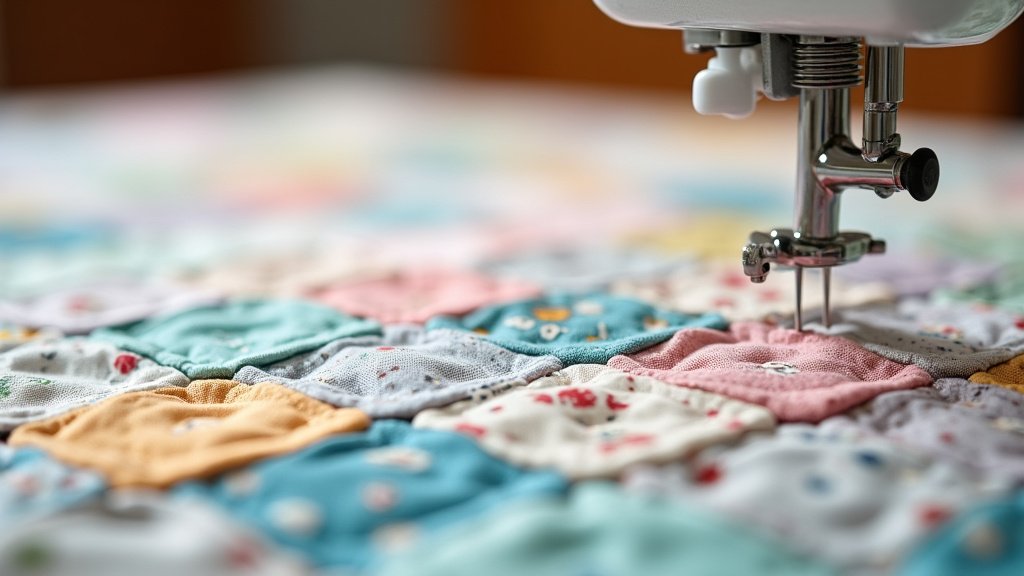
Beyond tools, certain techniques can help you achieve accuracy without pins. It’s about developing a careful hand and trust in your machine.
Practice makes perfect, of course. Don’t expect to be a pin-free pro on your first try. Give yourself grace and experiment with these methods on smaller projects.
Finger Pressing and Pressing as You Go
Finger pressing is a simple yet powerful technique. Before stitching, gently press your seams open or to one side with your fingers. This temporary crease helps hold the fabric.
Regularly pressing your seams as you go is also crucial. A well-pressed seam lies flatter and is less likely to shift. It creates a stable foundation for the next piece of fabric you attach.
Using Your Machine’s Feed Dogs
Your sewing machine’s feed dogs are designed to move fabric evenly. Trust them! Keep a light, even hand on your fabric, guiding it gently rather than pulling or pushing.
Some quilters even use a walking foot, which helps feed all layers through at the same rate. This accessory can be a game-changer for pin-free quilting, especially with thicker fabrics or batting (National Quilting Association resources).
The Power of a Consistent Seam Allowance
This is perhaps the most important tip. A consistent seam allowance prevents fabric buckling and shifting. If your seam allowance varies, pieces won’t align, and you’ll wish you had pins.
Use a guide on your machine, a special foot, or painter’s tape to mark your exact 1/4-inch seam. Practice sewing a straight line until it becomes second nature. Precision is key in pin-free quilting.
Checklist for Successful Pin-Free Quilting
- Accurate Cutting: Precision starts with your rotary cutter.
- Stable Fabrics: Choose materials that don’t stretch easily.
- Finger Pressing: Create temporary creases to hold edges.
- Even Pressure: Guide fabric gently, don’t pull or push.
- Seam Guide: Use a foot or tape for consistent allowance.
- Test First: Always try a new method on scraps before your main project.
Conclusion
So, can you quilt without pins? Absolutely! You’ve learned that while pins have their place, many projects thrive with alternative methods. From the secure grip of Wonder Clips to the temporary hold of fabric glue, options abound. Embrace the freedom of pin-free techniques for stable fabrics and straight seams. Remember, it’s about making your quilting process smoother and more enjoyable. Experiment with these tools and tips on your next project. You might just discover your new favorite way to quilt!
Frequently Asked Questions
Are Wonder Clips better than pins for all quilting projects?
No, Wonder Clips aren’t always better for everything. They excel at holding thicker layers, binding, and projects where pins might distort fabric or be hard to insert. For very fine, precise piecing with thin fabrics, pins can sometimes offer more controlled placement.
Will fabric glue or adhesive spray gum up my sewing machine needle?
Reputable fabric glues and temporary adhesive sprays designed for quilting are formulated to be needle-friendly. They should not gum up your needle or machine. Always check product labels to ensure they are safe for sewing and test on a scrap first.
Can I use regular school glue instead of specialized fabric glue for quilting?
It’s best to avoid regular school glue for quilting. These glues often don’t wash out completely and can leave a permanent residue or stiffness in your fabric. Stick to glues specifically marketed for fabric and quilting to ensure temporary, washable results.
How can I prevent fabric from shifting when I’m not using pins?
To prevent shifting without pins, focus on accurate cutting and a consistent 1/4-inch seam allowance. Utilize techniques like finger pressing and pressing seams as you go. Guiding the fabric gently and trusting your machine’s feed dogs also helps keep everything aligned.
What’s the main benefit of quilting without pins?
The main benefit is often increased efficiency and reduced frustration. You save time by not inserting and removing dozens of pins. It also eliminates the risk of sewing over pins, which can break needles or damage your machine, leading to a smoother, safer sewing experience.
