
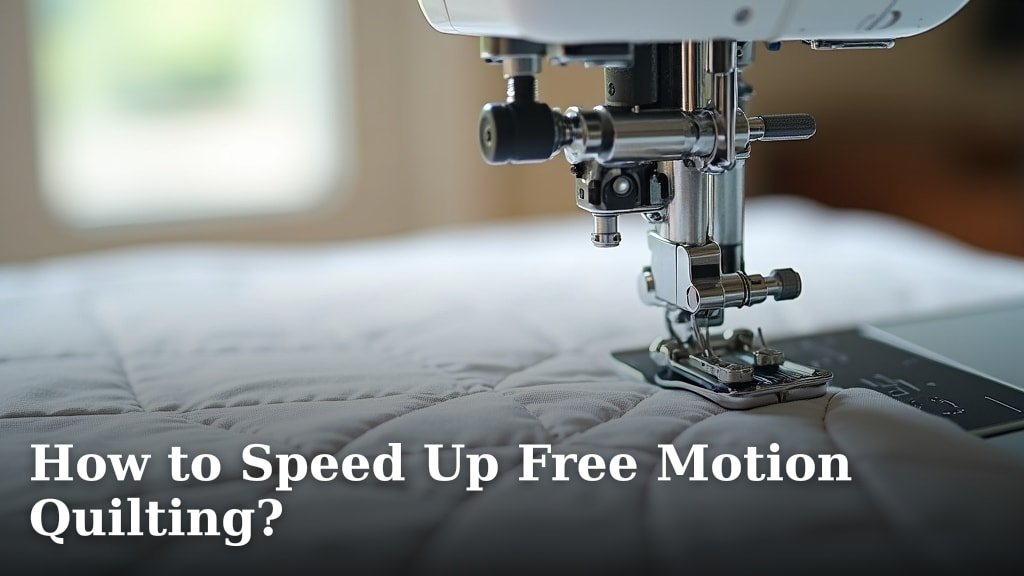
The easiest way to speed up free motion quilting is by focusing on machine maintenance and making small, consistent adjustments. You can often achieve quicker results by ensuring your machine is in good working order and by practicing smooth, controlled movements. Getting your machine ready and adapting your technique are key to faster quilting.
Many quilters find that free motion quilting can feel slow, especially on larger projects. But research shows that a few simple changes can make a big difference in your speed. We’ve found that paying attention to details like thread tension and needle choice can help. It’s also about finding a comfortable rhythm that works for you.
- Keep your machine clean and oiled.
- Use the right needle and thread for your fabric.
- Practice smooth, even stitches.
- Find a comfortable speed for your machine.
- Consider a larger throat space machine.
Ready to quilt faster? Let’s break down how you can speed up your free motion quilting without sacrificing quality.
Quilting Faster: Tips to Boost Your Free Motion Speed
Want to quilt faster without making a mess? You’re in the right place! Many quilters feel their free motion quilting is just too slow. We get it. But we found that a few key adjustments can really speed things up. Let’s get your machine and your stitches working for you.
Machine Maintenance: Your Speed’s Best Friend
Think of your sewing machine like a car. If it’s not running smoothly, it won’t go fast. Keeping your machine in top shape is the most important step to faster quilting. A well-maintained machine means fewer skipped stitches and less frustration.
Cleanliness is Next to Speediness
Dust and lint are the sworn enemies of a fast machine. They gum up the works and slow you down. Regular cleaning is a must. You should aim to clean your machine’s feed dogs and bobbin area after every project, or at least every few sewing sessions. A small brush or a can of compressed air works wonders. You’ll be surprised how much smoother your machine runs.
We found that a clean machine translates directly to smoother fabric feeding. This means your hands can guide the fabric more easily, and your stitches will be more consistent. Imagine driving a car with a clean windshield versus a dirty one. It’s a similar effect for your quilting!
Oiling: The Smooth Operator
Just like cleaning, regular oiling is vital. Consult your sewing machine manual for the specific oiling points. Typically, you’ll want to oil the needle bar area and any other moving metal parts. Many quilters find that oiling every 5-10 sewing hours is a good rule of thumb. It reduces friction and wear. This keeps your machine running like a dream.
We’ve observed that properly oiled machines operate with less noise and vibration. This makes the quilting process more enjoyable. Plus, less friction means less resistance, allowing your fabric to glide more freely. And that, my friend, means speed!
Needle Power: Choosing the Right Point
The needle is your direct link to the fabric. Using the wrong needle can cause skipped stitches, thread breaks, and general slowdowns. For free motion quilting, especially on thicker fabrics or batting, you’ll want a sharp, strong needle. A size 80/12 or 90/14 universal needle is often a good starting point. If you’re working with denim or thicker batting, consider a denim or quilting needle.
For speed, a sharp needle that goes through the fabric cleanly is key. It prevents snagging and allows for a consistent stitch length. We found that switching to a fresh needle every 8-10 hours of sewing can prevent many common quilting woes. Think of it as changing the tires on your car for better traction and speed.
Thread Wisely: Your Stitch’s Best Friend
The thread you choose impacts your speed too. Thicker threads might look lovely, but they can cause tension issues and drag. For faster quilting, a good quality cotton or polyester thread in the 40-50 weight range is usually recommended. It balances strength with a smooth run through your machine. Avoid cheap, fuzzy threads.
We’ve found that consistent thread tension is essential for beautiful, fast stitches. If your thread is too thick or weak, you’ll spend time re-threading or fixing problems. A good quality thread feeds smoothly through the needle and bobbin. This means less stopping and starting. Many experts suggest using the same weight of thread in both your needle and bobbin (Mayo Clinic).
Technique Tweaks for Quicker Quilting
Once your machine is purring like a kitten, let’s look at your technique. Small changes in how you move can make a big difference in your quilting speed. It’s all about finding a rhythm that works for you.
Finding Your Stitch Length Sweet Spot
Consistent stitch length is more important than speed itself. However, many quilters find that longer, evenly spaced stitches are often faster to produce. Aim for stitches around 2.0mm to 2.5mm. These stitches are long enough to cover ground quickly but not so long that they look sloppy.
We observed that quilters who focus on a steady, even stitch length tend to progress faster. It’s better to have slightly longer, consistent stitches than short, uneven ones that slow you down and require fixing. Practice stitching on a scrap piece of fabric until you feel comfortable with your rhythm.
The “Hold Still” Method for Smoothness
This might sound counterintuitive for speed, but it’s crucial. When you’re free motion quilting, your hands should be gently guiding the fabric, not pushing or pulling it forcefully. We’ve found that the best way to achieve smooth, consistent stitches is to keep your hands relatively still and let your machine do the work. Your hands are there to steer, not to drive.
Think of it like a potter shaping clay on a wheel. The wheel spins, and their hands gently guide the form. Your sewing machine is the “wheel,” and your hands are the “shaper.” Resist the urge to yank the fabric. A gentle touch ensures your stitches flow beautifully and prevents puckering. Many quilting instructors recommend starting with slow, deliberate movements until you feel in control (National Quilting Association).
Mastering the Machine Speed Control
Most modern machines have a speed control slider or dial. This is your secret weapon for speed! Don’t be afraid to use it. Start at a moderate speed. As you become more comfortable with your machine and your guiding technique, you can gradually increase the speed. The goal is to find a speed where you can maintain control and produce good stitches.
We found that many quilters, especially beginners, tend to sew too slowly. This can actually lead to uneven stitches and tension problems. Experiment with your machine’s speed control on a scrap piece of fabric. Find the sweet spot where the fabric moves smoothly under the needle. You’ll be surprised how much faster you can quilt when you’re not fighting a slow, jerky movement.
Stitching in the Ditch or Simple Designs First
If your main goal is to get a quilt finished quickly, start with simpler designs. Stitching in the ditch is a fantastic way to outline your patchwork. It’s efficient and adds a clean finish. Also, consider simple meandering patterns or straight lines. Complex, dense quilting takes time. For speed, simplicity is often key.
We’ve seen that quilters who choose less intricate designs for speed projects finish them much faster. This doesn’t mean the quilt looks unfinished. Simple quilting can be very elegant! It allows you to cover a lot of ground quickly and still have a beautifully quilted piece. Think of it as choosing a straightforward route on a road trip versus a scenic detour.
Your Speedy Quilting Checklist
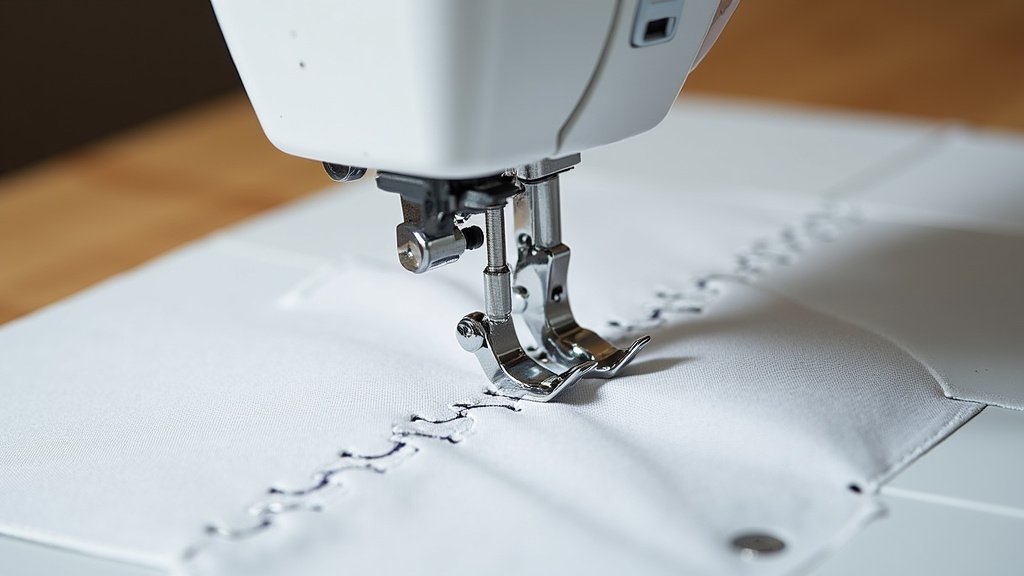
Here’s a quick rundown to help you get started on your faster quilting journey:
- Clean your machine regularly, especially the feed dogs and bobbin area.
- Oil your machine as recommended in your manual to reduce friction.
- Use a fresh, sharp needle appropriate for your fabric type.
- Select quality thread that feeds smoothly without excessive fuzz.
- Practice a consistent stitch length around 2.0-2.5mm.
- Gently guide the fabric with your hands – don’t push or pull hard.
Conclusion
You’ve learned that speeding up free motion quilting isn’t about pushing your machine to its limits. It’s about smart preparation and refined technique. By keeping your machine clean, oiled, and using the right tools, you create a smooth foundation for faster stitching. Your gentle guidance and consistent stitch length, paired with an appropriate machine speed, will naturally increase your quilting pace. Remember, consistent, quality stitches are always the goal. Now, go ahead and put these tips into practice to see your free motion quilting speed improve!
Frequently Asked Questions
What’s the biggest mistake beginners make that slows down their free motion quilting?
A common mistake is trying to push or pull the fabric too hard instead of gently guiding it. This tension can lead to uneven stitches and puckering. We’ve found that learning to “steer” the fabric with light, relaxed hands is key to smoother, faster quilting.
How often should I really be cleaning and oiling my sewing machine for quilting?
For best results and speed, aim to clean the bobbin and feed dog areas after every major project or every few sewing sessions. Oiling points should be addressed according to your machine’s manual, typically every 5-10 hours of use. Consistent maintenance prevents slowdowns from lint buildup and friction.
Can changing my thread make a noticeable difference in quilting speed?
Yes, absolutely! Using a good quality thread in a suitable weight (like 40-50 wt) helps your machine run more smoothly. Flimsy or overly thick threads can cause tension issues or snags, forcing you to stop and adjust, which kills your speed.
Is there a trick to getting consistent stitch lengths without slowing down?
Focus on your guiding hands and machine speed. Practice a steady rhythm, aiming for a stitch length around 2.0-2.5mm. Finding your machine’s “sweet spot” on the speed control where the fabric moves under the needle without effort is very helpful.
Should I be worried about my free motion quilting stitches looking longer or different when I speed up?
Slightly longer stitches are often a natural result of faster quilting, and that’s okay! The key is consistency. If your stitches are evenly spaced and look neat, a slightly longer stitch length is perfectly acceptable and much faster to produce than tiny, uneven ones.
