Can You Quilt with Cotton and Polyester Mixed?
On this page (7 sections)
Yes, you absolutely can quilt with cotton and polyester blends! Mixing these fabrics is a common practice in quilting. It can offer a great balance of the natural feel of cotton with the durability and ease of care that polyester provides. You just need to be mindful of a few simple things to ensure your quilt turns out beautifully.
Many quilters choose to blend cotton and polyester for practical reasons. A blend can result in a quilt that’s a bit more wrinkle-resistant and may even shrink less than 100% cotton. This can make the quilting process smoother and the finished product easier to maintain. It’s a smart way to get the best of both worlds for your projects.
- Yes, you can mix cotton and polyester fabrics for quilting.
- Blends can offer benefits like reduced wrinkling and easier care.
- Pay attention to the specific fabric weights and finishes.
- Pre-washing your fabrics before cutting is still a good idea.
Let’s dive into the details and see how mixing these fibers can work perfectly for your next quilt.
Quilting with Cotton and Polyester Blends: What You Need to Know
Yes, you can absolutely blend cotton and polyester fabrics in your quilting projects! It’s a very common practice. Many quilters choose this combination. It offers a wonderful balance. You get the natural feel of cotton. You also get the durability of polyester. This blend can make your quilt easier to care for. It can also make it more resistant to wrinkles.
Understanding Fabric Blends in Quilting
When we talk about cotton and polyester blends, we’re usually referring to fabrics. These fabrics have a mix of natural cotton fibers and synthetic polyester fibers. The percentage of each fiber can vary a lot. This variation affects the fabric’s properties. For example, a fabric with 80% cotton and 20% polyester will behave differently. It will feel more like cotton. A fabric with 50% cotton and 50% polyester will have more polyester characteristics.
Why Choose Blended Fabrics?
There are several good reasons quilters reach for blends. One big one is durability. Polyester fibers are very strong. They resist tearing and stretching. This means your quilt might last longer. It’s especially good for quilts that get a lot of use. Think about quilts for children or baby blankets. They need to be tough!
Another benefit is ease of care. Cotton can shrink and wrinkle quite a bit. Polyester doesn’t shrink much. It also wrinkles less. This makes washing and ironing your quilt much simpler. You might find your finished quilt looks neater with less effort. Many quilters appreciate this time-saving aspect.
Blends can also offer colorfastness. Polyester dyes tend to be more resistant to fading. This means your quilt colors might stay brighter for longer. This is a nice advantage, especially if your quilt will be exposed to sunlight.
Potential Downsides to Consider
While blends are great, they aren’t always the perfect choice for every quilter. Some quilters prefer the 100% natural feel of cotton. Blends can sometimes feel a bit less soft. They might not have that same familiar drape as pure cotton. It really comes down to personal preference and the look you want for your quilt.
Also, the way blended fabrics interact with batting and thread can be different. We’ll discuss this more later. Sometimes, the synthetic fibers in polyester can be a bit slippery. This can affect how the fabric layers behave during quilting. It’s something to keep in mind as you plan your project.
Working with Cotton and Polyester Blends: Practical Tips
So, you’ve decided to try quilting with a blend. Great choice! Now, let’s look at how to make it work smoothly. The key is to understand how these fibers behave together.
Pre-Washing is Still Your Friend
Even though polyester blends might shrink less than 100% cotton, it’s still a good idea to pre-wash your fabrics. Why? For a few reasons. First, it removes any residual chemicals from the manufacturing process. This is important for safety and comfort, especially for baby quilts (CDC). Second, it gives you a preview of how the fabric will behave after washing. Some blends might have a slight tug or change in texture.
Wash your blended fabrics the way you plan to wash the finished quilt. Use a gentle cycle and cool water. Avoid harsh detergents. Dry them on a low heat setting or hang them to dry. This helps prevent any unexpected shrinkage or color bleeding that could happen later. It’s a small step that can save you big headaches!
Understanding Fabric Weight and Thread Count
Just like with 100% cotton, the weight of your fabric matters. Quilting cottons are typically between 4 to 6 ounces per square yard. Blended fabrics come in similar weights. Lighter fabrics might be easier to handle but can be less durable. Heavier fabrics are sturdier. Make sure your blended fabric weight is consistent with any 100% cotton fabrics you plan to use. This ensures your quilt layers lie flat.
Thread count is also something to consider. While not as critical as in bedding, a higher thread count generally means a smoother, more tightly woven fabric. This can lead to a higher quality quilt. Look for fabrics that feel sturdy but still have a nice drape. You want them to be easy to cut and sew.
The All-Important Pre-Cut and Pre-Wash Test
Before you cut into a large amount of fabric, do a small test quilt sandwich. Use your chosen blended fabric, your batting, and your backing fabric. Quilt a small section. Then, wash and dry it. See how it holds up. Does it pucker? Does it snag? Does the thread catch? This little test will give you confidence. It also shows you if any adjustments are needed for your main project.
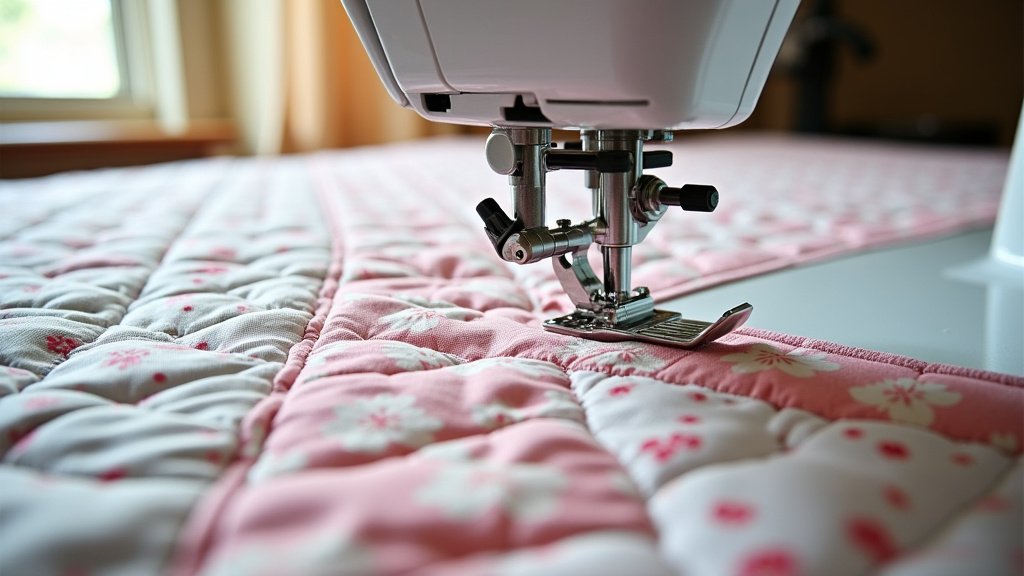
Choosing the Right Thread and Batting for Blends
When you mix fabrics, you also need to think about the other components of your quilt. Your thread and batting play a big role.
Thread Selection for Cotton-Polyester Quilts
This is where you might need to be a bit more careful. Many quilters prefer 100% cotton thread because it blends well with cotton fabrics. However, when polyester is involved, a polyester thread or a cotton-polyester blend thread can be a great choice. Why? Because these threads have similar properties to the polyester in your fabric. They are strong and can withstand the quilting process without breaking easily. For cotton-polyester blends, a polyester thread is a great choice due to its strength.
You can still use cotton thread if you like the look. Just be aware that it might wear out faster, especially on a heavily used quilt. If you choose a blend, make sure the thread is designed for quilting. It needs to be strong enough for the needle going through multiple layers.
Consider the weight of your thread too. A thicker thread might be more visible. A thinner thread might not be strong enough. It’s a balancing act. We found that a good quality all-purpose polyester thread works well for most cotton-poly blends.
Batting Options That Work Well
The batting is the fluffy layer inside your quilt. For cotton-polyester blends, you have several good options. A cotton batting is always a popular choice. It provides a natural feel and drapes beautifully. However, be aware that cotton batting can shrink. If your blended fabric has a lot of polyester, it might not shrink as much as the batting. This could lead to a slight puckering effect over time. Some quilters actually like this crinkly look!
Polyester batting is another excellent option. It’s durable, lightweight, and doesn’t shrink. It’s a perfect match for the polyester content in your quilt fabric. It can give your quilt a smooth finish. It also adds warmth without a lot of weight. This is great for thicker quilts.
You can also find cotton-poly blend battings. These offer a middle ground. They combine some of the softness of cotton with the durability and low shrinkage of polyester. Many experts suggest choosing a batting that complements your fabric blend’s properties (National Quilting Association).
Putting It All Together: A Checklist for Success
Ready to start your blended quilt? Here’s a quick checklist to keep you on track:
- Confirm Fabric Content: Know the percentage of cotton and polyester in your fabrics.
- Pre-Wash Fabrics: Always wash and dry your fabrics before cutting.
- Test Your Quilt Sandwich: Make a small sample to see how everything layers and quilts.
- Choose Compatible Thread: Opt for a strong thread, like polyester or a blend, that matches your fabric’s durability.
- Select Your Batting Wisely: Consider cotton, polyester, or a blend based on your desired look and care needs.
- Be Mindful of Tension: Adjust your sewing machine’s tension for the best stitch quality with blended fabrics.
Mixing cotton and polyester can open up new possibilities for your quilting. You can create beautiful, durable, and easy-care quilts. By understanding the properties of each fiber and following a few simple guidelines, you’ll be well on your way to a stunning finished product.
Conclusion
You’ve learned that blending cotton and polyester for your quilts is a fantastic choice! It offers you the best of both worlds: the natural feel of cotton with the practical benefits of polyester. You can create quilts that are more durable, easier to care for, and less prone to wrinkles. Remember to pre-wash your fabrics, test your quilt sandwich, and choose compatible thread and batting. Now you’re ready to start your next project with confidence. Go ahead and stitch up something wonderful!
Frequently Asked Questions
Will cotton and polyester blends shrink differently than 100% cotton?
Yes, cotton-polyester blends typically shrink less than 100% cotton fabrics. The polyester fibers resist shrinkage more than cotton. This is why pre-washing your blend is still important, but you’ll likely see less dramatic shrinkage compared to pure cotton.
Can I use 100% cotton batting with a cotton-polyester quilt top?
You can, but be aware that cotton batting tends to shrink. If your quilt top has a significant amount of polyester, it might not shrink as much as the batting. This can lead to a crinkled or puckered look after washing, which some quilters actually love!
Is it okay to mix different percentages of cotton and polyester in one quilt?
Generally, yes, you can mix them. However, be mindful that fabrics with higher polyester content will behave differently than those with more cotton. It’s a good idea to test a small sample to see how they perform together, especially regarding shrinkage and drape.
How does polyester thread perform in a cotton-polyester blend quilt?
Polyester thread is an excellent choice for quilts with cotton-polyester blends. Its durability and low shrinkage properties are similar to the polyester in your fabric. This helps prevent thread breakage during quilting and ensures your stitches hold up well over time.
Will my blended quilt feel stiff compared to an all-cotton quilt?
Some blended fabrics can feel slightly less soft or have a different drape than 100% cotton. However, this varies greatly depending on the blend percentage and the fabric’s finish. Many modern blends are designed to feel quite comfortable, especially after washing.