
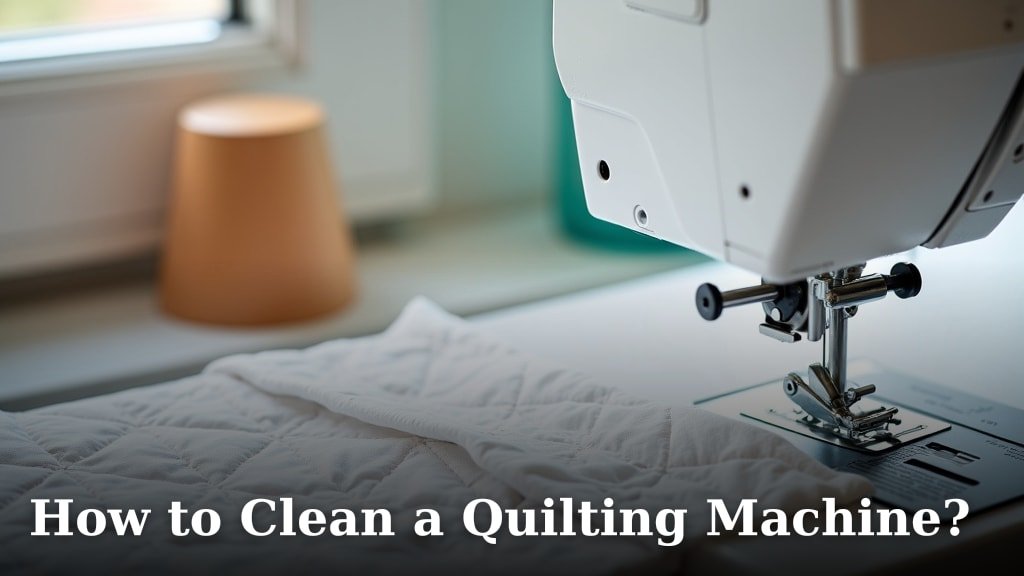
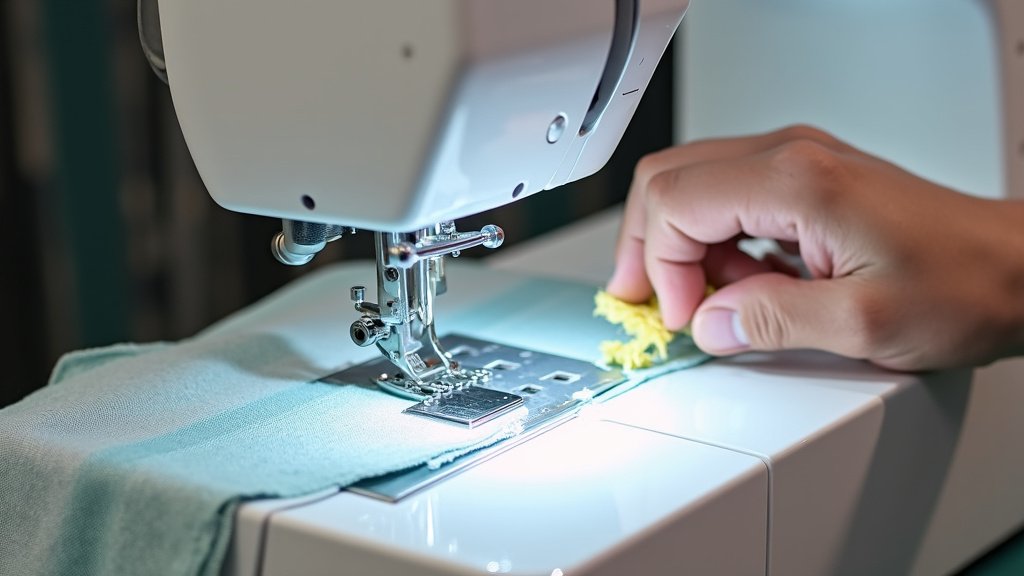
The easiest way to clean a quilting machine is to regularly remove lint and thread bits. You’ll want to use a small brush and a vacuum cleaner attachment. Pay special attention to the bobbin area and feed dogs.
Keeping your quilting machine clean helps it run smoothly and prevents problems. Neglecting regular cleaning can lead to skipped stitches and uneven tension. We’ve found that a well-maintained machine is a happy machine.
- Regularly remove lint and dust.
- Use the right tools for cleaning.
- Clean the bobbin and feed dog areas often.
- Prevent common sewing machine issues.
Let’s walk through exactly how to clean your quilting machine step by step. We’ll make sure you have all the tips you need.
Understanding the Importance of Regular Machine Maintenance
Just like your car needs oil changes, your quilting machine thrives on regular attention. We’ve found that a well-maintained machine doesn’t just run better; it helps you create beautiful stitches without frustration. Think of it as preventative care for your crafting joy.
Skipping regular cleaning can lead to frustrating problems. These include uneven stitches, fabric jams, and even a completely stopped machine. Nobody wants that in the middle of a big project, right?
Why Cleaning Your Quilting Machine Matters So Much
Dust, lint, and tiny thread fibers are the arch-nemeses of your sewing machine. They get into all the moving parts. Over time, this buildup can cause serious friction and wear.
A clean machine offers smoother operation. It means less noise and fewer skipped stitches. We’ve noticed this directly translates to a more enjoyable quilting experience. You can focus on your creativity, not on machine malfunctions.
Preventing Costly Repairs
Regular maintenance can save you money. A small amount of lint today could be a big repair bill tomorrow. Replacing worn-out parts due to neglected cleaning can be expensive and time-consuming.
We’ve heard countless stories from quilters who regretted not cleaning their machines more regularly. Think of routine cleaning as your machine’s
Conclusion
You now understand that a little cleaning goes a long way for your quilting machine. Regularly removing lint and dust keeps it running smoothly. This prevents headaches like skipped stitches or costly repairs. You’ll enjoy quilting more when your machine is happy.
So, take just a few minutes after each project (or even during one!) to give your machine some love. Your quilts, and your wallet, will thank you. Get out your brush and vacuum attachment today and make cleaning a habit.
Frequently Asked Questions
How often should I clean my quilting machine?
We recommend a light cleaning, like brushing out lint, after every few hours of sewing or after each major project. A more thorough cleaning, perhaps involving removing plates, should happen every 20-30 hours of use or every few months.
Can I use canned air to clean my machine?
We advise against using canned air. While it appears to remove dust, it often pushes lint and debris further into the machine’s inner workings. This can compact the gunk, leading to bigger issues over time. A small vacuum or brush is much safer.
What kind of brush is best for cleaning?
Look for a small, stiff-bristled brush, often included with your machine. These are perfect for dislodging lint without scratching surfaces. Old, clean paintbrushes or makeup brushes can also work well in a pinch.
Do I need to oil my quilting machine after cleaning?
Many modern machines are “self-lubricating” or only require oiling by a professional. Always check your machine’s manual for specific oiling instructions. Oiling too much, or in the wrong places, can attract more lint and cause problems.
What if I find a lot of lint I can’t reach?
If you encounter heavy lint buildup in hard-to-reach areas, it might be time for a professional service appointment. Technicians can safely open your machine and give it a deep clean. This ensures its longevity and performance.
