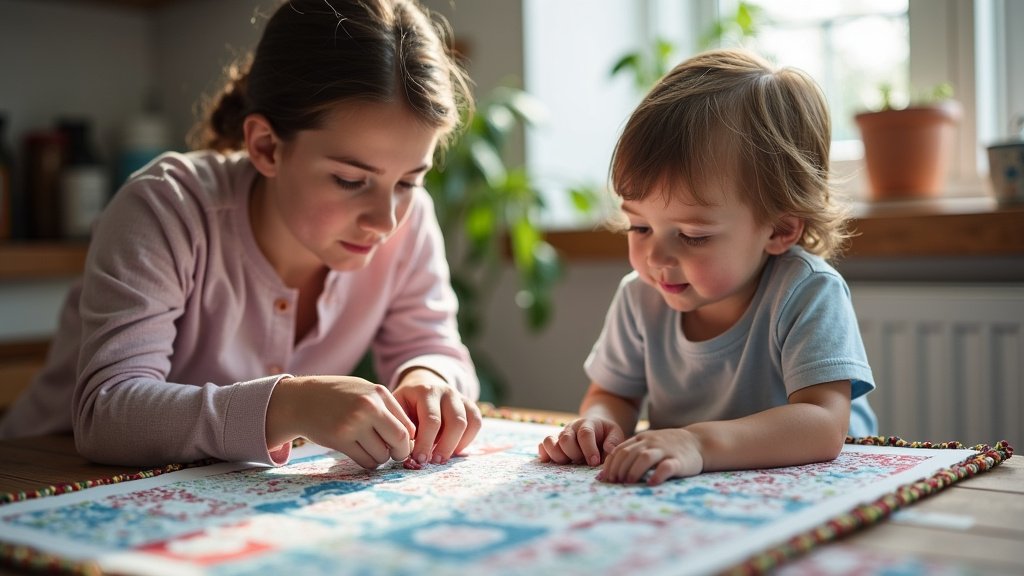
Is It Safe to Quilt with Kids Nearby?
Conclusion
Quilting with kids nearby is absolutely safe when you set clear boundaries and create a secure environment. Your main tools are simple: a dedicated workspace, vigilant supervision, and teaching age-appropriate lessons. You can enjoy your craft and share it with your little ones by making safety a shared responsibility. The key is turning potential hazards into teachable moments about care and respect for tools. Start your next project by setting up your safe zone together—maybe a colorful tape on the floor marks the “grown-up only” quilting area.
Frequently Asked Questions
Is a sewing machine safe for a toddler to be around?
A sewing machine poses clear risks to a curious toddler, including pinch points and electrical cords. When the machine is not in use, learn whether it is safe to leave it plugged in. It’s safest to operate your machine only when the child is contained in a safe space like a crib or playpen, or when another adult is actively watching them.
How do I safely store quilting supplies with kids in the house?
Use latched boxes or high shelves for items like rotary cutters, sharp scissors, and seam rippers. Store pins and needles in a magnetic dish with a cover, and keep thread spools out of reach to prevent a dangerous unraveling incident.
Can my 6-year-old help with my quilting project?
Yes, absolutely! A 6-year-old can help with safe, supervised tasks like choosing fabric colors, using child-safe scissors on paper patterns, or pressing fabric with your direct guidance. It’s a great way to introduce them to the craft safely. For machine options, see our guide to quilting machines for kids.
What are the biggest risks when quilting around children?
The most common risks are severe needle pricks, rotary cutter injuries, and tripping hazards from fabric on the floor. Electrical risks from the machine and ingestion of small items like pins are also serious concerns that require proactive prevention.
How can I make my quilting space child-friendly?
Designate a clear, open area for your workspace and keep the floor free of fabric scraps and pins. Use a clear plastic box for your active project to keep small parts contained. Always clean up your station completely when you are done for the day.