What Is a Quilt Block?
On this page (8 sections)
A quilt block is a single, repeating pattern or design that forms the building block of a larger quilt. Think of it like a single puzzle piece that, when joined with many others, creates the beautiful picture of your finished quilt. These blocks can be simple squares or complex shapes, all stitched together.
You’ll find quilt blocks used in everything from cozy bed quilts to decorative wall hangings and even stylish tote bags. Understanding quilt blocks is fundamental to quilting. It’s how quilters design and construct their unique creations, allowing for endless possibilities in color and pattern.
- A quilt block is a single, repeating unit in a quilt.
- Blocks are stitched together to form the overall quilt design.
- They can be simple or complex geometric patterns.
- Learning about blocks is key to creating your own quilts.
Now that you know what a quilt block is, let’s dive a little deeper into the wonderful world of these essential quilt components.
Understanding the Building Blocks of Quilts
So, what exactly makes up a quilt? It’s all about the quilt block. Think of it as a single, self-contained design. This design is then repeated or arranged with other blocks to create the final piece. Quilters use these blocks as their fundamental units. They are the puzzle pieces that, when sewn together, form the beautiful, larger picture of a quilt.
What Exactly Is a Quilt Block?
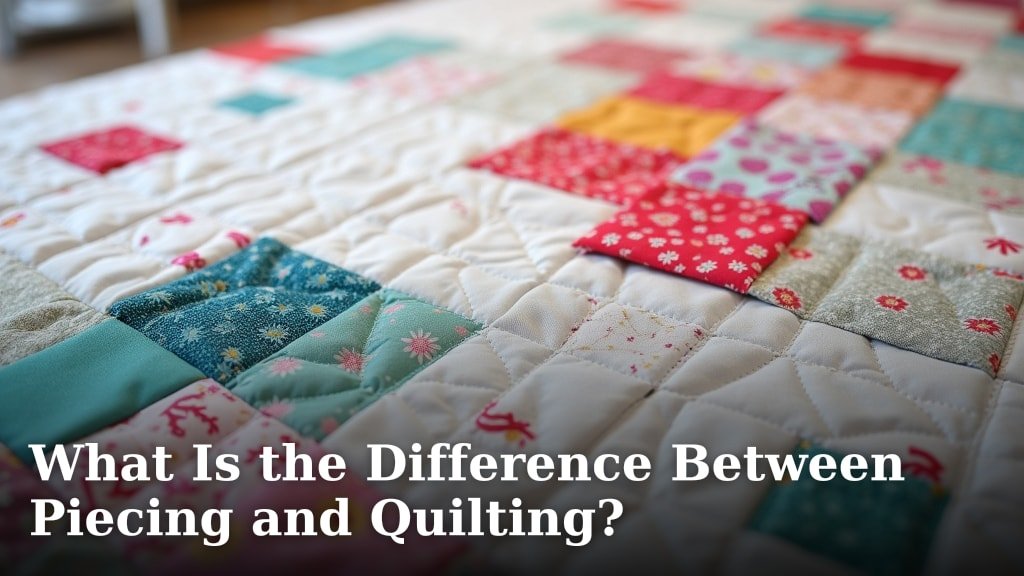
A quilt block is essentially a pre-designed unit. It’s a segment of fabric that has been pieced or appliquéd together in a specific pattern. These blocks are then sewn together, usually in rows and columns, to create the top of the quilt. Sometimes, different blocks are arranged in a specific layout to create a striking visual effect. This method gives quilters a lot of creative freedom.
You can find quilt blocks in many shapes and sizes. The most common is the square, but you’ll also see rectangles, triangles, and even hexagons. The design within the block can be incredibly simple, like just four squares of fabric. Or, it can be quite elaborate, featuring detailed appliqué or many tiny pieces of fabric sewn together. The beauty of quilting lies in this versatility of design.
The Role of the Quilt Block in Design
The quilt block is where much of the design magic happens. A quilter might choose one block design and repeat it over and over for a traditional, uniform look. Or, they might select a few different block designs and arrange them in a pleasing pattern. This arrangement can create secondary patterns and visual interest. It’s like choosing your favorite Lego bricks and deciding how to stack them.
Consider a simple four-patch block, which is just four squares sewn together. If you use all the same fabric for each square, you get one look. If you use a different color for each square, you create a checkerboard effect. If you use different fabrics altogether, the possibilities are nearly endless. This is where you start to see the artistic expression of the quilter.
From Single Block to Finished Quilt
The journey from a single quilt block to a finished quilt is quite fascinating. It involves careful planning and precise stitching. Once your individual blocks are made, they need to be joined together. This is typically done by sewing the blocks into rows, and then sewing the rows together. Accuracy is key here. Even small errors can cause your finished quilt to look wonky.
After all the blocks are joined to form the quilt top, it’s layered with batting and a backing fabric. This sandwich is then quilted together. This quilting stitches through all three layers, holding them in place and adding texture. Finally, a binding is attached around the edges to give your quilt a neat and tidy finish.
Common Types of Quilt Blocks
There are hundreds, if not thousands, of quilt block patterns. Many have been around for generations. Some are named after historical events, people, or everyday objects. Others are simply descriptive of their appearance. Learning about these classic designs can be a wonderful starting point for any quilter.
Simple and Geometric Blocks
Many popular quilt blocks are based on simple geometric shapes. These are often the easiest to start with, especially if you’re new to quilting. They rely on accurate cutting and sewing of squares, rectangles, triangles, and diamonds.
The Nine-Patch Block
The nine-patch is a classic. It’s made up of nine smaller squares arranged in three rows of three. You can create endless variations by changing the colors and fabrics of these nine squares. This block is a fantastic way to practice your sewing accuracy. It teaches you how to piece smaller units together.
The Four-Patch Block
Even simpler is the four-patch. This block consists of four squares sewn together. It’s a foundational block that helps quilters understand how to join fabric pieces. You’ll often see this used as a background or border element. It’s also a great way to use up scrappy fabric bits.
The Ohio Star Block
The Ohio Star block is a step up in complexity but still very manageable. It typically consists of a center square surrounded by four corner squares and four triangles that form a star shape. This block is a great example of how simple shapes can combine to create a more complex and visually appealing design. Many quilters find it quite satisfying to make.
More Complex and Decorative Blocks
As you gain confidence, you might want to try blocks that involve more pieces or more advanced techniques. These blocks often have names that hint at their more intricate appearance.
The Log Cabin Block
The Log Cabin block is a favorite for many. It’s made by sewing fabric strips around a central square. The strips are added in a spiral or concentric manner, resembling the construction of a log cabin. A popular variation is the Courthouse Steps, where the strips are added in pairs. This block can be made in a way that creates a secondary pattern, like a square in a square, when blocks are set together. It’s a very versatile block design.
The Drunkard’s Path Block
The Drunkard’s Path block involves curved piecing. It’s made by sewing a quarter-circle unit into a square. While it sounds challenging, many quilters find it surprisingly achievable with practice. The curved seams create a dynamic, offset look. It’s a block that really makes a quilt pop with visual interest.
Why Are Quilt Blocks Important?
Quilt blocks are more than just pretty patterns. They are the foundation of quilt making. Understanding them helps you understand the entire process. They allow for standardization and repeatability. This is important for creating quilts that are symmetrical and visually balanced.
For quilters, blocks represent an opportunity for creativity. You can mix and match them. You can experiment with color placement within a block. You can use them as a jumping-off point for your own original designs. The possibilities are truly vast. It’s where your personal style can shine.
From a Design Perspective
From a design standpoint, blocks give structure. They allow quilters to plan their quilt layout systematically. You can sketch out your block arrangements before you even start sewing. This helps you visualize the final outcome. It also allows for easier correction if something doesn’t look quite right in the sketch. Many quilting patterns are built around specific block layouts.
From a Practical Perspective
Practically speaking, blocks make quilting more manageable. Instead of trying to piece a large, complicated design all at once, you break it down into smaller, achievable units. Completing one block feels like a small victory. This makes the overall project less daunting. It’s a way to build momentum and stay motivated. Quilting experts often advise starting with simple blocks to build confidence and skill.
How to Choose and Use Quilt Blocks
When you’re ready to start quilting, choosing your blocks is an exciting step. You can find block patterns in countless books, magazines, and online. Consider the overall style you want for your quilt. Do you want something modern and minimalist, or traditional and ornate?
Selecting Your First Blocks
If you’re a beginner, it’s best to start with blocks that have fewer pieces and straight seams. Blocks like the four-patch, nine-patch, or snowball block are excellent choices. These will help you learn the basics of accurate cutting and sewing. Don’t be afraid to experiment with different color combinations within these simple blocks. This is where you learn what you like.
We found that many beginner quilters benefit from following a pattern precisely at first. This helps ensure success and builds a strong foundation. Once you’re comfortable, you can start to adapt patterns or create your own. Many quilters enjoy using an online quilt design tool to visualize how different blocks will look together before they start cutting fabric.
Putting Blocks Together: Layouts
The way you arrange your quilt blocks is called the layout. A simple on-point layout, where blocks are set on a diagonal, can make a quilt look very dynamic. A more traditional straight-set layout, where blocks are in horizontal and vertical rows, is also very effective. The spacing between blocks, often filled with sashing (strips of fabric), can also change the overall look.
Here’s a quick look at some common layout considerations:
- Grid Layout: Blocks arranged in even rows and columns.
- On-Point Layout: Blocks set diagonally, often with corner triangles.
- Sashing: Strips of fabric between blocks to create separation or a secondary pattern.
- Cornerstones: Small squares of fabric where sashing strips meet.
- Borders: Fabric strips added around the outside edge of the quilt top.
The choice of layout can transform the impact of your chosen blocks. Even identical blocks can look vastly different depending on how they are arranged.
A Quick Checklist for Quilt Block Success
Ready to jump in? Here’s a simple checklist to get you started on your quilt block journey:
- Choose a beginner-friendly pattern for your first blocks.
- Cut your fabric accurately; precision is key in quilting.
- Sew with a consistent seam allowance, usually 1/4 inch.
- Press your seams carefully after each step.
- Join your finished blocks carefully to maintain alignment.
- Have fun and don’t be afraid to experiment!
Conclusion
You’ve learned that a quilt block is the fundamental unit that makes up any quilt. From simple squares to intricate designs, these blocks are the building blocks for your creative vision. You now understand how blocks are pieced together, how they influence the overall quilt design, and the practical steps to create your own. Mastering quilt blocks is your gateway to quilt making. Ready to start your first project? Pick a simple block pattern and gather your fabrics. You’ve got this! You now understand how blocks are pieced together.
Frequently Asked Questions
Can I use different-sized quilt blocks in one quilt?
Generally, quilt blocks are made to be the same finished size so they can be joined together seamlessly. If you want to use different-sized blocks, you’ll often need to trim them down to match or use specialized layout techniques like sashing and cornerstones to bridge the size difference. This requires careful planning to ensure your quilt lays flat.
How do I make sure my quilt blocks are the correct size?
Accurate cutting and consistent seam allowances are key. Most patterns specify a 1/4-inch seam allowance. After sewing, pressing your seams carefully will also help your block lay flat and measure true to its intended size. Many quilters use specialized rulers and mats to ensure precise fabric cuts.
What is the difference between a quilt block and a quilt pattern?
A quilt block is a single design unit, like a puzzle piece. A quilt pattern is the overall plan for the entire quilt, which often includes instructions for making specific blocks and how to arrange them. Think of the block as a single sentence and the pattern as the whole story.
Are there online tools to help me visualize my quilt block layout?
Yes, there are many fantastic online quilt design tools and software available. These allow you to upload digital versions of blocks or choose from libraries of designs. You can then arrange them on a virtual design wall to see how they’ll look together before you cut any fabric. It’s a great way to experiment with different layouts.
How do I prevent my quilt blocks from puckering when I sew them together?
To prevent puckering, ensure your blocks are pressed flat and accurately sized before joining. When sewing blocks together, align your seams carefully. Some quilters find it helpful to “chain piece,” sewing blocks together in a continuous line without cutting the threads in between, which can help maintain tension and prevent shifting.