
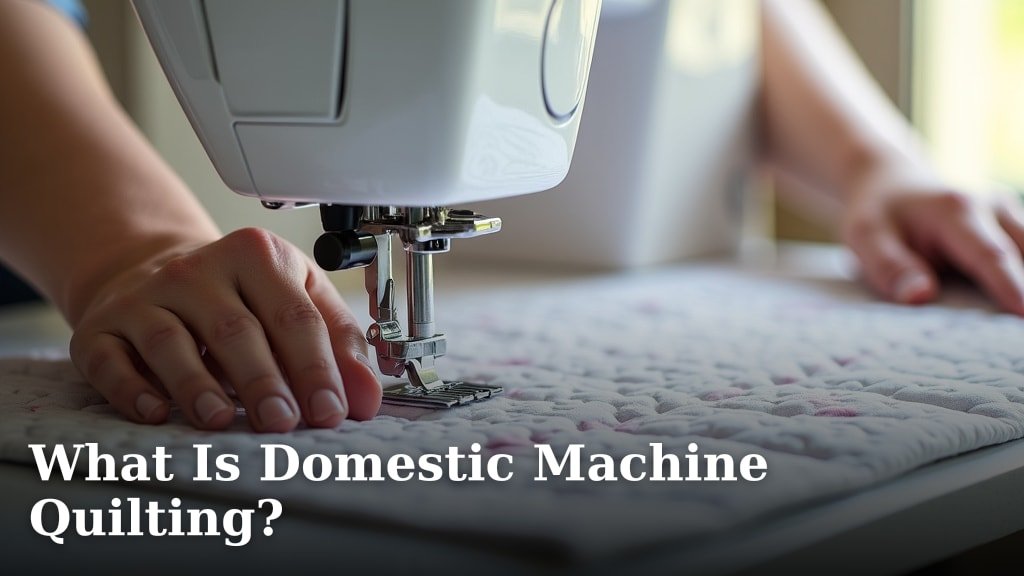
Domestic machine quilting is a quilting technique done using a standard sewing machine. You move the fabric freely under the needle. This creates decorative stitching patterns. It’s different from tying or hand quilting. You can achieve beautiful results right at your home sewing machine.
Many quilters wonder if their regular machine can handle quilting. The good news is, it absolutely can! Domestic machine quilting allows you to add texture and design to your quilts. You control the movement of the fabric yourself. This makes it a very personal and creative process. You don’t need a special longarm machine to make stunning quilted projects.
- Domestic machine quilting uses your regular sewing machine.
- You move the fabric freely to create stitching designs.
- It’s a creative way to add texture to quilts.
- No special longarm machine is needed to start.
So, you’re curious about how to get started with domestic machine quilting? We’ve got you covered. Let’s walk through what you need to know about this fun technique.
Quilting with Your Home Sewing Machine
So, you’ve heard about domestic machine quilting and are wondering what it’s all about? It’s essentially quilting done on your everyday sewing machine. That’s the one sitting in your craft room, not a giant, specialized longarm machine. You’ll be moving your quilt sandwich around under the needle yourself. This allows you to stitch designs that give your quilts that beautiful, finished look. Many quilters start this way. It’s a very accessible method to get creative with your quilts.
Understanding the Basics of Domestic Quilting
At its heart, domestic machine quilting means using your standard sewing machine to stitch through the layers of your quilt. You’ll have your quilt top, batting, and backing all layered together. Then, you guide this “quilt sandwich” under the needle. You create the stitching patterns by moving the fabric. This is where the real fun and creativity come in! You’re not just sewing straight lines. You’re drawing with thread.
What Makes It Different from Other Quilting Methods?
Unlike hand quilting, where you use a needle and thread to create stitches, machine quilting is much faster. It also differs from tying a quilt, which uses knots to hold the layers together. Tying is simpler but doesn’t offer the same decorative effect. Domestic machine quilting falls in the middle. It’s faster than hand quilting and offers more design potential than tying. Plus, you get to control the artistic outcome.
Getting Your Machine Ready for Quilting
Before you start quilting, your trusty sewing machine needs a little preparation. Think of it like getting your car ready for a road trip. A few simple adjustments make a big difference. You want your machine to be a willing partner, not a stubborn mule.
Essential Machine Setup Steps
First, you’ll need to lower or remove the feed dogs. These are the little metal teeth under your presser foot. They normally help move fabric evenly for regular sewing. For quilting, you want to control the fabric movement yourself. So, you’ll disengage them. Many machines have a switch or plate to cover them. Check your manual if you’re unsure!
Next, you’ll want to change your needle. A fresh, sharp needle is crucial. Quilting involves stitching through multiple layers of fabric and batting. A dull needle can cause skipped stitches or even damage your fabric. Quilting needles are often a bit stronger. Many quilters prefer a size 80/12 or 90/14 needle for quilting.
Choosing the Right Presser Foot
The presser foot you use is also important. For most free-motion quilting, you’ll want a darning or free-motion foot. These feet have a spring-loaded mechanism. This lifts the foot slightly as you move the fabric. It prevents the fabric from getting caught. It also ensures even stitch length. Some machines come with a generic “free-motion” foot, while others have specialized ones. Again, your machine’s manual is your best friend here.
Your Quilting Toolkit: What You’ll Need
Besides your prepared sewing machine, a few other items will make your domestic machine quilting journey smoother. Think of these as your helpful sidekicks. They’ll help you achieve the best results without too much frustration.
Thread Choices for Quilting
The thread you choose impacts the look of your quilt. For domestic machine quilting, you can use standard cotton thread or specialized quilting thread. Cotton thread is readily available and comes in many colors. Quilting thread is often designed to be stronger and less “linty.” It can also have a beautiful sheen. Most quilters use a neutral color like cream or gray for the bobbin thread. This keeps the back of your quilt looking clean. For the top thread, you can match your quilt top, choose a contrasting color for definition, or use a variegated thread for a unique effect.
Batting: The Quilt’s Inner Layer
Batting provides the loft and warmth to your quilt. It’s the fluffy middle layer. Common batting types include cotton, polyester, and cotton-poly blends. Cotton batting gives a traditional, slightly crinkled look when washed. Polyester batting is lightweight and lofty. Blends offer a combination of these qualities. For domestic machine quilting, consider the loft of your batting. Very thick batting can be harder to maneuver under your machine’s arm. Many quilters find an 80/20 cotton-poly blend to be a good all-around choice.
Stabilizing Your Quilt Sandwich
To prevent your quilt sandwich from shifting while you quilt, you need to secure the layers together. This is called basting. You can baste using safety pins, basting spray, or by hand-stitching with large, loose stitches. Safety pins are a popular choice. We found that using plenty of pins, spaced about a hand-width apart, works best. Basting spray is quick but requires good ventilation. Hand basting is thorough but takes more time.
The Art of Free-Motion Quilting (FMQ)
Domestic machine quilting often involves a technique called free-motion quilting, or FMQ. This is where you truly get to “draw” with your needle. You’re not following any predetermined lines. You’re guiding the fabric freely to create your own designs. It might sound intimidating, but it’s incredibly liberating once you get the hang of it.
Understanding the “Free-Motion” Concept
In free-motion quilting, the machine’s speed and the fabric movement are independent. You control the fabric movement with your hands. The machine stitches at whatever speed you set it to. It’s crucial to find a consistent stitching speed. Think of it like playing a musical instrument. You need to coordinate your hands and your feet (on the foot pedal) to create a smooth melody of stitches.
Tips for Success with FMQ
Practice is key! Start with simple patterns. Straight lines, gentle curves, and stippling (a series of squiggly lines) are great for beginners. Don’t worry about perfection. Your first attempts will likely be a bit wobbly. That’s completely normal! Many experienced quilters say they still have wobbly bits on their quilts. Focus on enjoying the process. We found that practicing on scrap fabric first helps build confidence. A good quilting design should be functional and decorative.
Stitch-in-the-Ditch: A Simpler Approach
If free-motion quilting feels like too much at first, there’s another excellent option: stitch-in-the-ditch. This is a more straightforward quilting technique. It involves stitching directly in the seams, or “ditches,” of your quilt blocks. It’s a less intimidating way to start quilting.
How to Stitch-in-the-Ditch
For stitch-in-the-ditch, you’ll typically use your walking foot. This foot has a set of feed dogs that work with your machine’s feed dogs. It helps feed all the layers of your quilt evenly. You’ll carefully guide your quilt so the needle falls right into the ditch of a seam. This secures the layers without adding a lot of visible stitching on the top. Many guidelines suggest this is a great way to start quilting (National Quilting Association).
Benefits of Stitch-in-the-Ditch
This method is fantastic for stabilizing your quilt. It’s also subtle. It doesn’t detract from the piecing of your quilt blocks. Stitch-in-the-ditch is often done before or after free-motion quilting. It provides a solid foundation for your quilting design. It’s a technique that every quilter should have in their repertoire.
A Quick Checklist to Get You Started
Ready to give domestic machine quilting a try? Here’s a quick checklist to make sure you’re prepared:
- Prepare Your Machine: Lower feed dogs and attach a free-motion foot.
- New Needle: Install a fresh, sharp quilting needle.
- Baste Your Quilt: Securely pin or spray baste your quilt sandwich.
- Choose Your Thread: Select appropriate top and bobbin threads.
- Practice: Stitch on scrap fabric to get a feel for movement.
- Start Simple: Begin with straight lines or gentle curves for your first project.
Conclusion
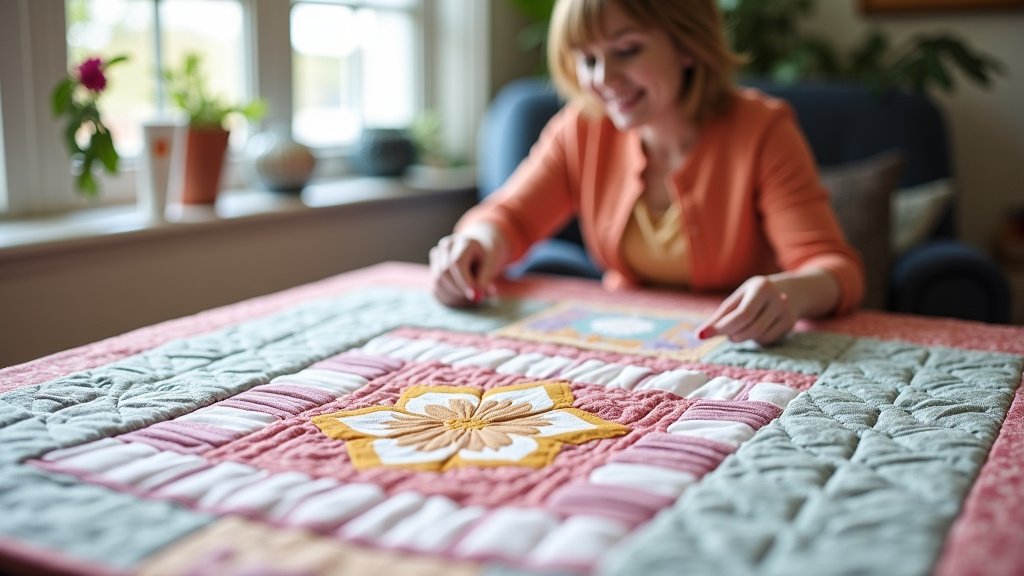
You’ve now learned that domestic machine quilting is a wonderfully accessible way to add texture and artistry to your quilts. You don’t need a huge machine to create beautiful results. By preparing your sewing machine, gathering a few key supplies, and practicing simple techniques like free-motion or stitch-in-the-ditch, you can start quilting your own projects. We encourage you to take that first step and try it out. Your sewing machine is ready for this creative journey!
Frequently Asked Questions
Can I really quilt a whole quilt on my regular sewing machine?
Yes, absolutely! Your home sewing machine is perfectly capable of quilting an entire quilt. Many quilters start their journey this way. You’ll simply need to adjust your machine settings and learn how to guide the fabric yourself. You can finish a king-size quilt using your home sewing machine with the right techniques.
What’s the biggest difference between domestic machine quilting and longarm quilting?
The main difference is the size and type of machine used. A longarm machine is a large, specialized quilting machine. Domestic machine quilting uses your standard, smaller sewing machine. You control the fabric movement directly on a domestic machine, whereas a longarm has a large frame to move the quilt.
Do I need a special foot for domestic machine quilting?
For free-motion quilting, you will definitely want a darning or free-motion foot. This foot lifts and springs over your quilt layers, allowing you to move the fabric freely. For simpler methods like stitch-in-the-ditch, a walking foot is highly recommended.
How do I prevent my quilt sandwich from puckering while I’m quilting?
Proper basting is key to preventing puckering. Ensure you have securely basted your quilt layers together using safety pins, spray, or hand stitches. Keeping your feed dogs lowered and maintaining an even speed as you quilt will also help achieve smooth results.
Is free-motion quilting (FMQ) difficult to learn?
Free-motion quilting takes practice, but it’s not overly difficult to learn. Start with simple patterns like straight lines or gentle curves on scrap fabric. The more you practice guiding your fabric and maintaining a consistent stitch speed, the more comfortable you’ll become.
