What Is the Difference Between Piecing and Quilting?
On this page (6 sections)
The difference between piecing and quilting is simple: piecing is how you create the quilt top by sewing fabric pieces together. Quilting is the process of stitching through the quilt layers: the top, batting, and backing. You can’t have a quilt without both!
Think of piecing as building the picture or design. You’re assembling the individual fabric shapes that make up your quilt’s surface. Quilting is what gives the quilt its structure and texture. It’s the stitching that holds everything together and adds a decorative element.
- Piecing is sewing fabric pieces together to make the quilt’s design.
- Quilting is stitching through all the layers of the quilt.
- Piecing creates the top layer of your quilt.
- Quilting adds texture and secures the layers.
- You do piecing before you quilt.
Let’s dive into the details and make sure you know exactly what each step involves.
Understanding the Core of Quilt Making: Piecing vs. Quilting
You’ve probably heard the terms piecing and quilting used together a lot. They’re both essential steps. But they are distinct processes in creating a quilt. Piecing is how your quilt top gets its beautiful design. Quilting is what holds all the layers together. Let’s break down what each one really means.
What Exactly Is Piecing in Quilting?
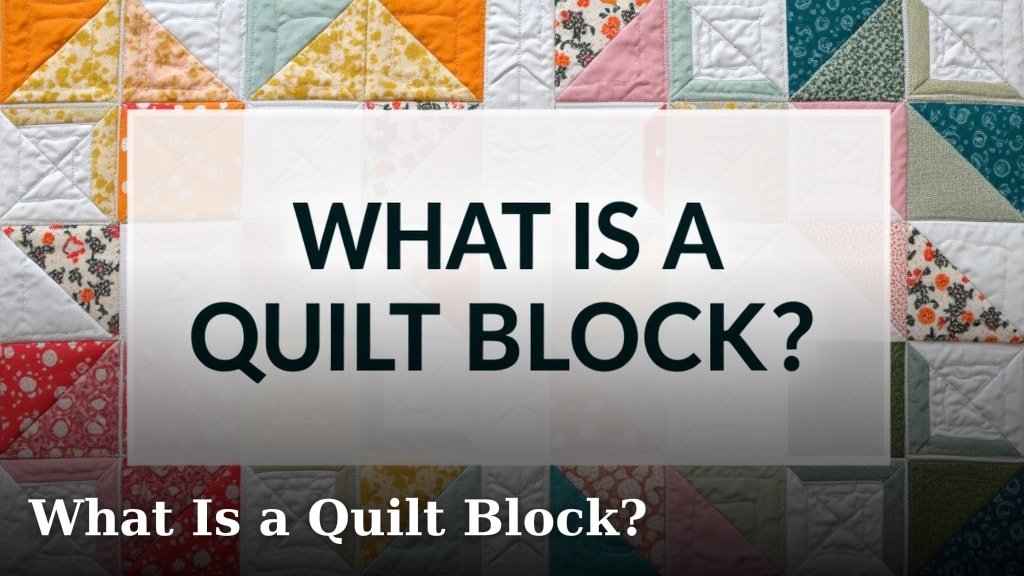
Piecing is the foundation of your quilt’s visual design. Think of it like putting together a puzzle or a mosaic. You’re taking smaller pieces of fabric. You then carefully sew them together. This creates a larger fabric panel, which is your quilt top. It’s where all the colors, shapes, and patterns come to life. Piecing can range from very simple. It can be squares or strips sewn in a grid. It can also be incredibly complex. This includes curved pieces or many tiny, detailed shapes.
The Building Blocks of Your Quilt Top
When you start piecing, you’ll usually begin with a pattern. This pattern tells you what shapes to cut. It also tells you how to arrange them. Common shapes include squares, triangles, and rectangles. But you’ll also find hexagons, diamonds, and even custom shapes. The most important part of piecing is accurate cutting and sewing. A precise quarter-inch seam allowance is the standard. This ensures that your pieces fit together perfectly. If your seams are too wide or too narrow, your blocks won’t measure the correct size. This can cause problems as you join them together.
Precision is Key in Piecing
Many quilters find that the accuracy of their cutting is vital. It directly impacts the success of their piecing. Even a slight difference in seam allowance can throw off your measurements. This can lead to points that don’t match up or sashing that’s too long or too short. We found that using a good rotary cutter and a clear ruler is a huge help. A sewing machine with a quarter-inch foot also makes a big difference. It helps maintain a consistent seam width. A quarter-inch foot helps maintain a consistent seam width for accurate piecing.
Common Piecing Techniques
There are many ways to piece a quilt. Some are quite straightforward for beginners. Others require more advanced skills.
- Strip Piecing: This involves sewing long strips of fabric together. Then, you cut them into smaller sections to make blocks. It’s a very efficient method for creating patterns with lots of horizontal or vertical lines.
- Log Cabin Blocks: These blocks are made by sewing strips around a central square. Each new strip is added in a specific order, creating a “log cabin” effect.
- Foundation Paper Piecing (FPP): Here, you sew fabric pieces to a paper pattern. The paper guides your stitching. After sewing, the paper is removed. This technique is excellent for creating very precise, often intricate designs and sharp points.
- English Paper Piecing (EPP): This is a hand-sewing method. Fabric shapes are wrapped around paper templates. They are then whip-stitched together. EPP is portable and great for curved seams or complex shapes.
What Is Quilting? The Art of Stitching Through Layers
Once your quilt top is pieced together, it’s just one layer. True quilting involves adding the other two essential layers: the batting and the backing fabric. Quilting is the process of stitching through all three layers. This is what gives a quilt its depth, texture, and durability. It secures the batting between the quilt top and backing. Without this stitching, the batting would shift around. Your quilt would lose its shape and warmth. Quilting can be purely functional or a beautiful decorative element. It can be simple stitches or elaborate designs.
The Three Layers of a Quilt
To understand quilting, you need to know about the layers involved.
- The Quilt Top: This is the decorative surface you created through piecing. It’s the part everyone sees first.
- The Batting: This is the fluffy layer in the middle. It provides warmth and loft. Batting comes in various materials like cotton, polyester, or bamboo. Each offers different properties regarding weight, warmth, and drape.
- The Backing Fabric: This is the fabric on the underside of the quilt. It’s usually a larger piece of fabric or pieced together just like the top.
These three layers are carefully layered and temporarily held together. This can be done with safety pins, basting spray, or hand basting stitches. This makes sure they don’t shift while you’re quilting.
The Purpose of Quilting Stitches
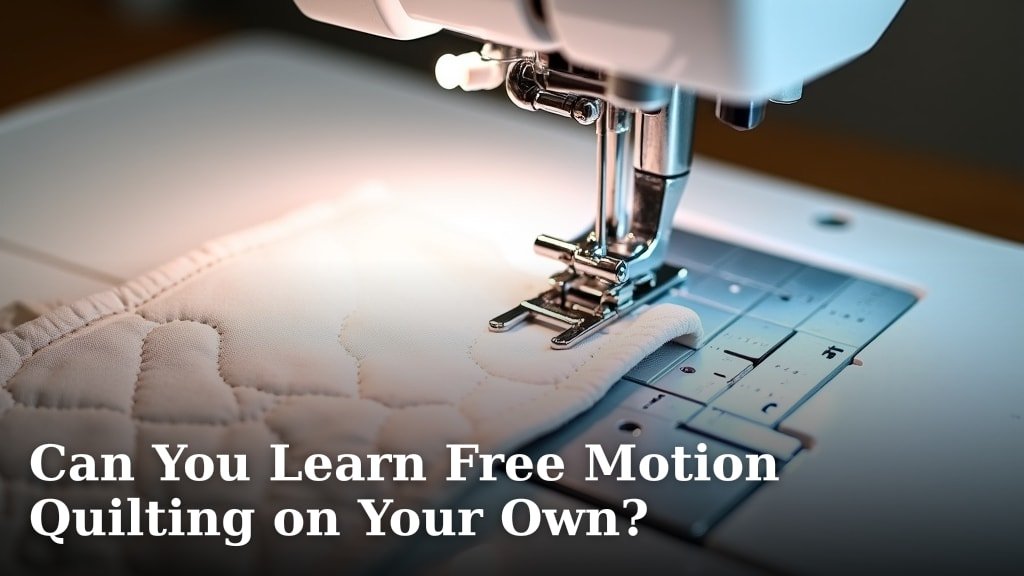
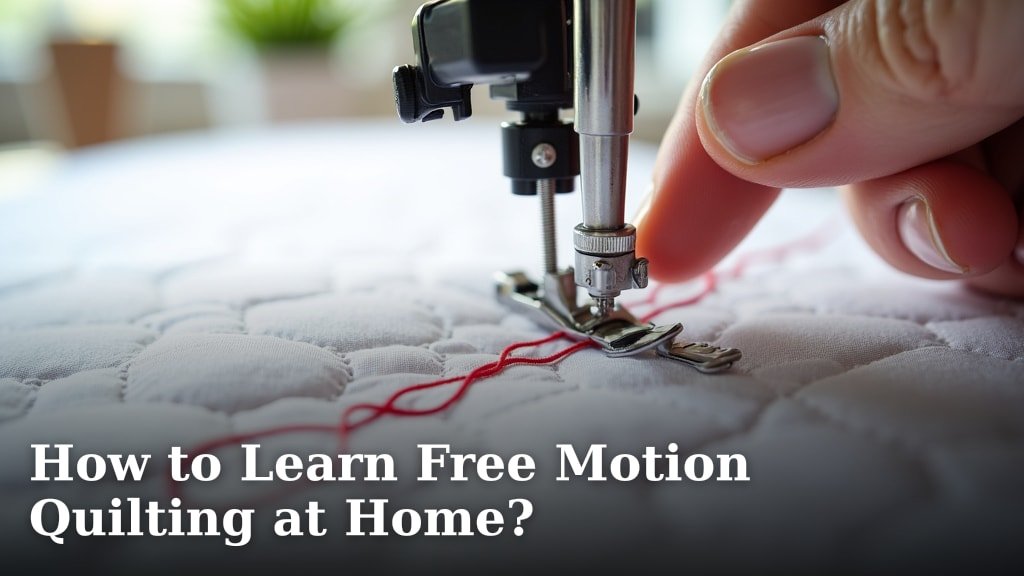
The stitches you make during quilting serve a dual purpose. Firstly, they hold the three layers together. This prevents the batting from bunching up or shifting. This is especially important over time with washing and use. Secondly, the quilting stitches add visual interest. They can create patterns, highlight design elements, or add their own texture. They can be subtle lines following the piecing. They can also be dense, free-motion designs that are works of art themselves.
Machine Quilting vs. Hand Quilting
The actual stitching process can be done in two main ways.
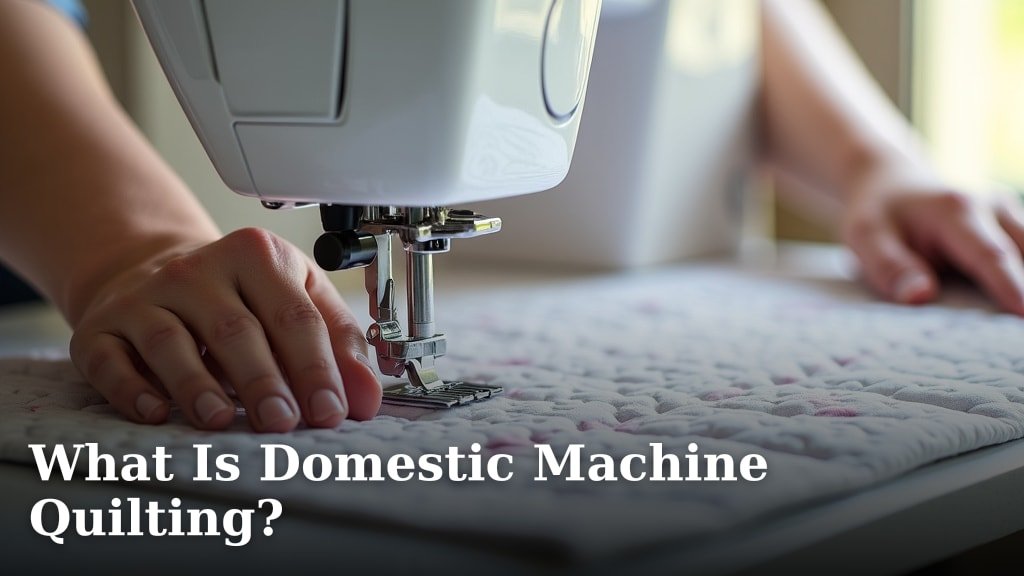
- Machine Quilting: This is done using a sewing machine. It can be done on a standard domestic machine or a specialized longarm quilting machine. Longarm machines allow you to move the quilt easily under the needle. This is ideal for large, complex designs. Domestic machines are great for simpler patterns or stitching in the ditch (quilting along the seams of the piecing).
- Hand Quilting: This method involves using a needle and thread to stitch through the layers by hand. It’s a slower, more meditative process. Hand-quilted stitches often have a lovely, slightly imperfect charm.
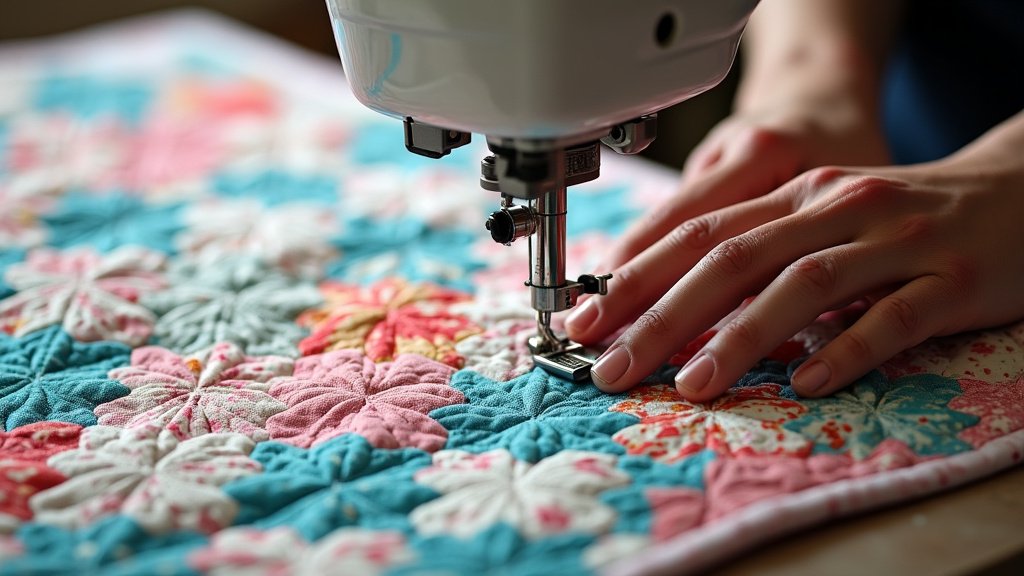
Comparing Piecing and Quilting: Key Differences Summarized
To make it crystal clear, let’s look at the core differences side-by-side. This table should help you quickly grasp the distinct roles each process plays in creating a finished quilt.
| Feature | Piecing | Quilting |
|---|---|---|
| What it is | Sewing fabric pieces together to create the quilt top design. | Stitching through all three layers (top, batting, backing). |
| When it happens | First, to create the quilt’s surface. | After the quilt top is complete and layers are basted. |
| Main Goal | To build the visual pattern and color design. | To secure layers, add texture, and provide structure. |
| Materials Used | Fabric pieces, thread, sewing machine/needle. | Fabric pieces (top & backing), batting, thread, sewing machine/needle. |
| Result | A flat, assembled quilt top. | A textured, dimensional quilt with secured layers. |
| Focus | Design, color, shape arrangement. | Stitch pattern, texture, durability. |
A Checklist for Your Quilt Project
To help you keep track as you plan or work on your quilt, here’s a quick checklist:
- Have you chosen your quilt pattern? (This guides piecing.)
- Are your fabrics cut accurately for piecing?
- Have you sewn your pieced blocks together to form the quilt top?
- Is your quilt top pressed and ready?
- Do you have your batting and backing fabric prepared?
- Are all three layers basted together securely?
- Are you ready to start the quilting stitches?
By understanding these two distinct but interconnected steps, you’ll be well on your way to creating beautiful, finished quilts. It’s a journey of fabric, thread, and patience!
Conclusion
You’ve learned that piecing is the art of creating your quilt’s beautiful design by sewing fabric shapes together. Quilting, on the other hand, is the essential step of stitching through all three layers—the top, batting, and backing—to give your quilt structure and texture. Remember, piecing comes first to build your stunning quilt top, and then quilting secures it all. Your next step? Gather your favorite fabrics and start piecing a simple block. Once you’ve mastered that, you’ll be ready to tackle the quilting stitches that bring your creation to life!
Frequently Asked Questions
Can I quilt without piecing?
Yes, you can! Quilting is the stitching through layers. You could quilt a piece of fabric to batting and backing to create a simple padded textile. However, most people associate “quilting” with stitching through a pieced quilt top to make a finished quilt.
Is quilting the same as binding a quilt?
No, quilting and binding are different steps. Quilting is the stitching that holds the three layers together. Binding is the final step where you enclose the raw edges of the quilt with a fabric strip.
How do I know if I’ve done my piecing correctly?
Accurate piecing means your blocks measure the size specified in your pattern. Your seams should be a consistent quarter-inch. When you join blocks, the points should match up, and the seams should lay flat.
What happens if I don’t quilt my quilt top?
If you skip the quilting step and just attach backing directly to your pieced top, you’ll have a quilt top but not a true quilt. The batting layer would be missing, and the top would be prone to shifting and wouldn’t have the same warmth or texture.
Can I piece and quilt at the same time?
Generally, no. Piecing is done first to create the quilt top. Then, the quilt layers are basted together before the actual quilting stitches are applied. Some very simple projects might combine steps, but for traditional quilts, they are sequential.