What to Do About a Bent Sewing Machine Needle Bar
A bent needle bar on a sewing machine needs professional attention if the bar is visibly crooked, loose, or out of alignment. First, turn the machine off, remove the needle, and check whether the needle alone is bent.
On this page (10 sections)
- How can you tell a bent needle from a bent needle bar?
- What should you do first if the needle looks crooked?
- Can you keep sewing with a bent needle bar?
- What can cause a needle bar to bend or go out of alignment?
- Should you adjust or replace a bent needle bar yourself?
- Does a bent needle bar mean the machine needs timing?
- Should you oil the machine after a needle bar problem?
- Which sewing and quilting books can help after a repair?
- When should you call a repair technician?
- What should you do about a bent needle bar on a sewing machine?
A bent needle bar on a sewing machine usually needs a qualified repair technician, especially if the bar looks crooked or the needle no longer sits straight. Turn the machine off, remove the needle, and check whether the needle itself is bent before deciding what to do next.
The needle bar holds and moves the needle. If it is damaged or out of alignment, replacing the needle may not solve skipped stitches, unusual noise, or needle strikes.
Avoid forcing the handwheel or trying to bend the bar back.
How can you tell a bent needle from a bent needle bar?
A bent needle is a removable part; the needle bar is the machine part that holds it. Remove the needle with the machine off, then inspect it on a flat surface or replace it with a new needle of the type your manual specifies.
If the new needle sits at an angle, rubs the presser foot, or strikes the needle plate when you turn the handwheel slowly by hand, stop. The needle clamp, bar, or another part may be misaligned, and those signs alone don't confirm which part is damaged.
Check that the needle is fully inserted and oriented as your manual directs. A needle that is installed incorrectly can look crooked, so correct that only if you can do so without forcing it.
What should you do first if the needle looks crooked?
Switch off the machine and unplug it before inspecting the needle area. Raise the needle with the handwheel only if it turns freely, then remove the needle and check it for bends or damage.
Clear thread scraps from the needle plate and presser-foot area without pulling on parts. Fit a new, compatible needle according to the manual, then turn the handwheel slowly by hand to see whether the needle clears the plate and foot.
Stop immediately if the handwheel binds, the needle hits metal, or the new needle still leans. Don't use the motor to test a suspected alignment problem, and keep fingers clear of the needle path.
If the needle bar itself moves from side to side, feels loose, or visibly angles away from the machine, don't try to straighten it by hand. A repair technician can inspect the bar and connected parts.
Can you keep sewing with a bent needle bar?
No, stop sewing if the bar looks bent or the needle strikes another part. Continuing can break the needle and may damage the needle plate, presser foot, or other machine parts.
A repeated needle strike is a reason to stop even when you can't see a bend. Check the needle installation and the machine's instructions, but don't assume a new needle will fix an alignment problem.
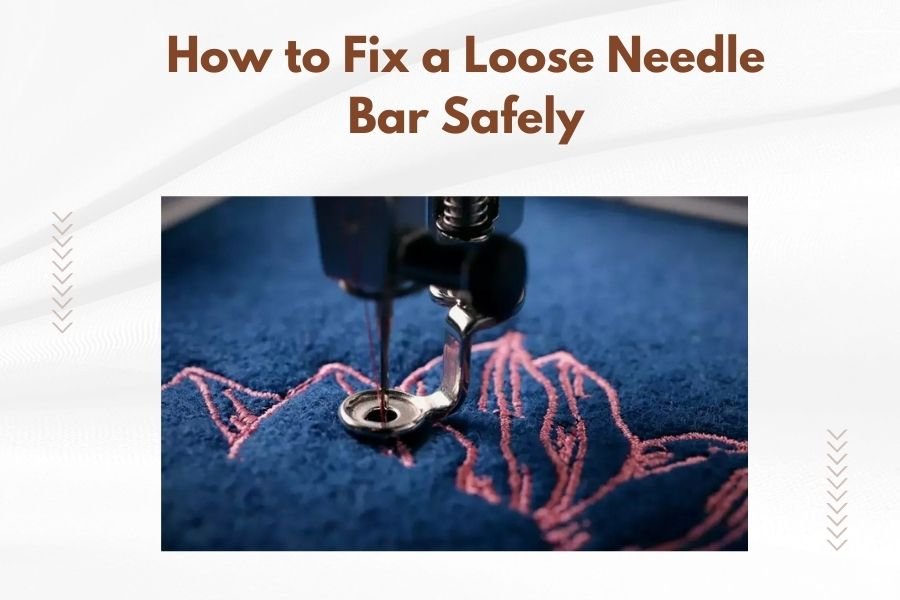
If the bar moves but doesn't look crooked, it may be loose rather than bent. See How to Fix a Loose Needle Bar Safely for signs that call for service and the limits of safe checks.
What can cause a needle bar to bend or go out of alignment?
A hard needle strike or force on the needle can damage the bar or shift its alignment. Sewing over a pin, pulling fabric through the machine, or turning the handwheel against resistance can also lead to needle-area damage.
A broken needle doesn't prove the bar is bent. The needle could have struck the presser foot or plate because it was installed incorrectly, was the wrong type, or encountered resistance in the fabric.
Check the machine manual for the correct needle, presser foot, and setup for your project. If the machine has jammed or the needle has hit metal, stop and inspect for visible damage before trying again.
What if the needle bar is stuck instead of bent?
A stuck bar and a visibly bent bar are different problems, but both can make the machine unsafe to run. Don't force the handwheel or push the bar up and down.
For a Singer machine, follow the checks in How to Troubleshoot a Frozen Singer Needle Bar. For other machines, use the manual and contact the maker or a repair technician if the bar won't move freely.
Should you adjust or replace a bent needle bar yourself?
Only adjust or replace a needle bar if the machine maker's service instructions cover the repair and you have the right skills and tools. The bar's position affects needle alignment and timing, so an incorrect adjustment can create more needle strikes.
Don't use pliers to bend the bar straight or loosen parts at random. Don't run the machine with covers removed unless the service instructions specifically require it and explain how to do so safely.
A technician can check whether the bar is bent, loose, or out of position and whether connected parts also need attention. If the machine is still under warranty, check the warranty terms before opening it or arranging a repair.
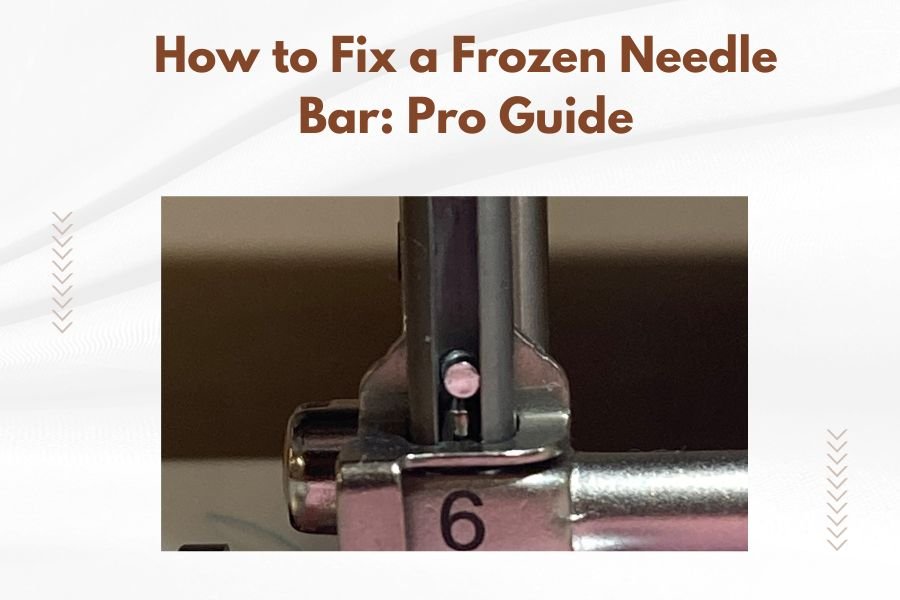
If the bar moves freely but needs adjustment, How to Fix a Frozen Needle Bar: Pro Guide explains when careful troubleshooting may help and when to stop. A guide to quilting machine bars and their types can also help you understand which bar you are inspecting.
Does a bent needle bar mean the machine needs timing?
Not always; a crooked needle bar and incorrect timing are separate faults that can cause some similar symptoms. A technician may check timing if stitches skip or the needle and hook fail to meet as they should.
Don't adjust timing based only on skipped stitches. A damaged needle, incorrect setup, lint, or another fault may be responsible.
If a repairer suspects timing trouble, read How to Time Your Quilting Machine Like a Pro to understand what that adjustment involves. Follow your machine's service instructions rather than copying settings from another model.
Should you oil the machine after a needle bar problem?
Oil the machine only at the points and intervals named in its manual. Oil won't straighten a bent bar or correct misalignment, and applying it to the wrong part can create a separate problem.
If the handwheel resists movement, don't assume a drop of oil will clear the cause. Check the instructions first, and stop if the machine remains stuck or makes unusual sounds.
For routine maintenance, see How to Oil a Sewing Machine?. Keep oil away from the needle, thread, and fabric unless your manual says otherwise.
Which sewing and quilting books can help after a repair?
Reference books can help you return to sewing basics and plan your next project after the machine is repaired. They aren't repair manuals, so use the machine's own instructions or a qualified technician for needle-bar work.
The Sewing Book by Alison Smith covers sewing-machine techniques, tools, materials, and projects in 352 pages.
All-Star Quilts of Valor has 25 quilt patterns from designers, with instructions and ideas for making a patriotic quilt.
Encyclopedia of Classic Quilt Patterns includes more than 101 quilting projects, with guidance on quick piecing and rotary cutting.
When should you call a repair technician?
Arrange service if the needle still leans with a new, correctly installed needle, strikes the plate, or sits crooked in the clamp. Also get help if the bar looks bent, feels loose, or the handwheel binds.
Before contacting a repair shop, note the machine's make and model and describe what happened before the problem started. Tell them whether the needle broke, struck something, or the machine stopped moving.
Don't keep testing the machine to reproduce the fault. A short description and a clear photo of the needle area may help the technician decide what to inspect.
What should you do about a bent needle bar on a sewing machine?
For a bent needle bar on a sewing machine, stop using the machine and arrange an inspection. If only the needle is bent, replace it with the correct type and confirm it clears the foot and plate by turning the handwheel slowly by hand.
Choose a technician if the new needle still sits at an angle, the bar looks damaged, or the machine resists movement. Resume sewing only after the cause of the misalignment has been corrected.