
Your quilting machine is making noise because it likely needs some basic maintenance or has a minor issue, such as a lack of lubrication or a loose component. Don’t worry, many common noises are easy to fix and prevent.
That annoying clunk, squeak, or grind can be frustrating, especially when you’re in the middle of a project. We found that most noise issues stem from simple causes you can identify and resolve yourself. It’s often your machine telling you it needs a little TLC.
- Common noises often point to easy fixes.
- Lack of oil is a frequent culprit.
- Loose screws can cause vibrations and sounds.
- Your needle or bobbin might be the issue.
- Regular cleaning prevents many problems.
Let’s walk through the most common reasons your quilting machine might be making noise and what you can do to bring back the quiet hum of happy stitching.
Why Your Quilting Machine Might Be Humming a Different Tune
That new, unexpected sound from your quilting machine is usually a sign that something needs your attention. Most often, it’s a simple fix.
Lack of Lubrication: The Squeaky Wheel Gets the Oil
Just like any moving part, your quilting machine needs regular oiling to run smoothly. Without it, metal parts can rub, causing friction and noise.
Many experts say that a dry machine is a noisy machine. We found that insufficient oil is one of the most common reasons for a grinding or squealing sound.
How to Oil Your Machine Correctly
Oiling your machine is straightforward, but it needs to be done right. First, always consult your machine’s manual for specific oiling points and recommended oil types. Using the wrong oil can cause more harm than good.
- Turn off and unplug your machine for safety.
- Clean away any lint or dust from the oiling areas.
- Apply a small drop of sewing machine oil to each designated point.
- Run your machine for a minute without thread to distribute the oil.
- Wipe off any excess oil to prevent staining your fabric.
Regular oiling can prevent a host of noise issues and extend the life of your machine (American Quilter’s Society).
Loose Screws and Components: The Rattle and Hum
Over time and with vibrations, screws can loosen up. This can lead to various rattles, clunks, or vibrating noises during operation.
A loose plate, a wobbly needle bar, or even a shifting motor mount can be the culprit. It’s like a loose part in your car making a strange sound.
Checking for and Tightening Loose Parts
You can often find these loose parts with a simple visual inspection. Look closely at the machine’s exterior and internal components that are easily accessible.
- Examine the needle plate for any play.
- Check the bobbin case for secure fitting.
- Gently test the needle bar for looseness.
- Look for any screws that appear slightly backed out.
A small screwdriver can often tighten these parts. Be careful not to overtighten, as this can strip the screws or damage the components.
Needle Nuisances: The Clicking or Banging Sound
Your needle is a small but critical part of your machine. A problem with it can cause various unsettling sounds.
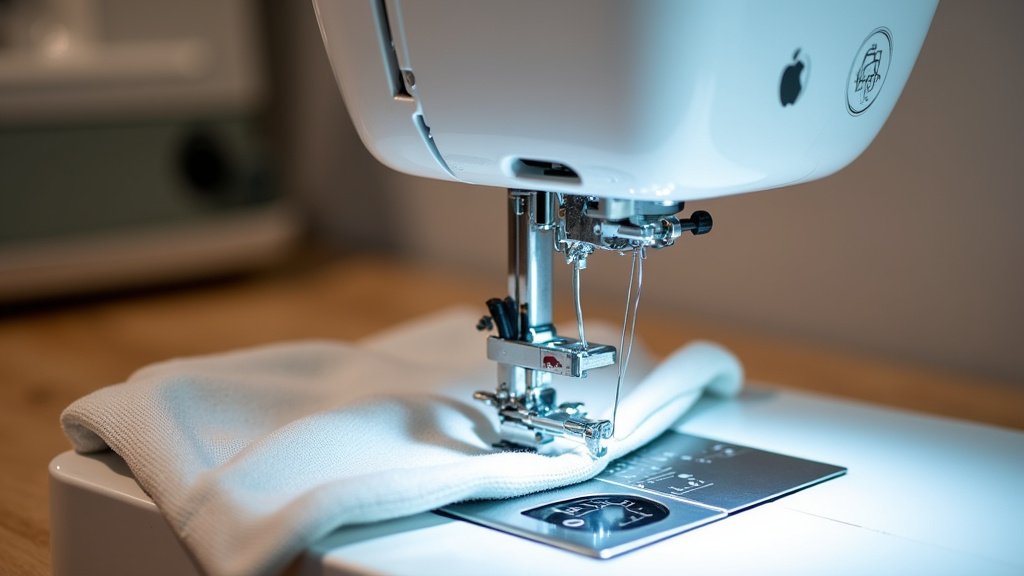
A bent, dull, or incorrectly inserted needle can hit the bobbin case or needle plate. This often creates a distinct clicking, thumping, or banging noise.
Inspecting and Replacing Your Needle
It’s good practice to change your needle regularly, especially after many hours of quilting. Even if it looks okay, it might be slightly bent or dull.
A quick check can tell you a lot. Run your finger over the needle’s tip; if it feels rough or hooked, it’s time for a new one. Also, ensure it’s inserted all the way up and facing the correct direction.
Here’s what to look for:
| Noise Type | Possible Needle Issue | Solution |
|---|---|---|
| Clicking/Thumping | Bent or dull needle; incorrect insertion | Replace needle; ensure proper insertion |
| Banging/Grinding | Needle hitting bobbin case/plate | Re-insert needle; check timing (if persistent) |
| Skipped Stitches & Noise | Wrong needle type for fabric | Use appropriate needle for quilting fabric |
Bobbin Blues: From Rattles to Jams
The bobbin area is a hub of activity, and problems here can generate many noises. A noisy bobbin often means something is out of place or dirty.
A rattling bobbin might not be seated correctly, or it could be the wrong size for your machine. A grinding sound could indicate lint buildup causing friction.
Addressing Bobbin-Related Noises
First, remove the bobbin case and bobbin. Clean out any lint or stray threads. This is a common area for fuzz to accumulate and cause trouble.
Next, check your bobbin itself. Is it the correct size for your machine? Using the wrong size can cause it to rattle around or even jam.
When reinserting, make sure it’s placed securely and correctly according to your machine’s manual. A properly wound bobbin, not too tight or too loose, also helps. (Quilting Daily).
Thread Tangles: The Growl of Frustration
Thread issues aren’t just frustrating; they can also be noisy. A snarled thread or a bird’s nest underneath your fabric can make your machine struggle and growl.
When your machine encounters resistance from tangled thread, it has to work harder. This extra effort can manifest as a deep, struggling noise or even a loud clunk as it tries to power through.
Untangling the Mess and Preventing Recurrence
If you hear your machine laboring, stop immediately. Check both the top threading and the bobbin area for any snags or knots. Remove the fabric and carefully cut away any tangled thread.
To prevent this, always ensure your machine is threaded correctly, both the top thread and the bobbin. Use quality thread appropriate for quilting, and make sure your tension settings are balanced. Learning how to fix skipped stitches can also help prevent thread tangles and associated machine noise.
Here’s a quick checklist to help prevent thread tangles:
- Re-thread your machine from scratch.
- Ensure the presser foot is up when threading.
- Check that the bobbin is wound evenly.
- Clean under the needle plate regularly.
- Use thread that isn’t old or brittle.
- Match your needle size to your thread weight.
Beyond the Basics: When to Seek Professional Help
While many noises are simple fixes, some indicate a deeper problem. If you’ve tried all the common solutions and your machine is still making unsettling sounds, it might be time for a professional.
Persistent loud grinding, a burning smell, or repeated locking up are signs that your machine needs an expert. Don’t force it; you could cause more damage.
Recognizing Serious Issues
Sometimes, a noise isn’t just an annoyance; it’s a symptom of a larger mechanical or electrical issue. It’s like when your car engine starts making a truly awful noise – you know it’s not just a loose hubcap.
For example, a high-pitched squeal that doesn’t go away after oiling might point to worn bearings. A continuous thumping could be a motor issue. These are things best left to a trained technician.
They have the tools and expertise to diagnose and repair internal components that you shouldn’t try to fix yourself. Regular servicing can also catch potential noise-making problems before they start.
Conclusion
You now know that many quilting machine noises aren’t scary mechanical failures. Instead, they’re often simple requests for a bit of attention. We’ve walked through how a little oil, a quick tighten of a screw, or a fresh needle can quiet things down. Staying on top of routine cleaning and proper threading prevents most issues before they start. If you’ve addressed these common culprits and the noise persists, don’t hesitate to contact a professional. Your machine, and your peace of mind, will thank you for it.
Frequently Asked Questions
How often should I oil my quilting machine to prevent noise?
The frequency depends on how much you use your machine. For regular quilters, oiling every 8-10 hours of sewing or after every few projects is a good rule of thumb. Always check your machine’s manual for its specific recommendations.
Can using cheap thread cause my quilting machine to make noise?
Yes, absolutely. Low-quality thread can produce excessive lint, break easily, and cause tension problems. This can lead to snarling, skipped stitches, and the machine struggling, all of which create noise.
What if my machine makes a loud thumping noise only when quilting thick layers?
This often points to a needle issue or incorrect presser foot pressure. Ensure you’re using the correct needle size for the fabric layers and that your presser foot is adjusted for the thickness. The machine works harder with thick materials, and a dull or small needle can easily cause banging.
My machine makes a squealing sound even after oiling. What else could it be?
If oiling doesn’t fix a squeal, it might indicate a worn internal part that needs more than just lubrication. It could be a motor bearing or another component that’s starting to fail. At this point, professional service is likely the best solution.
Is it normal for a brand-new quilting machine to make noise?
A new machine should generally be quiet, with a smooth hum. Some initial break-in sounds might occur, but loud or unusual noises are not typical. If your brand-new machine is noisy, check for correct threading, needle insertion, and bobbin placement first, then contact the retailer or manufacturer if it continues.
