Why Is Bobbin Thread Showing on Top of Embroidery?
Bobbin thread showing on top of embroidery usually means the thread balance is off, the top thread isn't seated correctly, or the design and stabilizer need attention. Rethread first, then check the needle, bobbin, and fabric support before changing tension.
On this page (8 sections)
- What should you check first when bobbin thread shows on top?
- Is the top thread showing on the back or the bobbin thread showing on top?
- Can the needle or thread cause bobbin thread to show?
- Could the stabilizer or hooping cause the imbalance?
- Can a dense embroidery design pull bobbin thread to the top?
- Should you adjust the upper tension?
- When should you ask for machine service?
- What is the best order for fixing bobbin thread showing on top?
Bobbin thread showing on top of embroidery usually means the upper thread isn't balancing the bobbin thread, the machine was threaded incorrectly, or the fabric needs better support. Rethread first, then check the needle, bobbin placement, stabilizer, and design density before changing tension.
A narrow line of bobbin thread on the back of satin stitches can be normal. Large loops, repeated dots, or bobbin color covering the top are signs to stop and troubleshoot.
What should you check first when bobbin thread shows on top?
Rethread the upper path and bobbin before adjusting tension. A thread caught outside the tension discs or a bobbin installed the wrong way can upset stitch balance.
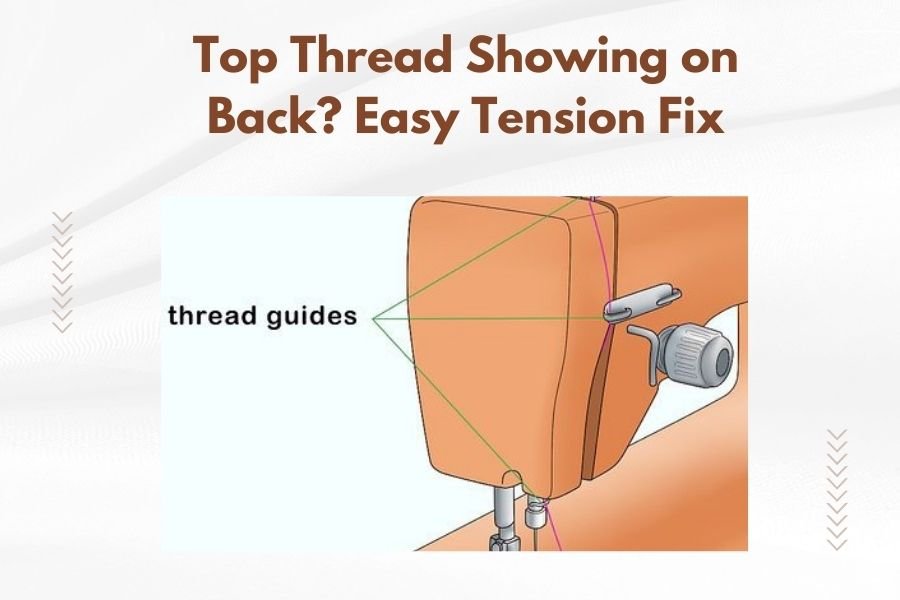
Raise the presser foot before threading the top path so the thread can settle between the tension discs. Follow your machine manual for the exact path, and make sure the thread passes through every guide and the take-up lever.
For a Kenmore 19001, see how to check its thread sensor.
Remove and reinstall the bobbin in the direction shown in the manual. If thread winds unevenly, see uneven bobbin winding.
Clear lint from the bobbin area with the approved method, and avoid pulling thread from the case if it feels stuck.
Sew a short test on a fabric scrap with the same stabilizer. If the problem continues, compare the stitch pattern and the affected side with your machine's guidance for thread tension that keeps changing.
Is the top thread showing on the back or the bobbin thread showing on top?
Bobbin thread on top points to an upper-thread balance or setup issue; top thread on the back often points the other way. Identify which color is appearing and where before changing any settings.
If the upper thread is visible in loops or long floats on the underside, review the upper threading, needle, and upper tension. Our guide to top thread showing on the back covers that symptom.
If the bobbin color is covering the front, inspect the upper thread path and confirm the top thread is seated with the presser foot raised. For an Innov-is model, see why bobbin thread shows on top.
Avoid turning the bobbin-case screw unless your manual directs you to do so.
A small amount of bobbin thread can show on the underside of dense satin stitches. The front should still look clean, and the bobbin color should not dominate the top surface.
Can the needle or thread cause bobbin thread to show?
A bent, dull, or unsuitable needle can disrupt stitch formation. If the needle clamp screw no longer tightens securely, see stripped needle bar threads.
Replace a damaged needle with the type and size recommended for your fabric and machine.
Insert the needle fully and in the correct direction. If you sew dense fabric or detailed embroidery, a sharp needle may suit some woven materials, but the machine and fabric instructions should guide the choice.
The SCHMETZ Microtex needle has a slim acute point and is size 80/12. Its maker describes it for precise stitching on woven materials, including cotton, batik, and microfiber.
Do not treat a needle change as a fix for every tension problem. If a new needle doesn't change the stitch balance, return to threading, bobbin placement, stabilizer, and design density.
Thread can also affect how clearly the stitch problem appears. Keep the upper and bobbin thread compatible with your machine and project, and avoid mixing thread types without checking the machine's guidance.
Coats & Clark All Purpose Sewing Thread is polyester thread for a range of sewing projects. It may be useful when a compatible polyester thread is appropriate for the machine and embroidery setup.
The Bohin automatic threader is made for threading hand sewing needles, not machine threading. It can help prepare a hand needle for securing embroidery ends, but it won't correct machine tension.
Could the stabilizer or hooping cause the imbalance?
Yes, fabric movement or weak stabilizer can make embroidery stitches pull and distort. Choose stabilizer that supports the fabric and stitch area, then hoop the layers smoothly without stretching them.
Use the stabilizer method recommended for the fabric, design, and machine. The fabric should lie flat in the hoop, with no slack, folds, or excess tension caused by stretching.
If the fabric shifts during stitching, the needle can pull the design out of shape and make thread coverage look uneven. Rehoop a fresh test sample and check that the stabilizer remains secured beneath the stitch area.
Avoid adding layers blindly. Too much bulk can also affect how the fabric feeds or how the finished embroidery feels, so test a small sample before committing to a garment or quilt block.
Can a dense embroidery design pull bobbin thread to the top?
A dense design can add thread buildup and increase pull on the fabric. If the setup is correct but the same area keeps showing bobbin thread, test a less dense design or a version with fewer stitches.
Look for the problem in the same location each time. If it repeats only in heavy-fill areas, density, stitch direction, and stabilizer strength deserve attention.
Try the design on a similar fabric scrap with the same stabilizer and thread. If your machine or design software allows it, reduce density only within its intended editing controls, and preserve the original file.
If the trouble happens across many designs, focus on setup rather than assuming the design is at fault. Check threading, needle condition, bobbin insertion, and thread path again.
Should you adjust the upper tension?
Adjust the upper tension only after basic setup checks. Make one small change at a time, test on a scrap, and note the original setting so you can restore it.
Follow the machine manual's recommended embroidery tension range. A small upper-tension adjustment may improve balance, but excessive changes can create loops, puckering, or a new imbalance.
Don't tighten the bobbin-case screw to chase a single bad sample. Bobbin tension changes can be harder to reverse and may affect other projects.
When the machine has a separate embroidery tension setting, use that control as directed. If the setting changes do not help, restore the original value and recheck the physical setup.
When should you ask for machine service?
Seek service when the problem continues across correctly threaded tests and suitable materials. A damaged tension assembly, bobbin case, or other machine part may need inspection.
Stop sewing if the needle strikes the plate, thread repeatedly shreds, the bobbin case is damaged, or the handwheel binds. If thread shreds during ruler-foot work, read ruler-foot thread shredding.
For hook contact, see needle hitting the bobbin hook.
Continuing can worsen the issue.
For a specific brand or model, follow its troubleshooting instructions. See the focused guides for Radiance embroidery bobbin thread showing on top and Skitch embroidery bobbin thread showing on top.
What is the best order for fixing bobbin thread showing on top?
Start with threading and bobbin placement, then check the needle, thread, stabilizer, hooping, and design density. Make one change at a time and test on a matching scrap before adjusting tension.
Choose a SCHMETZ Microtex needle when a sharp size 80/12 needle fits the fabric and machine guidance. Use Coats & Clark polyester thread only when that thread type suits the setup, and reserve the Bohin threader for hand-needle finishing.
If the same symptom remains after these checks, return to the machine manual or arrange service. A clean test sample will help show whether the cause follows the design, fabric support, or machine setup.
Frequently asked questions
Why is bobbin thread showing on top of embroidery?
Bobbin thread showing on top usually means the upper thread is not balancing the bobbin thread correctly. Rethread the machine with the presser foot raised, check that the bobbin is installed in the right direction, and inspect the needle and stabilizer before adjusting tension.
Should I change the bobbin tension for embroidery?
Don't adjust bobbin tension as a first step. Check threading, needle condition, thread path, stabilizer, and design density first, then use the machine's manual to guide any tension change.
Small changes to the upper tension are often easier to reverse.
Can stabilizer make bobbin thread show on top?
Yes, stabilizer that is too light or poorly matched to the fabric can let stitches shift or pull, changing how the thread balance looks. Use stabilizer suited to the fabric and design, hoop it smoothly, and avoid stretching the fabric while hooping.
Can dense embroidery designs cause bobbin thread to show?
A dense design can build up thread and pull the fabric, especially when the stabilizer is not strong enough for the stitch area. Test the design on a similar fabric and stabilizer, and consider reducing density or choosing a lighter design if the machine supports editing.