
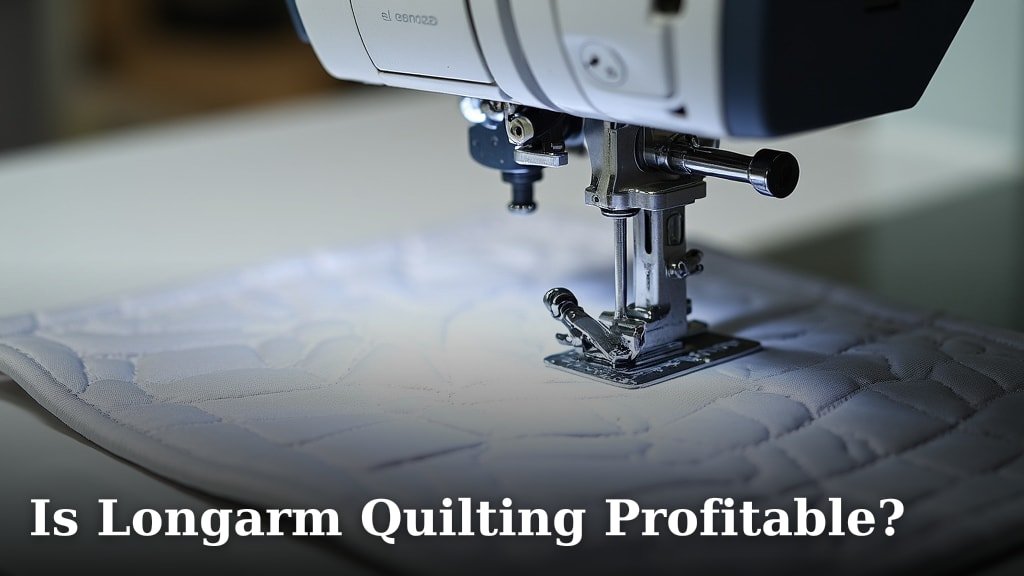
Yes, longarm quilting can be profitable for many quilters. You can make money by offering quilting services to others. It takes time and the right approach to see a good return on your investment. Many quilters have built successful businesses around their longarm machines.
The profitability often depends on your pricing strategy and how efficiently you manage your time. Understanding your costs, like machine maintenance and thread, is essential. You’ll also need to consider marketing your services to find enough customers. Many successful longarm quilters have found a balance between passion and business sense.
- Longarm quilting can be a profitable business.
- Success depends on pricing, efficiency, and marketing.
- Understanding costs is key to setting profitable rates.
- Many quilters turn their hobby into a paying service.
Let’s walk through what it takes to make longarm quilting a profitable venture for you.
Turning Your Longarm Quilting Hobby Into a Business
Can longarm quilting actually make you money? The short answer is a resounding **yes**. Many quilters successfully run businesses providing quilting services to others. You can create a steady income stream, or even build a full-time career, with your longarm machine. It requires a blend of your passion for quilting and smart business practices. We found that setting realistic expectations is the first step toward profitability. Discover the best quilting machine for small business operations.
Understanding Your Costs: The Foundation of Profit
Before you can price your services, you need to know what it costs you to operate. This isn’t just about the machine itself. Think about all the smaller, recurring expenses. These costs add up quickly and directly impact your profit margins. Ignoring them means you might be undercharging without realizing it. We found that tracking every single expense is absolutely vital.
Direct Costs of Quilting
These are the materials you use for each quilt. This includes your high-quality **thread**, batting, and any specialized quilting rulers or tools. You’ll also need to factor in electricity to run your machine. Don’t forget about potential shipping costs if you mail supplies or finished quilts. Keeping a detailed log of these items per project helps immensely. Learn about the best size quilting machine for small spaces.
Indirect Costs and Overhead
Beyond the materials, there are other costs. Your longarm machine needs regular **maintenance**. This includes oiling, cleaning, and eventually, professional servicing. Machine needles wear out and need replacing frequently. Consider the cost of your sewing space, whether it’s a dedicated room or a corner of your home. Insurance is also a wise investment for any business.
Time as a Cost
Perhaps the most overlooked cost is your own time. You need to pay yourself for the hours you spend quilting. This includes the time spent prepping the quilt, the actual quilting process, and finishing touches. We found that many new business owners undervalue their time. This is a common pitfall that can make a business appear profitable on paper, but leave the owner feeling overworked and underpaid.
Pricing Your Longarm Quilting Services
Setting the right price is key to making money. It needs to cover your costs, pay you a fair wage, and still be attractive to customers. There are a few common pricing models quilters use. Each has its pros and cons for your specific business.
Pricing by the Square Inch
This is the most common method for longarm quilting services. You charge a set rate for every square inch of the quilt. For example, a rate of $0.02 per square inch means a 60″ x 80″ quilt would cost $96 to quilt ($0.02 x 4800 sq in). This model is straightforward and easy for customers to understand. We found that rates can vary widely based on complexity and location.
Factors Influencing Your Rate
- Complexity of the design: Dense, intricate patterns take longer than simple, all-over designs.
- Thread type: Specialty metallic or variegated threads might cost more.
- Batting choice: Some quilters offer a premium batting at an additional cost.
- Quilt size: Larger quilts naturally take more time.
- Turnaround time: Rush orders often command a higher price.
Flat Rate Pricing vs. Hourly Rate
Some quilters opt for a flat rate for specific services, like a standard edge-to-edge pattern. Others might charge an hourly rate for custom quilting. While hourly rates can seem fair, they can be harder for customers to budget. Flat rates offer more predictability for your clients. We found that a hybrid approach often works well. You might have a base rate for edge-to-edge and an hourly estimate for custom work.
Marketing Your Longarm Quilting Business
Having a great longarm and knowing how to quilt is only half the battle. You need clients to keep your machine running and your income flowing. Marketing is how you connect with people who need your services. It doesn’t have to be complicated or expensive.
Building an Online Presence
A professional website or a dedicated social media page is essential. High-quality photos of your work are your best advertising. Showcase a variety of quilting styles and projects. Platforms like Instagram and Facebook are excellent for visual content. Consider a blog where you can share quilting tips and stories. We found that consistent posting helps build an audience.
Networking and Referrals
Talk to everyone you know about your business! Local quilt shops are often hubs for quilters looking for services. Attend guild meetings and craft fairs. Offer a referral discount to existing clients who bring you new business. Word-of-mouth is incredibly powerful and often leads to your **most loyal customers**. We found that building relationships is just as important as good marketing.
Understanding Your Target Audience
Who are you trying to reach? Are they busy quilters who want their tops finished? Are they quilters looking for custom heirloom designs? Tailor your marketing message and services to the clients you want to attract. Knowing your ideal customer helps you focus your efforts. For example, if you love modern quilting, showcase that style prominently.
Efficiency and Workflow for Profitability
To maximize your profit, you need to be efficient. This means streamlining your processes and minimizing wasted time. Every minute your machine is running with a purpose is a minute you’re earning money.
Preparing Quilts for the Machine
Have a clear process for receiving, preparing, and returning quilts. This includes clear instructions for clients on how to prepare their quilt tops and backing. Ensure your studio space is organized. Having everything readily accessible saves time. We found that a simple checklist for each quilt can prevent errors.
Managing Your Schedule
Use a calendar or scheduling software to keep track of deadlines. Avoid overbooking yourself, which can lead to stress and rushed work. Batch similar tasks together, like winding bobbins or trimming threads. This focused approach can significantly boost your productivity. We found that setting realistic turnaround times is key to client satisfaction.
Investing in Good Tools
While it’s important to manage costs, sometimes investing in better tools saves money in the long run. A well-maintained machine runs more smoothly. High-quality thread can reduce breakage. A good bobbin winder saves you precious time. Think about what tools could make your workflow faster and more enjoyable.
Is it Worth It? A Checklist for Success
So, can you make money longarm quilting? Absolutely! But success requires more than just a machine. Here’s a quick checklist to see if you’re on the right track:
- Have you accurately calculated all your business expenses?
- Do you have a clear pricing strategy that covers costs and pays you?
- Are you actively marketing your services to find clients?
- Is your workflow organized for maximum efficiency?
- Do you consistently deliver high-quality work?
- Are you treating your quilting as a real business?
If you can answer “yes” to most of these, you’re well on your way to building a **profitable longarm quilting business**. It takes dedication, but the rewards of doing what you love and earning an income can be immense.
Conclusion
You’ve seen that longarm quilting can be a profitable business. It’s more than just a hobby; it’s a service you can offer. Success hinges on understanding your costs, setting fair prices, and actively marketing your skills. We found that efficiency and excellent customer service are just as important as your quilting ability. Treat your quilting as a business, and you’ll be well on your way to earning from your passion. Your next step? Start tracking those expenses today and build your pricing model.
Frequently Asked Questions
How much should I charge for longarm quilting per square inch?
The rate varies widely, often from $0.02 to $0.05 per square inch. This depends on your location, the complexity of the design, and the quality of thread and batting you use. We found that researching local rates and considering your own costs is essential for setting your price.
What are the biggest hidden costs in running a longarm quilting business?
Many quilters overlook the cost of their own time, machine maintenance, and frequent needle replacements. Electricity and potential shipping expenses also add up. We found that tracking these indirect costs is vital to ensure your business is truly profitable.
How long does it typically take to quilt a standard-sized quilt?
For an edge-to-edge pattern on a standard throw quilt (around 60″ x 80″), it might take anywhere from 2 to 6 hours. This timeframe can increase significantly for custom quilting designs. We found that managing client expectations regarding turnaround time is key.
Do I need a fancy website to market my longarm quilting services?
While a website is great, it’s not always necessary to start. A professional-looking Facebook page or Instagram account with high-quality photos of your work can be very effective. We found that focusing on great visuals and networking can get you clients without a big upfront cost.
Is it possible to make a full-time income from longarm quilting?
Yes, it is possible to make a full-time income, but it requires consistent clients and efficient operations. Many quilters build successful businesses by offering reliable service and building a strong reputation. We found that dedication and a business-minded approach are the driving forces behind this level of success.
