
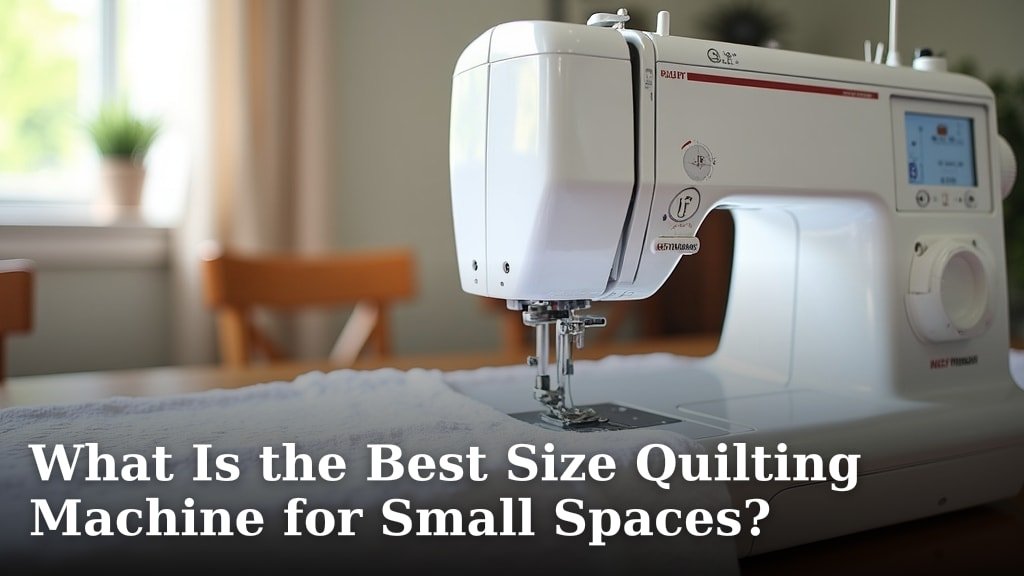
The best size quilting machine for small spaces is typically a domestic sewing machine with quilting features or a compact short-arm quilting machine. These options offer excellent functionality without demanding a large dedicated studio. We found that smaller machines allow you to pursue your passion even if you have limited room.
You want a machine that balances your quilting ambitions with your available square footage, right? A compact machine means you can still create beautiful quilts from the comfort of your home, perhaps even at your kitchen table. We researched and found that many quilters prioritize portability and ease of storage when space is tight.
- Compact machines are ideal for limited areas.
- Domestic sewing machines with quilting features work well.
- Short-arm quilting machines offer more throat space.
- Consider portability and storage ease.
- Balance your quilting needs with available room.
Let’s walk through the specific types of machines that truly shine when you’re working with less space, and how to pick the perfect one for your quilting journey.
Selecting the Right Quilting Machine for Your Compact Space
Choosing the best quilting machine when space is limited means focusing on functionality, size, and portability. You want a machine that performs well without taking over your entire room. We’ll guide you through the options.
Understanding Machine Types for Small Spaces
You have a few main choices when looking for a quilting machine that fits a smaller area. Each type offers different benefits, so it’s about finding what works for your quilting style and available room. We found that quilters often balance throat space with overall machine footprint.
Domestic Sewing Machines with Quilting Features
These are likely what you already have or are familiar with. Many standard home sewing machines now come with features perfect for quilting. Think about a larger throat space (the area to the right of the needle) and specific quilting feet.
- Pros: They are compact, often portable, and can do many other sewing tasks. You might already own one, saving money.
- Cons: Throat space is usually more limited than dedicated quilting machines, making large quilts challenging to maneuver.
- What to look for: A good feed dog system, an extension table, and a walking foot are key for quilting.
Compact Short-Arm Quilting Machines
These machines are a step up from domestic machines in terms of quilting capability but are still designed for home use. They offer a larger throat space without the massive size of a long-arm machine. We found these are a popular compromise for many quilters.
- Pros: Significantly more throat space than domestic machines, making it easier to quilt larger projects. Often built sturdier for continuous quilting.
- Cons: Still not as much throat space as a long-arm, and they are generally heavier and less portable than domestic machines. They also require a dedicated table.
- What to look for: Good lighting, precise stitch control, and a strong motor for thick quilt sandwiches.
Quilting Attachments and Frames
Sometimes, the “machine” isn’t the only solution. You can adapt your existing domestic machine with special frames or tables. We discovered these can transform your quilting experience even with a smaller base machine. This can be a smart, budget-friendly approach.
- Pros: Utilizes your current machine, potentially saving you from buying a new one. Can provide a larger work area.
- Cons: Setup can be cumbersome, and you’re still limited by your machine’s throat space.
- Consider: A quilting hoop or a small, sit-down quilting frame can help manage fabric.
Key Features to Prioritize in a Small-Space Quilting Machine
When you’re short on space, every feature counts. You want a machine that maximizes your quilting potential without adding clutter. We researched what makes a machine truly practical for smaller areas.
Throat Space
This is the measurement from the needle to the right side of the machine. For quilting, more throat space is generally better. It allows you to fit rolled-up quilt layers more easily. We found that for small spaces, a balance is needed.
- Domestic machines: Typically 6-8 inches. Good for smaller projects like baby quilts or wall hangings.
- Compact short-arms: Often 10-16 inches. These can handle larger throw quilts and even some bed-sized quilts with careful maneuvering.
Machine Footprint and Portability
How much space does the machine itself take up? And can you easily move it or put it away? These questions are vital for small areas. You might need to use your dining table for quilting.
- Look for machines that aren’t overly wide or deep.
- Consider weight. Can you lift it easily to store it in a closet?
- A hard cover or carrying case is a big plus for protection and transport.
Stitch Quality and Speed Control
A good quilting machine needs to produce even, consistent stitches. Speed control is also important, especially for intricate free-motion quilting. You want to be able to slow down for precision.
- Test different stitch lengths and tension settings.
- Look for a machine with a powerful motor that doesn’t bog down through thick layers.
Extension Tables and Accessories
An extension table is a game-changer for quilting on any machine. It expands your work surface, providing crucial support for your fabric. Many domestic machines offer these as an add-on.
- A walking foot is essential for even feeding of multiple layers.
- Free-motion quilting feet allow you to move the fabric freely under the needle.
Optimizing Your Small Quilting Area
Even with the best compact machine, your workspace setup makes a huge difference. Think about how you use your room. We discovered that clever organization can make a small space feel much larger.
Choosing the Right Table
Your table needs to be sturdy and at a comfortable height. A cutting table or a strong, adjustable-height desk can work wonders. You want a table that minimizes strain on your body (Cleveland Clinic).
- Look for tables with storage built-in, like drawers or shelves.
- Consider a foldable table if you need to reclaim space often.
Smart Storage Solutions
Clutter can quickly overwhelm a small space. Think vertically! Wall shelves, pegboards, and clear storage bins are your friends. You want everything to have a home.
- Rolling carts can hold notions and be moved out of the way.
- Under-bed storage is perfect for fabric stashes or unfinished projects.
Lighting and Ergonomics
Good lighting prevents eye strain and helps you see your stitches clearly. Position your machine so you have natural light if possible, and supplement with task lighting. An ergonomic chair can prevent back pain during long quilting sessions.
- Adjust your chair so your feet are flat on the floor and your arms are comfortable.
- Use an anti-fatigue mat if you stand while quilting.
Making Your Decision: What Type of Quilter Are You?
Your ideal machine often depends on your quilting aspirations. Are you making small, intricate pieces or large bed quilts? We found that identifying your primary quilting goals simplifies the choice.
| Quilter Type | Project Size | Recommended Machine | Key Feature Benefit |
|---|---|---|---|
| Beginner/Casual | Small (baby quilts, placemats) | Domestic Machine (with quilting features) | Versatility, low cost |
| Enthusiast | Medium (throw quilts, wall hangings) | Domestic Machine (larger throat) or Compact Short-Arm | Better throat space, portability |
| Dedicated Quilter | Large (bed quilts) | Compact Short-Arm | Ample throat space, durability |
The Checklist for Your Small Space Quilting Machine
Before you buy, ask yourself these questions. This list will help you narrow down your choices and ensure you’re getting the best fit for your home.
- Does it have enough throat space for your typical projects?
- Is it easy to move or store when not in use?
- Does it produce consistent, even stitches?
- Can you easily add an extension table?
- Is the price within your budget?
- Will it fit comfortably in your designated quilting area?
Remember, the “best” machine isn’t about the biggest or most expensive. It’s about finding the machine that helps you create beautiful quilts within the confines of your unique space. Happy quilting!
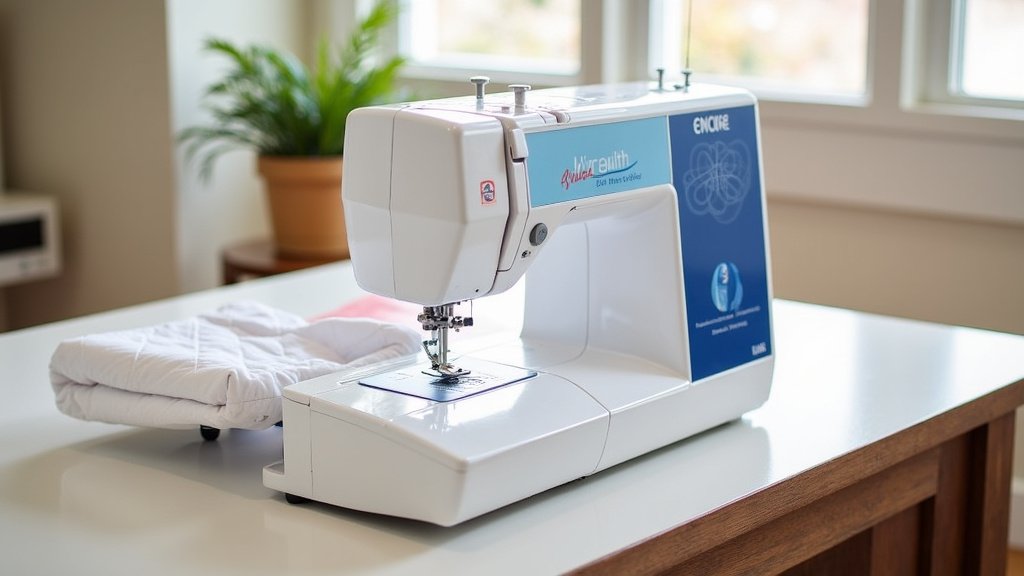
Conclusion
Choosing the best quilting machine for your small space doesn’t mean sacrificing your creative passion. You’ve seen that options range from feature-rich domestic machines to compact short-arms. We found that prioritizing throat space, portability, and smart workspace organization are key. It’s about finding the right balance for your projects and living situation.
By carefully considering your quilting style and available room, you can select a machine that perfectly fits your needs. Don’t let a small footprint limit your quilting dreams. Now, go measure your space and begin your search for the ideal compact quilting companion!
Frequently Asked Questions
Can I really quilt a large bed-sized quilt on a domestic sewing machine?
You absolutely can, but it requires patience and good technique. You’ll need to roll up sections of your quilt to fit through the smaller throat space. An extension table and walking foot will also make the process much smoother for you.
What’s the minimum throat space I should look for in a machine for small projects?
For smaller projects like baby quilts, placemats, or wall hangings, a domestic machine with at least 6-8 inches of throat space is generally sufficient. We found this gives you enough room to maneuver without too much struggle.
Are quilting attachments like frames worth it for small spaces?
Yes, quilting attachments and small frames can be a great budget-friendly solution. They allow you to use your existing domestic machine for larger projects by providing better fabric support. Just remember, your machine’s throat space remains the ultimate limiting factor.
How important is machine weight for a small quilting space?
Machine weight is very important if you need to store your machine away after each use. A lighter machine (under 20 pounds) is much easier to lift and move. If it has a dedicated spot, weight might be less of a concern for you.
Should I prioritize stitch quality or throat space in a compact machine?
You should prioritize both, as they are equally important for quality quilting. Good stitch quality ensures your quilts last. Sufficient throat space allows you to actually create the projects you envision. We recommend testing both aspects before making a purchase.
