
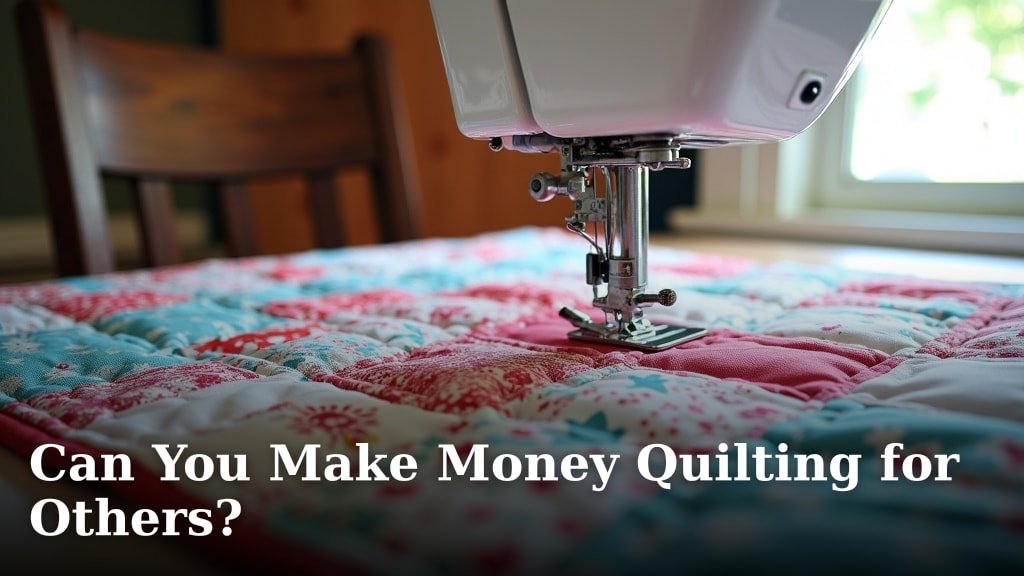
Yes, you absolutely can make money quilting for others. Many talented quilters turn their passion into a profitable business. You can earn income by offering custom quilting services for clients who have their own quilt tops ready to be finished. It’s a rewarding way to share your skills and get paid for your artistic talents.
Turning your quilting hobby into a paid service involves more than just sewing. You’ll need to consider pricing your work fairly, managing customer expectations, and marketing your skills effectively. Understanding the different quilting techniques and materials is also key to providing a high-quality service. Many quilters find success by specializing in certain styles or offering unique design options to attract clients.
- Yes, you can earn money quilting for others.
- It’s a way to monetize your quilting skills and passion.
- Key areas to focus on include pricing, customer service, and marketing.
- Specializing can help you stand out in the market.
- Many quilters successfully build a business this way.
Ready to see how you can start earning from your quilting creations? Let’s dive into the details of making money by quilting for others.
“`htmlTurning Your Quilting Passion into Income
So, can you make money quilting for others? The short answer is a resounding yes! Many creative individuals like yourself have turned their love for fabric and thread into a thriving business. You can absolutely get paid for your quilting skills. It’s a fantastic way to share your talent and earn a living doing something you genuinely enjoy.
The key is understanding how to position yourself as a service provider. People have quilt tops they’ve lovingly pieced together but may lack the time, skill, or even the right equipment to quilt them. That’s where you come in. Your quilting expertise can fill that gap beautifully.
Getting Started: Your Quilting Business Blueprint
Starting a quilting business for hire might seem daunting, but breaking it down makes it manageable. Think of it like planning a quilt – you start with a design and gather your materials. For your business, your “design” is your service, and your “materials” are your skills, equipment, and business plan.
Defining Your Services: What Exactly Will You Offer?
First, you need to decide what kind of quilting services you’ll provide. Will you offer edge-to-edge quilting? Custom quilting with intricate designs? Or perhaps you’ll specialize in a specific style, like modern quilting or traditional patterns.
Edge-to-edge quilting is a popular choice for beginners. This involves a repeating pattern across the entire quilt. It’s often more affordable for clients and quicker for you to complete. Many quilters start here because it’s less time-consuming than custom work.
Custom quilting is where you create unique designs that follow the lines of your client’s quilt top. This requires more skill and artistic interpretation. It usually commands a higher price. If you’re comfortable drawing or designing motifs, this could be your niche.
Consider if you’ll also offer quilt finishing services. This could include trimming the quilt, adding binding, or even helping with quilt backing preparation. Offering a full-service package can attract more clients.
Equipment and Workspace Essentials
To quilt for others, you’ll need the right tools. A domestic sewing machine that can handle thicker layers and has a good darning foot is a must. Many quilters upgrade to a longarm quilting machine as their business grows. These machines are designed for quilting large projects efficiently and offer incredible precision.
Your workspace also matters. You need a clean, well-lit area where you can spread out large quilts without issue. Good lighting reduces eye strain and helps you spot any quilting or fabric flaws. Consider investing in a sturdy table to support the weight of quilts.
Choosing Your Batting and Thread
You’ll also need to decide on the materials you’ll use. Will you provide batting, or will the client supply it? Common batting choices include cotton, polyester, and cotton blends. Each has a different feel and look. Cotton offers a lovely drape and crinkle as it ages. Polyester is lightweight and hypoallergenic. Blends offer a balance of properties.
Thread is another important choice. Cotton thread is traditional and works well with cotton quilts. Polyester thread is strong and less likely to break. You’ll want a good selection of neutral colors like white, cream, and gray, plus perhaps some common colors your clients might request. Many experts recommend using a good quality thread to ensure durability and a beautiful finish (The Quilting Guild).
Pricing Your Quilting Services Effectively
Figuring out how much to charge is often the trickiest part. You want to be fair to your clients while also ensuring you’re compensated for your time, skill, and materials. Overpricing can scare clients away, but underpricing devalues your work.
Common Pricing Models
Most professional longarm quilters price their services by the square inch. This is a fair and consistent method. You’ll need to accurately measure the quilt top’s dimensions and calculate the total square inches.
The rate per square inch varies widely based on your location, the complexity of the quilting design, and the type of service. We found that prices can range from $0.02 to $0.08 per square inch for edge-to-edge quilting. Custom quilting can range from $0.05 to $0.15 per square inch or even higher for very intricate work.
Another factor is the thread and batting cost. Some quilters include these in their per-square-inch price. Others charge for them separately. It’s vital to be transparent with your clients about what’s included in the price.
Calculating Your Costs
To set your rates, you need to understand your own costs. This includes the depreciation of your quilting machine, electricity, thread, batting (if you provide it), and your time. Remember to factor in the time spent communicating with clients, prepping the quilt, and finishing touches.
Many quilters track their time for a few projects to get a realistic average. This helps them understand how long different types of quilting take. You should also consider the cost of your sewing machine, maintenance, and any software or design tools you use. Don’t forget about business expenses like insurance or marketing.
| Service Type | Average Rate per Square Inch | Considerations |
|---|---|---|
| Edge-to-Edge Quilting | $0.03 – $0.05 | Standard patterns, consistent density. |
| Semi-Custom Quilting | $0.05 – $0.08 | More intricate patterns, some border work. |
| Custom Quilting | $0.08 – $0.15+ | Block-by-block, intricate fills, following design lines. |
| Binding | $0.10 – $0.25 per linear inch | Includes fabric cutting and attachment. |
Marketing Your Quilting Business
Once you’re ready to offer your services, you need to let people know! Marketing is how clients will find you. Think about where potential clients hang out, both online and in your local community.
Online Presence is Key
A website or online portfolio is crucial. This is where you can showcase your best work with high-quality photos. Include clear descriptions of your services, pricing information, and how clients can contact you. Many quilters use platforms like Instagram or Facebook to share progress photos and finished quilts.
Social media marketing can be very effective. Post regularly about your quilting projects. Use relevant hashtags like #quiltingforhire, #longarmquilting, #customquilting, and #quiltartist. Engage with other quilters and potential customers. Respond to comments and messages promptly.
Local Connections Matter Too
Don’t underestimate the power of local connections. Partner with local quilt shops. They often have customers looking for finishing services. You could leave flyers or business cards there. Consider joining or starting a local quilting group. Word-of-mouth referrals are incredibly powerful.
Attend local craft fairs or quilt shows. This is a great way to meet potential clients and network with other vendors. You can display some of your work and talk directly with people about your services. Think about offering a small discount for first-time local clients to encourage them to try you out.
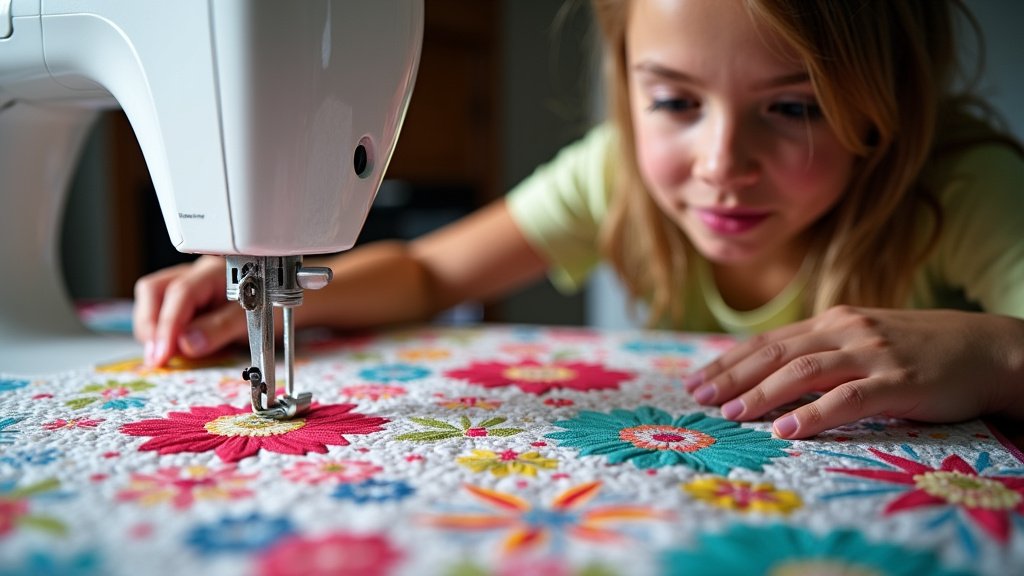
Setting Expectations and Client Communication
Clear communication is the bedrock of a successful service business. You want your clients to be thrilled with the finished product, and that starts with managing their expectations from the very beginning.
The Intake Process
When a client contacts you, have a clear intake process. Ask detailed questions about their quilt top: its size, the fabric content, and what kind of quilting they envision. If they’re unsure, you can offer suggestions based on your experience.
It’s wise to have a written contract or agreement. This document should outline the services you’ll provide, the agreed-upon price, turnaround time, and your policies on deposits, cancellations, and damage. Having everything in writing protects both you and your client.
Turnaround Time and Honesty
Be realistic about your turnaround time. Factor in your current workload and potential delays. It’s better to give a slightly longer estimate and finish early than to overpromise and underdeliver. Clients appreciate honesty and transparency about timelines.
If you encounter any issues with the quilt top – such as wavy seams or uneven fabric – communicate this to the client immediately. Discuss potential solutions. Being upfront about challenges builds trust and shows your professionalism. Many successful quilters find that clear communication prevents most misunderstandings (National Quilting Association).
Building a Reputation for Quality
Your reputation is your most valuable asset. Consistently delivering high-quality work is key to getting repeat business and positive referrals.
Attention to Detail
Pay close attention to the details of your quilting. Ensure your stitches are even and consistent. Double-check that your tension is correct. Trim loose threads. Present the finished quilt beautifully, perhaps with a nice label or a simple sleeve for hanging.
Handling Feedback and Reviews
Encourage satisfied clients to leave reviews or testimonials. Positive feedback can significantly boost your credibility. If, on rare occasions, a client is not completely satisfied, handle their feedback professionally and empathetically. See if there’s a reasonable way to address their concerns. Learning from constructive criticism can help you improve your services.
Ultimately, making money quilting for others is achievable with skill, planning, and good customer service. It’s a wonderful way to blend your passion with profit.
Checklist for Starting Your Quilting Service:
- Define your specific quilting services.
- Ensure your equipment is in good working order.
- Determine your pricing structure and costs.
- Create an online portfolio or website.
- Develop a simple client contract.
- Network with local quilt shops and groups.
Conclusion
You’ve seen that turning your quilting passion into a paying service is entirely possible. By defining your services, pricing them fairly, and marketing effectively, you can build a successful business. Remember that clear client communication and a commitment to quality are your most important tools. Don’t be afraid to start small and grow as you gain confidence and experience. Your skills are in demand, and with the right approach, you can earn income doing what you love. Take the first step today by outlining your service offerings and setting up a simple portfolio.
Frequently Asked Questions
How much experience do I need to quilt for others?
You don’t necessarily need years of professional experience to start. Many quilters begin by offering edge-to-edge services with a domestic machine. As you gain confidence and positive client feedback, you can expand your offerings to more complex custom work.
What if a client’s quilt top has issues like wavy seams?
It’s important to communicate any issues you find with the quilt top to your client right away. Discuss potential solutions, such as ironing or trimming, and agree on a plan before you begin quilting. Honesty builds trust.
Do I need a longarm machine to make money quilting?
While a longarm machine makes quilting large projects faster and more efficiently, it’s not always required to start. Many quilters successfully offer services using a robust domestic sewing machine, especially for smaller quilts or simpler designs.
How do I handle deposits and payments for my services?
It’s common practice to ask for a deposit upfront, often a percentage of the total cost, to secure your services and cover initial material expenses. Clearly state your payment terms, including when the final balance is due, in your client contract.
What’s the best way to find my first clients?
Start by letting your friends, family, and local quilting guilds know you’re offering services. Share your work on social media with relevant hashtags, and consider reaching out to local quilt shops about displaying your business cards or flyers.
