Why Does My Fabric Shift While Quilting?
On this page (7 sections)
Your fabric shifts while quilting because of a few common issues. The most frequent culprits are uneven tension, inconsistent layering, or using the wrong tools. These factors can cause your quilt sandwich to slip, leading to puckers and misaligned blocks. Don’t worry, it’s a problem many quilters face!
Understanding why your quilt layers move is the first step to smoother quilting. It often comes down to how you prepare your quilt sandwich and the techniques you use during the quilting process. We found that many experienced quilters have developed specific methods to prevent shifting and ensure a beautiful final product.
TL;DR:
- Fabric shifts mainly due to uneven tension or improper layering.
- Using the wrong tools can also cause your quilt to slip.
- Preparation is key to a stable quilt sandwich.
- Learn techniques to keep layers aligned.
Let’s walk through exactly why this happens and how you can keep your quilt layers perfectly still as you stitch.
Troubleshooting Fabric Shifting During Your Quilting Projects
You’re in the middle of a quilting project, and suddenly, your fabric starts moving around. It’s frustrating when your carefully pieced blocks get distorted. This shifting can happen to anyone, from beginners to seasoned quilters. It usually boils down to a few key areas. Let’s look at why your fabric might be moving and how you can stop it.
Understanding the Quilt Sandwich and Its Layers
A quilt sandwich is made of three main layers. You have your quilt top, your batting, and your backing fabric. These layers need to stay perfectly aligned while you quilt. If one layer slips, it can cause puckers or uneven stitching. This is a common challenge that many quilters face. We found that paying attention to each layer is essential.
The Quilt Top: Your Design’s Foundation
Your quilt top is the visible part of your quilt. It’s made of many pieced blocks. When you piece your blocks, make sure they are sewn with an accurate seam allowance. Even a small difference can add up. This can make your top slightly larger or smaller than you intended. If your blocks aren’t flat, they can create tension. This tension can then cause shifting later.
The Batting: The Heart of Your Quilt
Batting provides warmth and loft to your quilt. It’s placed between the quilt top and the backing. Batting can be made from cotton, polyester, wool, or blends. Some battings are more prone to shifting than others. For example, a very thin or low-loft batting might move more easily. We found that batting with a good scrim (a stabilizing layer) helps keep things in place.
The Backing Fabric: The Unsung Hero
Your backing fabric is just as important as your quilt top. It needs to be slightly larger than your quilt top. This extra fabric gives you room to secure it. If your backing is too small, it can pull the quilt top. This pulling can lead to unevenness. Many quilters use a simple cotton fabric for their backing. You can also use a pieced backing from leftover fabrics.
Common Causes for Fabric Slippage
Inconsistent Layering and Basting Techniques
How you put your layers together is critical. This process is called basting. Basting holds the three layers together. If your basting isn’t secure, the layers can slide. Pins are a popular choice for basting. You need to use enough pins. Place them every 4-6 inches across the entire quilt. Don’t forget the edges!
Spray basting is another method. It uses a temporary adhesive spray. You spray one layer, then carefully smooth the next layer onto it. This method requires a well-ventilated area. It’s also important to spray evenly. Uneven spraying can lead to weak spots. This allows fabric to shift.
Hand basting with large stitches is also an option. Use a long needle and thread. Make big stitches about 2-3 inches apart. Go through all three layers. This method takes more time. However, we found it can create a very stable quilt sandwich. The key is to keep the layers smooth as you go.
Uneven Tension During Machine Quilting
Machine tension is vital for smooth stitching. If your top tension is too tight, it can pull the fabric. This can cause puckers on the top. If your bobbin tension is too tight, it can cause loops on the back. This is called “loopy” stitching. The goal is a balanced stitch.
Your sewing machine’s manual can guide you on adjusting tension. Many machines have a dial for this. You might need to experiment. Try quilting a scrap piece of fabric first. Check both sides of the stitching. You want the stitches to look the same on the top and bottom. Many experts suggest that consistent, balanced tension is key to preventing fabric distortion (Quilting Daily).
The Role of Your Sewing Machine and Needles
Your sewing machine’s feed dogs play a role. These are the little metal teeth under your presser foot. They move the fabric along. If your feed dogs are too high, they can grab the fabric. This can cause it to bunch up. Lowering them can help. Many machines have a way to drop the feed dogs. Check your machine’s manual.
The type of sewing machine needle you use matters too. A dull or bent needle can snag the fabric. This can lead to skipped stitches or tears. Always use a fresh, sharp needle. For quilting, a quilting needle or a Microtex needle is often recommended. These needles are designed for multiple layers of fabric.
The Importance of the Quilting Foot
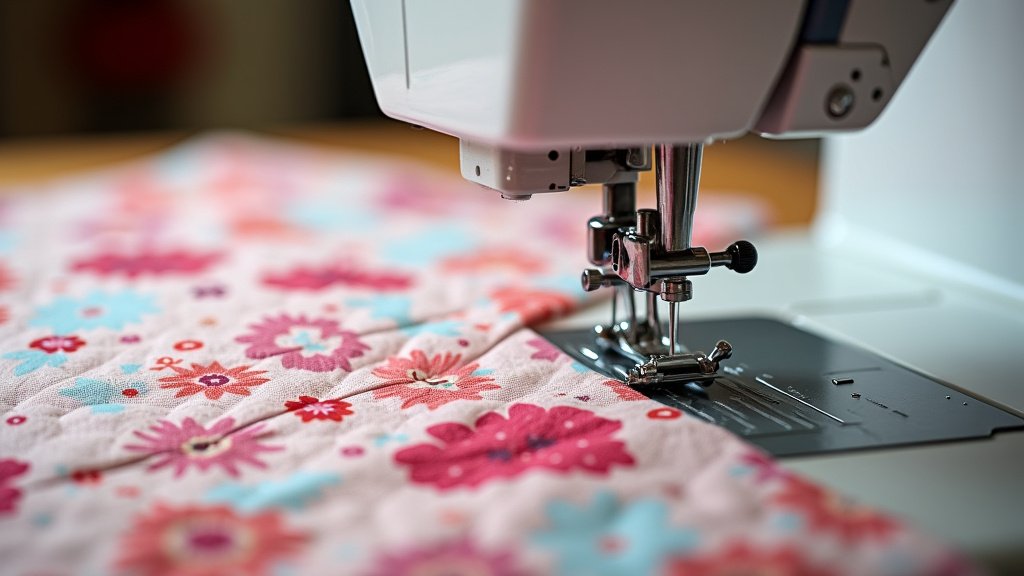
Your presser foot can affect how fabric moves. A standard presser foot might create drag. This can pull the top layer of fabric. A walking foot is designed for quilting. It has its own set of feed dogs on top. These work with your machine’s feed dogs. This helps feed all layers evenly. We found that a walking foot is a game-changer for preventing shifting.
Another option is a free-motion quilting foot. This is used for decorative quilting. It allows the fabric to move freely. However, you need to be very careful with tension and control. For straight-line quilting, a walking foot is usually the best choice.
Quilting Speed and Pressure
Going too fast can make it hard to control the fabric. Your machine’s feed dogs have a set speed. If you push or pull the fabric too hard, you can override them. This can cause stretching or bunching. Try to let the machine do the work. Guide the fabric gently. This helps maintain evenness.
Applying too much pressure with your hands can also distort the fabric. It’s a natural instinct to try and smooth things out as you go. However, excessive pulling can stretch the layers. This leads to puckers. Aim for a relaxed grip. Let the walking foot or machine feed dogs manage the fabric movement.
Tips and Tricks to Keep Your Fabric Stable
Proper Preparation Prevents Problems
Start with well-pressed fabrics. Wrinkles in your quilt top or backing can cause unevenness. Ensure your backing is ironed flat. Also, make sure your batting is smoothed out. We found that taking a few extra minutes to press everything makes a big difference.
Strategic Basting for Maximum Stability
Don’t skimp on your basting! Use plenty of safety pins if you’re pinning. Place them about a hand’s width apart. Work from the center outwards. This pushes any excess fabric towards the edges. If you’re spray basting, ensure even coverage. Smooth each layer carefully. Avoid stretching as you baste.
Using a Supreme Slider or Supreme Glide
These are special non-stick mats. You place them under your machine’s needle plate. They create a slick surface. This allows the quilt to glide smoothly. It reduces drag from the machine bed. Many quilters swear by these for easier quilting. They help the fabric move freely without pulling.
Test Your Tension Regularly
Before you start quilting your actual project, test your tension. Use a scrap piece of fabric that matches your quilt layers. Quilt a few lines. Check both sides. Make adjustments as needed. Consistent tension is crucial for a professional finish. This simple step can save you a lot of frustration.
Here’s a quick checklist to help you prevent fabric shifting:
- Iron all your fabrics smooth before starting.
- Baste generously with pins or spray.
- Use a walking foot for machine quilting.
- Ensure your machine’s tension is balanced.
- Test your stitch on a scrap first.
- Guide fabric gently; don’t pull or push hard.
When to Re-Evaluate Your Tools and Materials
Sometimes, the issue isn’t just technique. It could be your materials. A worn-out sewing machine needle can cause problems. A frayed or old batting might be less stable. If you’ve tried everything else, consider if your tools are up to the task. Investing in quality batting and sharp needles can make a difference.
Many quilters find that certain batting types are better for machine quilting. For example, some cotton battings can be prone to bearding or shifting if not basted well. Polyester or cotton-poly blends often offer more stability. Researching batting types can help you choose one that suits your needs.
Conclusion
You’ve learned that fabric shifting during quilting isn’t magic; it’s a puzzle with solvable pieces. Understanding your quilt sandwich, from the top to the backing, and how they interact is key. Proper preparation, careful basting, and the right tools like a walking foot make a huge difference. Don’t let slippery fabric derail your projects. By paying attention to tension, your machine’s settings, and your own handling, you can achieve smooth, beautiful results. Take one step today: test your machine’s tension on a scrap piece before your next quilt.
Frequently Asked Questions
What’s the best basting method to prevent shifting?
Many quilters find that generous pinning, with pins placed about a hand-width apart and working from the center out, offers excellent stability. Spray basting can also be very effective if applied evenly, creating a strong bond between layers without stretching. Experiment to see which method works best for your quilting style.
Can my batting choice affect fabric shifting?
Yes, your batting can play a role. Some battings, especially very thin or low-loft ones, may be more prone to shifting. Battings with a scrim or stabilizer layer tend to hold their shape better. Consider a blend or a higher-quality cotton batting for projects where stability is a concern.
My machine’s tension seems off, what should I do?
It’s essential to balance your machine’s top and bobbin tension. Consult your sewing machine’s manual for specific instructions on how to adjust them. Always test your tension on scrap fabric that matches your quilt layers before you begin stitching your project.
Is it okay to pull or push the fabric while quilting?
It’s best to avoid excessive pulling or pushing. Let your sewing machine’s feed dogs, or a walking foot, do the work of moving the fabric. Gently guide the fabric with a relaxed hand to maintain evenness and prevent stretching or bunching.
When should I consider replacing my sewing machine needle?
You should replace your sewing machine needle if it feels dull, bends, or if you notice skipped stitches or fabric snagging. Using a fresh, sharp needle specifically designed for quilting or multiple fabric layers is vital for smooth stitching and preventing fabric damage.