What Is a Bobbin Case?
On this page (7 sections)
A bobbin case is the small part in your sewing machine that holds the bobbin. It’s essentially the bottom half of your stitch. Without a properly functioning bobbin case, your sewing machine won’t be able to create stitches at all.
Think of your sewing machine as having two main parts working together: the needle creating the top thread and the bobbin case managing the bottom thread. Many sewing machine problems, like skipped stitches or thread jams, can often be traced back to an issue with the bobbin case. It’s a surprisingly important component for smooth sewing.
- A bobbin case holds your bobbin.
- It’s essential for making stitches.
- It works with the needle to form stitches.
- Problems here can cause sewing issues.
- Keeping it clean helps your machine run well.
Let’s get into the nitty-gritty of what a bobbin case is and why it matters for your sewing projects. We’ll cover all the basics you need to know.
Understanding Your Sewing Machine’s Bobbin Case
The bobbin case is a fundamental part of your sewing machine. It works behind the scenes. It helps create every single stitch. Think of it as a tiny, but mighty, partner to your needle. It ensures your fabric gets held together properly.
What Exactly Does a Bobbin Case Do?
Your bobbin case has one primary job. It guides the bobbin thread. This thread comes from the bobbin. It then loops with the needle thread. This interaction forms a secure stitch. Without it, you’d just have loose threads. Your project wouldn’t hold together at all.
The Anatomy of a Bobbin Case
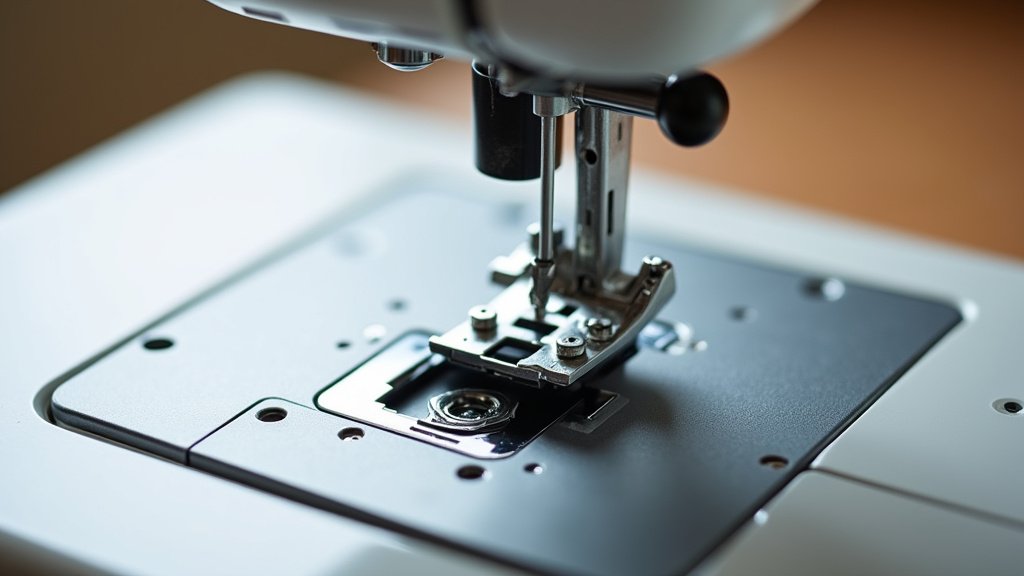
Most sewing machines have a bobbin case that’s designed to hold a bobbin. It’s usually a small, often metal, piece. It might have a little spring or clip. This helps keep the bobbin in place. Some cases are removable. Others are built into the machine’s chassis. The exact design varies between machine models. Explore the benefits of top-loading bobbins for easier thread changes and visibility.
Removable vs. Non-Removable Bobbin Cases
You’ll find two main types. Removable cases are common. You can take them out to clean or change them. Non-removable cases are fixed. They are part of the machine’s internal structure. Cleaning these might require different tools.
Why Is Your Bobbin Case So Important?
The bobbin case directly impacts your stitch quality. If it’s not working right, your stitches will suffer. You might see skipped stitches. You could get loops on the underside of your fabric. Thread jams are also a common symptom. Keeping your bobbin case in good shape is key. It ensures your machine runs smoothly.
The Stitch Formation Process Explained
When your needle goes down, it carries the top thread. It passes through the fabric. Just as the needle starts to pull back up, the bobbin case comes into play. A tiny hook on the bobbin case mechanism grabs the needle thread loop. It pulls this loop around the bobbin. The needle then pulls the top thread back up. This action locks the stitch. It creates a strong bond.
Common Bobbin Case Issues and How to Fix Them
Problems with the bobbin case are frequent. They can often be fixed with simple maintenance. Let’s look at what can go wrong. We’ll cover how to address it.
Thread Jams and Snags
A common issue is thread jamming. This happens when thread gets tangled. It can be in the bobbin area. This usually means the thread isn’t feeding correctly. Your bobbin case might be dirty. Lint can build up. A piece of thread might be caught. You’ll need to clear the area carefully. Remove any visible snags. Ensure the bobbin is seated correctly. Regularly clean the bobbin area to prevent lint buildup and ensure smooth operation.
Skipped Stitches
Skipped stitches are frustrating. They leave gaps in your sewing. This can happen if the bobbin case is damaged. It might also be misaligned. Sometimes, the bobbin itself isn’t wound evenly. This affects how the thread unwinds. Ensure your bobbin is wound smoothly. Check the bobbin case for any debris.
Uneven Stitch Tension
Your stitch tension relies on balance. It’s the balance between the top thread and the bobbin thread. If your bobbin case has issues, tension will be off. The underside of your stitch might look loopy. Or the top might be too tight. Many bobbin cases have a small tension screw. Adjusting this can help. But do this carefully. Make small turns.
Understanding Tension Adjustment
On many removable bobbin cases, there’s a small screw. This screw adjusts the tension of the bobbin thread. Turning it one way tightens the thread. Turning it the other way loosens it. Most sewing machine manuals will guide you. They explain how to adjust this screw. Always make tiny adjustments. Test your stitches after each change.
Worn or Damaged Bobbin Cases
Bobbin cases can wear out over time. The metal can get nicks or dents. The spring mechanism might weaken. If you notice persistent problems. And cleaning doesn’t help. It might be time for a replacement. A damaged case can’t guide the thread properly. This leads to all sorts of sewing woes.
Maintenance: Keeping Your Bobbin Case in Top Shape
Regular cleaning is vital. It’s the best way to prevent problems. It ensures your machine performs its best. Think of it as giving your machine a spa day!
The Importance of Cleaning
Lint and dust are the enemies of smooth sewing. They accumulate quickly. They get into the bobbin area. This build-up obstructs the thread path. It causes the issues we’ve discussed. Frequent cleaning prevents these problems. It extends the life of your machine.
How to Clean Your Bobbin Case
First, remove the bobbin and the bobbin case. Use a small brush. A lint brush or a small paintbrush works well. Gently brush away any lint or dust. Pay attention to the hook area. You can also use a soft cloth. Wipe down the bobbin case. If you have a non-removable case, use a brush. Get into the nooks and crannies as best you can. Some machines recommend a needle or a special cleaning tool. Always consult your machine’s manual.
When to Seek Professional Help
If you’ve cleaned your bobbin case thoroughly. And you’re still experiencing issues. It might be time for a check-up. A qualified sewing machine technician can diagnose deeper problems. They can spot damage you might miss. They can also perform a more thorough internal cleaning. Don’t hesitate to get expert help.
Choosing the Right Bobbin Case for Your Machine
Not all bobbin cases are the same. Using the wrong one can cause damage. It will prevent your machine from sewing correctly.
Compatibility is Key
Your sewing machine brand and model are important. Bobbin cases are often specific. They are designed to fit a particular machine. Check your sewing machine manual. It will tell you the correct part number. You can also look for the brand name. Ensure you buy a case designed for your machine.
Genuine vs. Aftermarket Parts
You have options when buying a replacement. Genuine parts are made by the original manufacturer. They are usually a perfect fit. Aftermarket parts are made by other companies. They can be more affordable. Some aftermarket parts are excellent quality. Others may not fit as precisely. Research reviews before buying aftermarket.
A Quick Checklist for Bobbin Case Care
Here’s a simple checklist to keep your bobbin case running smoothly:
- Clean it weekly. Remove lint and dust from the bobbin area.
- Check the bobbin. Ensure it’s wound evenly and seated correctly.
- Inspect for damage. Look for nicks, dents, or worn parts.
- Test your stitches. Pay attention to tension and stitch quality.
- Refer to your manual. It’s your best guide for your specific machine.
- Replace when needed. Don’t struggle with a worn-out bobbin case.
Conclusion
You’ve learned that your sewing machine’s bobbin case is more than just a tiny part; it’s a stitch maker! It works tirelessly with your needle to create every seam. Keeping it clean and in good working order is your ticket to frustration-free sewing. Regular maintenance prevents common issues like thread jams and skipped stitches. So, next time you sit down to sew, give your bobbin case a little attention. Your fabric and your finished projects will thank you for it!
Frequently Asked Questions
What happens if my bobbin case is damaged?
A damaged bobbin case can cause many sewing problems. You might experience skipped stitches, uneven tension, or thread jams. If you suspect damage, inspect it carefully for nicks or dents. Replacing a worn-out case is often the best solution for smooth sewing.
Can I use any bobbin case with my sewing machine?
No, compatibility is crucial. Bobbin cases are designed for specific sewing machine brands and models. Always check your machine’s manual for the correct part number. Using the wrong bobbin case can damage your machine and prevent it from sewing correctly.
How often should I clean my bobbin case?
It’s recommended to clean your bobbin case weekly, especially if you sew frequently. Lint and dust build up quickly in this area. Regular cleaning prevents thread jams and ensures your stitches are consistent and strong.
What’s the difference between a removable and a non-removable bobbin case?
A removable bobbin case can be taken out of the machine for easier cleaning and replacement. A non-removable case is built into the machine’s structure. Cleaning a non-removable case might require specific tools or techniques, often detailed in your manual.
My bobbin thread keeps breaking, is it the bobbin case?
While a damaged or dirty bobbin case can cause thread breakage, it’s not always the culprit. Check that your bobbin is wound evenly and seated correctly. Also, ensure your top thread isn’t snagged and that your needle is inserted properly. If these are all fine, then examine your bobbin case for issues.