Can You Use Cotton Thread on a Longarm Machine?
On this page (3 sections)
Yes, you absolutely can use cotton thread on a longarm quilting machine, but there are a few things you need to know. Using the right kind of cotton thread will ensure your quilting is smooth and your machine runs happily. Many quilters successfully use cotton for beautiful stitch work.
The key is selecting a high-quality, mercerized cotton thread designed for machine quilting. This type of thread has been treated to increase its strength and give it a lovely sheen. You’ll find it performs much better than standard sewing cotton, which can be a bit too fuzzy for longarms.
- You can quilt with cotton thread.
- Choose mercerized cotton for best results.
- It’s stronger and less fuzzy than regular cotton.
- Most longarm machines handle it well.
Below, we’ll dive into the specifics of why cotton works, what types to look for, and how to get the best stitch out of it on your longarm machine.
Cotton Thread: Your Longarm’s New Best Friend?
So, you’re curious if that spool of cotton thread can join your longarm quilting adventures. The short answer is a resounding yes! Many quilters find cotton to be a fantastic choice for their projects. It offers a natural look and feel that can truly make a quilt sing. We’ve found that with the right kind of cotton, your longarm will hum along happily.
The key here is understanding which cotton thread is best suited for the high-speed environment of a longarm machine. Not all cotton threads are created equal, and using the wrong type can lead to frustration. Let’s break down why some cotton threads are perfect and how to avoid the ones that might cause a tangle.
Understanding Cotton Thread Types for Quilting
When we talk about cotton thread, there are a few main players. You’ve got your basic all-purpose sewing cotton, and then you have threads specifically engineered for machine quilting. For your longarm, the latter is usually the way to go. We found that this distinction is really important for smooth stitching.
Standard Sewing Cotton: The Fuzzy Friend
Think about the cotton thread you might use for mending a hem or sewing a button. This type is often called carded cotton. It’s spun from shorter cotton fibers. These fibers can create a bit of fuzz or lint when they rub against each other at high speeds. On a longarm machine, which runs much faster than a domestic machine, this fuzz can build up. It might lead to skipped stitches or even thread breaks. We found that this is the main reason standard cotton isn’t usually recommended for longarms.
Mercerized Cotton: The Smooth Operator
Now, let’s talk about mercerized cotton. This is where things get exciting for longarm quilting. Mercerization is a process that treats cotton fibers with a caustic solution. This process causes the fibers to swell and elongate. It makes them smoother and stronger. It also gives the thread a beautiful, subtle sheen. Many quilting experts recommend mercerized cotton for its strength and reduced lint. We found that this makes a world of difference in how smoothly it runs through your machine.
Cottonized Polyester: The Best of Both Worlds?
Sometimes, you might see threads labeled as “cottonized polyester.” These threads are made of polyester but are treated to look and feel like cotton. They often have a matte finish. They can be a good option because polyester is inherently strong and has less lint than even mercerized cotton. If you love the look of cotton but want extra durability and minimal fuzz, these are worth exploring. We found that they offer a great balance for many quilters.
Why Choose Cotton Thread for Your Longarm?
You might be wondering, with all the advanced synthetic threads out there, why bother with cotton? Well, cotton has a certain charm. It gives a quilt a very traditional and natural aesthetic. It absorbs dyes beautifully, offering a rich, matte color that many quilters adore. It also plays nicely with natural fibers like cotton fabric, which is what most quilts are made of. We found that cotton thread can add a subtle texture and a handcrafted feel that synthetics sometimes miss.
The Aesthetic Appeal of Cotton
Cotton thread has a unique look. It doesn’t have the high sheen of a polyester thread. This can be a real advantage. If you want your quilting stitches to blend in more subtly with your fabric, cotton is a great choice. It allows the quilt design and the fabric itself to take center stage. We found that for heirloom quilts or those with delicate fabrics, the soft appearance of cotton thread is often preferred.
Strength and Durability Considerations
It’s true that some synthetic threads are stronger than cotton. However, high-quality mercerized cotton thread is surprisingly strong. It’s strong enough for most machine quilting tasks. The key is to choose a reputable brand. We found that brands specializing in quilting threads often have superior quality control. This ensures the thread is consistent and performs well. It’s also less likely to break under the tension of a longarm machine.
Lint and Machine Maintenance
The main concern with cotton thread on a longarm is lint. As we discussed, standard cotton can produce a lot of fuzz. This lint can get into your machine’s mechanics. It can clog up the bobbin case and other areas. This requires more frequent cleaning and maintenance. Mercerized cotton produces significantly less lint. Brands that focus on longarm quilting often engineer their cotton threads to be very low-lint. We found that using a good quality, mercerized cotton thread can minimize these maintenance issues.
Selecting the Right Cotton Thread for Your Longarm
Choosing the correct cotton thread is half the battle. You want a thread that will glide through your machine without snagging or breaking. This means looking for specific qualities. We found that paying attention to the thread’s construction and finish is essential.
Look for “Longarm” or “Machine Quilting” Labels
Many thread manufacturers will specifically label their cotton threads as suitable for longarm or machine quilting. These threads are typically mercerized. They are also often designed to be strong and have a smooth finish. If you see this labeling, you’re probably on the right track. We found that these labels are a good indicator of a thread that has been tested and approved for high-speed quilting machines.
The Importance of Mercerization and Finishing
As we mentioned, mercerization is key. It gives the thread strength and a smooth surface. Beyond that, look for threads that are described as having a “smooth finish” or “low lint.” Some threads might also have a glaze or coating. This can further reduce friction and lint. We found that these finishing touches contribute to a better quilting experience.
Thread Weight Matters Too!
Thread weight is measured in “weight” or “tex.” For longarm quilting, a common weight for cotton thread is around a 30-weight or 40-weight. A 30-weight thread is a bit thicker. It will stand out more on your quilt. A 40-weight is finer and will be more subtle. Heavier threads might require you to adjust your machine’s tension. Lighter threads can sometimes break more easily. We found that most quilters start with a 40-weight for general quilting and may use a 30-weight for decorative accents.
| Weight (Approx.) | Description | Best Use |
|---|---|---|
| 20-30 Weight | Thicker, more visible | Bold quilting lines, decorative stitching, binding |
| 40 Weight | Medium thickness, versatile | All-purpose quilting, stitch-in-the-ditch |
| 50-60 Weight | Thinner, subtle | Fine detail work, matching thread color |
Keep in mind that different brands may have slightly different sizing. It’s always a good idea to check the manufacturer’s recommendations. We found that trying a few different weights can help you discover your personal preference.
Tips for Quilting with Cotton Thread on Your Longarm
Now that you know what kind of cotton thread to look for, let’s talk about how to use it successfully. A few small adjustments can make a big difference. These tips are based on what many experienced longarm quilters have shared. We found they help prevent common issues.
Thread Your Machine Carefully
Always follow your longarm machine’s threading path precisely. Ensure the thread is seated correctly in the tension discs. Sometimes, a slightly different tension setting might be needed for cotton compared to polyester. We found that testing your tension on scrap fabric before starting your actual quilt is crucial. Aim for a balanced stitch, where the top and bobbin threads meet neatly in the middle of the fabric layers.
Bobbin Tension Adjustment
Cotton thread might require a slightly different bobbin tension. You might find you need to loosen the bobbin case a touch. This helps the cotton thread feed smoothly without excessive drag. We found that making small, incremental adjustments to your bobbin tension is the best approach. Always test on scraps first! Adjusting your bobbin tension may be necessary when using cotton thread.
Keep Your Machine Clean and Oiled
As with any thread, especially one that can produce a bit of lint, keeping your longarm clean is paramount. Regularly remove lint from your bobbin area, needle plate, and other accessible parts. Oiling your machine according to the manufacturer’s instructions is also vital. We found that a well-maintained machine runs more smoothly and is less prone to thread breaks, regardless of the thread type.
Use the Right Needle Size
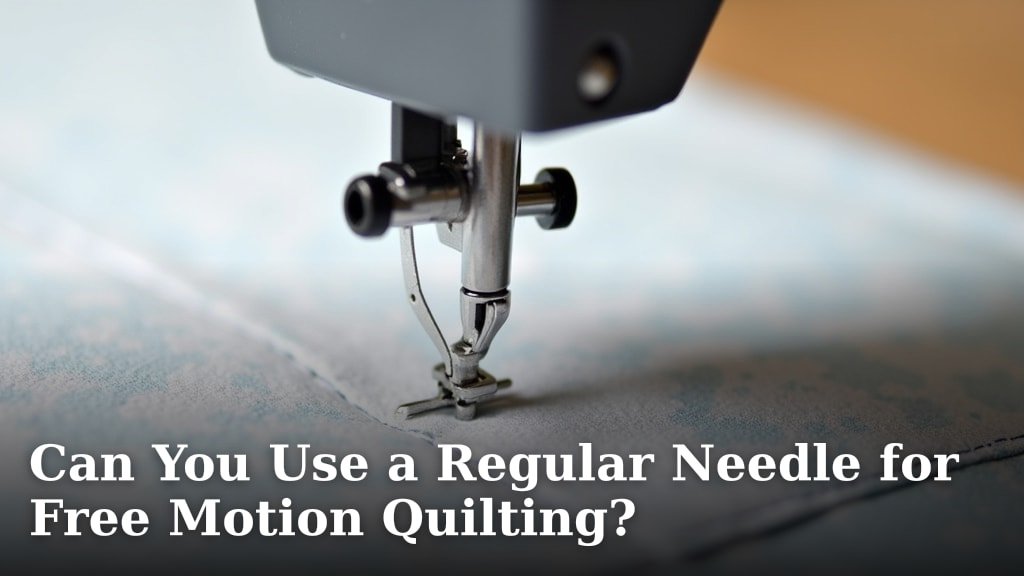
The needle size is super important. For most cotton quilting threads (like 40-weight), a universal needle or a quilting needle in size 80/12 or 90/14 works well. If you’re using a finer cotton thread, you might opt for a smaller needle. If you’re using a thicker thread, a slightly larger needle might be better. We found that the needle should be the right size for your thread and fabric thickness. Choosing the correct needle size is crucial for cotton thread on your longarm machine.
Test, Test, Test!
Before you quilt on your masterpiece, always do a test run. Use the same thread and fabric layers you’ll be using for your project. Quilt a few lines, check your tension, and look for any signs of skipped stitches or shredding. This simple step can save you a lot of headaches. We found that a small swatch of fabric can tell you a lot about how your thread and machine are going to perform together.
Here’s a quick checklist to keep in mind:
- Choose mercerized cotton thread.
- Look for “longarm” or “machine quilting” labels.
- Select the correct thread weight for your project.
- Test tension on scrap fabric before quilting.
- Keep your machine clean and well-oiled.
- Use the appropriate needle size for your thread.
Conclusion
You absolutely can use cotton thread on your longarm machine! The key is selecting the right kind – mercerized cotton is your best bet for strength and reduced lint. By choosing quality threads labeled for machine quilting and understanding thread weights, you’re setting yourself up for success. Remember to always test your tension on scrap fabric and keep your machine clean. With these tips, you’ll achieve beautiful, smooth stitches and enjoy using cotton thread in your quilting projects.
Frequently Asked Questions
Will standard cotton sewing thread work on my longarm?
Standard sewing cotton, often called carded cotton, is generally not recommended for longarm machines. It’s made from shorter fibers that create more lint when running at high speeds. This excess lint can lead to skipped stitches, thread breaks, and build-up in your machine.
How often should I clean my longarm when using cotton thread?
When using high-quality mercerized cotton, you might not need to clean much more often than with other threads. However, it’s always a good practice to do a quick lint check and cleaning after each quilting session, especially around the bobbin area, to ensure smooth operation.
What’s the difference in appearance between cotton and polyester thread on a quilt?
Cotton thread typically has a more matte finish and absorbs dye differently, giving it a softer, more subtle appearance. Polyester thread often has a slight sheen and can look brighter or more vivid. Your choice depends on the aesthetic you’re aiming for in your quilt.
Can I use cotton thread for binding my quilt on a longarm?
Yes, you can use cotton thread for binding. Many quilters prefer a slightly thicker cotton thread, like a 20 or 30 weight, for binding because it’s strong and creates a visible, decorative stitch. Just ensure it’s a good quality, mercerized cotton.
Do I need a special needle for cotton quilting thread?
You don’t necessarily need a special needle, but using the right size is important. For most common cotton quilting threads (like 40-weight), a universal or quilting needle in size 80/12 or 90/14 usually works well. The needle should match your thread thickness and fabric.