
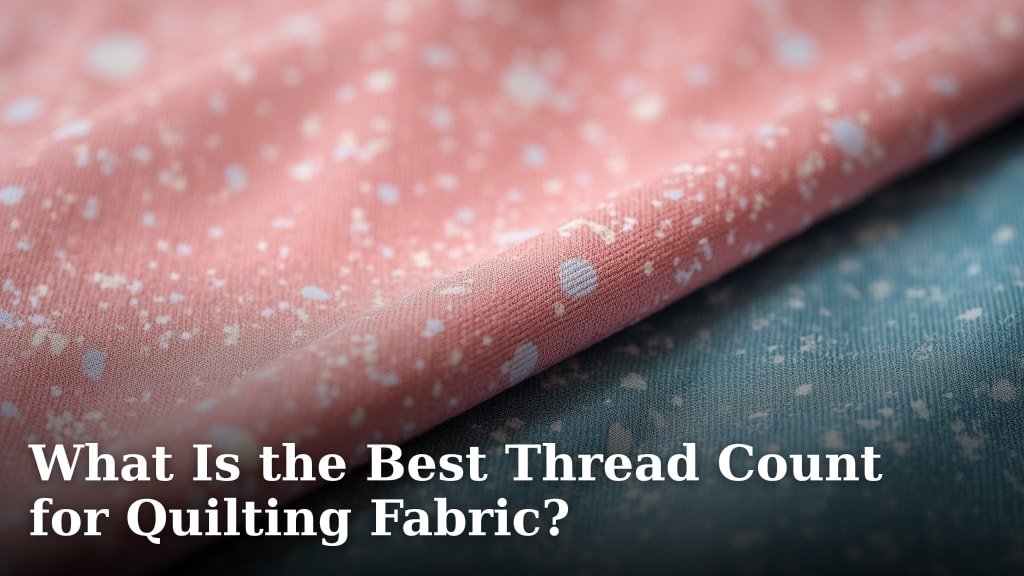
For quilting fabric, the best thread count is generally between 200 and 400 threads per square inch. This range offers a great balance. It provides enough durability for quilting while remaining soft and easy to work with. You don’t want a thread count that’s too low, as it can lead to fraying. A count that’s too high might make the fabric stiff.
When choosing quilting fabric, thread count is just one piece of the puzzle. The type of cotton used and how it’s woven also matter greatly. Many quilters prefer 100% long-staple cotton. It’s known for its strength and smooth texture. This combination ensures your quilts are beautiful and long-lasting.
- Best thread count: 200-400 threads/sq inch.
- Why: Good balance of durability and softness.
- Avoid: Counts too low (fraying) or too high (stiffness).
- Also consider: 100% long-staple cotton for strength.
- Look for: Smooth texture and good drape.
Let’s dive deeper into why thread count matters for your quilting projects and what other factors to keep in mind.
Understanding Thread Count in Quilting Fabrics
When you’re picking out fabric for your next quilt, you might see “thread count” mentioned. It’s a number that tells you how many threads are woven into one square inch of fabric. Think of it like the density of the threads. We found that this number is pretty important for quilters. It directly affects how your fabric feels and how it holds up over time.
A higher thread count generally means a fabric is more tightly woven. This can make it feel smoother and more luxurious. But when it comes to quilting, there’s a sweet spot. We want fabric that’s durable enough for all those stitches and washes. Yet, it also needs to be soft enough to handle and drape nicely in your finished quilt. So, what’s the magic number?
The Ideal Range for Quilting Cotton
For quilting cotton, the best thread count typically falls between 200 and 400 threads per square inch. This range offers a wonderful balance. It’s robust enough for the rigors of quilting. It also feels soft and is easy to work with. Let’s break down why this range works so well. Our guide to using regular thread for quilting explains why specialized quilting threads are better.
Why Not Too Low? The Fraying Factor
If a fabric’s thread count is too low, say under 150, the threads are spaced farther apart. This loose weave can lead to fraying. Imagine trying to sew with a fabric that falls apart easily. Your seams might weaken, and you could end up with a messy quilt. We found that quilters often avoid fabrics with thread counts below 180 for this very reason. It just makes the piecing process harder than it needs to be.
Why Not Too High? The Stiffness Issue
On the flip side, what happens if the thread count is extremely high, like over 600? Sometimes, very high thread counts can make the fabric feel stiff or board-like. While tightly woven, these fabrics might lack the nice drape quilters look for. They can also be a bit harder to machine quilt through. We found that fabrics designed for quilting aim for a balance, not just the highest possible thread count. Think of it like trying to get the perfect chew on a piece of pasta – not too hard, not too mushy.
Beyond Thread Count: What Else Matters?
Thread count is a helpful guide, but it’s not the only factor to consider when choosing quilting fabric. Many experts point out that the type of cotton used is just as important, if not more so. The quality of the cotton fiber itself plays a huge role in the fabric’s feel and durability. Our guide to the best fabric for quilting explains why the type of cotton matters.
The Importance of Cotton Quality
When you’re shopping for quilting fabric, you’ll often see terms like “100% cotton.” But not all cotton is created equal. We found that quilters often prefer 100% long-staple cotton. What does “long-staple” mean? It refers to cotton fibers that are longer. These longer fibers are spun into stronger, finer threads. This results in a fabric that is both incredibly smooth and durable.
Long-Staple vs. Short-Staple Cotton
Imagine trying to spin yarn. If you have long, silky strands of fiber, you can create a smooth, strong yarn. That’s like long-staple cotton. If you have short, choppy fibers, your yarn might be a bit fuzzy and weaker. That’s more like short-staple cotton. Fabrics made from long-staple cotton tend to have fewer loose fibers that can pill or break. This means your quilt will look better for longer. Many top fabric manufacturers use long-staple cotton for their quilting lines.
Weave Construction: A Subtle but Key Detail
Beyond the thread count and fiber quality, how the fabric is woven also makes a difference. Most quilting cottons are woven in a plain weave. This is a simple over-under pattern. It’s very stable and durable. However, even within plain weaves, there can be slight variations in how tightly the threads are interlaced. This can affect the fabric’s “hand” – how it feels and drapes.
The “Hand” of the Fabric
The “hand” refers to the feel of the fabric against your skin. Does it feel crisp and smooth? Is it a little soft and drapey? For quilting, you generally want a fabric with a good, balanced hand. It should feel substantial enough not to wrinkle easily but flexible enough to sew and quilt comfortably. We found that many quilters test this by simply holding a piece of fabric. They’ll feel its weight and how it folds.
Choosing the Right Fabric for Your Project: A Checklist
So, how do you put all this information to use when you’re standing in front of a wall of fabric? Here’s a quick checklist to help you make the best choice for your quilting projects:
- Check the Thread Count: Aim for that sweet spot between 200 and 400 threads per square inch.
- Look for Quality Cotton: Prioritize 100% cotton, ideally long-staple for extra strength and smoothness.
- Feel the “Hand”: Does the fabric feel pleasant? Is it too stiff or too flimsy?
- Consider the Weave: Most quilting cottons have a stable plain weave, which is what you want.
- Test for Shrinkage: Always pre-wash your quilting cottons! Manufacturers generally account for this, but it’s good practice.
- Trust Your Gut: Sometimes, a fabric just feels right for the quilt you envision.
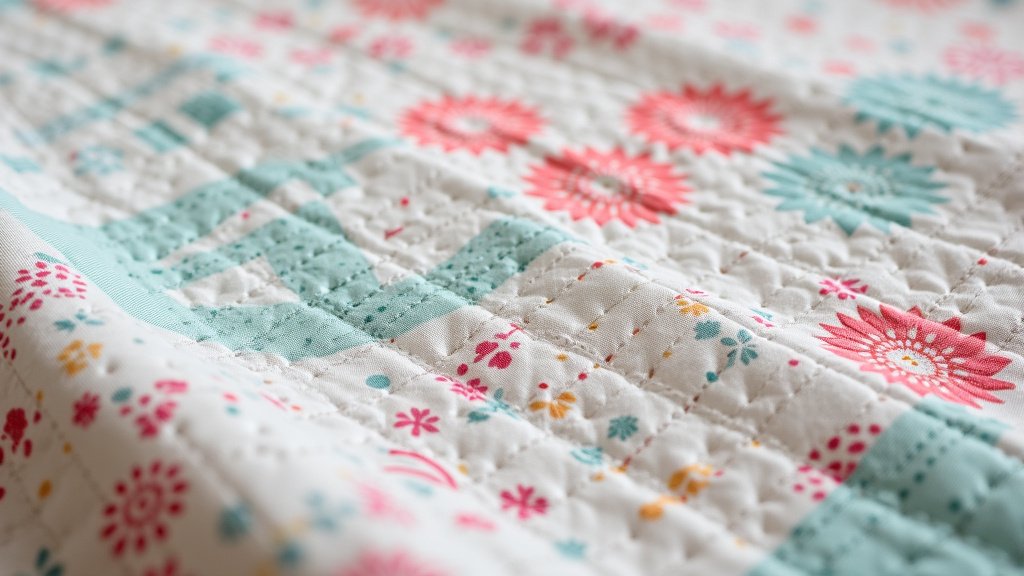
Common Fabric Types and Their Thread Counts
It can be helpful to know what to expect from different types of quilting cottons. While precise numbers can vary by manufacturer, here’s a general idea:
| Fabric Type | Typical Thread Count Range (Threads/sq inch) | Key Characteristics |
|---|---|---|
| Standard Quilting Cotton | 180 – 280 | Widely available, good for most projects, can vary in quality. |
| Premium Quilting Cotton (e.g., Pima, Egyptian) | 250 – 400+ | Smoother, stronger, more durable, often uses long-staple cotton. |
| Lightweight Quilting Cotton (e.g., Lawn, Voile) | 150 – 250 | Softer, drapes well, good for delicate projects, may fray more easily. |
| Flannel | 100 – 180 | Soft, warm, napped surface, lower thread count but very cozy for quilts. |
When you look at this table, you can see how different fabrics cater to different needs. A cozy flannel quilt might use a lower thread count for that soft, fuzzy feel. On the other hand, a modern quilt designed to be crisp and sharp might benefit from a higher thread count premium cotton. We found that understanding these differences helps you pick the perfect fabric for the look and feel you want.
Conclusion
Choosing the right quilting fabric involves looking beyond just the thread count. We found that the ideal range of 200-400 threads per square inch offers a great balance of durability and softness. Remember to also consider the quality of the cotton, like long-staple varieties, and the fabric’s overall “hand.” These factors combine to ensure your quilts are beautiful, strong, and a joy to create and use. Next time you’re fabric shopping, use this knowledge to confidently pick materials that will make your quilting projects shine.
Frequently Asked Questions
Does a higher thread count always mean better quilting fabric?
Not necessarily. While a higher thread count can indicate tighter weaving and a smoother feel, excessively high counts can make fabric stiff. We found that the sweet spot for quilting cotton is typically between 200 and 400 threads per square inch for the best balance of quality and usability.
What is the difference between long-staple and short-staple cotton for quilting?
Long-staple cotton fibers are longer, which results in stronger, smoother threads and a fabric that is more durable and less prone to pilling. Short-staple cotton has shorter fibers, which can lead to a fuzzier texture and less longevity in a quilt. We found that long-staple cotton is often preferred for its superior quality.
Is thread count more important than fabric type?
Both are important, but they work together. Thread count is a measure of density, while fabric type (like Pima or Egyptian cotton) refers to the fiber quality. We found that premium cottons often have higher thread counts, offering excellent durability and a luxurious feel ideal for quilting.
Can very low thread count fabrics be used for quilting?
Fabrics with very low thread counts, often below 180, can be prone to fraying and may not hold up well to quilting. While they might feel soft initially, they can be more difficult to work with and may not be as durable over time. We suggest sticking to the recommended ranges for best results.
How does thread count affect the “hand” of a quilting fabric?
The “hand” refers to how a fabric feels and drapes. A thread count that’s too low might make a fabric feel flimsy, while a count that’s too high can make it feel stiff and board-like. We found that the ideal 200-400 thread count range typically provides a balanced hand that is both comfortable to sew and drapes beautifully in a finished quilt.
