Types of Quilt Patterns: Which Should You Choose?
Pick a pattern by construction, not looks alone: choose pieced blocks for learning and flexibility, quilt as you go for small projects, and rag or string patterns when you want texture or scrap use. Match the pattern to the finished size, your skill, and how the quilt will be used.
On this page (11 sections)
- How do quilt block patterns differ from whole quilt construction?
- What makes a pieced block pattern right for your skill?
- Which quilt patterns work best for scraps and strips?
- When is quilt as you go the better construction choice?
- How do rag quilts differ from regular pieced quilts?
- Which patterns suit hand quilting, machine quilting or tying?
- How do you match pattern, size and finished use?
- When should you buy a finished quilt instead of making one?
- How do you pick a pattern based on machine and workspace?
- What is the best first quilt pattern for most beginners?
- How should you choose between types of quilts patterns for your next project?
Pick a pattern by construction, not looks alone: choose pieced blocks for learning and flexibility, quilt as you go for small projects, and rag or string patterns when you want texture or scrap use.
Types of quilts patterns can look similar in photos while asking for very different skills. For a gathered circle-based style, explore yo-yo quilt layout ideas.
A sampler, a whole cloth quilt, a rag quilt and a finished bed set may all look warm and layered, yet each asks for different cutting, sewing and finishing work.
This guide matches each main pattern family to skill, goal, time and finished use. It also shows where a printed pattern helps, and where buying a finished quilt makes more sense.
How do quilt block patterns differ from whole quilt construction?
A block pattern controls the shapes inside one unit, while construction controls how the whole quilt is assembled and finished. You need both choices before you cut fabric.
A nine patch, a log cabin and a half square triangle block can each become a full quilt through the same piecing method. The block changes the visual rhythm, seam count and cutting list.
The construction changes whether you make a top first, add batting later, or quilt in sections.
Think in two layers when you read a pattern. First, note the block name, piece size and finished block size.
Second, note whether the pattern builds rows, strips, a foundation, or individual quilt as you go sections.
Rule: choose the construction first for workflow, then choose the block for looks.
Types of quilts patterns by construction method
Traditional piecing builds a quilt top from blocks or rows, then layers batting and backing for quilting. If you're working with a center panel, see panel quilt border ideas.
It gives you the most choice in fabrics, sizes and block layouts.
Foundation piecing sews pieces onto a paper or fabric base. It suits sharp points, curves and complex shapes, but removal of the foundation adds time.
Quilt as you go adds batting and backing to sections as you build. It suits table runners, placemats and lap quilts that are hard to move through a machine when complete.
Whole cloth quilting starts with large pieces of fabric and relies on quilting lines for pattern. For a flowing motif at larger scale, see large-scale stippling.
It suits confident machine quilters and bold quilting motifs.
Rag quilting places seams on the outside and clips them so they fray. It suits blankets, throws and baby quilts where a soft, textured edge is the goal.
What makes a pieced block pattern right for your skill?
Pieced blocks suit most beginners because straight seams are easy to learn, check and fix. Your main challenge is accuracy, not complex shaping.
A basic four patch teaches alignment and pressing. A nine patch adds row order and color placement.
Half square triangles add diagonal seams and trimming. Each step builds a skill you will reuse in larger quilts.
Quilt squares patterns often fall into this group. They may look simple, yet the finished effect depends on scale, contrast and repeat.
Large blocks read clearly from across a room. Small blocks create fine detail but take longer to cut and join.
Pressing matters in every pieced pattern. Press seams in the direction shown, or choose a direction that helps nested seams meet.
Square up blocks before joining rows, because a small error repeats across the whole quilt.
For a practical check on accuracy, read how to square up a quilt block before you start cutting. Measure each finished block and remake a unit that is off size rather than forcing it into the top.
Rule: pick pieced blocks when you want control over color, size and layout, and when you can press and measure as you sew.
Which quilt patterns work best for scraps and strips?
Strip and scrap patterns turn leftover fabric in mixed sizes into a flat, planned layout.
String quilt patterns sew narrow strips to a foundation in blocks or rows. They suit leftover bindings, cut off pieces and fabric ends, with contrast from light and dark strips.
Log cabin patterns use strips around a center square. They suit controlled scraps and create strong diagonal movement, set straight, on point or in a barn raising layout.
Strip piecing joins long strips into panels, then cuts those panels into blocks. It reduces seam intersections and suits jelly rolls, fat quarters and leftover batting.
Scrap quilts still need planning. Sort by color value, check fabric for wear, and keep strip widths consistent.
A random pile also needs a repeat or clear color order to look deliberate. See string quilt patterns for narrow strips on a foundation, especially when scraps are long and narrow rather than square.
When is quilt as you go the better construction choice?
Quilt as you go suits small projects, beginners, and quilts that are too large or awkward to handle after full assembly. You finish sections at a time and add the next row to a growing grid.
A table runner is a clear example. The June Tailor pattern below prints the design on batting, so you place fabric by number and sew in sections.
The finished runner measures 48 by 15 inches, and fabric is not included.
The batting is 80 percent cotton and 20 percent polyester. The pattern includes printed cotton and poly batting plus instructions.
You still need to supply the fabrics that cover each numbered area.
Quilt as you go also helps when you quilt on a home machine. Each section is smaller, so you can turn it under the needle more easily.
The trade off is visible join lines, so plan fabric order and seam direction before you start.
If you plan to do the quilting yourself, our guide to Quilting Machine Designs: All Types Explained helps you compare machine types before you commit to a large project.
Rule: choose quilt as you go for runners, placemats and lap quilts, and choose traditional piecing for a full bed quilt you want to quilt in one pass.
How do rag quilts differ from regular pieced quilts?
Rag quilts use exposed seams that fray with washing, so they feel softer and more tactile than a standard pieced quilt. The construction, not just the fabric, creates the texture.
You cut blocks, sew with seams on the outside, clip the seam allowances, and wash the quilt. The clipped edges bloom into fringe after washing.
Flannel is common because it frays in a soft, even way, but other fabrics can work if they fray well.
A rag quilt takes more cutting and clipping than a simple strip quilt. It also needs a washing machine with enough room for the finished size.
Plan a smaller throw or baby quilt for a first attempt.
Color choice matters more in a rag quilt because fringe mixes the seam colors. Alternating blocks create a checkerboard effect.
Using strips in one color family creates a calmer surface with texture from the fringe.
For step by step cutting, sewing and clipping, see how to make a rag quilt. Read it before you buy fabric, because seam allowance and fraying change the finished look.
Rule: choose a rag quilt when you want a thick, frayed surface and a forgiving layout, not when you want crisp, flat seams.
Which patterns suit hand quilting, machine quilting or tying?
Your quilting method should match the pattern scale and the finished use.
Large motifs suit hand quilting and tying. Dense machine quilting suits patterns with clear shapes and strong contrast.
Hand quilting moves slowly and suits large blocks, medallion layouts and whole cloth designs. Broad areas give room for visible stitches.
Tying suits blankets, baby quilts and quilts that need durability with less needle work.
Machine quilting suits straight lines, echoes, stippling and all over motifs. Smaller blocks can work, but you need enough space to move the quilt under the needle.
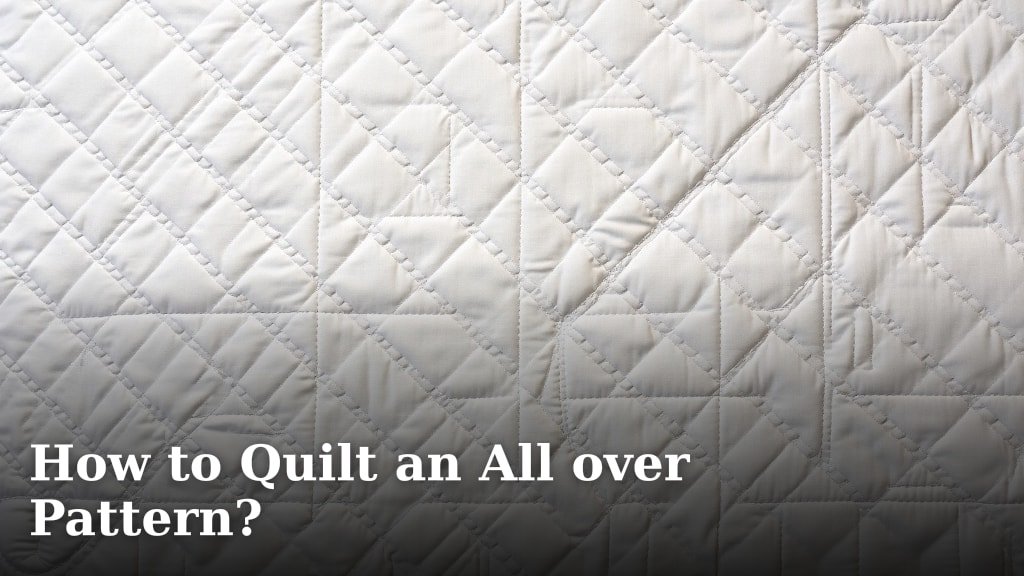
A free motion design shows more clearly when the block gives your hand room to turn. For an all over design, read how to quilt an all over pattern before you choose batting and backing, since the quilting line can support or fight a busy layout.
A wall quilt needs less dense quilting than a bed quilt. A child quilt needs secure stitching that survives frequent washing.
How do you match pattern, size and finished use?
Finished size and use decide which types of quilts patterns make sense. A table runner, a baby quilt and a king bed quilt ask for different seam counts and handling.
A table runner suits quilt as you go, strip piecing or a simple row layout. It finishes fast and teaches construction without committing to a full bed size.
A lap quilt suits nine patch, log cabin and half square triangle blocks at a moderate scale.
A baby quilt needs washable fabrics, secure seams and a size that fits a crib or stroller. A bed quilt needs enough size to cover the bed plus drape, and enough quilting density to hold batting in place.
Wall quilts favor bold block scale and strong contrast. They do not need the same drape or washing durability.
A pattern that reads well from a distance will work better than a detailed layout with tiny pieces.
Measure the bed, table or crib before you choose a pattern. A king quilt at 108 by 96 inches, such as the finished sets below, is far larger than a 48 by 15 inch runner.
The construction time, fabric amount and quilting plan change with that scale.
Rule: start with the finished measurements and use, then choose a pattern whose seam count and handling fit that size.
When should you buy a finished quilt instead of making one?
Buy a finished quilt when you want the look and warmth now, without cutting, piecing and quilting time. A finished bed set also helps when you need exact color, size or texture for a room.
The RECYCO sets below are finished quilts, not patterns to make. They show a channel box stitch design in velvet, which is a different choice from piecing your own blocks.
Use them to compare finished style, scale and care, or to decide that you prefer buying over making.
Both sets use channel stitching to secure the filling and separate the quilt into box sections. RECYCO describes the velvet as ultra soft, breathable and machine washable, with a sheen that shifts with light.
Check the care label on your own set before washing.
The cream white version suits a light bedroom palette and makes channel stitching easy to see. The mocha brown version suits a warmer palette and hides small marks more easily.
Both include one quilt and two pillow shams, and both are listed as king or cal king size.
For a broader view of finished styles, sizes and uses, read what are the different types of quilts. That comparison helps you tell a coverlet, a bedspread, a comforter and a quilted bed set apart before you shop.
Rule: buy a finished quilt when time, exact size or velvet texture matters more than making the quilt yourself.
How do you pick a pattern based on machine and workspace?
Your machine, table space and pressing setup should shape the pattern choice. A pattern that fits your equipment will stay enjoyable through the last seam.
A small home machine can handle a table runner, a lap quilt and a baby quilt in sections. A full king quilt may need quilt as you go construction, a larger throat, or a longarm service.
Check the machine's harp space before you plan a large all over design.
Workspace matters too. Pieced blocks need room to lay out rows, press seams and square up units.
Foundation piecing needs room to trim and remove paper. Rag quilting needs room for clipping and a washing machine that can handle the load.
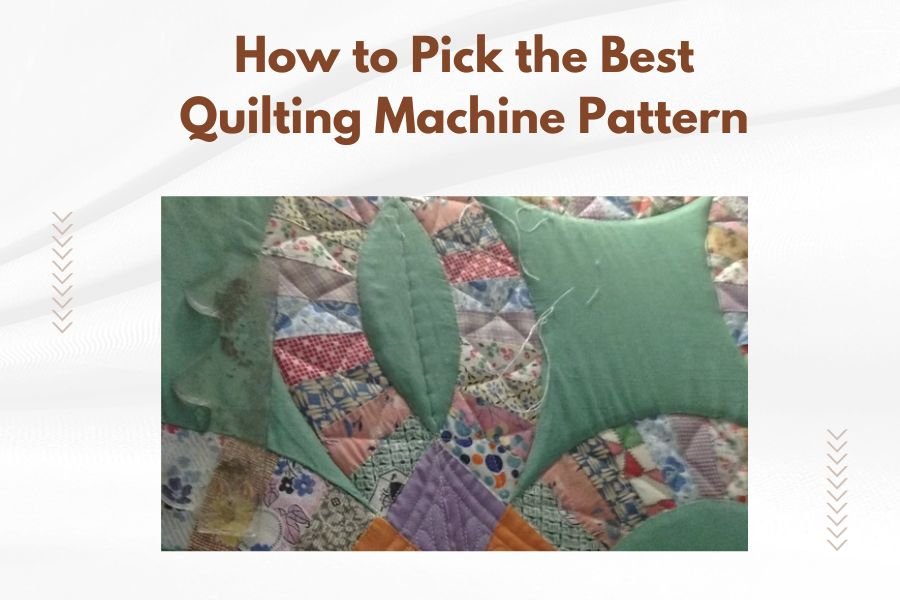
If you are choosing a machine for quilting, read how to pick the best quilting machine pattern and our machine design guide. Match throat space, stitch options and ease of turning the quilt to the size you plan to make.
Tools also affect pattern choice. A rotary cutter, cutting mat and clear ruler suit straight piecing.
Scissors suit curves and applique. A walking foot helps when you join batting sections or add straight quilting lines.
Rule: choose a pattern size and construction that fit your machine throat, table space and pressing area, not just your fabric stash.
What is the best first quilt pattern for most beginners?
For most beginners, a small pieced quilt with straight seams is the best first pattern.
A nine patch, four patch or strip pieced lap quilt teaches the core skills without curves or tiny pieces. Start with a small finished size and three to five fabrics, so color placement is easy to see.
Large blocks let you learn cutting, pressing and squaring up before you move to smaller units. Use a printed pattern if you want numbered placement, as the June Tailor runner above shows how printed batting can guide fabric placement for a small project.
You still need to press, trim and join each section with care. Practice on a table runner or wall hanging before a full bed quilt.
You will learn seam accuracy, batting handling and binding on a project you can finish in a few sessions. Those skills transfer to larger types of quilts patterns later.
Keep a simple checklist as you sew. Cut with a ruler, sew with a quarter inch seam, press as you go, square up each block, and join rows before you add the next.
Fix a crooked block early, because errors multiply in a grid. Make a small straight seam quilt first, then move to half square triangles, log cabin or foundation patterns once squaring up feels reliable.
How should you choose between types of quilts patterns for your next project?
Choose pieced blocks for learning, quilt as you go for small projects, rag for texture, string for scraps, and a finished quilt when you want the result now.
Compare options side by side before you cut. Note skill level, finished size, seam count, quilting method and washing needs, since a pattern that looks easy in a photo may need many small cuts or a large quilting surface.
Use the products above as anchors for scale. A 48 by 15 inch runner is a weekend scale project.
A 108 by 96 inch king quilt is a major build or a purchase. The channel stitched sets show how a finished quilt uses stitching as the main pattern.
Match the pattern to your goal. Choose sampler blocks for variety, strips for speed, log cabin for controlled scraps, whole cloth for quilting as the design, and rag for a frayed, cozy surface.
When you are ready to plan the quilting, return to the machine and all over pattern guides linked above. Pick the pattern that fits your skill, size and use first, and let the block design follow.
Our score weighs specs, features and buyer feedback against what you're shopping for.
Frequently asked questions
What are the easiest types of quilts patterns for beginners?
Half square triangles, four patches, strips and quilt as you go patterns are easiest because they use straight seams and forgiving shapes. Choose a small finished size, print the pattern, and square up blocks before joining them.
Avoid complex curves and tiny pieces for a first quilt.
What is the difference between quilt block patterns and quilt construction?
A block pattern describes the shapes and colors inside one block, such as a nine patch or a star. A construction method describes how you build the whole quilt, such as piecing a top first or quilting as you go.
You choose a block for appearance and a construction for workflow.
Which quilt pattern should I choose for scraps?
String quilt patterns, log cabin layouts, strip piecing and crazy quilt inspired layouts use scraps well. Cut pieces to consistent widths, check that they lie flat, and keep colors in a pattern with enough contrast.
Press seams as you go to keep the surface even.
How do I know if a quilt pattern is too advanced?
A pattern is too advanced when it needs many tiny pieces, tight curves, matched points, or precise color placement that you cannot yet control. Look for optional steps, clear diagrams and a small practice version.
Choose a simpler block and learn the same skills in stages.