How to Make a Jelly Roll Race Quilt
To make a jelly roll race quilt, join precut strips into one long strip, fold and sew the strip in half repeatedly, then press and quilt the finished top. Careful seams and consistent pressing keep the rows straight.
On this page (11 sections)
- What is a jelly roll race quilt?
- What supplies do you need?
- How do you prepare the strips?
- How do you join the strips into one long strip?
- How do you sew the continuous strip?
- How do you press a jelly roll race quilt?
- How do you keep the quilt top straight?
- What can you do with the finished quilt top?
- How can you avoid common mistakes?
- Can bedding products help with quilt-room planning?
- What other jelly roll patterns can you try?
To make a jelly roll race quilt, join precut strips into one continuous strip, fold the strip in half, sew the long edge, and repeat the process until the quilt top reaches the planned size. Press each seam as you go so the rows stay flat and easy to handle.
This method creates quick movement across the quilt without piecing individual blocks. It also lets the strip colors do much of the design work, so fabric order matters.
What is a jelly roll race quilt?
A jelly roll race quilt is a quilt top made by joining precut fabric strips end to end, then sewing the long strip together in repeated passes. A jelly roll usually contains 2.5-inch-wide strips, but check the package or pattern before starting.
The continuous strip assembly is the defining feature. Instead of sewing many separate blocks, you build one long strip and reduce its length while increasing the width.
Jelly roll race quilts are different from bargello quilt patterns using jelly rolls, which use planned strip placement to create a flowing color effect. They also differ from a rail fence quilt pattern using jelly roll, which organizes strips into block units.
What supplies do you need?
You need jelly roll strips or other 2.5-inch strips, a sewing machine, thread, scissors or a rotary cutter, an iron, and a large work surface. Keep a seam ripper nearby because twisted strips are easier to fix early.
Choose a thread color that blends with the strip set. A consistent 1/4-inch seam usually works for jelly roll patterns, but follow the instructions for your chosen method.
You can use the June Tailor Quilt As You Go Table Runner Quilt Pattern Morning Blend when you want a smaller project with printed construction guidance. It uses printed cotton/poly batting, includes instructions, calls for 30 seams, and finishes at 48 x 15 inches.
Fabric is not included.
This June Tailor project is better suited to a table runner than a full jelly roll race quilt. Its piece-by-number construction can help you practice seam control before working with a long, growing strip.
For more jelly roll practice, compare the jelly rainbow quilt pattern and its approach to arranging colors across a quilt.
How do you prepare the strips?
Prepare the strips by checking their length, removing loose threads, and arranging them in the order you want before sewing. Keep the strips in a stack or numbered group so the planned sequence does not shift.
Lay several strips on the floor or a large table to preview the color flow. Alternating dark and light strips can create a clear rhythm, while similar colors can produce a softer transition.
Don't assume every precut strip is exactly the same length. Match the ends at each join, trim only when needed, and avoid stretching the fabric while sewing.
Should you sort the jelly roll strips first?
Yes, sort the strips first if you want control over the finished color pattern. A random order can work, but it may place two similar strips together or create an unintended color cluster.
Try grouping strips by color family, value, or print scale. Take a quick photo of the layout before stacking the strips so you can restore the order if the pile gets mixed.
How do you join the strips into one long strip?
Join the strips end to end with right sides together and sew a consistent seam. Press each join before adding the next strip, alternating the direction of seams if that helps reduce bulk.
Keep the long strip in a loose pile as it grows. Do not let it drag across the floor, twist around a chair, or catch on the machine because tension can distort the seams.
After joining the strips, inspect the full length for twists. Place the strip on the floor or a large clean surface and follow it from one end to the other.
How do you sew the continuous strip?
Fold the long strip in half with right sides together, matching the starting ends. Sew along the long edge from one end to the other, then press the new seam according to your pattern.
The folded strip becomes shorter and wider after each pass. Keep the edges aligned as you sew, and support the fabric so its weight does not pull against the needle.
When the strip is too long for easy handling, sew in sections while keeping the unsewn portion organized. Stop to smooth the fabric if it begins to twist.
When should you cut or open the strip?
Cut or open the strip only where your chosen jelly roll race instructions say to do so. Different versions use different points to create the next row, and an extra cut can change the construction.
Before cutting, spread the strip out and identify both ends. Mark the point described by the method, then make a clean cut with scissors or a rotary cutter.
If you prefer a block-based strip project, a string quilt block uses a different construction approach. A rail fence quilt block pattern is another option when you want individual blocks instead of continuous assembly.
How do you press a jelly roll race quilt?
Press each seam carefully and keep the iron moving along the fabric. Depending on the pattern, press seams open or press them to one side, but use the same choice throughout the quilt top.
A jelly roll race quilt has many seams close together, so bulky intersections can affect how flat the top lies. At each pass, check that the seam is fully open or fully turned before continuing.
Pressing also helps reveal a twisted strip. If the rows do not lie flat, stop and correct the twist before sewing the next pass.
How do you keep the quilt top straight?
Keep the quilt top straight by matching edges, maintaining the same seam allowance, and supporting the fabric as it moves through the machine. Do not pull the strip from behind the presser foot.
Use the table beside the machine to hold the growing quilt. If the fabric falls to the side, pause and rearrange it instead of letting the weight change the stitch line.
Measure the top after each major pass. The final size depends on strip width, seam allowance, the number of strips, and the construction method.
What can you do with the finished quilt top?
Square the quilt top after the final pass and check for loose seams before adding batting and backing. Trim only enough to create straight edges without removing useful pieced fabric.
You can finish the top with straight-line quilting, free-motion quilting, or another method that suits your machine and comfort level. Our guide to How to Machine Quilt a Jelly Roll Quilt covers quilting choices after piecing.
A jelly roll race top can also inspire other strip projects. See how to make a string quilt for another way to build a quilt from narrow fabric pieces, or review string quilts ideas when planning a less uniform layout.
How can you avoid common mistakes?
The most common mistakes are twisted strips, uneven seams, forgotten pressing, and poor fabric support. Catching these problems early is easier than trying to correct them after the top becomes wide.
If your strip twists, stop sewing and lay it flat from end to end. If a seam is uneven, unpick only the affected section and resew it with the correct allowance.
Don't stretch the fabric while pressing. Lift and lower the iron instead of dragging it across bias-prone edges or pulling the strip out of shape.
A ragged-edge project follows a different construction method. Read How to Make a Rag Quilt? if you want exposed seams and a frayed finish instead.
Can bedding products help with quilt-room planning?
Bedding products don't replace batting, backing, or quilting tools, but they can help you compare how quilted textures and color choices may work in a room. Use them for room planning, not as materials for the quilt top.
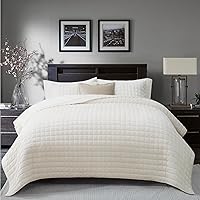
The RECYCO Channel Box Stitch Velvet Quilt Set, King Size, Cream White includes 1 velvet quilt measuring 108 x 96 inches and 2 pillow shams measuring 20 x 36 inches. Its geometric channel stitching and cream white color can suit a room where a pale quilted layer is part of the visual plan.
The set is made from velvet and polyester, and its care instructions say machine wash. Those details matter for room styling, but they do not make it a substitute for cotton quilt fabric or batting.
The RECYCO Channel Box Stitch Velvet Quilt Set, King Size, Mocha Brown has the same 108 x 96 inch quilt size and 20 x 36 inch pillow shams. Its mocha brown color and geometric pattern can help you judge whether warm, darker tones will balance a bright jelly roll race quilt.
Choose the cream white set for a lighter room palette, or the mocha brown set for warmer contrast. Neither product is a piecing supply, so use quilting cotton, batting, and backing selected for your own quilt.
What other jelly roll patterns can you try?
Try a bargello design if you want stronger color movement, a rail fence if you prefer block structure, or a rainbow layout if color order is the main feature. Each method uses strips differently, so choose based on the look and sewing steps you enjoy.
For another bargello approach, see the bargello quilt tutorial. If you want a related specialty pattern, explore the chopsticks quilt pattern by Jaybird Quilts.
The best jelly roll race quilts come from steady seams, careful pressing, and a strip order you like. Start with a manageable project, keep the long strip flat and untwisted, and choose a rail fence quilt pattern tutorial when you want a more structured next step.
Frequently asked questions
How many strips do you need for a jelly roll race quilt?
A jelly roll race quilt usually starts with one jelly roll of 2.5-inch-wide fabric strips, but the final size depends on the number of strips, seam allowance, and how many times you sew the long strip in half. Check your pattern's strip count before cutting or joining extra fabric.
Do you cut the seams when making a jelly roll race quilt?
Some jelly roll race methods include cutting or opening a section of the long strip after each pass to create a new starting edge. Follow the method you chose because cutting in the wrong place can break the continuous strip or change the row layout.
What seam allowance should you use for a jelly roll race quilt?
Use the seam allowance stated by your pattern, commonly 1/4 inch for precut quilting strips. The key is consistency.
A wider or uneven seam removes more width from every strip and can make the finished quilt smaller than expected.
Can beginners make a jelly roll race quilt?
Yes. Jelly roll race quilts suit beginners because the main construction uses repeated straight seams and simple pressing.
You still need to match strip ends carefully, keep the fabric from twisting, and manage the growing strip as it becomes longer and heavier.