How to Load a Quilt on a Frame Without Pins
To load a quilt without pins, attach each layer to the frame leaders with a compatible zipper system or another secure method. Keep the fabric edges straight, then advance the layers and check for even tension before quilting.
On this page (9 sections)
- How do you load a quilt without pins?
- Which pin-free attachment methods can work?
- How do you prepare the quilt layers?
- How do you keep the quilt straight and evenly tensioned?
- What should you check before stitching?
- What mistakes can cause trouble when loading without pins?
- Can you baste a quilt without pins before loading?
- Which reference can help with quilt planning?
- How to load a quilt frame without pins: what should you choose?
To load a quilt without pins, attach each layer to the frame leaders with a compatible zipper system or another secure method. Keep the fabric edges straight, then advance the layers and check for even tension before quilting.
The right method depends on your frame and its leaders. Read the frame instructions before sewing anything to a leader or adding a fastener.
How do you load a quilt without pins?
Use a pin-free attachment that works with your frame, such as a compatible zipper leader system. Attach the backing, batting, and quilt top in the order your frame requires, keeping each edge aligned.
A typical loading process looks like this:
- Press and square the quilt top and backing, then mark their centers.
- Check the frame instructions and identify which leader takes each quilt layer.
- Attach the backing to its leader using the approved pin-free method.
- Position the batting and top as directed for your frame.
- Advance the quilt a short distance and check that the layers remain smooth and aligned.
The details vary between frames, so don't assume that a fastener or leader arrangement from another machine will fit yours. For machine setup basics, see How to Set Up a Longarm Quilting Machine?.
Which pin-free attachment methods can work?
A zipper system is a common option when the frame and its leaders are made to work together. Other fasteners may suit some frames, but use them only if the frame instructions allow them.
Can a zipper system replace pins?
Yes, if the zipper leaders are compatible with your frame and quilt edges. One zipper side stays on the leader while the matching side is attached to the quilt edge, so the layers can connect without pinning along the frame.
Check that the zipper runs straight before joining the two sides. If it twists or the fabric edge puckers, separate it and correct the alignment before advancing the quilt.
The Alison Smith book covers sewing techniques such as seams and hems, which can help when preparing fabric edges for a frame attachment.
Can clips or clamps hold the layers?
Only use clips or clamps if your frame maker allows them for loading. A fastener that slips, creates a bulky spot, or pulls unevenly can interfere with smooth movement.
Keep any permitted fasteners away from the stitching path, and remove or reposition them before quilting reaches them. If your instructions don't mention a fastener, contact the frame maker or use the specified attachment system instead.
How do you prepare the quilt layers?
Make the backing and top flat, square, and large enough for your frame's loading method. Press seams and remove loose threads so folds and snags are easier to spot.
Mark the centers of the backing and quilt top, then match those marks to the center points on the leaders. This helps prevent one side from feeding ahead of the other.
The batting should lie flat between the backing and top without folds. Follow your frame's directions for how much fabric to advance and how to secure any edge that isn't attached to a leader.
How do you keep the quilt straight and evenly tensioned?
Align the center marks and adjust the leaders so the layers feed evenly. The fabric should be smooth without being stretched tight.
Advance the quilt a short section and inspect the full width. Look for diagonal wrinkles, a bowed edge, or one side that feels tighter than the other.
If the layers drift, stop and release tension before correcting the alignment. Don't try to pull a wrinkle flat by stretching the fabric; reset the attachment and check the leader position instead.
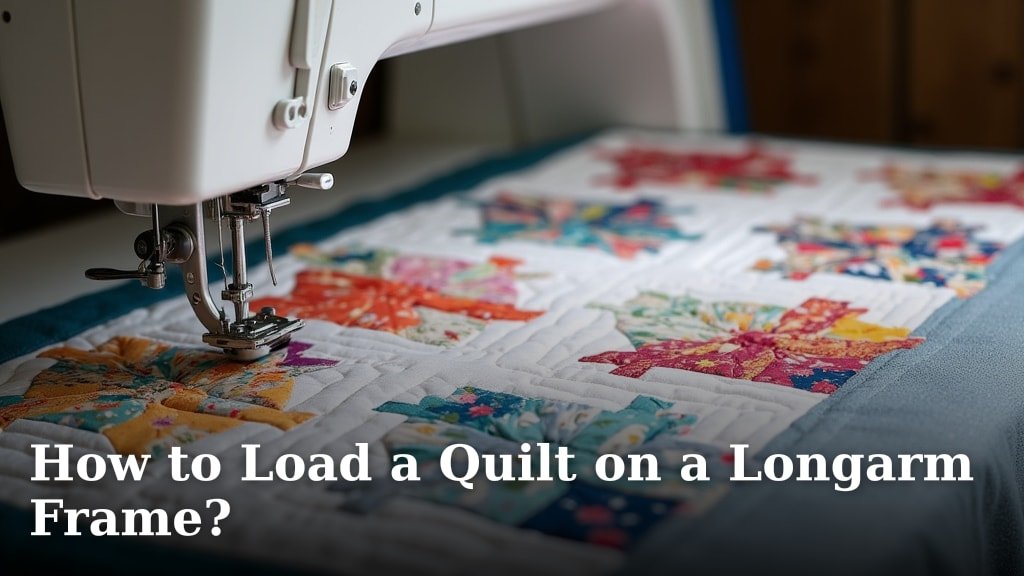
For another loading walkthrough, read How to Load a Quilt on a Longarm Frame?. If you're using a hand frame, the steps may differ; see how to load a hand quilting frame.
What should you check before stitching?
Move the machine across the quilting area and confirm the quilt advances without snagging or shifting. Check that the top, batting, and backing remain smooth and that the frame holds the same tension from side to side.
Before quilting, use a test seam to confirm which thread shows on top and adjust the thread balance if needed.
Stop if you see a loose attachment, a fold forming, or a fastener near the needle path. Correct the issue before stitching, and consult the frame instructions if you can't identify its cause.
A test seam can show top and bobbin thread stitches before you begin quilting.
A pattern book can offer ideas for a quilt project once your layers are loaded. All-Star Quilts of Valor includes 25 patriotic quilt patterns from quilt designers.
What mistakes can cause trouble when loading without pins?
The most common problems are mismatched leaders, uneven center marks, and too much tension. Check each attachment before advancing the quilt far or starting to stitch.
Avoid attaching fabric with a method your frame doesn't support. Don't force a zipper that won't close smoothly, and don't stretch one layer to make its edge meet another.
If you need to change the loading method, stop and release the tension first. Recheck the frame instructions before trying a different fastener.
Can you baste a quilt without pins before loading?
Yes, but basting and frame loading solve different problems. Basting holds the quilt layers together; the frame attachment secures the layers to the leaders.
If you want to baste before loading, choose a method that won't interfere with the needle or the frame's movement. This guide to how to baste a quilt without pins explains pin-free basting options.
For a broader look at pin-free quilting, see Can You Quilt without Pins?. The best choice depends on whether you need to hold the layers together, attach them to the frame, or do both.
Which reference can help with quilt planning?
Choose a reference based on the task you need help with. The Sewing Book covers general machine sewing techniques, All-Star Quilts of Valor focuses on patriotic quilt patterns, and Encyclopedia of Classic Quilt Patterns presents more than 101 quilting projects.
Patricia Wilens's Encyclopedia of Classic Quilt Patterns includes topics such as quick piecing and rotary cutting, which may be useful when preparing a project before loading.
How to load a quilt frame without pins: what should you choose?
For how to load a quilt without pins, use a compatible zipper system when your frame supports it, and follow the maker's instructions for other fasteners. Check alignment and even tension before quilting.
Choose a zipper setup if your frame has matching leaders. Use clips only when your frame's directions permit them, and consider pin-free basting separately if the layers need to stay together across the quilt.
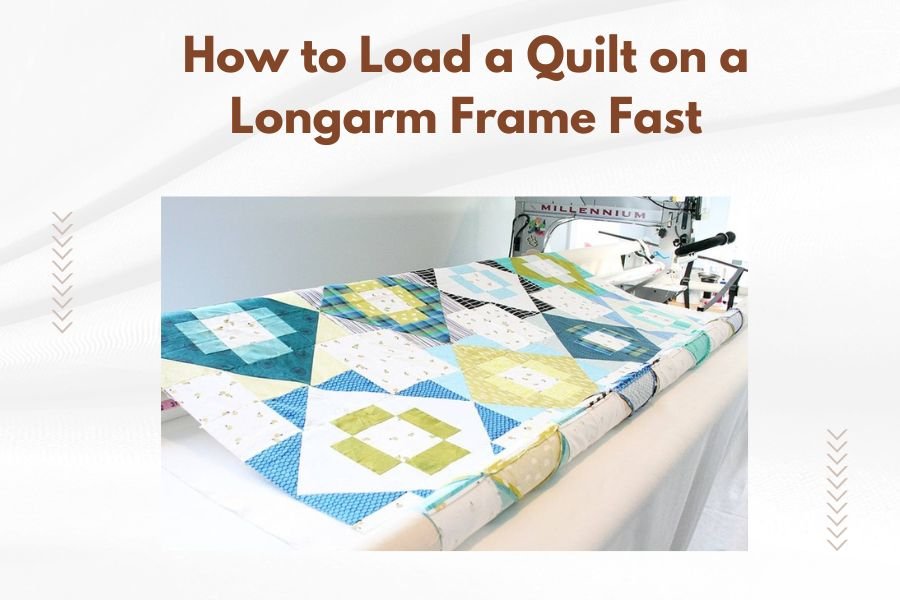
For a faster overview of the loading sequence, read How to Load a Quilt on a Longarm Frame Fast.
Frequently asked questions
Can you load a quilt frame without pins?
Yes. A compatible zipper leader system can attach the quilt layers without pins, while some frames allow another secure attachment method.
Check your frame's instructions first, because leaders and loading methods vary.
Keep the edges straight and the layers evenly tensioned as you advance the quilt.
What can I use instead of pins to load a quilt?
A zipper system sewn to the quilt edges and frame leaders is one common alternative. Some frame designs may also support clips or other fasteners, but only use a method approved for your frame.
The attachment must hold the fabric securely without pulling one layer tighter than the others.
Do I need to pin the backing to the leaders?
Not if your frame uses a compatible zipper system or another approved pin-free attachment. Follow the frame maker's loading directions for the backing, batting, and quilt top.
Whatever method you use, secure the backing evenly so it stays flat as you advance the quilt.
How tight should a quilt be on a frame?
The quilt should be smooth and evenly tensioned, not stretched drum tight. Excessive tension can distort the fabric or make the layers harder to move, while slack can let folds form.
Check the frame instructions and test the movement across the quilting area before stitching.