How to Set Sewing Machine Tension for Polyester Fabric
For polyester fabric, start with your machine’s normal tension setting, then test on a scrap from your project. Adjust the upper tension in small steps only if the stitches show loops or puckering.
On this page (8 sections)
- What tension should you use for polyester fabric?
- How do you tell if the stitches are balanced?
- How should you adjust tension without making the seam worse?
- What else can cause problems on polyester fabric?
- Which project details should you include in a test seam?
- What should you do if polyester still puckers?
- Which references help with fabric and quilting setup?
- How do you set sewing machine tension for polyester fabric?
For polyester fabric, start with your machine’s normal tension setting and sew a test seam on a scrap from the project. Change the upper tension in small steps only if the stitches show loops, puckering, or an obvious imbalance.
The word polyester covers many fabrics, from light lining to dense woven material and stretch knits. Use the same fabric layers, thread, needle, stitch, and presser foot for your test that you plan to use in the project.
What tension should you use for polyester fabric?
Use the standard tension setting in your machine manual as your starting point. There is no single number that works for every polyester fabric and sewing machine.
Cut a test scrap large enough to sew several inches. If your project has a lining, interfacing, or multiple layers, include them in the test so the fabric stack matches the seam you need.
Thread the machine as the manual directs, with the presser foot raised if that is the machine’s threading procedure. For a model-specific example, see how to thread the Bernette 365 take-up lever.
This helps the thread settle correctly in the tension path.
For a baseline, sew a straight stitch at a moderate length. Check both sides of the seam before changing any dial.
How do you tell if the stitches are balanced?
Look for even stitches that meet inside the fabric, with no loose loops or tight puckers on either side. A balanced seam should lie flat without the needle or bobbin thread pulling clearly to the opposite face.
If the upper thread forms loops underneath, check threading first. Rethread the top path with the presser foot raised if your manual calls for it, then test again before changing tension.
If the bobbin thread shows on top, the upper tension may be too high or the bobbin may be threaded incorrectly. Check the bobbin path and rethread it according to the machine instructions.
Small, even stitches on both sides are a better guide than aiming for a particular dial number. For a broader explanation of how the two threads meet, read Understanding Quilting Machine Tension.
How should you adjust tension without making the seam worse?
Change one setting at a time and test again after each adjustment. If the machine has a numbered upper tension dial, move it by one small increment, then sew another test seam.
Keep notes about the fabric, stitch length, needle, thread, and dial setting. That makes it easier to return to a useful setup if you switch materials or lose balance after a later change.
Don't turn the bobbin tension screw as a first step. Bobbin tension is usually left alone unless the manual or a qualified repair guide directs you to adjust it.
If you need to identify a replacement, see machines that use Class 15 bobbins.
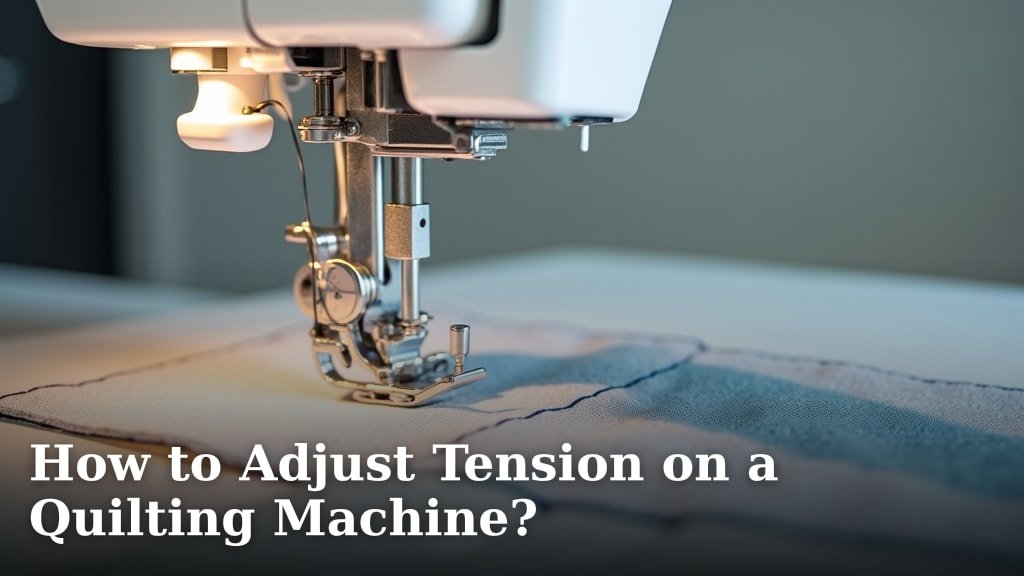
If the seam remains uneven after rethreading and checking the needle, bobbin, and fabric feed, the issue may need machine-specific troubleshooting. The guide to adjusting tension on a quilting machine explains the basic adjustment process.
Does polyester fabric need a different tension for every stitch?
Test each stitch type on a matching scrap, because stitch length and width change how thread sits in the fabric. Start with the machine’s suggested settings, then inspect the seam before changing tension.
A narrow zigzag or stretch stitch may use more thread than a straight stitch. Dense stitching can also draw lightweight material inward, so consider reducing stitch density or stabilizing the fabric before making a large tension change.
For quilting, stitch through the same number of layers planned for the project. A tension setting that works on one layer may not balance the same way through a top, batting, and backing.
What else can cause problems on polyester fabric?
Check the needle, threading, stitch, and fabric handling before blaming tension. A tension dial cannot fix a damaged needle or fabric that is being pulled through the machine by hand.
Use a needle type and size suited to the fabric and thread, following your machine and needle maker’s guidance. Replace a bent or blunt needle, and make sure it is fully seated in the needle clamp.
Let the feed dogs move the fabric. Support the material so its weight does not tug at the seam, but avoid pushing or pulling it from behind the presser foot.
If the fabric stretches or shifts, try a test with a stabilizer or a suitable presser foot. Check the manual before changing pressure or feed settings, since controls vary by machine.
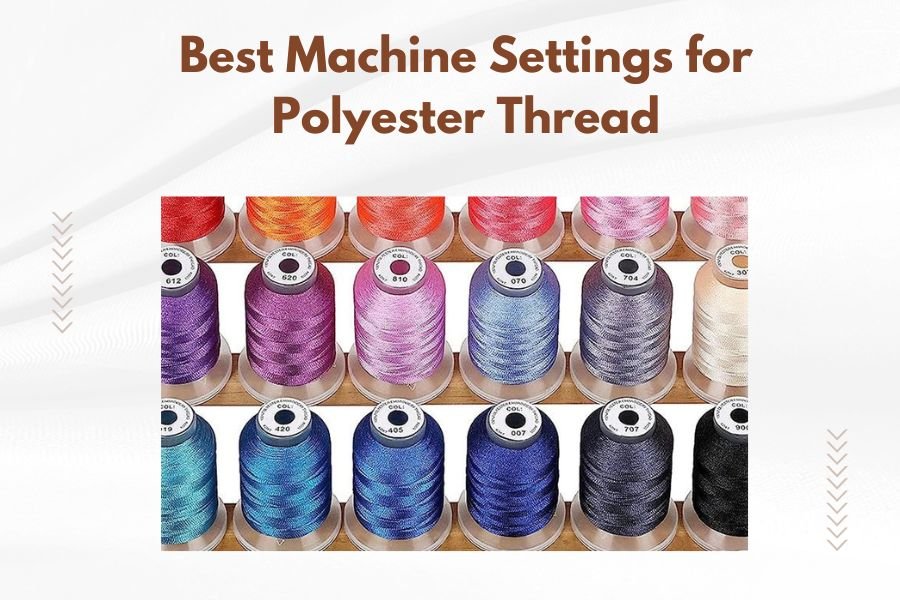
Polyester thread is a separate setup choice from polyester fabric. If you are changing both, first get the fabric feeding well, then review the best machine settings for polyester thread.
Which project details should you include in a test seam?
Match the test to the project seam, including every layer and the direction of stretch. A scrap that is much thinner or more stable than the project can give you a misleading result.
For a garment seam, test along the same fabric direction and use the same seam allowance. For a quilt, test through the quilt sandwich and use the quilting stitch you intend to sew.
If you are working on a Toyota quilting machine, use its manual as the starting point and compare with how to set quilting tension on a Toyota sewing machine. Longarm machines have their own setup steps, so see how to set up a longarm quilting machine for that workflow.
Can you use a practice book to improve test stitching?
A reference can help you practice seams and learn how fabric choice affects stitch results. Alison Smith’s The Sewing Book covers more than 300 sewing techniques with illustrated step-by-step sequences, along with guidance on tools and materials.
Use a scrap from the actual project for tension decisions. A book can guide technique, but your machine manual remains the source for model-specific controls.
What should you do if polyester still puckers?
Rethread the machine, fit a fresh suitable needle, and repeat the test before making another tension change. Confirm that the presser foot is down while sewing and that the fabric is not being stretched under it.
Try a slightly longer stitch on a scrap if the seam is dense or the fabric is lightweight. If puckering continues, test with a stabilizer and compare the result before changing the machine’s lower tension.
For a quilt project, test the full sandwich before quilting the finished piece. All-Star Quilts of Valor contains 25 quilt patterns and can be a reference for planning a project where fabric layers and stitching choices matter.
The book’s patterns do not set your machine tension. Test the specific fabric, batting, backing, and thread you will use.
Which references help with fabric and quilting setup?
Choose a reference that matches the work you are doing, then rely on a test seam for the final tension setting. Pattern books can support project planning, while your machine instructions guide machine controls.
Encyclopedia of Classic Quilt Patterns includes more than 101 projects and practical quilting suggestions, from quick piecing through rotary cutting. It may suit readers who want a broad reference while choosing a quilt project.
The book does not replace testing your own fabric stack. For batting-specific setup ideas, see machine settings for cotton batting.
How do you set sewing machine tension for polyester fabric?
For sewing machine tension on polyester fabric, start at the manual’s normal setting and test on a project scrap. Adjust the upper tension by one small step only when the stitch pattern gives you a clear reason.
Choose the standard setting if both sides look balanced and the seam lies flat. If loops or puckers appear, check threading, the needle, stitch length, and fabric handling before making another small change.
If your project uses polyester thread too, follow the thread guidance after the fabric test. Keep a record of the fabric and settings that worked so you can repeat the setup on the next matching seam.
Frequently asked questions
What tension should I use for polyester fabric?
Start with the standard setting recommended in your sewing machine manual, then sew a test seam on a scrap of the same polyester fabric. The right setting depends on the fabric weight, stitch, needle, thread, and machine, so adjust only when the test shows a clear problem.
Should I lower tension for polyester fabric?
Not automatically. Polyester fabric does not call for one universal tension change; keep the normal setting unless a test seam shows tight puckers or visible thread imbalance.
If you adjust, make one small change at a time and test again.
Why does polyester fabric pucker while sewing?
Puckering can come from excessive thread tension, a blunt or unsuitable needle, stretching the fabric as it feeds, or a stitch that is too long or dense for the material. Test with fresh thread and a suitable needle, and guide the fabric without pulling it.
Is polyester thread tension the same as polyester fabric tension?
No. The fabric affects how the material feeds and responds to stitches, while thread choice can change stitch balance and sewing behavior.
Set up for the fabric first with a scrap test, then use guidance for machine settings for polyester thread if you are also changing thread.