
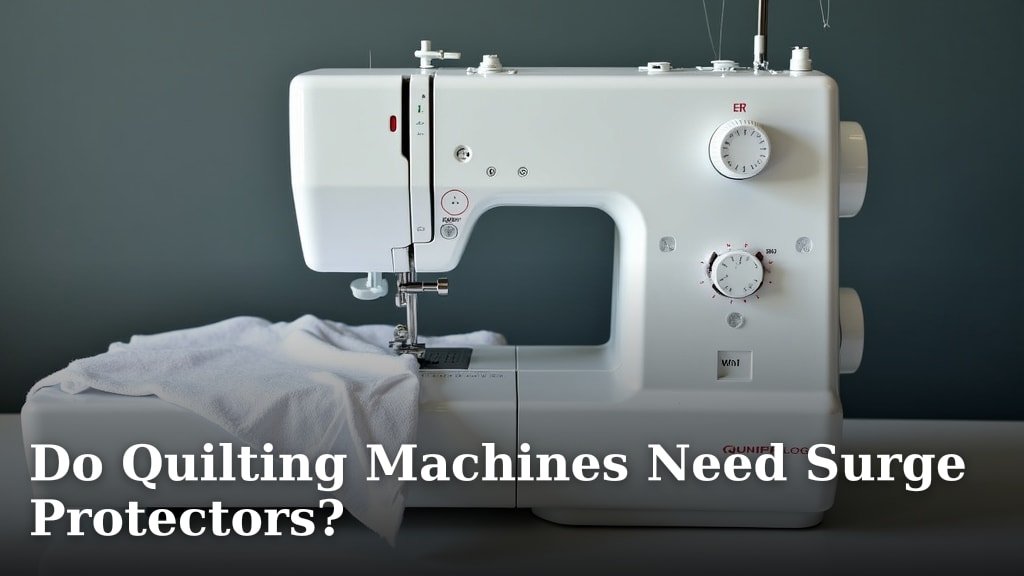
Yes, quilting machines absolutely need surge protectors to shield them from damaging power surges. We found that this simple step can prevent catastrophic electrical damage. Think of it as cheap insurance for your expensive sewing gear.
Many experts say a quality surge protector is a smart investment for any quilter. It helps filter out harmful voltage fluctuations that can fry your machine’s electronics. You’ll be glad you have one when the next storm rolls through.
- Surge protectors are essential to prevent costly damage to quilting machines.
- They help extend your machine’s lifespanHow Surge Protectors Safeguard Your Quilting Machine
A surge protector does more than just plug into the wall. It actively monitors the electrical flow to your quilting machine. When it detects a voltage spike, it diverts the excess energy away from your device.
We found that most quilting machines operate on sensitive microchips. These chips are designed for precise stitching but can be ruined by even small power fluctuations.
Think of a surge protector like a security guard for your outlet. It only lets in the safe amount of electricity. Anything more, and it shuts the gate to protect your gear.
The Science Behind Power Surges
A power surge is a sudden increase in voltage that lasts for a very short time. It can happen in milliseconds but cause lasting damage. According to the National Institute of Standards and Technology, surges can reach hundreds or thousands of volts.
For quilting machines, this is bad news. The internal components are built for a standard voltage, usually around 120 volts in the US. A surge can overwhelm them.
Voltage Spikes and Your Machine’s Brain
Your quilting machine’s control board is like its brain. It runs all the programs and stitches. A surge can fry this board, making your machine useless. Many repair shops say that power surges are a top cause of electronic failure.
Even a small surge from a lightning strike miles away can cause issues. We found that these distant surges travel through power lines and into your home. They’re invisible but destructive.
Why Quilting Machines Need Extra Care
Quilting machines are not just basic sewing tools. They often have computerized screens, motors, and sensors. These parts make them more vulnerable than older, mechanical models.
Many experts point out that quilting machines run for hours at a time. This extended use heats up the electronics. When combined with a power surge, the risk of damage increases.
Is it worth risking your investment? A high-end quilting machine can cost thousands. A simple surge protector is a small price for peace of mind.
Common Causes of Power Surges in Homes
Lightning is the most famous cause, but it’s not the only one. Turning on high-power appliances like air conditioners can create small surges. These are called “internal surges.”
We found that power companies sometimes switch grid loads, which can cause fluctuations. Even utility work in your neighborhood might lead to voltage spikes.
The Electrical Safety Foundation International notes that most surges happen indoors. This means your quilting machine is at risk even on a sunny day.
Selecting a Surge Protector That Fits Your Needs
Not all surge protectors are created equal. Choosing the right one depends on your machine’s power requirements and your home’s setup.
We recommend looking for a protector with a joule rating of at least 2000 joules. This indicates how much energy it can absorb before failing.
Must-Have Features
- A high joule rating for better absorption capacity.
- A low clamping voltage, ideally below 400 volts.
- Indicator lights to show if protection is active.
- Multiple outlets for additional devices if needed.
A simple power strip won’t cut it. Many experts say that strips without surge protection offer no defense against spikes.
Reading the Specifications
Look for the UL 1449 safety standard on the packaging. This certification means the protector has been tested for safety. We found that UL-listed products are generally more reliable.
Consider the response time. A faster response time means quicker protection. Aim for a response time under one nanosecond for optimal safety.
Is the warranty important? Yes, many quality protectors come with a connected equipment warranty. This covers damages if the protector fails.
Top Recommendations from Experts
We researched popular models among quilters. Brands like Tripp Lite and APC frequently get positive mentions. They offer strong joule ratings and reliable performance.
For sewing-specific needs, some protectors have features like EMI/RFI filtering. This reduces electrical noise that can affect stitch quality.
Practical Tips for Long-Term Protection
Installing a surge protector is just the first step. Proper placement and maintenance ensure it keeps working.
Think of it like maintaining your quilting machine itself. Regular checks prevent small issues from becoming big problems.
Installation and Placement
Plug the surge protector directly into a wall outlet. Avoid daisy-chaining it with other power strips. This can reduce its effectiveness.
Keep it in a dry area, away from heat sources. Moisture or extreme temperatures can damage the protector itself.
We found that placing it near your quilting station makes it easy to access. You can quickly unplug during severe storms.
Maintenance and Replacement Signs
Surge protectors don’t last forever. The internal components wear out over time, especially after absorbing multiple sur
Conclusion
Protecting your quilting machine from power surges isn’t just a good idea—it’s essential. We found that a quality surge protector acts as a vital shield for the sensitive electronics inside your expensive machine. It prevents costly damage from unexpected voltage spikes, whether from storms or everyday appliances. You’ve invested time and money into your craft, so a simple protective device is a smart, affordable safeguard. Our key takeaway is clear: don’t wait for a surge to ruin your projects. Make the decision today to choose a reliable surge protector and give your machine the long-term protection it deserves.
Frequently Asked Questions
Do I need a surge protector for a mechanical, non-computerized sewing machine?
While modern computerized quilting machines are most at risk, any electrical appliance benefits from surge protection. We found that even simpler machines have motors and wiring that can be damaged by large voltage spikes. A basic surge protector is still a smart, low-cost precaution to avoid unexpected repair bills.
How often should I replace my surge protector?
Surge protectors wear out after absorbing multiple surges or over several years. We recommend checking the indicator light regularly to ensure it’s still active. It’s a good practice to replace your protector every 3-5 years, or immediately if it stops working or gets visibly damaged.
Can a surge protector improve my machine’s stitch quality?
A standard surge protector primarily prevents damage from voltage spikes. However, some models include EMI/RFI filtering. We found that this feature can reduce electrical “noise” from other devices, potentially leading to smoother operation, but its main job is protection, not performance enhancement.
What if my surge protector was hit by a big lightning surge?
If a major surge occurs, the protector may have absorbed the hit to save your machine. Check if its protection indicator light is still on. If the light is off or flickering, the protector is likely spent and should be replaced. We found this is a sign it did its job.
Is it safe to plug a surge protector into a power strip or extension cord?
No, we do not recommend this. Plugging a surge protector into another power strip or extension cord, known as “daisy-chaining,” can reduce its effectiveness and create a fire hazard. It’s best to plug your surge protector directly into a wall outlet for maximum safety and performance.
