Box vs Channel Quilting: Which Stitching Should You Choose? (October 2026)
Choose box quilting for a grid with lines in two directions, or channel quilting for parallel lines and longer open bands. Batting guidance and stitch spacing also affect the finished quilt.
On this page (7 sections)
Choose box quilting for lines that cross in a grid, or channel quilting for parallel lines and longer open bands. Your design, batting guidance, and preferred quilt feel can help you choose between these quilt stitching layouts.
Box stitching uses crossing lines to form squares or rectangles. Channel stitching follows parallel lines, leaving longer bands between them.
Both can hold the quilt top, batting, and backing together. Stitch spacing affects the surface too: closer lines add more quilting, while wider spacing leaves more open areas.
 Best for channel stitch inspiration
RECYCO Channel Box Stitch Velvet Quilt Set
 Best for a mocha brown look
RECYCO Channel Box Stitch Velvet Quilt Set
What does box or channel quilt stitching change?
Box quilting creates a grid, while channel quilting creates parallel lanes. The layout affects the surface design and how the quilt bends between stitched lines.
A box grid interrupts each line with crosswise stitching. The crosswise lines distribute stitching in more than one direction, while dense grids may make a quilt feel firmer.
Channel lines run in one direction without crossing. The open bands between them can allow more movement along the channels, depending on the spacing and the quilt's materials.
How does box stitching secure batting?
Box stitching adds crossing lines that divide the quilt into smaller areas. Those intersections can help keep batting from shifting across the quilt when the spacing follows the batting manufacturer's guidance.
The grid also gives you clear stopping points for marking and checking progress. Straight, even lines matter because uneven boxes can draw attention across a large quilt.
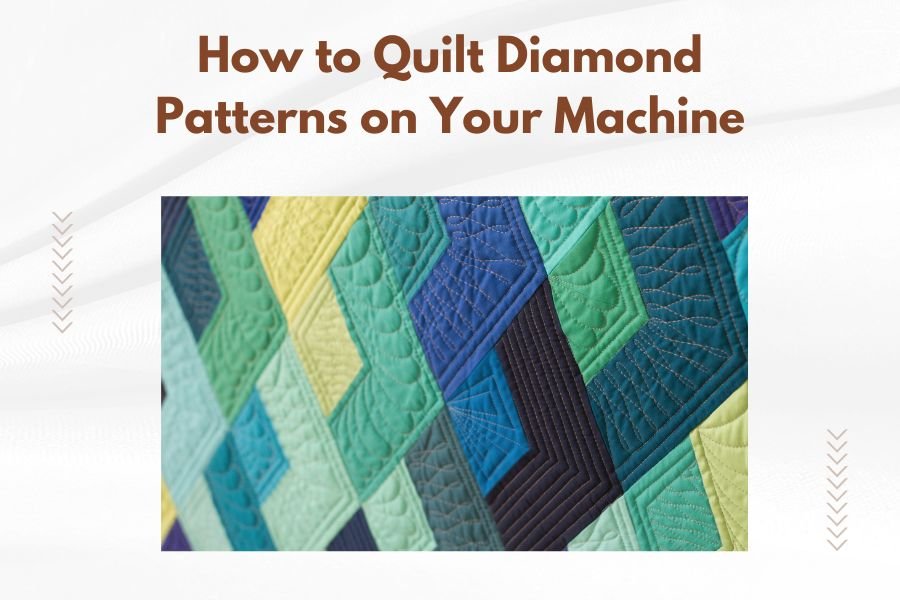
For a related grid variation, see How to Quilt Diamond Patterns on Your Machine. Diamond lines cross in a different direction, so plan the order of stitching before you start.
How does channel stitching affect drape?
Channel stitching creates parallel bands rather than enclosed blocks. That simpler path may preserve more movement between lines when the spacing is generous.
A channel layout doesn't guarantee a soft drape. Very close lines, thick batting, or stiff fabric can still make a quilt feel firm.
Which layout should you choose for your quilt?
Choose box quilting for a balanced grid, or channels for a clean linear design. Your skill, quilt size, and batting's spacing limit can help settle the choice.
| Your priority | Better starting point | Why |
|---|---|---|
| Grid texture across the quilt | Box quilting | Crosswise lines divide the surface into blocks |
| Long, simple lines | Channel quilting | Parallel lines keep the design directional |
| A middle ground | Wider box grid or spaced channels | Both layouts can leave more open space |
| A precise geometric look | Marked box grid | Repeated intersections make alignment visible |
If you want straight lines but aren't sure which layout to mark, start with How to Quilt Straight Line Designs?. It can help you plan line direction and spacing before committing to a full grid.
Choose box quilting when
Box quilting suits designs built around squares or rectangles, including traditional grids and modern geometric patterns. It can also work when you want stitching to cross the quilt in both directions.
Mark reference lines and check that the blocks stay square as you work. Small alignment changes can become obvious where lines meet.
A grid involves more turns or repositioning than long channels. If your quilt is large, plan how you'll manage bulk before beginning.
For compact work areas, see quilting methods for small spaces.
Choose channel quilting when
Channel quilting suits a design built around repeated parallel lines. It can work well when you want the stitching to follow a border, fabric stripe, or other directional feature.
Mark the first channel carefully, then use it as a guide for the next lines. A spacing guide or ruler can help keep the lanes consistent.
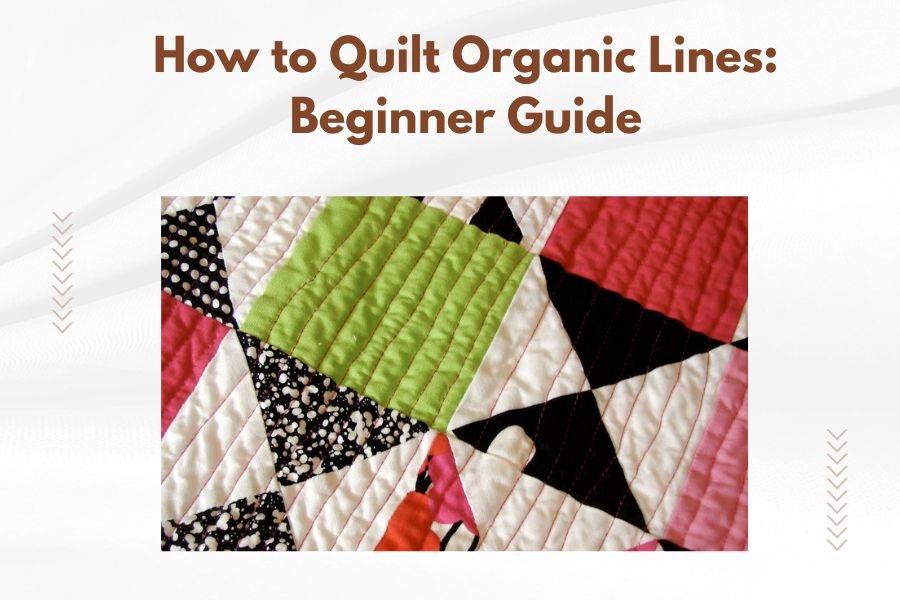
For a more organic look, compare this structured approach with How to Quilt Organic Lines: Beginner Guide. Organic curves change direction more often, while channels keep a steady path.
How close should the quilting lines be?
Follow the batting manufacturer's maximum quilting distance, then plan your design within that limit. The recommended spacing varies by batting, so there isn't one universal distance for every quilt.
Closer lines create more stitched areas and may help keep the layers stable. They also add time and can make the quilt feel firmer, especially when the fabric and batting are already dense.
Wider spacing leaves more unquilted area between lines. Check the batting instructions before choosing that approach, and consider how the quilt will be washed and used.
A channel layout with lines 1.5 inches apart is one possible design scale, not a rule for every batting. See How to Quilt an Edge-to-Edge Crosshatch with 1.5-Inch Spacing for an example of planning a repeated line pattern.
How can you keep either pattern even?
Baste the quilt sandwich well, mark reference lines, and move the layers without stretching them. To finish dense lines, see how to bury threads in matchstick quilting.
Preparation can help prevent puckers and keep the layout readable.
Press the top and backing so they lie flat. Baste the layers securely, then mark a small test section to check your spacing.
For box quilting, use a square ruler or measured marks to keep intersections aligned. For channels, mark the first line and measure each next line from it rather than estimating by eye.
Quilt from the center outward when your project and setup allow it. This can help manage extra fabric toward the edges, though you should use a method that works with your machine and basting.
If you sew on a domestic machine, roll or fold the quilt to fit through the throat space. Keep the rolled bulk supported so it doesn't pull against the needle.
A walking foot can help feed the quilt sandwich evenly if it's suitable for your machine. For a related walking-foot pattern, see Baptist fan quilting instructions.
For hand stitching, see stitch length for hand quilting.
Test on a small quilt sandwich first and adjust stitch length and tension as needed. For a project-specific stitch discussion, see stitch for a T-shirt quilt.
What should you do when lines cross?
Plan crossing lines before stitching so intersections stay neat and don't create unwanted bulk. Box designs have frequent intersections, while channels usually avoid them unless you add a second direction.
At each intersection, pause with the needle down if your machine allows it. Check that the fabric layers remain flat before continuing.
For a two-direction design, stitch all lines in one direction first, then work across them. You may prefer alternating sections to reduce long trips around a large quilt, as long as the layers stay smooth.
Sashiko Stitching: Use Your Quilting Machine offers another way to think about repeated line patterns. Its visual rhythm differs from a box grid, but careful spacing still helps the design read clearly.
What examples can help you compare the look?
Use a small practice sandwich to compare texture and flexibility before quilting the full project. A sample lets you test line spacing and direction with your chosen fabrics and batting.
Make one sample with a simple box grid and another with parallel channels. Use the same top fabric, batting, backing, and approximate stitch spacing so the layout is the main difference.
Bend each sample gently and look at how much open space remains between lines. The comparison won't predict every aspect of a finished quilt, but it can help you choose a design that suits your priorities.
For a different stitched surface, read Use Your Quilting Machine for Cross-Stitching. Cross-stitch motifs form a more decorative pattern than either box or channel quilting.
Which quilt stitching layout should you choose?
Pick box quilting for a crosswise grid and channel quilting for parallel lines with longer open bands. Let batting guidance set the spacing, then choose the pattern that matches your design and preferred feel.
If you value a geometric surface and lines in both directions, start with boxes. If you prefer a linear look and a simpler path, mark channels and test the spacing on a sample first.
A ready-made channel stitch quilt can show how parallel stitching looks across a finished surface. The RECYCO options below are bedding examples.
Frequently asked questions
Is box quilting stronger than channel quilting?
Neither layout is automatically stronger. Box quilting crosses lines to create enclosed areas, while channel quilting uses parallel lines.
Both can secure batting when the spacing follows its care instructions.
Check the batting guidance before choosing a quilting distance.
Does channel quilting make a quilt drape better?
Channel quilting can leave longer sections between stitched lines, which may make a quilt feel more flexible than a dense box grid. The result also depends on stitch spacing, fabric, batting, and how densely the layers are quilted.
Can I quilt boxes with a regular sewing machine?
Yes, if the quilt fits through the machine's throat space and you can move the layers evenly. Mark the grid, baste the sandwich securely, and work in manageable sections so fabric does not bunch or pull.
How far apart should quilting lines be?
Use the maximum spacing recommended by the batting manufacturer as your limit, then choose a closer distance if your design calls for it. Batting types differ, so don't assume one spacing works for every quilt.
Can I combine box and channel quilting?
Yes. You can use channels in one area and a box grid in another, or cross channels to create a grid.
Plan where the lines meet, test the scale on a practice sandwich, and confirm the spacing suits your batting.