
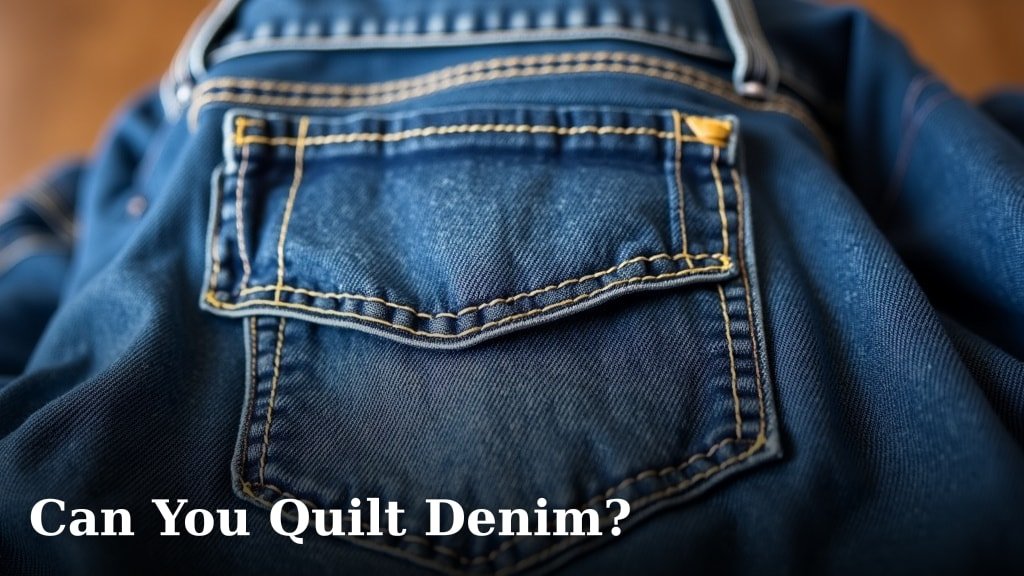
Yes, you absolutely can quilt denim! It’s a fantastic way to create durable and stylish projects. Denim’s strength makes it perfect for quilts that need to stand up to lots of use. Think of old jeans turned into something new and exciting.
Quilting with denim might seem a bit different. You’ll discover it handles best with a stronger needle and perhaps a walking foot. Many quilters find great success using it for everything from tote bags to patchwork blankets. It’s a wonderfully versatile fabric.
- Denim is great for quilting.
- You might need a stronger needle.
- A walking foot can help.
- It’s good for durable projects.
- Think old jeans transformed!
So, are you ready to give denim quilting a try? Let’s walk through how to make it work for your next project.
Quilting With Denim: Is It Doable?
You’re probably wondering if denim is actually a good fabric for quilting. The short answer is a resounding yes! Denim is a tough, durable fabric. It’s made from a sturdy cotton twill weave. This makes it excellent for projects that need to withstand a lot of wear and tear. Think about those old, beloved jeans. They’ve probably seen some adventures, right? That’s the kind of toughness denim brings to quilting.
Preparing Your Denim for the Sewing Machine
Before you start sewing, preparing your denim is key. It’s not quite like prepping a light cotton. You’ll want to wash and dry your denim first. This removes any sizing or finishes. It also pre-shrinks the fabric. This is important because denim can shrink. You don’t want your finished quilt to become a miniature version of itself after the first wash!
Washing and Drying Your Denim
Wash your denim just as you would expect to wash your finished quilt. Use a mild detergent and a normal wash cycle. You can dry it in the dryer or let it air dry. If you’re using old jeans, check for any loose threads or pockets that might need to be removed. You might even want to press the fabric flat after washing.
Cutting Denim Accurately
Cutting denim requires a little more care than lighter fabrics. Denim can shift and slide. This can make it tricky to get perfectly straight cuts. You’ll want to use a sharp rotary cutter and a good cutting mat. A metal ruler is also very helpful. Make sure your cutting mat is large enough. A dull blade will snag the fabric. It can lead to jagged edges. Nobody wants wonky pieces!
Tips for Accurate Cutting
To help prevent shifting, you can try a few things. Some quilters find it helpful to pin generously around the cut lines. Others use a bit of spray starch before cutting. This stiffens the fabric slightly. It can make it easier to handle. Pressing the fabric firmly after washing also helps. It creates a stable surface for cutting.
Choosing the Right Sewing Machine Tools
Working with denim means you’ll need to make some adjustments to your usual quilting setup. Denim is much thicker than typical quilting cottons. Your sewing machine might need a little help to handle it smoothly. Think of it like giving your machine a superhero cape for tough tasks!
Needles: Go Big and Strong
Your standard sewing machine needle might not cut it. Denim is thick and can be tough on needles. You’ll need a stronger, sharper needle. Denim needles or heavy-duty needles are your best friends here. Sizes 90/14 or 100/16 are good starting points. A sharp needle pierces the fabric cleanly. A dull needle can skip stitches or break. It can even damage your machine. So, invest in a good set of denim needles.
Thread Matters Too
Just like needles, your thread needs to be up to the task. A standard cotton quilting thread might be too fine for denim. Consider using a stronger thread. All-purpose polyester thread or a heavier cotton thread works well. You can also use denim-specific thread for extra durability. Make sure your thread choice matches your needle size. A good pairing ensures smooth stitching.
The Magic of a Walking Foot
This is where things get really interesting for denim quilting. A walking foot is highly recommended. Why? Denim layers can be slippery. They can also be thick. Without a walking foot, the top layers of fabric might not feed evenly with the bottom layers. This can lead to puckering or wavy seams. A walking foot has built-in feed dogs. They help move multiple layers of fabric through the machine at the same rate. It’s like having an extra pair of hands helping your fabric along. Many quilters find this tool makes a huge difference when quilting denim. A walking foot helps feed multiple layers of fabric evenly.
When Else a Walking Foot Helps
A walking foot isn’t just for denim. It’s useful for any project with multiple thick layers. Quilting with fleece or batting often benefits from one. It can also help with sewing vinyl or leather. Basically, if you’re struggling with fabric feeding, a walking foot is a great tool to try.
Techniques for Quilting Denim
Now that your denim is prepped and you have the right tools, let’s talk about the actual quilting. It’s a bit different, but totally manageable.
Seam Allowances for Denim
When sewing denim pieces together, stick to a consistent seam allowance. A quarter-inch (1/4″) seam allowance is standard in quilting. However, with denim’s thickness, you might want to consider a slightly larger seam. Perhaps 3/8″ could give you more wiggle room. This is especially true if you’re piecing together many thick layers. A larger seam can also help prevent fraying. Be sure to press your seams open or to one side consistently.
Quilting Design Considerations
Denim quilts tend to be heavier. Therefore, consider simpler quilting designs. Dense, intricate quilting might make the quilt too stiff. You want it to drape nicely. Straight lines, simple patterns, or outline quilting are excellent choices. Think about the weight of your finished quilt. A design that complements the fabric’s heft is best.
Binding a Denim Quilt
Binding a denim quilt requires durable materials. You might need a stronger needle and thread for this step too. Consider using a cotton twill tape or a sturdy cotton binding fabric. Denim strips can also be used for a very robust binding. Double-fold binding is a good option. It adds extra strength to the edges.
Creative Denim Quilt Projects
Denim’s durability makes it perfect for specific types of quilts. You can create items that are meant to be used and loved for years. Here are some ideas to get your creative juices flowing.
For Everyday Use
Picnic blankets: A denim quilt is tough enough for the ground. It can handle crumbs and spills better than lighter fabrics. Play mats for kids: Toddlers can be rough. A denim quilt can withstand crawling and playing. Pet beds: Your furry friends will love a cozy, durable bed. Denim holds up well to claws and constant use.
Stylish Decor and Accessories
Patchwork tote bags: Denim tote bags are already popular. A patchwork denim version is super stylish. Wall hangings: Denim can create a unique, rustic look for your home decor. Memory quilts: Use pieces of jeans from special occasions. Create a quilt that tells a story.
Denim Quilting: What to Expect in a Table
Here’s a quick comparison of what you might find when working with denim versus standard quilting cottons. It highlights the main differences you’ll encounter.
| Feature | Denim | Standard Quilting Cotton |
|---|---|---|
| Durability | Very High | Moderate |
| Weight | Heavy | Light to Medium |
| Needle Recommendation | Denim/Heavy Duty (90/14-100/16) | Universal (70/10-80/12) |
| Thread Recommendation | Polyester, Heavy Cotton | 100% Cotton Quilting Thread |
| Pressing Importance | High (to prevent shifting) | Moderate |
| Ease of Handling | Can be Stiff, Prone to Shifting | Easy to Maneuver, Stable |
Your Denim Quilt Checklist
Ready to start? Keep this quick list handy to make sure you’re prepared:
- Wash and dry all your denim.
- Use sharp denim or heavy-duty needles.
- Have strong thread ready.
- Consider a walking foot for your machine.
- Cut carefully with a sharp rotary cutter.
- Press seams well as you go.
Conclusion
You’ve seen that quilting with denim is not only possible but can yield wonderfully durable and unique projects. By preparing your fabric properly, choosing the right tools like a stronger needle and a walking foot, and using appropriate techniques, you can confidently tackle denim. Don’t shy away from its thickness; embrace it to create items that are meant to last. Your next step is to gather those old jeans or a few yards of denim yardage. Start planning your very first denim quilt!
Frequently Asked Questions
Will denim make my quilt too heavy?
Denim quilts are naturally heavier than those made with quilting cottons. This weight can be a benefit for items like picnic blankets or sturdy pet beds. For lighter quilts, consider mixing denim with lighter fabrics or using denim for just the backing or borders.
Can I use a regular sewing machine for denim quilting?
Yes, most modern sewing machines can handle denim, but with the right adjustments. You’ll need a stronger needle and potentially a walking foot for best results. Avoid pushing or forcing the fabric; let the machine do the work at a steady pace.
How do I prevent denim from fraying excessively when cutting?
Washing your denim before cutting helps stabilize it. Using a sharp rotary cutter and a metal ruler will give you cleaner cuts, minimizing fraying. You can also try using pinking shears for the edges, or embrace the fray by using it as a design element.
Is it harder to quilt denim than cotton?
It presents different challenges, but it’s not necessarily “harder.” You’ll need to pay more attention to your needle, thread, and how the fabric feeds through the machine. A walking foot is a game-changer for managing the thickness and preventing skipped stitches or puckering.
What’s the best way to bind a denim quilt?
For a durable binding, consider using a sturdy cotton twill tape or a strong cotton fabric. You can even use denim strips for a very robust edge. Ensure your needle and thread are strong enough for this thick layer, and consider a double-fold binding for extra strength.
