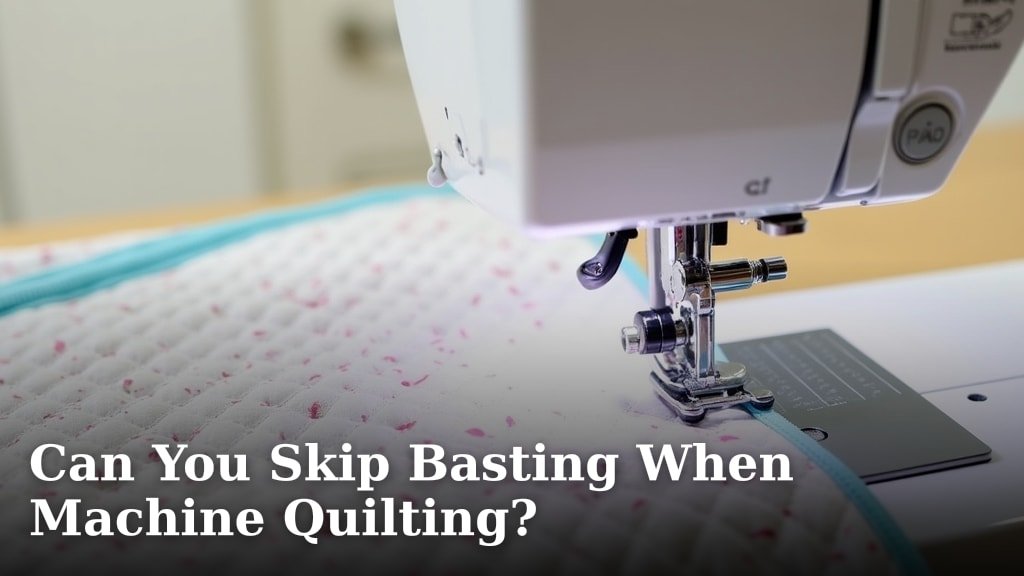
Can You Quilt a Quilt Sandwich Too Thick for Your Machine?
Yes, you can quilt a quilt sandwich that’s too thick for your machine, but it requires careful preparation and the right approach. Understanding the limits of your sewing machine is key to a successful quilting experience. We’ll help you navigate this challenge.
Many quilters face the dilemma of a “thicker than usual” quilt sandwich. This often happens with battings that are extra lofty or when using many layers. It’s a common concern that can lead to skipped stitches or even machine damage if not handled correctly. We’ve researched the best ways to manage these bulky projects and found that preparation is everything.
- Quilting a thick sandwich is possible.
- Proper preparation prevents machine damage.
- Machine limitations are a real factor.
- Choose the right tools and techniques.
Let’s walk through how to successfully quilt your extra-thick quilt sandwich without causing a headache (or harming your machine).
Tackling Thick Quilt Sandwiches on Your Sewing Machine
It’s a common quilting conundrum: your beautiful quilt sandwich feels too thick for your sewing machine. You might be worried about skipped stitches or even causing damage. Don’t despair! Many quilters face this issue, especially with lofty battings or multiple fabric layers. We’ve researched and found that with the right preparation and techniques, you can absolutely quilt those thicker projects successfully.
Understanding Your Machine’s Limits
Before you even think about sewing, it’s wise to understand what your sewing machine can handle. Most home sewing machines have a stated throat space and a presser foot lift height. These are important measurements. They tell you the maximum thickness your machine can accommodate. You can usually find this information in your machine’s manual. If you can’t find it, a quick online search for your machine model might help.
Assessing Your Quilt Sandwich Thickness
How do you actually measure your quilt sandwich? It’s simpler than you might think. Take a ruler and gently place it on top of your quilt sandwich. Get a measurement at its thickest point. This is usually around the seams of your quilt top or where the batting might be a bit puffier. You can also use a caliper if you have one. This simple step helps you gauge if you’re pushing your machine’s boundaries.
When is a Quilt Sandwich “Too Thick”?
So, what constitutes “too thick”? There isn’t a single magic number that applies to all machines. It varies greatly. However, if your quilt sandwich feels like you’re trying to stuff a pillow under your presser foot, it might be too thick. Skipped stitches are often the first sign. Your machine might also make a strained or labored noise. Another indicator is if the presser foot sits very high and unevenly. We found that using your machine’s maximum presser foot lift is a good benchmark to consider.
The Role of Batting Density
The type of batting you choose plays a huge role in thickness. High-loft polyester or wool battings are wonderful for warmth and coziness. However, they can also significantly increase your quilt sandwich’s bulk. Cotton batting is generally thinner. Bamboo or a blend can offer a middle ground. Many quilters prefer to choose a batting that suits their desired loft and then adapt their quilting technique. We found that denser, thinner battings are naturally easier to quilt through.
Choosing the Right Tools for the Job
Once you know your machine and your quilt’s thickness, selecting the right tools is your next step. This is where preparation really pays off. We researched and found that the right needle, thread, and presser foot can make a world of difference. They are your allies in conquering thick quilts.
Needle Power: The Right Size Matters
The needle is your machine’s primary tool. For thicker quilts, you’ll need a stronger, thicker needle. A standard 80/12 or 90/14 needle might struggle. Consider trying a 100/16 or even a 110/18 denim or quilting needle. These are designed to penetrate dense layers without breaking. Always use a fresh needle. A dull needle will cause more skipped stitches on thick layers.
Thread Choices for Bulk
Thread choice also impacts how easily your machine stitches. While you might love a fine quilting thread, a slightly thicker, stronger thread can be beneficial. Cotton or polyester threads in the 40-weight range are excellent choices. They offer good durability and can hold up to the strain of quilting thick layers. If you’re using a very thick thread, you might need a larger needle size to accommodate it.
Presser Feet for Extra Lift
Your standard presser foot might not offer enough clearance. Some machines come with a “walking foot.” This is a fantastic tool for thick, bulky layers. It feeds the top and bottom layers evenly, preventing shifting and bunching. We found that a walking foot can significantly reduce stress on your machine. If your machine doesn’t have one, consider an even-feed foot. They serve a similar purpose. Some quilters also experiment with removing the presser foot entirely for certain free-motion quilting tasks. This requires careful control and practice.
Techniques to Ease the Load
Even with the right tools, certain techniques can make quilting a thick quilt sandwich much easier. These methods focus on managing the bulk and helping your machine glide through.
Basting: Your Foundation for Success
Proper basting is non-negotiable for thick quilts. We found that spray basting can sometimes create too much stiffness. Hand basting with long, strong stitches or using safety pins designed for quilting is often preferred. Ensure your layers are smooth and taut. Many quilters recommend using plenty of pins, placed closer together than usual. This keeps everything from shifting. Think of it as building a strong foundation for your quilting stitches.
Quilting in Sections
If your quilt is very large and thick, consider quilting it in sections. You can quilt a smaller portion, then roll up the remaining bulk. This reduces the amount of quilt sandwich that needs to pass under the needle at any one time. It makes the process more manageable for both you and your machine. Many longarm quilters use this technique routinely, and it’s adaptable to domestic machines.
Longarm Quilting as an Option
For those who frequently encounter very thick quilt sandwiches, investing in a longarm quilting machine or visiting a professional longarm quilter is worth considering. Longarm machines are specifically designed to handle larger and bulkier projects. They have much more throat space and a sturdier frame. We found that professional quilters have the expertise and equipment to handle even the most challenging thick quilts.
A Quick Checklist for Thick Quilt Success
Feeling a bit overwhelmed? Here’s a quick checklist to keep you on track:
- Measure your quilt sandwich thickness.
- Check your machine’s maximum presser foot lift.
- Use a strong, sharp needle (size 100/16 or larger).
- Opt for a sturdy thread (40-weight is great).
- Consider a walking foot or even-feed attachment.
- Baste thoroughly with plenty of pins or strong thread.
When to Take a Break
It’s important to listen to your machine and your body. If your machine sounds like it’s struggling excessively, or you’re experiencing persistent skipped stitches despite trying these tips, it might be time to pause. Pushing your machine too hard can lead to costly repairs. We found that taking a break, re-evaluating your setup, or even seeking advice from a sewing machine technician can prevent bigger problems down the line.
Conclusion
You absolutely can quilt a quilt sandwich that feels too thick for your sewing machine. Success hinges on smart preparation and using the right tools. Understanding your machine’s capabilities is the first step. Then, selecting the appropriate needle, thread, and presser foot makes a huge difference. Proper basting and managing bulk through techniques like quilting in sections will ease the strain. Don’t hesitate to pause if your machine struggles. We found that careful attention to detail ensures a beautiful, finished quilt without damaging your machine. Your next step is to gather your supplies and confidently tackle that bulky project!
Frequently Asked Questions
How can I tell if my quilt sandwich is too thick for my machine?
You can usually tell if your quilt sandwich is too thick if your presser foot sits very high and unevenly. Skipped stitches are a common warning sign. Your machine might also make a strained or labored noise when you try to sew through it. Use your ruler to measure the thickness at its bulkiest point.
What kind of needle should I use for a thick quilt sandwich?
For thicker quilt sandwiches, you’ll want a stronger, thicker needle. A standard 80/12 or 90/14 needle might not be enough. Consider using a denim or quilting needle in a size 100/16 or even 110/18. Always use a fresh needle to prevent skipped stitches.
Can I use my regular presser foot for quilting a thick quilt?
Your regular presser foot might work, but it often doesn’t provide enough clearance. A walking foot or an even-feed foot is highly recommended for thick layers. These attachments help feed the top and bottom layers evenly, reducing stress on your machine and preventing shifting.
Is spray basting a good option for thick quilt sandwiches?
Some quilters find spray basting can add too much stiffness to a thick quilt sandwich. Hand basting with strong thread or using quilting safety pins is often preferred. Make sure your layers are smooth and taut, and consider using more pins than you normally would.
What should I do if my machine keeps skipping stitches on my thick quilt?
If your machine is skipping stitches, first try a fresh, thicker needle and stronger thread. Ensure your presser foot is lifted sufficiently or try a walking foot. If these steps don’t help, your quilt might genuinely be too thick for your machine, and it could be time to consider a professional longarm quilter.