
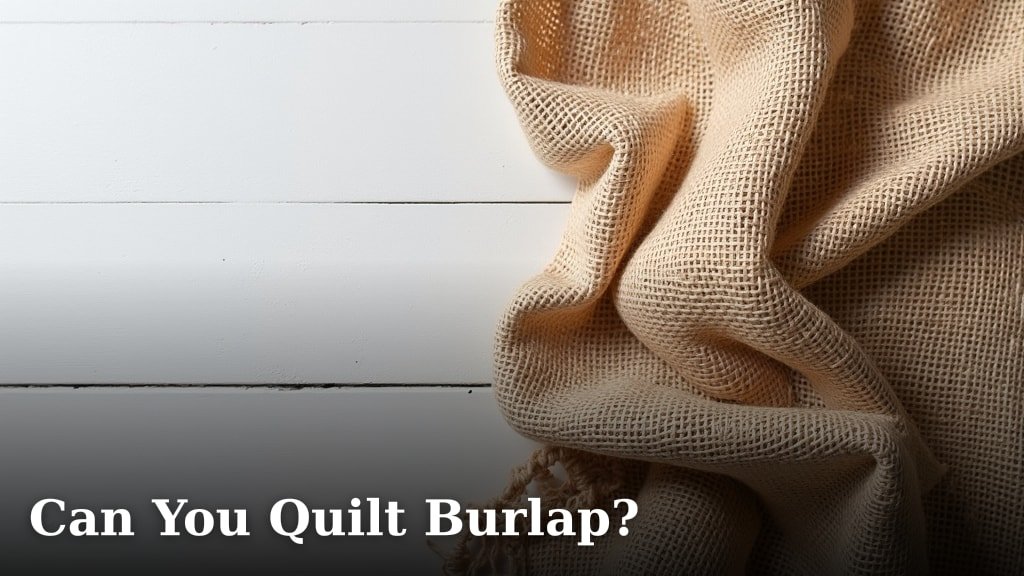
Yes, you absolutely can quilt burlap, but it requires a bit of know-how. While it’s not as straightforward as quilting with cotton, burlap can be a fun and rustic material for unique projects. You’ll need to consider its tendency to fray and how to handle its stiff texture.
Many crafters have found success using burlap for home decor and bags. When preparing burlap for quilting, pre-washing and stabilizing are key steps. It adds a unique, textured look that’s hard to achieve with other fabrics. Think about the durability it offers for heavier items.
- Yes, burlap can be quilted with some adjustments.
- Prepare it by pre-washing and stabilizing.
- It’s great for rustic decor and durable items.
- Fraying and stiffness are the main challenges to manage.
So, can you quilt burlap? The short answer is yes, and we’re here to guide you through exactly how to do it.
“`htmlSo, you’ve got a roll of burlap and a quilting dream? That’s fantastic! Burlap can add a wonderfully unique texture and rustic charm to your projects. Think cozy throws, durable tote bags, or even unique wall art. But can you actually quilt with it? Absolutely! It just requires a few special tricks up your sleeve.
Working with Burlap: Your Guide to Quilting Success
Quilting with burlap is totally possible! It’s a natural fiber that offers a distinct look. We’ll walk you through how to handle its quirks so you can create beautiful, textured quilts.
Understanding Burlap’s Unique Qualities
The Nature of the Beast: Burlap’s Texture and Tendencies
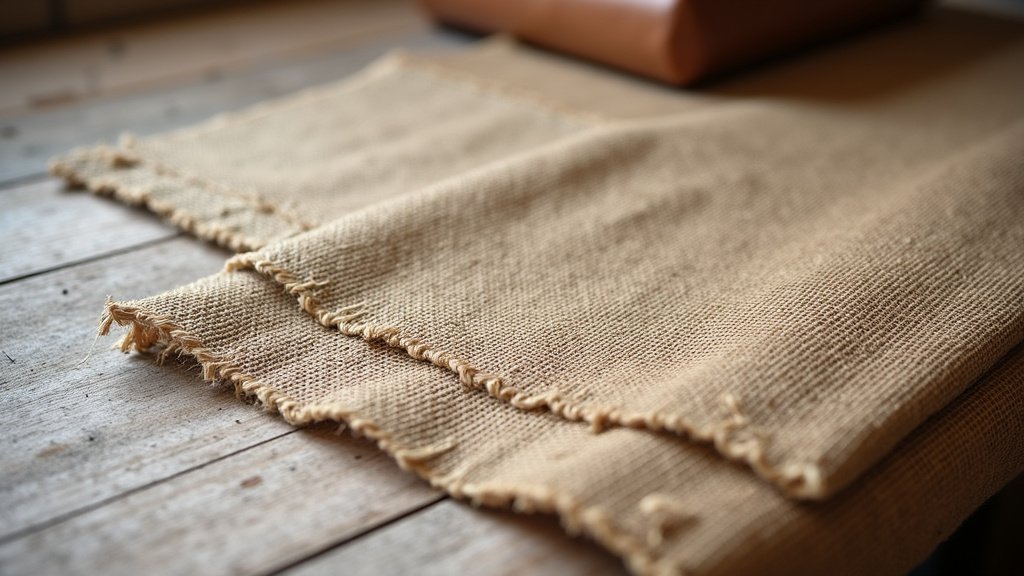
Burlap, also known as jute, is a woven fabric made from natural plant fibers. This gives it a wonderfully rough, textured feel that cottons and linens just can’t replicate. However, this texture comes with its own set of challenges. Burlap can be quite stiff. It also has a tendency to fray, sometimes quite a lot, at the edges.
Why Choose Burlap for Your Next Quilt?
The appeal of burlap often lies in its organic, natural aesthetic. It brings a cozy, down-to-earth vibe to any project. It’s also incredibly durable, making it a great choice for items that need to withstand a lot of use. Imagine a quilt that feels substantial and has a story to tell through its texture.
Preparing Your Burlap for the Quilting Journey
Washing Burlap: A Necessary First Step
Before you even think about cutting, you need to pre-wash your burlap. This is super important! Raw burlap can have a distinct smell, and washing helps to soften the fibers a bit. It also pre-shrinks the fabric, which is key to preventing your finished quilt from looking wonky later on.
Here’s how we recommend washing it:
- Hand wash gently in cool water with a mild detergent. Avoid hot water, as it can make the fibers shrink excessively or become too brittle.
- Avoid the washing machine and dryer if possible. The agitation can cause significant fraying and damage.
- Air dry completely. Lay it flat on a towel or hang it up. Make sure it’s bone dry before moving on.
Stabilizing Burlap: Taming the Fray Monster
This is perhaps the most critical step for quilting burlap. Because burlap frays so easily, you need to stabilize it. This means adding something to the back of the fabric to hold the weave together. Research and found that several methods work well.
Fusible Interfacing: Your Best Friend
Fusible interfacing is a dream come true for burlap. You’ll want to use a lightweight to medium-weight fusible interfacing. Cut it slightly larger than your burlap piece. Place the burlap wrong side down on your ironing board. Then, place the fusible interfacing, adhesive side down, onto the burlap.
Carefully iron according to the interfacing manufacturer’s instructions. You want to ensure the adhesive bonds well with the burlap fibers. This creates a stable, cohesive unit that is much easier to cut and sew without excessive fraying.
Starch It Up!
Another effective method is heavy starching. Many quilters swear by this technique. Spray your burlap generously with a good quality starch spray. Iron it flat, then spray again and iron again. Repeat this process several times until the fabric feels quite stiff. This makes the weave tighter and helps control fraying. It’s a simpler approach but might require more starching than interfacing for very loose weaves.
Cutting Burlap: Precision Matters
Once your burlap is washed and stabilized, you can cut it. Use a sharp rotary cutter and a good cutting mat. A sharp blade will help you get cleaner cuts and reduce fraying. If you’re using scissors, make sure they are fabric shears that are also very sharp.
When cutting strips or squares, try to cut along the grain as much as possible. This will help maintain the integrity of the weave. Don’t pull or tug at the fabric while cutting. Go slowly and let the cutter do the work.
Quilting Techniques for Burlap Projects
Choosing the Right Batting and Backing
For burlap quilts, especially those intended for home decor rather than heavy use, you can use standard quilt batting. Cotton batting works well, offering a nice loft. If you want a more rustic feel, consider a wool batting. For backing fabric, a tightly woven cotton or even another piece of stabilized burlap can work.
We found that pairing burlap with a softer, smoother fabric for the backing can create a lovely contrast in texture. It also makes the quilt feel more comfortable against the skin if it’s a throw. You’ll want to ensure your backing fabric is also pre-washed.
Sewing with Burlap: What to Expect
Sewing burlap requires a bit of patience. Because of its stiffness, it might not feed through your machine as smoothly as cotton. Use a new, sharp sewing machine needle. A universal needle in size 90/14 or 100/16 is often recommended. This helps to pierce the fibers cleanly without snagging.
When selecting thread, a good quality cotton or polyester thread is suitable. For a more rustic look, you might even consider using a thicker, variegated thread that stands out. We found that using a slightly longer stitch length, around 2.5 to 3.0mm, can also help prevent the fabric from tearing.
Quilting Designs and Patterns
Burlap lends itself beautifully to simpler quilting designs. Think straight lines, gentle curves, or even a simple “stitch in the ditch” to outline blocks. Overly intricate quilting patterns might overwhelm the texture of the burlap itself.
A common approach is to quilt around the edges of your fabric pieces or blocks. This helps to further secure the layers and maintain the structure of the quilt. For larger projects, consider quilting in a grid pattern or echoing the shapes of your blocks. You want the quilting to enhance, not compete with, the natural beauty of the burlap.
Tips for Success with Burlap Quilts
Here’s a quick checklist to keep you on track:
- Wash and Dry: Always pre-wash and thoroughly dry your burlap.
- Stabilize! Use fusible interfacing or heavy starching.
- Sharp Tools: Employ sharp rotary cutters, scissors, and sewing needles.
- Gentle Handling: Avoid pulling or tugging; work slowly.
- Test Your Settings: Do a test run with your machine and thread.
- Embrace Imperfection: Burlap has character; let it shine!
Many crafters have discovered that the slight imperfections that come with working with burlap only add to its charm. It’s a material that tells a story, and your quilting will add another chapter to it.
“`Conclusion
You’ve learned that quilting burlap is definitely achievable with the right preparation! By understanding its unique characteristics like texture and fraying, and by implementing essential steps like pre-washing and stabilizing, you can successfully incorporate this rustic material into your projects. Remember to use sharp tools and handle the fabric gently throughout the process. Now, you’re ready to grab your burlap and start creating something wonderfully textured and uniquely yours!
Frequently Asked Questions
Can I quilt burlap without stabilizing it?
While some very tightly woven burlap might fray less, it’s generally not recommended. Stabilizing, whether with interfacing or heavy starching, is crucial for preventing excessive fraying and making the fabric manageable for sewing and quilting. Without it, your edges will likely unravel quite a bit.
What is the best type of interfacing for burlap?
Lightweight to medium-weight fusible interfacing is your best bet. It bonds well with the burlap fibers when ironed, creating a stable, cohesive piece. This makes cutting, piecing, and quilting much easier without the worry of constant fraying.
Will burlap feel scratchy in a finished quilt?
Burlap has a natural roughness, so yes, it will have a more textured feel than cotton. Pre-washing helps soften it slightly. If you’re making a quilt for use, consider pairing it with a softer backing fabric or batting to create a more comfortable contrast.
How do I clean a quilt made with burlap?
Cleaning burlap quilts requires care. Hand washing gently in cool water with a mild detergent is the safest method to avoid excessive fraying and damage. Always air dry it completely, laying it flat or hanging it. Avoid machine washing and drying whenever possible.
Can I use burlap for quilting projects that need to be very durable, like tote bags?
Absolutely! Burlap’s natural durability makes it an excellent choice for sturdy items like tote bags, placemats, or upholstery projects. Stabilizing it well is key to ensuring the seams hold up to regular wear and tear, giving you a long-lasting handmade item.
