
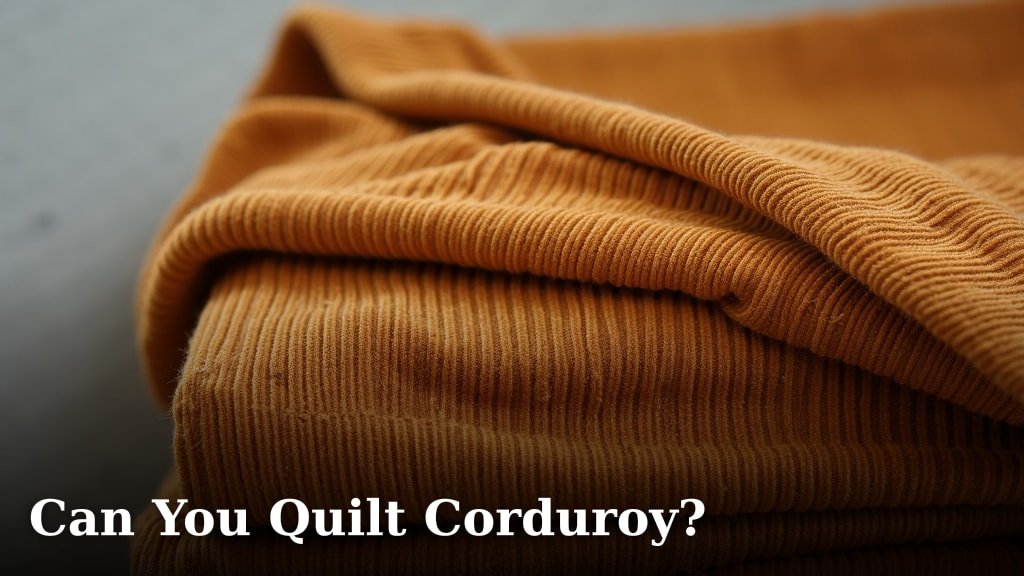
Yes, you can absolutely quilt corduroy! It’s a fantastic fabric choice for quilting projects. Corduroy offers a unique texture and beautiful dimension that can make your quilts stand out. Many quilters have successfully worked with it, creating stunning and cozy items. You just need to know a few simple techniques to make the process smooth.
Working with corduroy for quilting might seem a little different at first. Its soft, ribbed surface can pose some unique challenges, like keeping the pile consistent. But with the right approach, you can overcome these. Many quilters find it adds a lovely warmth and visual appeal to their handmade creations. It’s perfect for blankets, pillows, and even garments.
- Yes, quilting with corduroy is totally doable.
- It adds great texture and warmth to projects.
- Be mindful of the pile direction for best results.
- It’s a fun way to make your quilts unique.
We’ve researched corduroy quilting and found that with a few key adjustments, it’s a rewarding fabric to use. Let’s walk through everything you need to know to get started with quilting corduroy.
Working with Corduroy for Your Quilting Projects
Yes, you can absolutely quilt with corduroy! It’s a fantastic fabric choice that adds wonderful texture and warmth to any quilt. Many quilters have found success using it. You just need to know a few tricks to make the process go smoothly.
Corduroy’s soft, ribbed surface can seem a little different from traditional quilting cottons. It has a definite “nap,” which is the direction the fuzzy fibers lie. Getting this right is key for a polished look. But don’t let that deter you! With a few simple adjustments, you’ll find corduroy is a joy to work with.
Choosing the Right Corduroy for Quilting
Not all corduroy is created equal when it comes to quilting. You’ll want to look for certain types to make your life easier. The width of the wale (that’s the ridge!) and the fabric’s weight play a big role.
Understanding Corduroy Wiles
Corduroy comes in different wale widths. These are the raised ribs running vertically. You’ll see everything from fine wale (many narrow ribs) to wide wale (fewer, fatter ribs).
- Fine wale corduroy: This has many narrow ribs, often 14-21 wales per inch. It behaves more like a traditional quilting cotton. It’s less prone to flattening and is generally easier to piece.
- Mid-wale corduroy: With about 8-12 wales per inch, this offers a good balance of texture and manageability. It’s a popular choice for garments and home decor.
- Wide wale corduroy: This has fewer, wider ribs, usually 4-6 wales per inch. It offers the most dramatic texture. It can be a bit trickier to work with because the ribs are more pronounced and can shift easily.
For your first corduroy quilt, we recommend starting with a fine or mid-wale. They offer beautiful texture without being overly challenging. Wide wale can be stunning, but it might be best saved for when you’re more comfortable quilting with corduroy.
Fabric Weight Matters
Corduroy fabric comes in different weights, just like cotton. You’ll typically find it in lighter-weight options suitable for garments and home decor, and sometimes heavier weights.
For quilting, you want a corduroy that isn’t too stiff or too flimsy. A medium-weight corduroy that feels substantial but still has some drape is ideal. You want it to hold up to quilting stitches and wear, but not be so thick that it’s difficult to manage. Many quilters find that corduroy with a bit of polyester or spandex blended in can be easier to work with than 100% cotton.
Preparing Your Corduroy Fabric
Just like any fabric you plan to quilt with, proper preparation is essential. This step helps prevent shrinkage and ensures your fabric behaves predictably.
Pre-washing Your Corduroy
Yes, you should pre-wash your corduroy. This is especially important for 100% cotton corduroy. Washing removes sizing chemicals and pre-shrinks the fabric. This prevents your finished quilt from puckering later.
Wash it in cool or lukewarm water on a gentle cycle. Use a mild detergent. Avoid fabric softener, as it can coat the fibers and make them slippery. For corduroy, it’s often best to wash it by itself or with similar items to avoid excessive friction. You can also consider washing it inside out to protect the nap. We found that this helps maintain the pile’s integrity.
Drying and Ironing
After washing, you can tumble dry your corduroy on a low setting or hang it to air dry. For ironing, use a medium heat setting on your iron. Always iron on the wrong side (the back) of the fabric. This prevents crushing the pile and creating shiny spots on the right side.
When pressing seams, press them flat rather than ironing back and forth. This helps prevent stretching and distorting the fabric. Many quilters suggest using a pressing cloth for extra protection, especially if you’re concerned about heat affecting the fabric.
Cutting and Piecing Corduroy
Here’s where things get a little different from your standard quilting cottons. The nap and texture of corduroy require a slightly more careful approach.
Understanding the Nap Direction
This is probably the most important thing to remember with corduroy. The nap is the direction the fuzzy fibers are lying. You can feel it by running your hand over the fabric.
When cutting, you’ll want all your pieces to have the nap running in the same direction. Usually, this means the nap runs downwards, like water flowing. If you cut pieces with the nap going in different directions, they will look different in color and texture under the light. This can really mess with your quilt’s appearance.
A simple way to check is to look at the fabric. The nap usually looks smoother and a bit shinier when you run your hand down it. It looks duller and feels rougher when you run your hand against it. Always cut your pattern pieces so the nap points the same way on all of them.
Cutting Techniques for Corduroy
Use a rotary cutter and a cutting mat for the most accurate cuts. A sharp blade is crucial here. Dull blades can snag the fabric and cause fraying.
When placing your pattern pieces on the fabric, pay close attention to the grainline and the nap direction. Mark the nap direction on your pattern pieces if they don’t already indicate it. Lay your fabric flat and ensure it’s smooth before cutting.
To minimize shifting and fraying, some quilters find it helpful to starch their pre-washed corduroy lightly before cutting. This gives it a bit more body. A spray starch designed for fabric can work well here.
Piecing Tips for a Smooth Finish
Corduroy can be a bit slippery and prone to stretching. To help keep your seams straight and prevent the fabric from shifting:
- Use a slightly shorter stitch length: A stitch length of 1.8mm or 2.0mm can help create more secure seams that don’t pucker.
- Add a stabilizer: Consider using a lightweight stabilizer on the back of your corduroy pieces, especially if you’re working with a very fine wale or a slippery blend. Tear-away or wash-away stabilizers work well.
- Sew slowly and deliberately: Don’t rush. Take your time to ensure the edges of your fabric pieces are aligned perfectly as you feed them under the presser foot.
- Pin generously: Use plenty of pins to keep your layers together. Fine, sharp pins are best. You can also use wonder clips if you prefer.
- Match your thread: Use a good quality cotton or polyester thread. A matching color will help hide any minor imperfections.
When pressing seams, press them open or to one side as your pattern directs. Remember to press, don’t iron back and forth. This is good advice for all quilting, but especially for fabrics like corduroy. We found that pressing seams open helps reduce bulk.
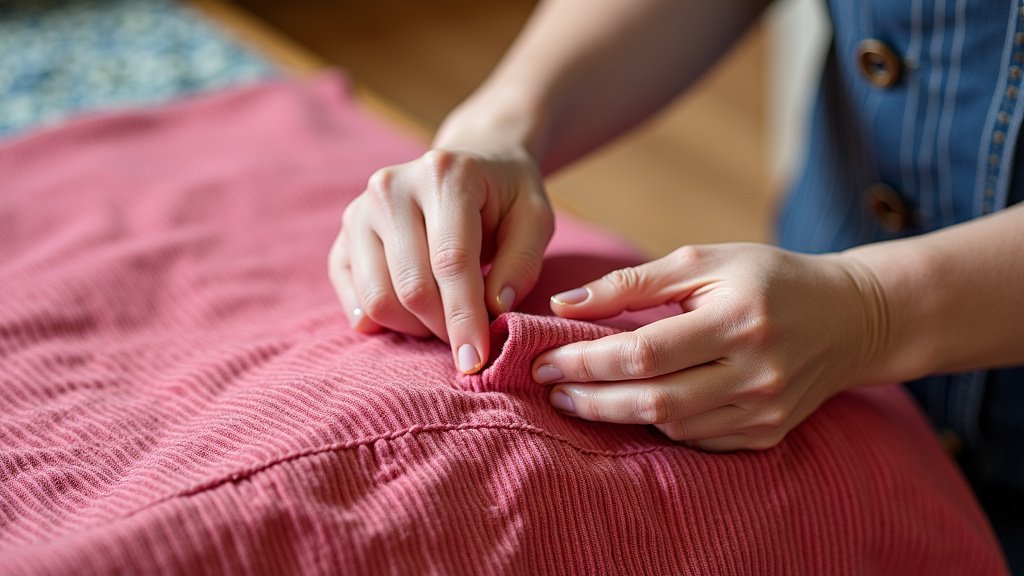
Quilting with Corduroy: Machine and Hand Techniques
Now for the fun part – quilting! Whether you’re free-motion quilting or straight-line quilting, corduroy can add amazing texture.
Machine Quilting Considerations
When machine quilting, pay attention to your machine’s settings. A walking foot is your best friend for straight-line quilting. It helps feed the layers of fabric evenly, preventing the corduroy from shifting or puckering.
For free-motion quilting, you’ll want to drop your feed dogs or cover them. Use a free-motion quilting foot. Keep your stitches consistent. Corduroy’s pile can sometimes catch on the needle if you’re not careful. A needle designed for knits or universal needles (size 80/12 or 90/14) usually work well. Consider using a microtex needle for more precision.
If you’re quilting dense patterns, you might find that the corduroy pile gets compressed. Lighter quilting designs often showcase the texture best. Think simple straight lines, gentle curves, or echoing the quilting around the corduroy wales.
Hand Quilting with Corduroy
Hand quilting with corduroy is absolutely possible and can create a beautiful, traditional look. You’ll need a good quilting needle and thread.
Using a thimble is highly recommended to help push the needle through the fabric layers. Start with larger stitches than you might use on cotton. Corduroy’s thickness can make tiny stitches difficult to achieve evenly. A stitch length of about 1/4 inch to 3/8 inch is often a good starting point.
The goal with hand quilting on corduroy is to create even, consistent stitches. The texture of the corduroy itself will add visual interest, so you don’t need to overthink the stitch pattern.
Binding Your Corduroy Quilt
Binding a corduroy quilt requires the same care as piecing. You want a neat, durable finish.
Choosing Binding Fabric
While you could bind with corduroy, it can add a lot of bulk. Many quilters prefer to use a contrasting or coordinating quilting cotton for the binding. This makes the edges look crisp and clean. A woven cotton provides a nice balance to the softness of the corduroy.
Ensure your binding fabric is pre-washed and pressed, just like your quilt top. Cut your binding strips accurately. Attach them with a 1/4-inch seam allowance.
Attaching the Binding
When sewing the binding to the quilt, use your walking foot for straight-line accuracy. Again, sew slowly and ensure the edges are aligned. Many quilters recommend mitering the corners carefully. This involves folding the binding fabric back on itself at the corner to create a neat diagonal fold.
Once the binding is attached to the front of the quilt, you’ll fold it over to the back and stitch it down. You can hand-stitch it for an invisible finish, or machine-stitch it for speed. If machine-stitching from the front, you can “stitch-in-the-ditch” along the seam line where the binding meets the quilt top, or topstitch about 1/8 inch away from the edge.
A table showing different corduroy types and their suitability for quilting:
| Corduroy Wale Type | Rib Width | Ease of Quilting | Texture Impact | Best Use Case |
|---|---|---|---|---|
| Fine Wale | 14-21 wales/inch | Easiest | Subtle | Detailed piecing, smaller quilts |
| Mid-Wale | 8-12 wales/inch | Moderate | Noticeable | General quilting, pillows, bags |
| Wide Wale | 4-6 wales/inch | Most Challenging | Dramatic | Accent pieces, modern quilts, large blocks |
Quick Checklist for Quilting Corduroy
Ready to give corduroy quilting a try? Keep these quick tips in mind:
- Choose fine or mid-wale corduroy for easier handling.
- Always pre-wash and press corduroy on the wrong side.
- Pay close attention to the nap direction when cutting all pieces.
- Use a sharp rotary cutter and a walking foot for piecing.
- Consider a stabilizer for tricky seams or thinner corduroy.
- Quilt slowly and deliberately, using a walking foot or free-motion foot.
Conclusion
You’ve learned that quilting corduroy is not only possible but can result in beautiful, textured quilts. By understanding the different corduroy wales, preparing your fabric properly, and paying attention to the nap direction, you can conquer any challenges. Remember to use sharp tools and take your time with piecing and quilting. We’ve seen that with these key techniques, you’re well-equipped to create something truly special. Your next step is to pick out your favorite corduroy and start planning your unique quilt project!
Frequently Asked Questions
Can I mix corduroy with quilting cottons in the same quilt?
Yes, you can mix corduroy with quilting cottons, but it requires some care. Make sure both fabrics are pre-washed and consider using a stable backing fabric like cotton to help manage any slight differences in drape. You might find a fine or mid-wale corduroy is easier to blend than a wide wale.
What needle size is best for quilting corduroy?
For quilting corduroy, a universal needle in size 80/12 or 90/14 is generally recommended. Some quilters prefer a Microtex needle for its sharpness and precision, which can help the needle glide through the denser fabric and prevent snagging the pile.
How do I prevent my corduroy seams from looking bulky?
To minimize bulk in your corduroy seams, try pressing them open rather than to one side. Using a slightly shorter stitch length (1.8mm-2.0mm) can also create a more secure, less bulky seam. If you’re using wide wale corduroy, a stabilizer on the back can help keep the ribs from flattening too much.
Is it harder to machine quilt corduroy compared to cotton?
Machine quilting corduroy can be a bit different from cotton due to its texture and pile. Using a walking foot for straight-line quilting is essential to prevent shifting. For free-motion quilting, moving slowly and ensuring your free-motion foot is appropriate will help manage the fabric’s texture and prevent the needle from snagging.
Will the corduroy pile get crushed during the quilting process?
Some compression of the corduroy pile is expected, especially in densely quilted areas or where seams are pressed. Lighter quilting designs, such as simple lines that echo the wales or gentle curves, tend to showcase the corduroy’s texture best without excessive pile crushing. Avoid very heavy, dense quilting patterns if preserving the pile is your top priority.
