
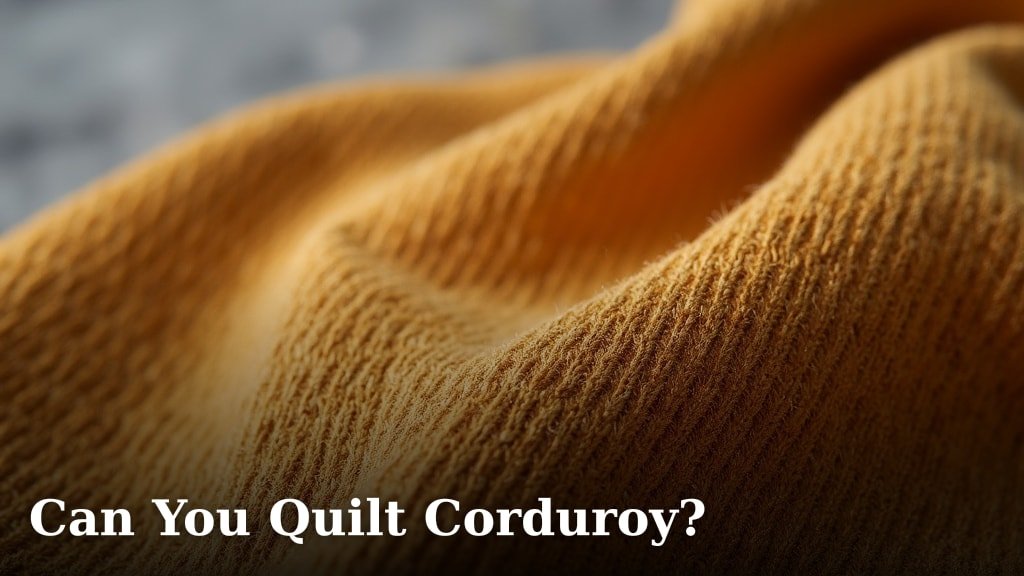
Yes, you absolutely can quilt with corduroy! It makes for a surprisingly cozy and texturally rich quilt. Many quilters find it a delightful alternative to traditional cotton fabrics for certain projects. You just need to know a few special tricks.
Corduroy offers a unique look and feel to quilts. Its raised wales, or ribs, add a tactile dimension. Many quilters experiment with it for quilts designed for warmth and a distinct visual appeal. It’s a bit different from cotton, but very workable.
- You can quilt with corduroy.
- It adds great texture and warmth.
- Watch out for pile direction.
- Consider needle and thread choices.
- Pre-washing is a good idea.
So, if you’re curious about adding some snuggly corduroy to your next quilt project, we’ve gathered the essential tips to help you get started. Let’s dive into the specifics!
You’re probably wondering, “Can I really quilt with something as thick and soft as corduroy?” The short answer is a resounding YES! It’s not your typical quilting cotton, but with a few adjustments, corduroy can lead to some wonderfully tactile and warm quilt projects. Think of the cozy factor! It’s a fantastic way to add a unique dimension to your quilting.
Working with Corduroy for Quilting Projects
When you think about quilting, cotton probably comes to mind first. It’s a quilter’s best friend. But corduroy offers a completely different feel and look. Its distinct ridges, called wales, create shadows and texture that cotton just can’t match. Many quilters find it perfect for throws, lap quilts, or even quilt coats where that plush feel is desired. It’s a fabric that begs to be touched and snuggled under.
Understanding Corduroy Fabric Properties
Corduroy is a woven fabric, typically made from cotton. What makes it special are the raised, parallel cords, or ribs. These cords are created by cutting an extra set of warp yarns woven into the fabric. The width of these wales can vary, from very fine ‘pinwale’ to wide, chunky ‘jumbo wale’. This texture is its main appeal, but it also means it behaves a little differently than smooth cotton. You’ll want to pay attention to the direction of the pile – that’s the fuzzy surface of the fabric. It usually runs from the bottom edge to the top edge of the fabric. Keeping the pile running the same direction in all your pieces is key for a consistent look and feel.
Pile Direction Matters
Think of corduroy like velvet or fleece; the pile has a natural direction. When you cut and sew your pieces, you want that pile to flow the same way. If you mix directions, it can look a bit patchy or feel strange when you run your hand over it. For example, if you’re cutting squares for a quilt top, ensure all the wales are running either up-and-down or left-to-right on each square. This might sound fiddly, but it makes a big difference in the final quilt’s appearance. It’s a small step that adds a lot of polish to your work. Most fabric manufacturers note the ‘grain’ or pile direction on the selvage edge.
Choosing the Right Corduroy
Not all corduroy is created equal for quilting. You’ll want to look for a few specific types. Fine-wale corduroy, sometimes called pinwale, is often the easiest to work with. The ribs are very narrow and close together. This makes it feel more like a traditional fabric and less bulky. Wide-wale or jumbo-wale corduroy can be more challenging. While it offers incredible texture, its thick ribs can create bulk, especially at seams. If you’re new to quilting with corduroy, starting with a medium or fine-wale is a good bet. It will be more forgiving.
Pre-Washing Your Corduroy
Just like with most quilting cottons, pre-washing your corduroy is a really good idea. This helps to pre-shrink the fabric, so your finished quilt won’t unexpectedly shrink or pucker later. It also washes out any residual chemicals or sizing from the manufacturing process. Because corduroy can sometimes bleed color (especially darker shades), it’s best to wash it separately. Use a gentle cycle with cool water. You can also use color catchers to be extra safe. When drying, avoid high heat. A low heat setting or air drying is best to prevent excessive shrinkage and maintain the fabric’s integrity. Many quilters found this step prevents future headaches.
Preparing Your Corduroy for the Quilt
Once your corduroy is washed and dried, you’ll want to press it well. Use a medium heat setting on your iron, and consider using a pressing cloth, especially for darker colors. This protects the fabric surface and helps create crisp seams. When cutting your fabric, be mindful of the pile direction we talked about. You’ll also notice corduroy can be a bit slippery due to its soft texture. Using a good quality rotary cutter and a self-healing mat will help you get accurate cuts. Some quilters also find that using a walking foot on their sewing machine can help feed the fabric evenly, preventing stretching or bunching.
Cutting Techniques for Corduroy
Cutting corduroy requires a little extra care. Always place your fabric on your cutting mat with the pile running in the same direction for all pieces. Some quilters like to place the fabric right side up, while others prefer to have the wrong side up to better see the wales. Experiment to see what works best for you. Ensure your rotary cutter blade is sharp; a dull blade can snag the fabric and create uneven edges. If you’re using a cutting mat, try to cut with smooth, even pressure. Don’t press down too hard. Accurate cutting is foundational for a well-constructed quilt, no matter the fabric.
Seam Allowances and Pressing
When sewing corduroy, you might want to consider slightly larger seam allowances than you’d typically use with quilting cotton. A standard 1/4-inch seam might feel a bit skimpy with the bulk of the wales. Many quilters recommend using a 3/8-inch or even 1/2-inch seam allowance when working with corduroy. This gives you more fabric to work with at the seam and helps to reduce bulk. When pressing your seams, always press them open. This is generally best practice for managing bulk in any quilt project, and it’s especially helpful with corduroy. Avoid ironing directly on the pile; press from the wrong side of the fabric. You can also use a seam roller to gently flatten seams before ironing.
Sewing and Quilting with Corduroy
Sewing corduroy is where the magic happens! You’ll discover it’s quite manageable with the right approach. The texture adds a wonderful dimension to piecing, and quilting on it can be a dream. Just remember the adjustments we’ve discussed, and you’ll be well on your way to a fabulous corduroy quilt.
Needles and Thread Choices
Selecting the right sewing machine needle and thread is crucial for sewing corduroy. A standard universal needle might work, but many quilters find that a denim or microtex needle is better suited for piercing through the fabric’s structure. A sharp, new needle will go through the fabric more easily, reducing skipped stitches and fabric snags. For thread, a good quality 100% cotton thread or a polyester-cotton blend works well. Medium-weight thread is generally recommended. Avoid very fine threads, as they might not hold up as well to the fabric’s texture and density. For quilting, you might even consider a slightly heavier weight thread for decorative effects.
Using a Walking Foot or Even-Feed Foot
This is a big one! Corduroy, especially when layered with batting and backing, can be prone to shifting. A walking foot (also called an even-feed foot) is designed to feed the top and bottom layers of fabric at the same rate. This is incredibly helpful for preventing the layers from stretching or bunching as you sew. It ensures that your corduroy quilt top moves through the machine evenly with the batting and backing. If you don’t have a walking foot, you might consider using a free-motion quilting foot for certain techniques, but for straight-line piecing and quilting, the walking foot is your best friend. Many quilters report fewer puckers and a more professional finish when using one.
Quilting Density and Design
When it comes to quilting the corduroy sandwich, think about how dense you want your quilting stitches to be. Because corduroy already has a lot of visual texture from its wales, you don’t necessarily need to quilt a very dense pattern. In fact, a more minimalist quilting design might let the fabric’s natural texture shine. Consider straight lines following the wales, or simple diagonal patterns. If you’re using a finer wale corduroy, you might have more flexibility with denser designs. For wider wales, spacing your quilting stitches a bit further apart can prevent the fabric from becoming too stiff or losing its drape. Researching quilting density guidelines can be helpful (The Quilting Hub). They often suggest stitch spacing based on fabric type and batting.
Binding Your Corduroy Quilt
Binding a corduroy quilt is much like binding any other quilt, but with a few corduroy-specific considerations. You might want to consider making your binding strips slightly wider than you usually would. A standard 2.5-inch binding strip might feel a bit narrow when applied to the thicker edge of a corduroy quilt. Aiming for a 3-inch or even 3.5-inch strip can provide enough fabric to wrap around the edge neatly. When you attach the binding, ensure your stitches are secure. You can machine-stitch the binding to the front, then fold it over to the back and hand-stitch or machine-stitch it down. For a cleaner finish, some quilters prefer to attach the binding to the back first and then bring it around to the front.
Hand-Stitching vs. Machine-Stitching the Binding
Hand-stitching the binding offers a beautiful, traditional finish and allows you to carefully control how the binding lies against the corduroy. It can be particularly good for hiding any slight unevenness on the quilt edge. However, it is more time-consuming. Machine-stitching the binding on the back can be quicker and creates a very durable finish. If you machine-stitch the binding to the back, you can use a zipper foot to get nice and close to the edge of the binding. Whichever method you choose, take your time and enjoy the process of completing your unique corduroy quilt!
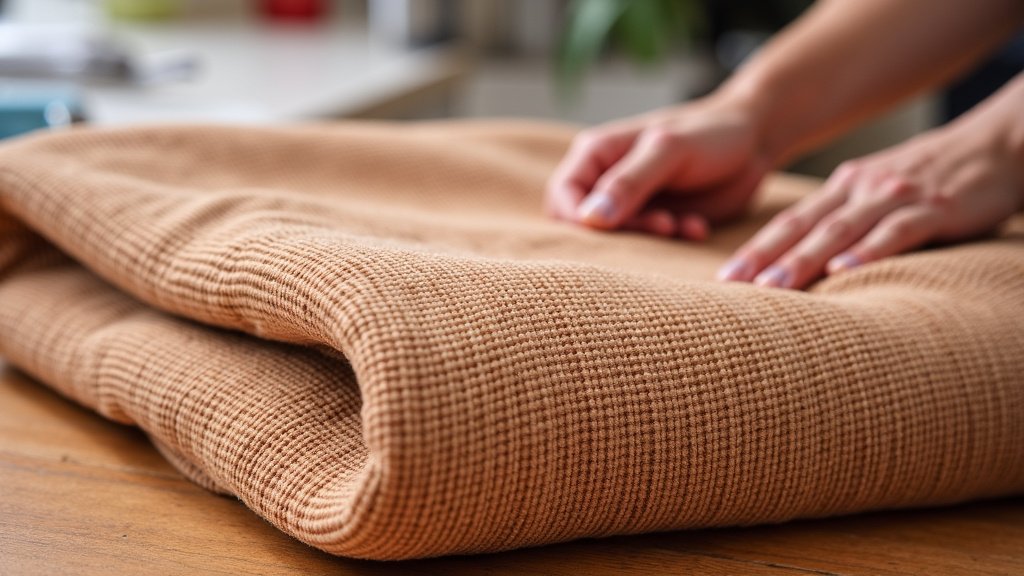
Quick Checklist for Quilting Corduroy
- Pre-wash your corduroy carefully.
- Pay close attention to pile direction when cutting.
- Use a sharp denim or microtex needle.
- Consider a walking foot for sewing and quilting.
- Press seams open to manage bulk.
- Choose a binding width that suits the fabric thickness.
Conclusion
You’ve learned that quilting with corduroy is absolutely achievable and can result in a wonderfully textured, cozy quilt. By paying attention to details like pile direction, pre-washing, using the right needles, and considering a walking foot, you’re well-equipped to tackle this unique fabric. It’s a fantastic way to add a tactile dimension to your quilting projects that cotton alone can’t provide. So, gather your corduroy and get ready to create something truly special and snuggly. Your next beautiful, texturally rich quilt awaits!
Frequently Asked Questions
Is corduroy hard to sew compared to quilting cotton?
Corduroy can be a bit trickier than quilting cotton due to its texture and weight. You’ll want to use a sharper needle, like a denim or microtex, and consider a walking foot to help feed the fabric evenly. Seam allowances might also need to be slightly larger to manage the fabric’s bulk.
What type of corduroy is best for quilting?
For beginners, fine-wale or pinwale corduroy is usually the easiest to work with. Its ribs are closer together, making it less bulky and more similar in feel to quilting cotton. Wider wales offer more texture but can present more challenges with bulk at the seams.
How do I prevent corduroy from looking shiny after ironing?
To avoid a shiny appearance, always use a medium heat setting on your iron and consider using a pressing cloth. Pressing from the wrong side of the fabric is also key. Avoid applying too much direct pressure or heat to the pile, as this can flatten and shine the wales.
Can I quilt corduroy with a standard sewing machine needle?
While a universal needle might work in a pinch, it’s highly recommended to use a sharper, more robust needle. A denim or microtex needle is designed to pierce through tougher fabrics like corduroy more cleanly, reducing the risk of skipped stitches or snagged threads.
How should I wash a finished corduroy quilt?
Treat your finished corduroy quilt gently. Machine wash it on a cool or cold setting with a mild detergent. Avoid harsh agitation and consider using a mesh laundry bag to protect the fabric. Tumble dry on low heat or air dry to minimize shrinkage and preserve the corduroy’s texture and color.
