Why Does Thread Shred When Using a Ruler Foot?
Thread shreds when using a ruler foot because the needle, tension, thread path, ruler, or quilting speed is putting extra stress on the thread. Check each point in that order before continuing.
On this page (10 sections)
- What should you check first when thread shreds?
- Can the needle cause thread shredding with a ruler foot?
- How does the ruler foot create extra thread stress?
- Can thread quality or age cause shredding?
- Could the tension be too tight?
- How does sewing speed affect thread shredding?
- What if the ruler foot or thread path is rough?
- How do you stop thread shredding during a test?
- When should you stop adjusting and get help?
- What is the best fix for thread shredding with a ruler foot?
Thread shreds when using a ruler foot because extra friction or poor thread control is stressing the thread during each stitch. The usual causes are a damaged needle, incorrect threading, tight tension, a rough thread path, fast movement, or a ruler that is pressing against the foot incorrectly.
Stop sewing as soon as the thread starts to fray. Continuing can turn a small adjustment into skipped stitches, broken thread, uneven tension, or a damaged quilt surface.
What should you check first when thread shreds?
Start with the needle, thread path, and upper tension. These three checks solve many thread-shredding problems before you need to adjust your ruler technique.
Remove the needle and inspect it for a bent shaft, rough spot, or dull point. A needle can look straight and still have a damaged eye that cuts or rubs the thread.
Raise the presser foot before rethreading the upper path. Raising it opens the tension discs, which gives the thread a better chance to seat correctly.
Check that the thread passes through every guide and the take-up lever. A missed guide can create sudden drag, especially when the ruler foot changes direction.
If you need a broader checklist, read How to Reduce Thread Breakage When Quilting?. Thread shredding often appears before a full break, so treat fraying as an early warning.
Can the needle cause thread shredding with a ruler foot?
Yes, a rough, bent, or unsuitable needle can shred thread as the machine forms each stitch. Ruler quilting does not remove the normal need to match the needle to the thread and fabric.
The SCHMETZ Microtex needle has a slim acute point and comes in size 80/12 on a 5-needle card. It is made for detailed stitching and works with domestic sewing machines and materials such as cotton, batik, microfiber, polyester, silk, foils, artificial leather, coated materials, cork, and bamboo.
Choose this type when you want a sharp point for clean needle entry through a woven quilt sandwich. It can suit detail-focused quilting, but the correct needle still depends on the thread, fabric layers, and your machine.
Install the needle fully, with the flat side facing the direction required by your machine. Tighten the needle screw securely, then turn the handwheel through a few stitches before starting the motor.
If the thread shreds again with a new needle, don't assume the needle was the only cause. If a Kenmore 19001 also shows a sensor warning, see how to check its thread sensor.
Continue with the thread path, tension, ruler position, and speed checks.
How does the ruler foot create extra thread stress?
A ruler foot creates a controlled edge for the ruler, but the ruler can add sideways pressure and abrupt direction changes. Those forces can pull the thread path out of its smooth rhythm if you push too hard or move too quickly.
Keep the ruler against the side of the ruler foot. Do not press the ruler into the needle, needle clamp, or moving parts.
Guide the quilt with small, steady movements. Tight curves, sudden stops, and sharp changes in direction can make the thread rub harder against the needle eye and guides.
Keep your hands clear of the needle area. A ruler should guide the foot, not act as a lever against it.
The guide to How to Use a Quilting Ruler and Ruler Foot explains the basic relationship between the ruler, foot, needle, and quilt. Review it if the ruler is touching the wrong part of the foot or if you are still learning the hand position.
Can thread quality or age cause shredding?
Yes, thread that is damaged, weak, or poorly suited to the project can fray under the added movement of ruler quilting. Check the spool, thread path, and needle together instead of blaming the ruler foot alone.
Look for fuzz, flat spots, knots, or areas that have already separated. Cut away damaged thread and rethread from a clean section of the spool.
The Coats & Clark All Purpose Sewing Thread is 100% polyester, medium weight 35wt, and comes as 400-yard spools in a 6-pack of white thread. It is intended for sewing machines and hand stitching.
This thread can suit quilters who want one white all-purpose thread for machine and hand work. Its medium weight may not be the right visual choice for every quilting design, so consider how much thread definition you want in the finished lines.
Keep the spool clean and covered when it is not in use. If its pin is broken or missing, see how to replace a broken spool pin.
If the thread repeatedly shreds in one area, cut back to a fresh section and test again.
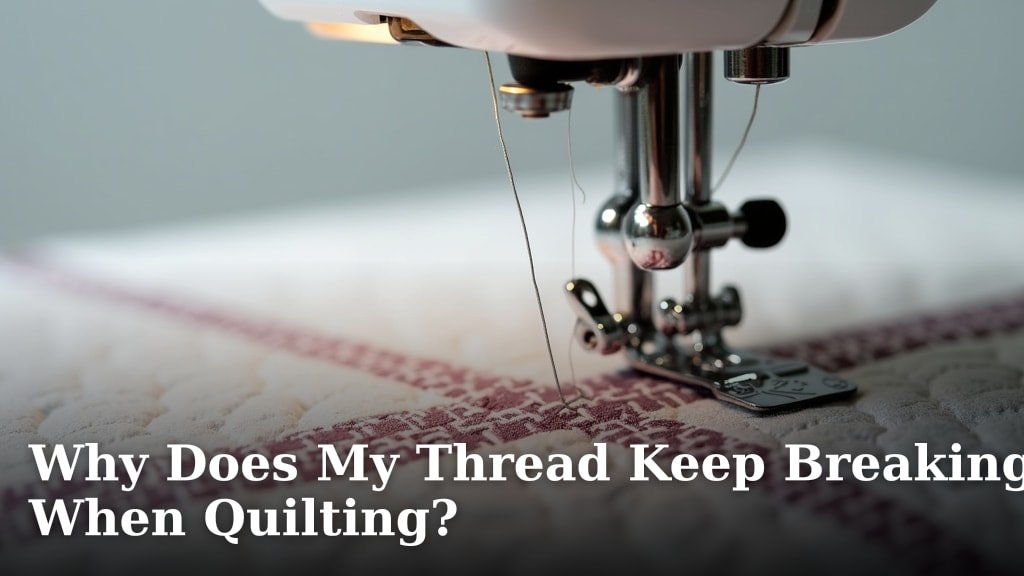
For more troubleshooting steps, see Why Does My Thread Keep Breaking When Quilting?. A break often has the same root causes as shredding, with the thread failing later in the stitch cycle.
Could the tension be too tight?
Upper tension that is too tight can pull the thread hard through the needle eye and fabric. Ruler quilting can make this more noticeable because the quilt moves in several directions while the needle continues to stitch.
Set the machine to a normal starting tension, then sew on a scrap quilt sandwich made from the same layers as your project. Look at both sides of the stitching before changing the setting again.
Make one adjustment at a time. If you change the upper tension, needle, thread, and bobbin settings together, you won't know which change solved the problem.
Check the bobbin area for lint, loose thread, or a bobbin that is not seated correctly. Clean the area according to your machine's instructions, and don't force the bobbin case into position.
A threader can help when you need to remove and replace the upper thread several times during troubleshooting. The Bohin 81980 Super Automatic Needle Threader is a plastic, 1-count tool for threading hand needles from size 1 through size 11, and it includes a magnetic needle picker.
Use it for hand-sewing preparation, not as a substitute for correctly threading the sewing machine. Its purpose is to help pass thread through the eye of a hand needle and retrieve small hand-quilting needles.
How does sewing speed affect thread shredding?
Sewing too quickly can increase heat, friction, and sudden thread movement around the needle. Slow the machine down while you find the cause, especially on curves and changes in direction.
Use the foot control gently and keep your hands moving at a steady pace. Avoid pushing the quilt faster than the needle can form balanced stitches.
If you use a machine with a speed control, lower it temporarily. A slower speed gives you more time to watch the ruler, foot, thread, and stitch formation.
Stop after a short test line and inspect the thread. If it looks fuzzy, stop again instead of sewing a longer section that may hide the first sign of damage.
What if the ruler foot or thread path is rough?
A rough surface can catch thread and create repeated abrasion. Inspect the needle eye, presser foot, thread guides, spool area, and bobbin path for a sharp edge or snag.
Run a small piece of clean thread through the upper path by hand with the machine off. If it catches at one point, inspect that area closely and follow the machine manual before trying to polish or alter any part.
Check that the ruler foot is installed correctly and sits firmly. A loose foot can change position during quilting and make the ruler contact unpredictable.
Don't keep sewing through a snag. If the rough spot is part of the machine or foot, stop and seek the correct repair guidance.
The Ruler Foot Guide: Better Machine Quilting Tips can help you review foot setup, movement, and ruler control before changing more machine settings.
How do you stop thread shredding during a test?
Use a fresh needle, clean thread, correct threading, moderate tension, and slow ruler movement in a short test line. Test on the same fabric and batting layers as the quilt whenever possible.
Use this order:
- Replace the needle with a suitable fresh needle.
- Remove and rethread the upper path with the presser foot raised.
- Check the bobbin seating and clean visible lint.
- Confirm the ruler touches only the intended side of the foot.
- Sew slowly on a scrap quilt sandwich.
- Inspect the thread after several inches.
If the thread remains smooth, sew another short line with a gentle curve. Increase speed only after the thread stays intact through straight lines and turns.
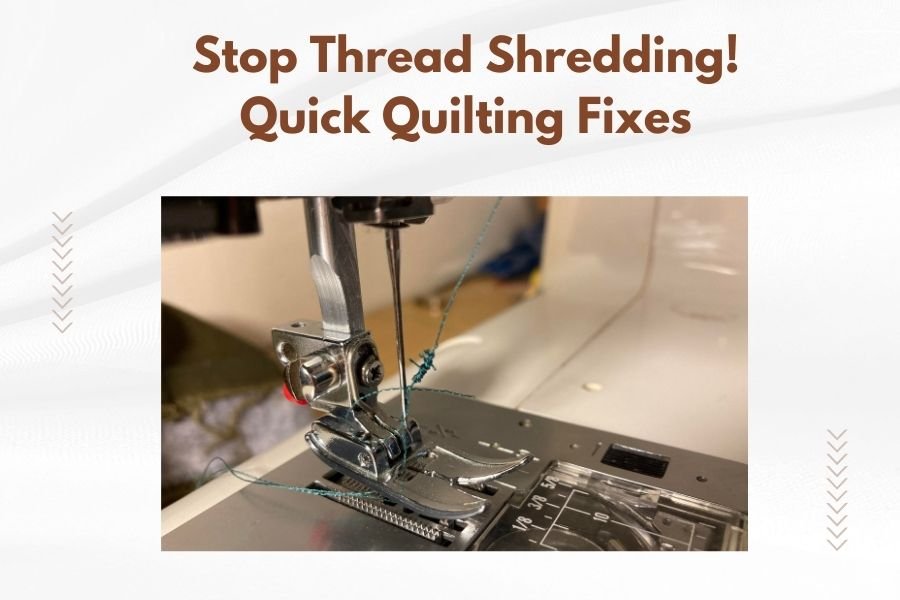
For a quick list of common fixes, read Stop Thread Shredding! Quick Quilting Fixes.
The key rule is to stop at the first sign of fraying, not after the thread has broken.
When should you stop adjusting and get help?
Stop troubleshooting when a new needle, correct threading, clean thread path, and careful ruler handling do not solve the damage. Repeated shredding may point to a burr, misaligned foot, tension problem, or machine timing issue.
Don't sand, bend, or reshape the ruler foot without instructions for that exact part. An adjustment that removes one snag can create a larger alignment problem.
Contact a qualified machine technician if the needle strikes the foot, the foot moves during sewing, the thread catches at the same metal point, or the machine makes an unusual sound.
What is the best fix for thread shredding with a ruler foot?
For why thread shreds using a ruler foot, start with a fresh needle and correctly seated thread, then lower the speed and keep the ruler against the foot without pressing it toward the needle. Test each change on a matching quilt sandwich.
Choose the SCHMETZ Microtex needle when a sharp size 80/12 point suits your detailed quilting. Choose the Coats & Clark thread when you want 100% polyester, medium weight 35wt white thread for machine or hand stitching.
Keep the Bohin threader for hand-needle preparation during repeated repair or finishing work.
If shredding continues after these checks, inspect the foot and machine for a rough or misaligned part before sewing more of the quilt.
Frequently asked questions
Why does thread shred when using a ruler foot?
Thread usually shreds when the needle is damaged or unsuitable, the thread path creates friction, the tension is too tight, or the ruler presses against the foot and changes the stitch path. Slow down, replace the needle, rethread with the presser foot raised, and test on a scrap.
Can a ruler foot damage quilting thread?
A ruler foot can expose thread problems because ruler-guided quilting adds contact, turns, and changes in direction. The foot itself is not automatically the cause.
Check the needle eye, thread path, upper tension, bobbin area, ruler position, and movement speed before replacing the foot.
Should I change the needle when thread shreds?
Yes, replace the needle if it is bent, burred, dull, or the wrong size for the thread and fabric. A fresh size 80/12 Microtex needle has a slim acute point and suits detailed stitching on many woven fabrics and quilting materials.
How can I stop thread shredding during ruler quilting?
Use a fresh needle, thread the machine correctly, reduce speed, keep the ruler against the ruler foot without pressing it into the needle, and test tension on a quilt sandwich. Stop immediately if the thread begins to fray instead of sewing through the damage.