What Is a Walking Foot vs Free Motion Foot?
On this page (6 sections)
- Understanding Sewing Machine Feet: Walking vs. Free Motion
- The Power of Even Feeding: What Is a Walking Foot?
- Unleash Your Creativity: What Is a Free-Motion Foot? Now, let’s talk about the free-motion foot. This foot is all about freedom and creativity. Its primary purpose is to let you move your fabric in any direction you want under the needle. This is essential for decorative stitching and artistic effects. Instead of feeding the fabric in a straight line, the free-motion foot allows you to “draw” with your stitches. You control the movement of the fabric, and the machine simply stitches where the needle goes up and down. How Does a Free-Motion Foot Work? A free-motion foot, often called a darning foot or quilting foot, has a distinctive look. It has a spring-loaded mechanism. This mechanism raises and lowers with the needle. This lifts the foot slightly away from the fabric with each stitch. This “hopping” action is crucial. It allows the fabric to move freely underneath. If the foot were pressing down constantly, it would resist your movements. The spring allows you to glide the fabric without it getting caught or dragged. Some free-motion feet have an open toe, which gives you a better view of your stitching area. When to Use Your Free-Motion Foot The free-motion foot is your go-to for artistic embellishment: Free-Motion Quilting (FMQ): This is where the foot truly shines. You can create beautiful, flowing quilting designs all over your quilt. Tumbling Blocks and Stippling: These are popular free-motion quilting patterns. The foot allows for the tight curves and turns required. Appliqué: When stitching around appliqué shapes, you often need to maneuver the fabric in tight spots. A free-motion foot makes this much easier. Embroidery: For certain types of machine embroidery or decorative stitch work, especially on curves. “Drawing” with Thread: You can literally create drawn lines or painterly effects on fabric. Many quilting experts recommend a free-motion foot for anyone serious about learning to quilt their own projects. It’s essential for achieving that hand-quilted look. Preparing for Free-Motion Sewing Before you start free-motion sewing, there are a few important steps. First, you need to lower the feed dogs on your sewing machine. Your sewing machine manual will tell you how to do this. If you don’t lower them, they will fight against your fabric movement. Second, you need to set your machine to a straight stitch. The free-motion foot doesn’t change the stitch type; it just changes how you control the fabric. You also want to use a needle appropriate for your fabric and thread. We found that a new, sharp needle is vital for clean stitches. Finally, control your speed! It’s tempting to go fast, but consistent speed is key. Let your machine do the work, and focus on smooth, controlled movements of the fabric. Walking Foot vs. Free-Motion Foot: A Quick Comparison
- Tips for Success with Both Feet
- Conclusion
- Frequently Asked Questions
A walking foot is designed to feed multiple layers of fabric evenly through your sewing machine. A free-motion foot, on the other hand, allows you to move the fabric freely underneath the needle for creative stitching. They serve very different, but equally important, purposes when you’re sewing.
Understanding the difference is key to successful quilting and garment making. A walking foot is your best friend for sewing quilts or even layers of tricky fabric without shifting. The free-motion foot is for adding those beautiful, artistic touches to your projects. Many sewers find mastering both opens up a whole new world of creative possibilities.
- Walking feet help layers feed together evenly.
- Free-motion feet let you move fabric freely.
- Walking feet are great for quilts and thick materials.
- Free-motion feet are perfect for decorative stitching.
- Knowing the difference improves your sewing results.
Let’s take a closer look at each type of sewing machine foot so you can choose the right one for your next project!
Understanding Sewing Machine Feet: Walking vs. Free Motion
Choosing the right sewing machine foot can make a huge difference in your projects. You might be wondering about two common ones: the walking foot and the free-motion foot. They look quite different and do very different jobs. We’re here to help you understand when and why you’d use each one.
Think of them as specialized tools in your sewing toolbox. Just like you wouldn’t use a hammer to screw in a nail, you wouldn’t use a walking foot for free-motion quilting. Let’s break down what each foot is designed for.
The Power of Even Feeding: What Is a Walking Foot?
A walking foot is designed to help your sewing machine feed layers of fabric evenly. This is especially important when you’re working with multiple layers. It ensures that the top and bottom layers move through the machine at the same rate. This prevents puckering and shifting. Our guide explains how a walking foot works to feed fabric evenly.
Many sewers find that standard sewing machine feet can struggle with thick or slippery fabrics. The walking foot solves this problem. It has a set of “teeth” or “feed dogs” on the top that work with the feed dogs on your machine’s needle plate. This coordinated action creates a smooth feeding process.
How Does a Walking Foot Work?
A walking foot has a metal or plastic arm that attaches to your presser foot bar. This arm moves up and down as you sew. It pushes the fabric along with the feed dogs below. You’ll see a set of “feet” on the walking foot itself. These move in sync with your machine’s stitches.
This synchronization is key. It means the fabric doesn’t get bunched up or stretched out. We found that this even feeding action is a game-changer for projects with many layers. It truly makes sewing through thick materials much easier.
When to Use Your Walking Foot
You’ll reach for your walking foot in several situations:
- Quilting: This is perhaps the most common use. Quilting involves sewing through three layers: the quilt top, batting, and backing. A walking foot ensures these layers stay aligned, preventing bumps and uneven stitches.
- Sewing Multiple Layers: Whether it’s a thick garment or a home decor project, if you’re sewing through more than two layers of fabric, a walking foot is your best friend.
- Difficult Fabrics: Think about slippery satins or stretchy knits. These fabrics can easily shift under a regular foot. A walking foot helps control them.
- Topstitching: For decorative topstitching on garments or bags, a walking foot can help achieve a smooth, professional look.
Research also suggests that using a walking foot can reduce skipped stitches on challenging fabrics. This is because it provides consistent tension and support.
What to Expect When Using a Walking Foot
When you first attach a walking foot, it might feel a little different. The feed might seem slower, but this is normal. You’ll likely need to adjust your stitch length. Many sewers find that a slightly longer stitch length works best with a walking foot.
Don’t be alarmed if your machine sounds a bit different. The extra mechanism is working hard to give you those smooth results! We found that taking a few practice stitches on scrap fabric is always a good idea before you start your actual project.
Unleash Your Creativity: What Is a Free-Motion Foot?
Now, let’s talk about the free-motion foot. This foot is all about freedom and creativity. Its primary purpose is to let you move your fabric in any direction you want under the needle. This is essential for decorative stitching and artistic effects.
Instead of feeding the fabric in a straight line, the free-motion foot allows you to “draw” with your stitches. You control the movement of the fabric, and the machine simply stitches where the needle goes up and down.
How Does a Free-Motion Foot Work?
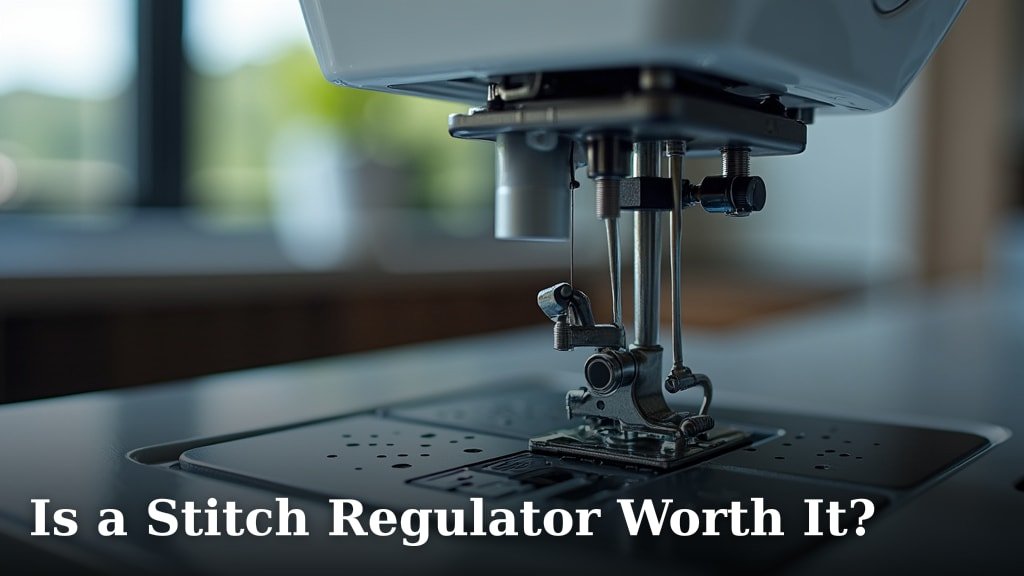
A free-motion foot, often called a darning foot or quilting foot, has a distinctive look. It has a spring-loaded mechanism. This mechanism raises and lowers with the needle. This lifts the foot slightly away from the fabric with each stitch.
This “hopping” action is crucial. It allows the fabric to move freely underneath. If the foot were pressing down constantly, it would resist your movements. The spring allows you to glide the fabric without it getting caught or dragged. Some free-motion feet have an open toe, which gives you a better view of your stitching area.
When to Use Your Free-Motion Foot
The free-motion foot is your go-to for artistic embellishment:
- Free-Motion Quilting (FMQ): This is where the foot truly shines. You can create beautiful, flowing quilting designs all over your quilt.
- Tumbling Blocks and Stippling: These are popular free-motion quilting patterns. The foot allows for the tight curves and turns required.
- Appliqué: When stitching around appliqué shapes, you often need to maneuver the fabric in tight spots. A free-motion foot makes this much easier.
- Embroidery: For certain types of machine embroidery or decorative stitch work, especially on curves.
- “Drawing” with Thread: You can literally create drawn lines or painterly effects on fabric.
Many quilting experts recommend a free-motion foot for anyone serious about learning to quilt their own projects. It’s essential for achieving that hand-quilted look.
Preparing for Free-Motion Sewing
Before you start free-motion sewing, there are a few important steps. First, you need to lower the feed dogs on your sewing machine. Your sewing machine manual will tell you how to do this. If you don’t lower them, they will fight against your fabric movement.
Second, you need to set your machine to a straight stitch. The free-motion foot doesn’t change the stitch type; it just changes how you control the fabric. You also want to use a needle appropriate for your fabric and thread. We found that a new, sharp needle is vital for clean stitches.
Finally, control your speed! It’s tempting to go fast, but consistent speed is key. Let your machine do the work, and focus on smooth, controlled movements of the fabric.
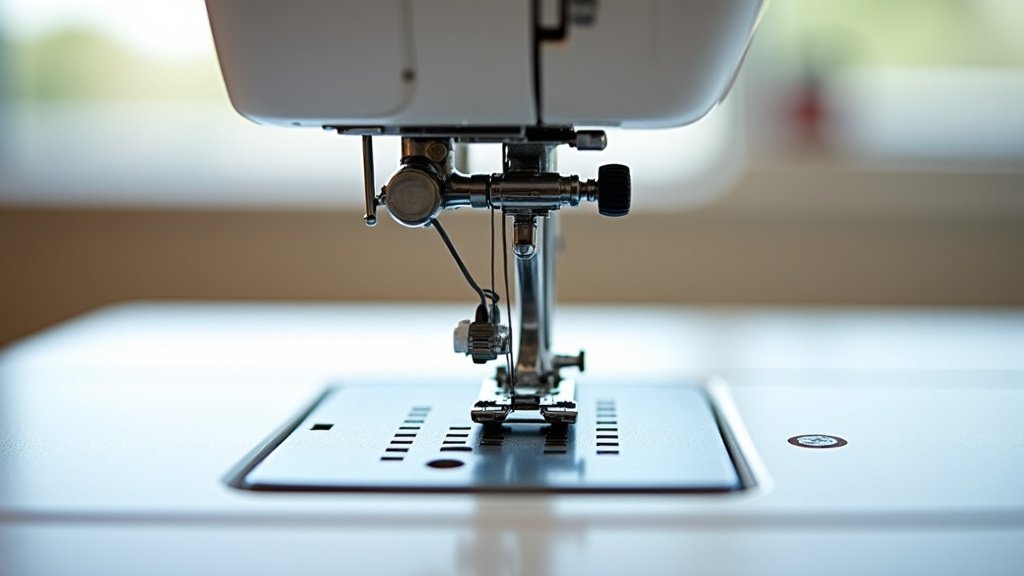
Walking Foot vs. Free-Motion Foot: A Quick Comparison
To help you remember the main differences, here’s a simple table:
| Feature | Walking Foot | Free-Motion Foot |
|---|---|---|
| Primary Function | Evenly feeds multiple fabric layers. | Allows free fabric movement for decorative stitching. |
| Feed Dogs | Works with machine’s feed dogs; has top feed dogs. | Requires feed dogs to be lowered. |
| Movement | Controls fabric moving forward/backward. | Allows fabric to move in any direction. |
| Best For | Quilting layers, thick fabrics, preventing shifting. | Free-motion quilting, appliqué, decorative stitching, “drawing” with thread. |
| Mechanism | Presser bar attachment that moves fabric along. | Spring-loaded foot that lifts with the needle. |
As you can see, they are built for opposite jobs. One is about control and consistency, the other about freedom and artistry. Understanding this distinction will help you choose the right tool for your sewing task.
Tips for Success with Both Feet
No matter which foot you’re using, a few general tips can help:
- Read Your Manual: Your sewing machine’s manual is the ultimate guide. It will tell you specifically how to attach and use each foot, and if your machine has specific settings.
- Test on Scraps: Always, always, always test your settings and technique on scrap fabric that matches your project. This is crucial for both walking foot and free-motion work.
- Proper Needle Choice: A dull or incorrect needle can cause skipped stitches, snags, and general frustration.
- Thread Matters: Use good quality thread. For free-motion, you might want to experiment with different thread weights for different effects.
- Patience is Key: Both feet can take a little getting used to. Don’t get discouraged if your first attempts aren’t perfect.
We’ve found that many sewers consider mastering both of these feet to be a significant step in their sewing journey. They open up so many new project possibilities.
Getting Your Machine Ready: A Checklist
Here’s a quick checklist to get your machine ready for either foot:
- Check Foot Attachment: Ensure the foot is correctly and securely attached.
- Adjust Presser Foot Pressure (If Applicable): Some machines allow you to adjust this. It might be necessary for thicker layers or free-motion.
- Select Correct Stitch: Straight stitch is usually best for both, though free-motion might use decorative stitches.
- Lower Feed Dogs (for Free-Motion): This is a non-negotiable step for free-motion sewing.
- Install Appropriate Needle: Universal, quilting, or sharp needles are common choices.
- Test on Scrap Fabric: Verify settings and practice before sewing your project.
Conclusion
You’ve learned that your walking foot and free-motion foot are distinct tools for different sewing tasks. The walking foot ensures your layers move together smoothly, preventing puckers, especially for quilting and thick fabrics. Your free-motion foot gives you the freedom to “draw” with your needle, perfect for decorative work and appliqué. Mastering both will truly expand your creative horizons. Now, take that knowledge and confidently choose the right foot for your next project!
Frequently Asked Questions
Can I use a walking foot for regular sewing?
While you can technically attach a walking foot for regular sewing, it’s usually not necessary. A walking foot can feel a bit slower and might require stitch length adjustments. Stick to your standard presser foot for everyday garment construction unless you encounter tricky layers.
What happens if I forget to lower the feed dogs for free-motion sewing?
If you forget to lower your feed dogs for free-motion sewing, they will grip and move the fabric in a set direction. This will fight against your attempt to move the fabric freely. You’ll likely get uneven stitches and a lot of frustration, so always remember to lower them!
Do I need a special sewing machine for a free-motion foot?
No, you do not need a special sewing machine. Most modern sewing machines are compatible with free-motion feet. You just need to ensure your machine allows you to lower the feed dogs, which is a common feature on most models.
Can a walking foot help with slippery fabrics like satin?
Yes, a walking foot is excellent for handling slippery fabrics like satin. Its ability to feed both the top and bottom layers of fabric at the same rate helps prevent the fabric from shifting or stretching. This results in much smoother, more professional stitching.
Is a free-motion foot the same as a darning foot?
Often, yes. The terms “free-motion foot” and “darning foot” are frequently used interchangeably because they serve the same purpose: allowing free movement of fabric under the needle. Some may have slight design variations, but their function is the same for quilting and decorative stitching.