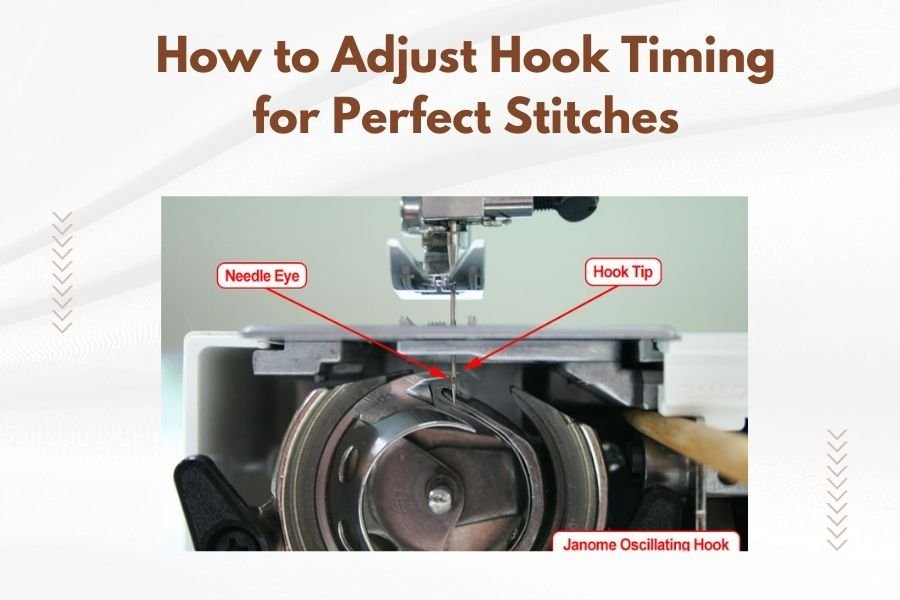
Why Is Your Sewing Machine Needle Hitting the Bobbin Hook?
Stop sewing when the needle clinks against the bobbin hook. Switch off the machine, remove the fabric, and check for a bent or incorrectly seated needle before testing by hand.
On this page (6 sections)
- What causes a sewing machine needle to clink on the bobbin hook?
- How can you check the needle and bobbin area safely?
- Could the wrong needle or thread cause grinding and bunching?
- When is hook timing the likely problem?
- What should you do if the needle keeps striking the hook?
- How do you prevent needle and hook contact from returning?
Stop sewing when your sewing machine needle clinks against the bobbin hook. Turn the machine off, remove the fabric, and check for a bent or incorrectly seated needle before trying the handwheel slowly.
A needle that strikes the hook can break, damage the hook, or pull the upper thread into a tangle. Grinding, thread bunching, skipped stitches, and repeated needle breakage are signs to pause and inspect instead of pressing the pedal again.
What causes a sewing machine needle to clink on the bobbin hook?
A bent or improperly installed needle is a good first thing to check; hook timing or needle-bar alignment can also cause contact. The sound alone doesn't identify which part is at fault.
Turn the machine off and unplug it if your manual recommends unplugging it for maintenance. Remove the fabric and thread, then take out the bobbin and needle so you can inspect the area without running the motor.
A needle can bend after striking a pin, thick seam, or other hard object. It can also sit too high, too low, or rotated the wrong way if it wasn't installed according to the machine's instructions.
If a fresh, correctly installed needle still meets the hook during a slow handwheel turn, the problem may be mechanical. A needle bar that is bent, frozen, or out of position needs a different response than a needle replacement; see what to do about a bent needle bar on a sewing machine.
How can you check the needle and bobbin area safely?
Inspect the needle first, then rotate the handwheel slowly by hand with the machine switched off. This helps you spot contact without repeating it at sewing speed.
Look at the needle from the side and front. Replace it if the tip looks bent, blunt, or damaged, and install a new one in the direction and position your manual specifies.
Remove loose thread and lint from the accessible bobbin area with the cleaning method your manual allows. Check that the bobbin case and hook appear seated as instructed, and don't force parts that resist movement.
If you need to thread a hand-sewing needle while reassembling or finishing a seam by hand, the Bohin threader is designed for hand needles in sizes 1 through 11. It won't correct a machine needle's position or prevent hook contact.
Don't put fingers near the needle while turning the wheel. Stop immediately if the needle touches the hook, catches, or the wheel becomes hard to turn.
Could the wrong needle or thread cause grinding and bunching?
A damaged needle can contribute to poor stitches, but grinding with bunching also calls for checking threading and the bobbin area. Don't assume a different thread will fix mechanical contact.
If bobbin thread shows on top on a Radiance machine, see Radiance bobbin thread troubleshooting.
Thread the machine from the beginning with the presser foot raised if your manual directs you to do so. Check that the thread passes through each guide and that the bobbin is inserted in the correct direction.
For an Innov-is machine, see why bobbin thread shows on top.
Use a needle type and size suited to your fabric and machine. SCHMETZ Microtex size 80/12 needles have a slim, sharp point and are described for detailed sewing on fabrics such as microfiber, polyester, silk, coated materials, cotton, and woven fabrics.
A needle choice must match the project and machine instructions. A Microtex needle is not a cure for hook contact caused by timing or alignment.
If the stitches tangle underneath, compare the thread path and bobbin setup with why bobbin thread bunches. For a thread replacement, Coats & Clark All Purpose Sewing Thread is polyester thread for a variety of sewing projects.
Grinding that continues after rethreading and replacing a damaged needle points beyond a simple thread choice. Stop and arrange service rather than sewing through the sound.
When is hook timing the likely problem?
Hook timing becomes more likely when a sound needle still contacts the hook after you've checked its installation and the bobbin setup. The hook and needle must meet at the right point in the stitch cycle.
Don't adjust timing by trial and error. The procedure varies by machine, and moving parts without the correct instructions can make stitch formation worse.
Review how to time your quilting machine for an overview of the timing issue, then follow your machine's service instructions. If you're not comfortable with the repair, a sewing machine technician can check the timing and alignment.
For a machine where the needle bar won't move as expected, see how to troubleshoot a frozen Singer needle bar. A frozen bar needs diagnosis before any timing adjustment.
What should you do if the needle keeps striking the hook?
Stop using the machine and seek service if a correctly installed needle still hits the hook during a slow handwheel check. Repeated contact risks breaking another needle or damaging the hook.
Also stop if you hear grinding, see metal shavings, feel resistance in the handwheel, or find that the needle bar is loose or visibly out of line. Don't run the motor to confirm a problem you've already heard or felt.
A technician can check whether the issue is timing, needle-bar position, or another part. If the machine is under warranty, consult its manual or manufacturer before opening it or attempting an adjustment.
How do you prevent needle and hook contact from returning?
Use an undamaged needle, install it as directed, and avoid pulling fabric through the stitch. These habits reduce common causes of needle deflection, but they can't prevent every mechanical fault.
If fabric will not feed on a treadle machine, see treadle machine fabric feed troubleshooting.
Replace needles that bend or strike pins, and choose the size and type recommended for the fabric and machine. Keep the bobbin area clean using the manual's maintenance steps, and rethread if stitches start to tangle.
Match thread to the project and check the threading path when stitch quality changes. For more on selecting thread for a longarm machine, see best bobbin thread for longarm machines.
When a needle clinks on the hook, stop first and inspect the needle, bobbin area, and threading. Replace a damaged needle if appropriate; if contact continues during a slow handwheel check, leave timing and alignment to the machine's service instructions or a technician.
Frequently asked questions
Why is my sewing machine needle hitting the bobbin hook?
The needle may be bent, installed incorrectly, or out of position, or the hook timing may need adjustment. Turn the machine off, remove the fabric, and check the needle and bobbin area first.
If the needle still contacts the hook when you turn the handwheel slowly, stop and consult the manual or a technician.
Can I keep sewing if the needle is clinking?
No. Stop as soon as you hear a clink or feel the needle strike the hook.
Continued sewing can break the needle or damage parts, and the machine may pull or tangle thread.
Switch it off, inspect the needle and bobbin area, and don't use the motor to test for contact.
Why is my sewing machine grinding and bunching thread?
Grinding with tangled stitches can come from needle contact, a thread path problem, or debris around the bobbin case. Turn off the machine, remove the bobbin and thread, and check the needle, threading, and accessible lint.
If the grinding remains during a slow handwheel check, stop and seek service.
Does a new needle fix hook contact?
A new, correctly installed needle may solve contact caused by a bent or damaged needle, but it won't correct hook timing or a shifted needle bar. Install the type and size your manual recommends, then turn the handwheel slowly with the machine off.
Stop if the needle still touches the hook.