How to Fix Stripped Needle Bar Screw Threads
If worn out thread in a needle bar won't hold the clamp screw, stop sewing and have the needle bar inspected. Don't force a larger screw or keep tightening it, because the needle may not stay secure.
On this page (7 sections)
- What does worn out thread in a needle bar look like?
- What should you check before calling it a stripped thread?
- Can you repair stripped needle bar threads yourself?
- What can you do while waiting for service?
- How do you prevent more damage to the clamp threads?
- Which supplies help once the clamp is safe again?
- When should you stop and get the machine serviced?
If worn out thread in a needle bar won't hold the clamp screw, stop sewing and have the needle bar inspected. Don't force a larger screw or keep tightening it, because the needle may not stay secure.
First, rule out a simple installation issue: switch off the machine, remove the needle, and check that the correct screw is seated straight. If it spins without tightening or the clamp still moves, treat the threads as damaged.
What does worn out thread in a needle bar look like?
Worn threads often let the screw turn without clamping the needle securely. You may also see metal shavings, a visibly flattened thread pattern, or a needle that shifts even when the screw feels tight.
Turn off and unplug the machine before inspecting the needle area. Remove the needle and screw only as the manual directs, and use good light to look at the screw and the threaded hole.
A damaged screw can resemble a damaged needle bar. Compare it with the correct replacement part for your model, or have a repair technician identify it; don't assume the bar is stripped until both parts are checked.
What should you check before calling it a stripped thread?
Confirm the screw is the correct one and enters straight. A cross-threaded, bent, or incorrect screw can fail to clamp properly even when the needle bar threads are intact.
Check your machine manual for the needle type, installation direction, and screw procedure. Then inspect the screw tip and threads for visible damage, and make sure the needle is fully seated in the clamp as directed.
Don't test the machine by sewing with a loose needle. A needle that slips or drops can break, damage the fabric or machine, or create a hazard.
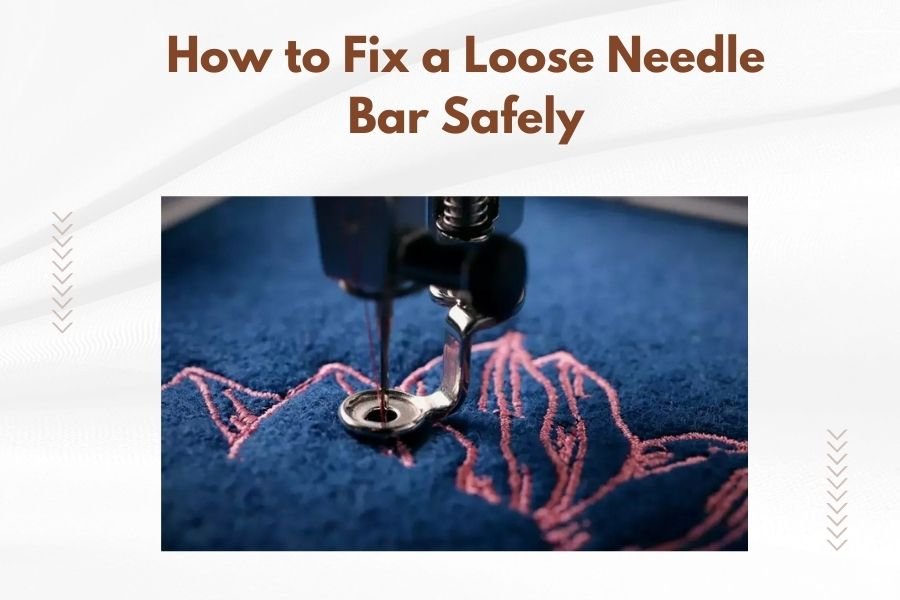
If the bar itself seems loose or moves out of position, see How to Fix a Loose Needle Bar Safely. A loose needle bar and damaged clamp threads are different problems, and the repair depends on which part has failed.
Can you repair stripped needle bar threads yourself?
Only follow a home repair if the machine maker documents it for your model. Otherwise, leave thread repair or needle bar replacement to a qualified technician.
The bar is part of the needle-clamping system, so the screw must hold the needle in the correct position. A repair that changes the screw fit or alignment may cause the needle to sit off-center or strike nearby parts.
If it clicks against the bobbin hook, see why a sewing machine needle hits the bobbin hook.
Don't drill the hole, tap new threads, glue the screw in place, or force a larger screw as a general fix. Those methods can remove more material, complicate later service, or leave the needle insecure.
If the needle bar won't move at all, use the model-specific troubleshooting steps in How to Troubleshoot a Frozen Singer Needle Bar. Don't force a frozen mechanism while the clamp is already questionable.
How can a technician decide whether to repair or replace the bar?
A technician can inspect the bar, clamp, and screw together, then check the machine's service information for the correct parts and adjustment steps. Ask whether the damage is limited to the screw, the threaded hole, or the full needle bar.
The right repair depends on the machine model and how much material is damaged. Get an estimate before authorizing work if the machine is older or replacement parts are hard to find.
What can you do while waiting for service?
Keep the machine powered off and don't sew until the needle is secure. Store the screw and any loose parts in a small container so they don't get lost.
If the screw threads are intact and the manual permits routine needle changes, replace a bent or damaged needle with the correct type. The SCHMETZ Microtex size 80/12 has a slim acute point for precise stitching on woven fabrics and quilting.
A new needle won't restore stripped needle bar threads. Wait until the clamp holds securely and the machine is cleared for use.
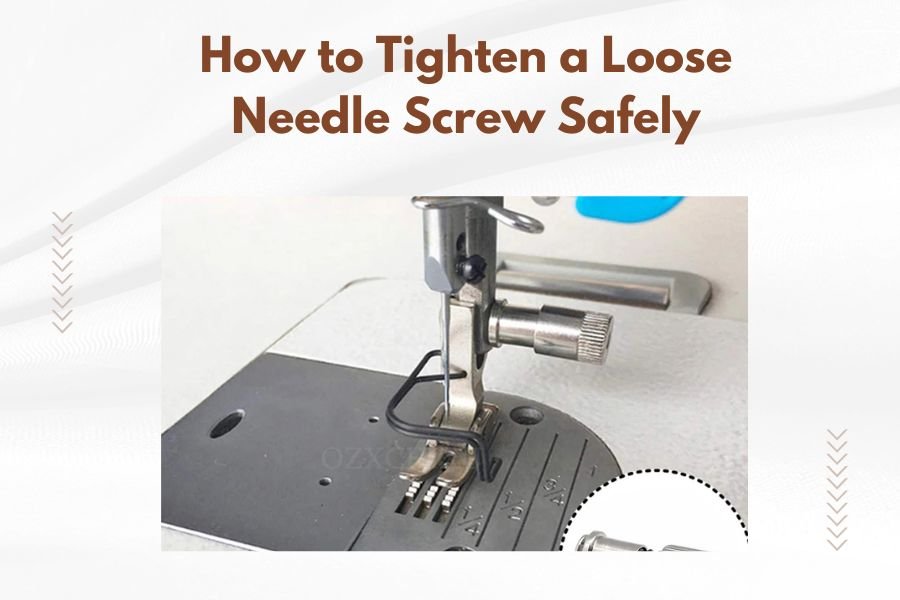
For a screw that loosens but still has intact threads, follow How to Tighten a Loose Needle Screw Safely. That guide covers proper tightening when the hardware is sound.
How do you prevent more damage to the clamp threads?
Use the correct screw and turn it gently by hand to start the threads. If it doesn't turn smoothly, stop and back it out rather than tightening against resistance.
Use the screwdriver type and tightening method specified in the manual. Avoid extra force, long-handled tools, and repeated tightening after the screw is already secure.
Don't leave the screw loose between needle changes. If it loosens again, inspect for damaged screw threads or a worn needle bar instead of tightening it harder.
A loose needle plate screw can also affect the needle area, but it is a separate part; see How to Tighten a Loose Needle Plate Screw if the plate itself moves.
Which supplies help once the clamp is safe again?
Replace only the part that is damaged, and keep the repair separate from routine sewing supplies. Needles and thread support sewing after service, while a hand needle threader helps with hand-sewing tasks.
The Bohin 81980 Super Automatic Needle Threader is designed for threading hand needles in sizes 1 through 11 and also has a magnetic needle picker.
It doesn't repair a machine's needle clamp or thread the machine needle. If a loose threader hook is your separate issue, see How to Fix a Loose Needle Threader Hook.
Coats & Clark All Purpose Sewing Thread is polyester thread for a range of sewing projects, including hand stitching.
Choose thread based on your fabric and project. Neither thread nor a fresh needle makes it safe to operate a machine with a clamp that cannot hold securely.
When should you stop and get the machine serviced?
Get service if the screw spins freely, the needle moves after tightening, or the threads show visible damage. Also stop if you hear a new clunk, see the needle strike the plate, or can't identify the correct replacement part.
Don't keep using the machine to see whether the problem improves. If timing or needle position seems affected after a repair, How to Time Your Quilting Machine Like a Pro explains why timing checks require care.
For worn out thread in a needle bar, choose service when the screw cannot hold the needle firmly. Resume sewing only after the correct screw and clamp parts fit securely and the machine moves without the needle striking nearby parts.
Frequently asked questions
Can I fix stripped threads in a needle bar at home?
A home repair is only appropriate if your machine's manual describes a repair or replacement procedure for the needle bar or clamp. If the screw spins without tightening, the needle shifts, or the threads look damaged, stop sewing and ask a qualified repair technician to inspect it.
Can I use a larger needle clamp screw?
Don't substitute a larger screw unless the machine maker specifies that exact part and procedure. A screw with the wrong diameter or thread pitch can damage the needle bar further, fail to hold the clamp, or make later service harder.
Why does my needle clamp screw keep coming loose?
A loose screw can come from incorrect installation, a damaged screw, dirt, or worn threads in the needle bar or clamp. Turn off the machine, remove the needle, and inspect the parts without forcing the screw; if it won't tighten securely, get the machine serviced.
Is threadlocker safe for a needle bar screw?
Use threadlocker only if your machine maker or repair technician recommends a specific type and method. Adhesive can interfere with later adjustment or service, and it won't restore stripped metal threads or make an unstable needle safe to sew with.