How to Replace a Broken Loops and Threads Spool Pin
Replace a broken or missing Loops and Threads spool pin by matching the original mount, securing a compatible replacement, and checking thread alignment before sewing. Stop using the machine if the pin is loose, cracked, or rubbing the spool.
On this page (10 sections)
- How do you identify the broken spool pin?
- Can you replace the pin without opening the machine?
- What is the safest repair process?
- What if the spool holder is the damaged part?
- Which needle helps after a spool-pin repair?
- When does a needle threader help?
- What thread should you use for the test seam?
- How do you tell a spool-pin problem from another thread problem?
- When should you stop and request service?
- What is the final check after replacing the pin?
Replace a broken or missing Loops and Threads spool pin by identifying how the original attaches, fitting a model-matched replacement, and checking the thread path before sewing. Do not glue a loose pin in place or run the machine with a spool that can wobble.
A spool pin holds the thread spool in position as the machine pulls thread toward the needle. If the pin is bent or absent, the spool can move, unwind unevenly, or drop into the machine.
How do you identify the broken spool pin?
Start by checking the spool pin, its base, and the surrounding machine housing. Look for a bent shaft, a cracked mounting point, a missing retaining piece, or a pin that turns when it should stay firm.
Unplug the machine before inspecting it. Remove the thread spool, spool cap, and any loose plastic pieces, then take clear photos of the top and underside of the mount.
Check whether the pin slides into a hole, screws into a threaded mount, locks into a slot, or attaches beneath the machine cover. This detail determines which replacement can work.
A missing pin may look like a thread problem at first. If the thread slips away from the spool, also read Why Your Machine is Not Holding the Thread before ordering a part.
Can you replace the pin without opening the machine?
You may be able to replace a removable spool pin without opening the machine. If the pin is built into the top housing or held beneath a cover, the repair may need model-specific instructions or service support.
Look at the manual for the machine's parts diagram and maintenance instructions. Match the replacement by model, mounting method, pin height, and the way the spool sits on the shaft.
Don't drill a new hole in the housing or enlarge the original opening. The pin must stay aligned with the thread path, and an off-center mount can cause the spool to pull sideways.
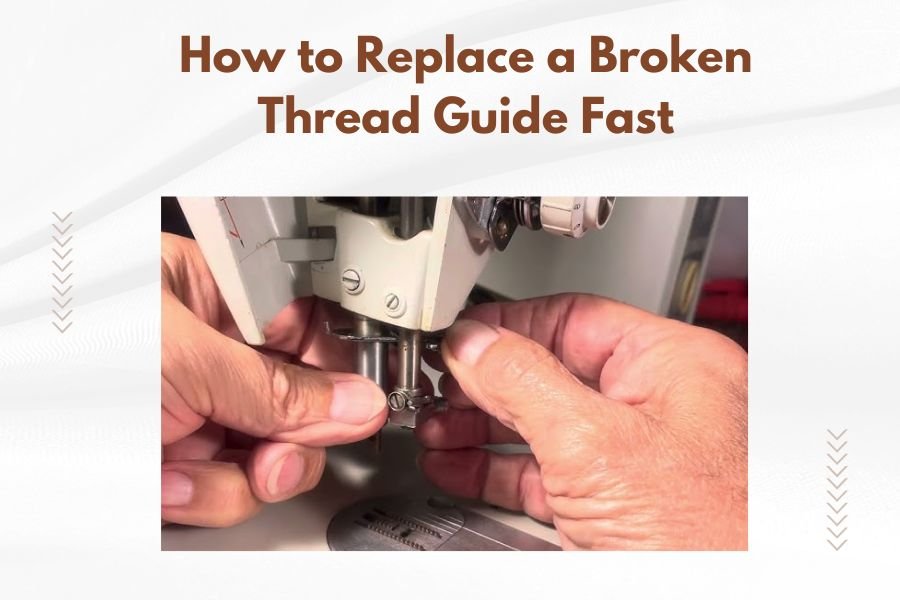
If the broken part is actually a thread guide, use How to Replace a Broken Thread Guide Fast instead. A guide and a spool pin control different parts of the thread path.
What is the safest repair process?
The safest process is to unplug the machine, remove loose fragments, match the replacement, install it gently, and test the thread path by hand.
- Unplug the machine and remove the spool.
- Photograph the broken mount before removing any attached part.
- Check the manual for the machine model and spool-pin layout.
- Remove only the part the instructions identify as removable.
- Fit the replacement without forcing or bending it.
- Place an empty spool on the pin and turn the handwheel slowly.
- Thread the machine and pull thread by hand before using the foot control.
- Sew a few slow stitches on scrap fabric.
The thread should unwind smoothly without the spool rocking into the machine body. Stop if the pin shifts, the thread catches, or the spool rubs against the housing.
If the mount is cracked, the top cover is damaged, or the replacement does not lock in place, contact Loops and Threads support through Michaels before attempting a housing repair.
What if the spool holder is the damaged part?
Replace the spool holder when the shaft is intact but the spool cannot stay centered. A holder or cap keeps the spool positioned, while the pin provides the support underneath it.
Use the holder designed for the machine's spool shape and pin size. Do not substitute a loose washer, tape, or a piece of cardboard that can shed fibers into the machine.
A mini machine may use a different spool support than a full-size machine. If your machine is compact, compare the repair with this guide to a mini machine spool holder broken before fitting parts.
Which needle helps after a spool-pin repair?
A fresh needle helps you check stitch formation after the repair, but it does not replace a damaged spool pin. Choose the needle for the fabric and the stitch task, then test slowly after confirming that the thread feeds evenly.
The SCHMETZ Microtex needle is a size 80/12 needle with a slim acute point. It comes as a 5-needle card and suits domestic sewing machines, including detailed work on microfiber, polyester, silk, foils, artificial leather, coated materials, cork, batik, bamboo, cotton, and woven fabrics.
Replace the needle if it is bent, dull, or damaged. A new needle can make a stitch test easier to read, but it cannot correct thread that is leaving the spool at the wrong angle.
When does a needle threader help?
A needle threader helps after the spool pin and thread path are working correctly. It supports hand threading when you need to finish a seam, secure a thread tail, or inspect stitches without repeatedly straining to see the needle eye.
The Bohin 81980 Super Automatic Needle Threader is a plastic, 1-count tool designed for needle sizes 1 through 11. It has an orange finish, measures about 3 x 2 x 1.25 in, and is intended for sewing, quilting, embroidery, and other textile crafts.
Use the threader gently and keep it in a dry sewing area. It is for hand needles, not a replacement for correct upper threading through the machine.
What thread should you use for the test seam?
Use thread that feeds smoothly and matches the machine's normal sewing setup. If polyester thread slips during sewing, see why polyester thread feels slippery.
A test seam can show whether the repaired pin keeps the spool stable, but it cannot confirm that the repair will hold under every fabric or speed.
Coats & Clark All Purpose Sewing Thread is white, 100% polyester, medium weight 35wt thread. The package contains 6 spools, each with 400 yd, for sewing machines and hand stitching.
Place the spool on the repaired pin and watch the first few inches of thread as you turn the handwheel. The spool should rotate without lifting, scraping, or pulling the pin sideways.
If the thread breaks near the spool, recheck the spool direction, cap, upper guide, and tension path. A damaged thread guide or tension spring can look like a spool-pin failure.
How do you tell a spool-pin problem from another thread problem?
A spool-pin problem affects how the spool sits and unwinds. A thread guide problem affects the route after the spool, while a tension problem affects how firmly the thread is controlled.
Check the spool pin when the spool rocks, falls off, rubs the housing, or spins unevenly. Check the guides when the thread jumps out of its route or catches at a small metal hook.
For a damaged tension part, see How to Replace a Broken Thread Tension Spring. If the lower thread area is involved, How to Replace a Broken Bobbin Case Spring covers a different repair.
Do not adjust tension to compensate for a pin that is visibly broken. Fix the mechanical support first, then thread the machine again from the beginning.
When should you stop and request service?
Stop when the housing is cracked, the mounting point is hidden under a cover, wiring is nearby, or the replacement part does not match the original attachment. These signs mean the repair may involve more than a removable spool pin.
Also stop if the handwheel feels tight, the needle strikes the presser foot, or the spool pin moves during a slow test. Unplug the machine and keep the loose parts together for support.
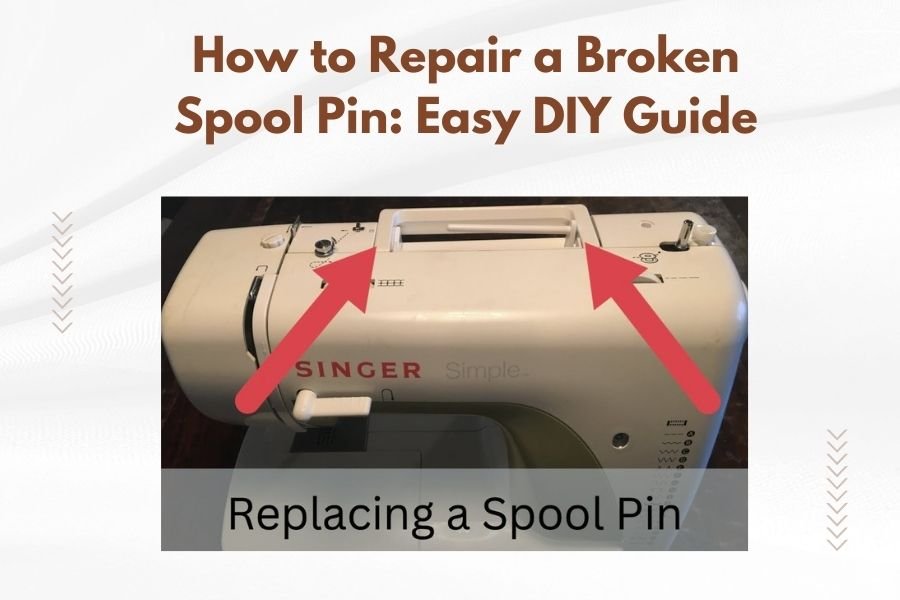
For a pin that is fully broken at the base, How to Repair a Broken Spool Pin: Easy DIY Guide can help you compare repair options before deciding whether service is needed.
What is the final check after replacing the pin?
The final check is simple: the spool stays centered, the thread feeds evenly, and the needle forms consistent stitches at low speed. Confirm those points before returning to normal sewing speed.
Choose the SCHMETZ Microtex needle when precise stitching on the selected fabric matters. Choose the Bohin threader for hand-needle work, and use Coats & Clark thread when a white, medium-weight polyester test thread suits the project.
If the pin still shifts, stop using the machine and request model-specific support. A correct replacement must fit the mount, hold the spool securely, and keep the thread aligned from spool to needle.
Frequently asked questions
Can I sew with a broken Loops and Threads spool pin?
Avoid sewing until the pin is stable or replaced. A loose spool can wobble, change the thread path, pull thread unevenly, or fall into the machine.
Check the pin mount, spool support, and nearby thread guides before testing the machine at low speed.
Can I use a universal spool pin on a Loops and Threads machine?
Only use a replacement that matches the original mounting method, shaft size, height, and spool support. Loops and Threads machines can differ, so compare the machine manual, the broken part, and the replacement instructions before fitting anything.
Why does my thread keep slipping off the spool pin?
The pin may be too short, bent, loose, or missing its retaining cap. The spool may also be facing the wrong way or missing a spool holder.
If the thread path looks correct, inspect the pin mount and use the machine's recommended spool support.
What should I do if the replacement spool pin does not fit?
Do not force the part into the machine. Remove it, compare the mounting points and dimensions with the original, and contact Michaels or Loops and Threads support for model-specific guidance.
A forced repair can crack the housing or leave the spool misaligned.