Cotton vs Polyester Quilt Batting: Which Should You Choose? (November 2026)
Choose polyester for loft, quick drying and easy washing, and choose cotton for a flatter drape and natural feel. In cotton vs polyester quilt batting, the best pick depends on how warm, puffy and washable you want the finished quilt to be.
On this page (13 sections)
- Cotton vs polyester quilt batting side by side
- Warmth: which fiber keeps a quilt cozy?
- Drape and feel: flat quilt or puffy quilt?
- Washing and drying: which batting is easier to care for?
- Quilting distance and stitch visibility
- Hand quilting vs machine quilting
- Size and project fit
- Cotton vs polyester quilt batting for babies and lap quilts
- Blends, scrim and construction
- Natural, organic and made in the USA choices
- Brand picks and product fit
- Who should buy which?
- Final verdict on cotton vs polyester quilt batting
Choose polyester for puff and fast drying, and cotton for a flat natural drape. Cotton vs polyester quilt batting is really a choice about loft, warmth, washing and how the quilt will be used after it is finished.
Our score weighs specs, features and buyer feedback against what you're shopping for. We compared the materials, sizes, quilting distances and care notes for the four battings in this guide.
Polyester wins for visible relief and easy care in small quilts. Cotton wins when you want the quilt to lie closer to the body with a softer, less puffy hand.
 Best for small puffy quilts
Fairfield Poly-Fil Extra-Loft Quilt Batting
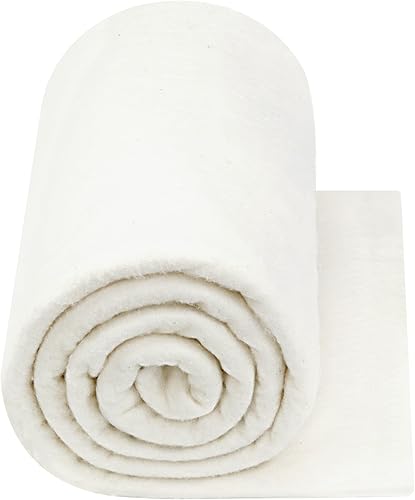 Best for large natural quilts
PLANTIONAL 79x91 Natural Cotton Batting for Quilting
Cotton vs polyester quilt batting side by side
Cotton gives a flatter, denser quilt, while polyester gives more loft and relief. The table below keeps the choice tied to real sizes and uses, not just fiber names.
| Feature | Polyester pick | Cotton picks |
|---|---|---|
| Product | Fairfield Poly-Fil Extra-Loft Quilt Batting | PLANTIONAL natural cotton battings |
| Material | 100% polyester | 100% cotton |
| Sizes here | 45 x 60 in | 47 x 59 in and 79 x 91 in |
| Best project | Lap blankets, crib quilts, tied quilts | Bed quilts, pot holders, wearable arts |
| Quilting use | Machine or hand quilting, trapunto | Hand quilting and general quilting |
| Care | Washable, retains loft, dries quickly | Wash after quilting, cold water, low heat |
| Look | Medium loft, pronounced relief | Flatter, even, natural softness |
The Fairfield batting measures 45 x 60 in and is made for small, crib-sized projects. The PLANTIONAL cotton options come in 47 x 59 in for smaller quilts and 79 x 91 in for larger bed quilts.
That size gap matters before fiber does. A small polyester batting will not cover a bed quilt, and a large cotton batting may be harder to handle for a crib quilt.
If you want a full buying overview first, our quilt batting guide explains sizes and types in one place. It helps you match the batting to the quilt size before you compare fibers.
Warmth: which fiber keeps a quilt cozy?
Polyester gives warmth through loft, while cotton gives warmth through density and natural softness. Neither fiber is automatic for every quilt, since thickness and design change the result.
Fairfield describes its polyester batting as lightweight with a medium loft. That loft traps air and creates relief, which suits a lap blanket or baby quilt where puff is wanted.
PLANTIONAL describes its cotton batting as soft and warm for all-season quilting. The 79 x 91 in cotton option is listed at 200g/m2, which gives a sense of density for a bed quilt.
A crib quilt for a warm room may need less warmth than a lap quilt for cool evenings. Choose the loft and weight for the room and season, not just the fiber label.
For a low, flat warmth, our roundup of best low loft polyester quilt batting shows polyester options that sit closer to the quilt. For cotton, the best low loft cotton quilt batting link points to flatter natural choices.
Drape and feel: flat quilt or puffy quilt?
Choose cotton for a quilt that drapes close, and polyester for a quilt that stands out with relief. Drape decides how the quilt feels on a bed, chair or lap.
Cotton batting has a flat and even texture, according to PLANTIONAL. That even surface helps you cut it to size and layer it without worrying about uneven tearing.
Polyester batting has an even give in both directions, according to Fairfield. That give helps with hand quilting and gives the stitches room to show.
A wall quilt, table runner or pot holder often looks best with less loft. A baby quilt or lap blanket often looks best with more relief.
Our best quilt batting white guide helps when color matters for light fabrics. White batting suits light tops, while a darker top may need a different color choice.
Washing and drying: which batting is easier to care for?
Polyester is easier for fast drying, while cotton needs gentler washing and more drying time. Care rules should decide the pick if the quilt will be washed often.
Fairfield says quilts made with its polyester batting are washable after quilting, retain loft and dry quickly. That suits baby quilts and lap blankets that go through the wash.
PLANTIONAL says do not pre-wash its cotton batting before quilting. After the quilt is done, wash it in cold water with a small amount of liquid soap and tumble dry on low heat.
Cotton batting may look thin and less soft when first opened because of compression packaging. You can pat it to restore its fluffy look, or quilt it at that stage.
For pressing questions, see can i iron quilt batting before you apply heat. Some batting responds well to light pressing, while other batting should be handled with care.
Quilting distance and stitch visibility
Polyester extra-loft batting needs quilting every 2 to 4 inches, while cotton suits denser, flatter stitch patterns. Stitch spacing affects both hold and look.
Fairfield gives a recommended quilting distance of 2 to 4 in for its Poly-Fil Extra-Loft batting. That spacing helps keep the loft even and lets the pattern show.
PLANTIONAL says its ground cotton batting can be quilted up to 4 inches apart. It also says fabric will cling to it while quilting, which helps during hand work.
Wide spacing shows loft and texture. Close spacing holds the layers firm and reduces movement in the wash.
If you quilt by hand, our guide to the best quilt batting for hand quilting helps you match needle work to batting type. It explains why relief and surface matter for stitching.
Hand quilting vs machine quilting
Polyester suits machine quilting and tied quilts, while cotton suits hand quilting where surface and drape matter. The way you quilt should shape the fiber choice.
Fairfield says its polyester batting is ideal for machine or hand quilting, trapunto and tied quilts. It also says the medium loft gives pronounced relief when hand quilting.
That relief helps beginners see their stitches. It also helps trapunto and tied quilts hold a puffy shape.
PLANTIONAL says its ground cotton batting is treated to prevent fuzzing and ensure a smooth texture for hand sewing. It says the batting is soft, comfortable and machine washable after quilting without wrinkling or bearding.
For a related question, see Can You Quilt with Polyester Batting?. That guide explains when polyester works well and when cotton may be a better fit.
Size and project fit
Choose size first, then fiber. The right batting must cover the quilt top and backing with room to trim, and a small size will not work for a large quilt.
Compare quilt batting rolls by their dimensions before buying.
The Fairfield polyester batting is 45 x 60 in. Fairfield positions it for small, crib-sized projects, baby quilts and small lap blankets.
The PLANTIONAL cotton batting in 47 x 59 in fits crib quilts, pot holders, crafts and wearable arts. The 79 x 91 in cotton batting fits larger quilts, backing and bed projects.
Cutting a small batting to fit is easy. Stretching a small batting to cover a large quilt is not an option.
Our best lightweight quilt batting guide helps for quilts that should stay light. A lightweight batting can make a large quilt easier to handle and wash.
Cotton vs polyester quilt batting for babies and lap quilts
Polyester often suits baby and lap quilts that need loft and frequent washing. Small quilts benefit from relief, quick drying and easy care.
The Fairfield batting is hypoallergenic and made for baby quilts and small lap blankets. It is breathable and lightweight, with medium loft for visible stitch relief.
A baby quilt may be washed more often than a decorative quilt. Fast drying helps you get it back into use sooner.
Cotton also works for baby quilts when you want a flatter, natural feel. The PLANTIONAL cotton options are described as soft and warm, with even distribution for comfort.
For a small natural quilt, look at the best low loft batting for quilts guide to compare flatter options. Loft should match the quilt use, not default to the puffiest batting.
Blends, scrim and construction
Blends and scrim can change how batting handles, so check construction before you buy. Fiber alone does not tell the whole story.
Fairfield describes its polyester batting as 100% bonded polyester. Bonding helps hold the fibers in place and keep the batting even.
PLANTIONAL describes its cotton pads as dense and even, with cotton spread evenly for comfort and durability. Its ground cotton option adds a surface treatment to reduce fuzzing.
For blends, read Can You Quilt with Cotton and Polyester Mixed?. A blend may balance cotton drape with polyester ease of care.
For construction terms, see what is scrim in quilt batting. Scrim is a thin net-like layer that can hold fibers together and reduce shifting.
Natural, organic and made in the USA choices
Choose natural cotton for fiber preference, and check origin claims for polyester. The best pick depends on what matters most to you.
PLANTIONAL uses 100% cotton in its battings here. Cotton appeals to quilters who want a natural fiber and a flatter quilt.
Fairfield says its polyester batting is made in the USA. That may matter if you prefer domestic production.
For other natural options, see our organic quilt batting reviews. They compare battings by fiber source and feel.
For domestic polyester and cotton options, see best quilt batting made in usa. That guide helps when origin is part of the decision.
Brand picks and product fit
Choose Fairfield for small polyester loft, and PLANTIONAL for cotton in small or large sizes. Each product below fits a different quilt size and feel.
For brand-specific options, see the best mountain mist quilt batting guide and the best hobbs quilt batting guide. Those guides help when you already know a brand you trust.
For higher loft, see the best high loft batting guide. Extra loft changes the look and care of the quilt, so choose it on purpose.
For dark quilts, see the best black quilt batting guide. Batting color can show through light or dark fabrics in different ways.
For bamboo fiber, see the best bamboo quilt batting guide. It is another natural option when cotton is not the fit.
Who should buy which?
Buy polyester for small, puffy, washable quilts and cotton for flat, natural bed quilts. Use this section as a quick decision rule.
Buy the Fairfield Poly-Fil if you make crib quilts, lap blankets, tied quilts or trapunto. Its 45 x 60 in size, medium loft and 2 to 4 in quilting distance suit small projects.
Buy the PLANTIONAL 79 x 91 in cotton if you make a large bed quilt and want natural softness. Its size and 200g/m2 density fit a bigger quilt.
Buy the PLANTIONAL 47 x 59 in cotton if you want a light natural layer for a small quilt. It is easier to handle than the large cotton size.
Buy the PLANTIONAL ground cotton if you quilt by hand and want a smooth surface. The grinding treatment reduces fuzzing and helps fabric cling while you stitch.
Skip polyester if you want the flattest quilt and a natural fiber. Skip cotton if you need fast drying and strong loft for a small puffy quilt.
Final verdict on cotton vs polyester quilt batting
Pick polyester for loft, relief and fast drying, and pick cotton for drape, natural softness and a flatter quilt. Cotton vs polyester quilt batting comes down to the finished look and care you want.
For a baby quilt or lap blanket, the Fairfield polyester batting is the clear pick here. Its size, loft and wash care fit small quilts that get used and washed often.
For a bed quilt, the PLANTIONAL 79 x 91 in cotton batting is the better fit. Its large size and natural cotton feel suit a quilt that should lie close and warm.
For a small cotton quilt, choose between the standard PLANTIONAL cotton and the ground cotton version. Choose ground cotton for hand sewing and a smooth surface.
Our score weighs specs, features and buyer feedback against what you're shopping for. Check the exact inches before you order, since batting size must match your quilt size.
Frequently asked questions
Is cotton or polyester better for quilt batting?
Polyester is better when you want loft, relief and quick drying, while cotton is better when you want a flatter, more natural drape. Choose by the finished look and how the quilt will be washed and used, not by fiber alone.
Can you quilt with polyester batting?
Yes, you can quilt with polyester batting for machine or hand quilting, tied quilts and trapunto. The Fairfield polyester batting here is made for those uses, with a recommended quilting distance of 2 to 4 inches.
Can you quilt with cotton and polyester mixed?
Yes, some battings blend cotton and polyester to balance drape, loft and care. Check how the blend is made and how it washes, since the mix ratio and bonding change the feel and warmth of the finished quilt.
Which batting is warmer, cotton or polyester?
Warmth depends on loft, thickness and quilt design as much as fiber. Polyester extra-loft batting gives more puff, while dense cotton batting gives steady all-season warmth with a flatter profile.
Do you pre-wash quilt batting?
The PLANTIONAL cotton battings here should not be pre-washed before quilting. Wash the finished quilt in cold water with a small amount of liquid soap, then tumble dry on low heat.


