9 Best Quilt Batting for Hand Quilting (November 2026)
The best quilt batting for hand quilting include the The Warm Company for large heirloom quilts, the Fairfield Poly-Fil Extra-Loft Quilt Batting for high loft on small quilts, and the PLANTIONAL 79x91 Natural Cotton Batting for Quilting for a large flat cotton layer.
On this page (8 sections)
- How we compared quilt batting for hand quilting
- The best quilt batting picks for hand quilting
- Which quilt batting for hand quilting gives the easiest needle passage?
- How do you choose quilt batting for hand quilting by stitch definition?
- How do you size quilt batting for hand quilting?
- Cotton or polyester: which is the best quilt batting for hand quilting?
- How do you prepare and care for quilt batting for hand quilting?
- Our verdict: the best quilt batting for hand quilting
The best quilt batting for hand quilting is The Warm Company Warm & Natural in King size, because it pairs loose cotton-fiber hand with a scrim that keeps the layer stable. You can stitch up to 10 inches apart, which suits large blocks and open designs.
Fairfield Poly-Fil is the pick if you want a lofter, more raised stitch look on a small quilt.
Our score weighs specs, features and buyer feedback against what hand quilters need: easy needle passage, stitch definition, stable spacing and the right size for the quilt. Cotton and polyester both have a place, and the size you buy should match the quilt top plus a few inches of extra on each side.
Compare Quilters Dream batting options for another look at cotton and polyester blends.
Start with our complete quilt batting buying guide if you are new to batting types. For fiber choice, read our guide to cotton vs polyester quilt batting before you compare the picks below.
Our picks at a glance
-
1

-
2
 Best for high loft on small quilts
Fairfield Poly-Fil Extra-Loft Quilt Batting
9.6/10 our score
See it on Amazon -
3
 Best for a large flat cotton layer
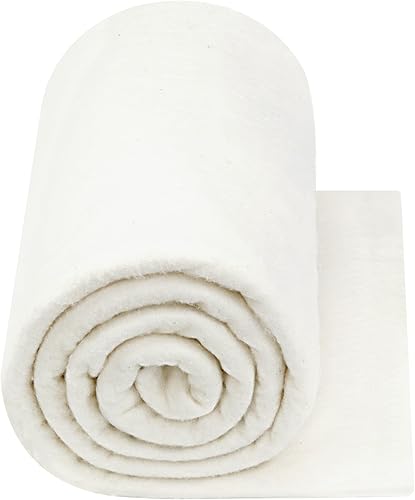
PLANTIONAL 79x91 Natural Cotton Batting for Quilting
9.5/10 our score
See it on Amazon
- 4Check it
PLANTIONAL Natural Cotton Batting for Quilts
Best for crib and wall sizes - 5
 Check it
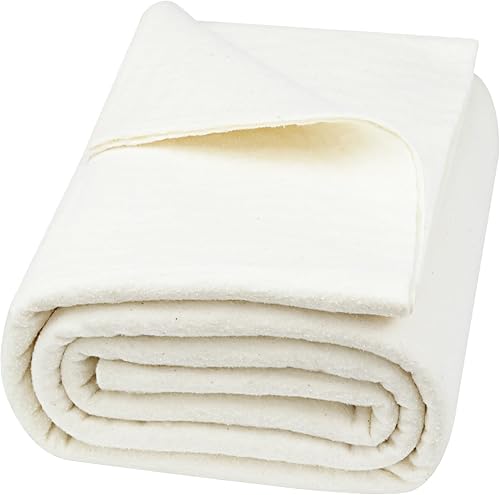
PLANTIONAL 79 x 91 Grinding Natural Cotton
Best for a smooth surface finish - 6
 Check it
FIVEIZERO 100% Natural Cotton Quilt Batting–47inx1yd Batting
Best for cut-to-length projects - 7
 Check it
Zipcase 90 Inches X 108 Inches Queen
Best for queen size value - 8
 Check it
RRKTP Cotton Batting for Quilting,200 g/m² Lightweight
Best for small detailed work - 9
 Check it
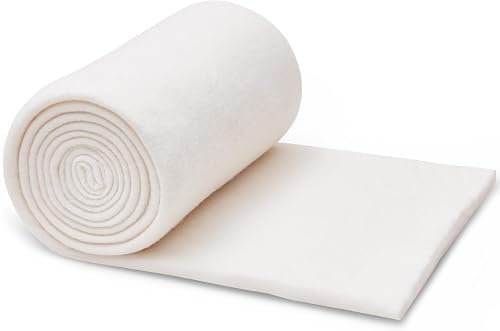
RRKTP Natural Cotton Batting for Quilting
Best for continuous yardage
How we compared quilt batting for hand quilting
We compared fiber, loft, quilting spacing, size and care notes for each batt. Hand quilting puts different demands on batting than machine quilting, so needle passage and stitch definition came first.
A batt that is too dense can make each stitch a fight. A batt with too little loft can hide your stitches.
If extra puff is your goal, compare high loft quilt batting.
The best balance depends on your quilt size, your stitch size and how often the finished quilt will be washed.
We also checked how the batt behaves when cut. Hand quilters often trim batting after basting, so clean cutting and even fill matter.
Several picks use a flat, even texture for that reason.
We paid close attention to stated quilting distance because that number tells you how much work the batt can handle between stitch lines. A wide allowance suits large blocks and less dense designs.
A narrow allowance suits smaller blocks and more frequent washing.
We also compared how each batt is packed and how it recovers. Compression packaging can flatten cotton for shipping, and the recovery time affects when you can baste and start stitching.
Care notes on shrinkage matter for the same reason.
If you plan echo work by hand or on a machine, our Master Echo Quilting on Your Sewing Machine guide pairs well with these spacing notes. For slow stitching styles, see Sashiko Stitching: Use Your Quilting Machine for another way to plan stitch spacing.
The best quilt batting picks for hand quilting
The Warm Company leads for large quilts, Fairfield leads for loft on small quilts, and the PLANTIONAL and RRKTP cotton batts fill the middle for flat layers and cut-to-size work. Each write-up below explains who the batt suits and the trade-off against the others.
The Warm Company: Best for large heirloom quilts
- King size 120 x 124 in
- Needle-punched cotton with fine scrim
- Quilt up to 10 in apart
- Ivory, breathable cotton
A scrim-stabilized king-size cotton batt that holds together for widely spaced hand quilting on large quilts.
Pros
- Wide quilting spacing
- Scrim limits shifting
- King coverage in one piece
Cons
- Large piece needs space to handle
- About 3% shrinkage in cold water
The Warm Company suits hand quilters making a large bed quilt, heirloom quilt or wall hanging who want one king-size piece. At 120 x 124 inches, it covers oversized quilts without piecing two batts together.
The ivory cotton layer is breathable and lightweight for its size at 3.1 pounds.
Its cotton is needle-punched with a fine scrim. That scrim keeps fibers from shifting or tearing as you pass a needle through the three layers.
You can quilt up to 10 inches apart, which is wider than any other pick here. That spacing helps on large blocks where you want fewer stitch lines.
The trade-off is handling. A king piece is bulky on a small frame or hoop, so you need table space to spread and baste it.
The Warm Company notes about 3% shrinkage in cold water, and up to 5% in warm water for a puckered look. It is ready to use from the package without prewashing.
Tiny plant fibers may remain because the cotton is mechanically cleaned. Many hand quilters like that natural character.
If you want to know what is scrim in quilt batting, this is a clear example of why it helps.
Fairfield Poly-Fil Extra-Loft Quilt Batting: Best for high loft on small quilts
- 45 x 60 in
- 100% polyester, medium loft
- Recommended quilting distance 2 to 4 in
- White, lightweight and breathable
A lofty polyester batt for crib quilts and lap blankets where pronounced relief helps show hand stitches.
Pros
- Pronounced relief for stitch definition
- Lightweight and quick to dry
- Small size is easy to manage
Cons
- Quilting spacing is closer than cotton picks
- Small size does not suit bed quilts
Fairfield Poly-Fil suits beginners and anyone quilting a crib quilt, lap blanket or small wall hanging by hand. At 45 x 60 inches, it is easy to manage in a hoop or small frame.
At 7.68 ounces, it is also light to lift and turn as you work around the design.
Its medium loft gives pronounced relief around each stitch. That relief makes hand stitches easy to see, which helps new quilters judge spacing and keep lines even.
The polyester is 100% bonded, hypoallergenic and breathable. It has an even give in both directions for hand or machine quilting.
The trade-off is spacing. Fairfield recommends quilting 2 to 4 inches apart, so you need more stitches than with the scrim-stabilized cotton pick.
It also will not cover a twin or larger quilt. Trapunto and tied quilts are listed as good uses because the loft supports those techniques.
Pick this when stitch visibility matters more than wide spacing. Pick the cotton king batt when you want a flatter drape and fewer stitches on a large quilt.
PLANTIONAL 79x91 Natural Cotton Batting for Quilting: Best for a large flat cotton layer
- 79 x 91 in
- 200 g/m2 cotton
- Flat, even texture for cutting
- Lightweight, all season
A large cotton batt with a dense, even fill that cuts cleanly and layers without tearing.
Pros
- Large coverage
- Even, dense fill
- Easy to cut to size
Cons
- May look thin after compression packaging
- No stated wide spacing limit
PLANTIONAL 79 x 91 suits hand quilters who want a large cotton layer at a straightforward spec. At 200 g/m2, the fill is dense and even, so it cuts without thin spots or uneven tearing.
The 79 by 91 inch size covers many twin and larger tops with room to trim.
The flat texture helps you layer top, batting and backing with less fighting. It is described as soft, fluffy and resistant to tearing, which matters when you baste and then stitch by hand over several days.
The cotton is lightweight and aimed at all season comfort.
The trade-off is first impression. Compression packaging can make it look thin and less soft when you open it.
You can pat it to restore loft, or quilt it as it is and let the finished quilt bloom after washing. At 600 grams, it is substantial but still easy to cut to size.
PLANTIONAL says do not prewash before quilting. Wash the finished quilt in cold water with a small amount of liquid soap, then tumble dry on low and dry thoroughly in the sun.
PLANTIONAL Natural Cotton Batting for Quilts: Best for crib and wall sizes
- 47 x 59 in
- 100% cotton, lightweight
- Flat and even for cutting
- All season comfort
A smaller cotton batt sized for crib quilts, wall hangings and craft projects that are easy to hoop.
Pros
- Manageable size for small quilts
- Lightweight cotton
- Cuts without uneven tearing
Cons
- Too small for twin and larger quilts
- Compression can flatten it at first
PLANTIONAL 47 x 59 suits crib quilts, wall hangings, pot holders and wearable art. The smaller size fits a hoop or small frame, so you can keep tension even while you stitch.
It is a practical choice when a full bed size batt would be hard to manage.
It is 100% cotton and lightweight, with a flat, even texture that is easy to cut and layer. Dense cotton pads are designed to stay together and wash after quilting without disassembly.
That even spread helps bedding and craft projects hold their shape.
The trade-off is size. This batt will not cover a lap quilt much larger than 47 x 59 inches, so measure your finished top before you buy.
PLANTIONAL lists larger sizes in the same line, including 59 by 79 and 79 by 91 inches, so check the size you need for your quilt.
Like the other PLANTIONAL cotton batts, do not prewash it. Compression may flatten it at first, and patting helps restore a fluffy look before you quilt.
Wash cold after quilting and tumble dry on low.
PLANTIONAL 79 x 91 Grinding Natural Cotton: Best for a smooth surface finish
- 79 x 91 in
- 200 g/m2 grinding cotton
- Surface treated to limit fuzzing
- Quilt up to 4 in apart
A thicker, smoother cotton batt for hand quilting when you want less surface fuzz and clear stitches.
Pros
- Smooth surface for hand sewing
- Thicker than standard cotton batts
- Large size
Cons
- Spacing limit is 4 in
- Heavier feel at 0.95 kg
PLANTIONAL grinding cotton suits hand quilters who want a smoother batting surface. The grinding treatment limits fuzzing and gives a smooth texture that helps the needle glide and stitches read clearly.
That surface treatment is the main difference from the standard PLANTIONAL cotton batts.
At 79 x 91 inches and 200 g/m2, it is thicker than standard cotton batts in this group. That extra thickness gives warmth and a soft hand, while the smooth surface helps with hand sewing.
PLANTIONAL notes it can be used for hand quilting, all season comforters, crafts and costume arts.
The trade-off is spacing and weight. PLANTIONAL says quilt up to 4 inches apart, which is much closer than the scrim-stabilized king pick.
At 0.95 kg, it also feels heavier in the hoop as you turn a large quilt over several sessions.
Choose it for a smooth, warm layer on a twin or larger quilt. Choose the scrim cotton pick if you want wider spacing and a lighter drape.
FIVEIZERO 100% Natural Cotton Quilt Batting–47inx1yd Batting: Best for cut-to-length projects
- 47 in wide, 1 yd length
- 100% natural cotton, low loft
- Unbleached and chemical-free cotton
- Supports hand and machine quilting
A low-loft cotton yardage option you can cut for cushions, bags and small quilts without piecing.
Pros
- Cut to your length
- Low loft is easy to layer
- Breathable natural cotton
Cons
- One yard length limits full quilts
- Allow 48 hours to regain loft
FIVEIZERO suits makers who cut batting for cushions, bags, placemats and small quilts. At 47 inches wide by 1 yard, you can cut exactly the length you need without piecing.
The listing also offers 2, 3 and 4 yard lengths for larger projects.
It is 100% natural cotton, unbleached and chemical-free, with a low-loft profile that is easy to cut, shape and layer. Low loft also means the needle passes with less drag on small hand projects.
The material is described as soft, odorless and breathable for handmade textiles.
The trade-off is length. One yard will not cover a full bed quilt, so this pick is for small and medium projects.
FIVEIZERO lists longer yard options, so check the length before you order. At 0.22 kg for one yard, it is easy to store and handle.
Vacuum packaging compresses the batt. Allow at least 48 hours to regain loft, and pat or shake it gently to help.
Do not prewash before quilting. Machine wash after quilting is completed.
Zipcase 90 Inches X 108 Inches Queen: Best for queen size value
- 90 x 108 in queen
- Fiber blend, heavyweight warmth
- Less than 2% shrinkage
- Needle cotton fiber
A queen-size blend batt with firm edges and low shrinkage for hand quilting where warmth matters.
Pros
- Queen size in one piece
- Firm edges for cutting
- Low shrinkage
Cons
- Heavier warmth than lightweight cotton
- Do not prewash or iron before quilting
Zipcase suits hand quilters making a queen quilt who want warmth and a firm edge. At 90 x 108 inches, it covers a queen top in one piece with room to trim.
That single piece avoids a pieced seam across the middle of the quilt.
The fiber blend is described as heavyweight for warmth, with needle cotton fiber that locks in heat. Zipcase notes less than 2% shrinkage and a structure that should not tear apart during quilting.
The batt is aimed at winter use and napping comfort.
The trade-off is warmth level. This is a winter-weight pick, so it may be too warm for a summer or all-season quilt.
The blend also feels different from pure cotton, with more body in the hand. The description lists the material as 80% natural cotton and 20% fine polyester.
Zipcase says do not prewash or iron before quilting. The edges are relatively firm, and serrated shears can help with large cuts.
Wrap edges if you see fraying.
RRKTP Cotton Batting for Quilting,200 g/m² Lightweight: Best for small detailed work
- 50 x 60 in crib size
- 100% cotton, 200 g/m2 lightweight
- Flat, even texture
- Easy to needle and layer
A lightweight crib-size cotton batt for baby quilts, runners and detailed hand work.
Pros
- Lightweight for small quilts
- Smooth finish without clumping
- Easy to cut and layer
Cons
- Crib size only for larger quilts
- Do not prewash
RRKTP 50 x 60 suits baby quilts, wall hangings, table runners and pot holders. The crib size is easy to baste and stitch in a hoop, and the lightweight fill will not overwhelm small designs.
At 14 ounces, it is easy to lift and reposition.
At 200 g/m2 and 100% cotton, it is soft, breathable and warm without heaviness. RRKTP describes it as easy to needle, cut and layer, with a flat, even texture for clean stitches.
The fill is meant to stay smooth without tearing or clumping during quilting.
The trade-off is quilt size. This batt is made for small projects, so it is not a choice for twin or larger quilts.
It also has no stated wide spacing limit, so keep stitches reasonably close to hold the cotton in place on washed pieces.
Do not prewash it. After quilting, machine wash cold with mild detergent and tumble dry on low.
RRKTP says the cotton becomes softer and fluffier after use.
RRKTP Natural Cotton Batting for Quilting: Best for continuous yardage
- 48 in wide by 5 yards
- 100% cotton, lightweight
- Microwave safe for bowl cozies
- Continuous cut
A continuous cotton roll for potholders, bowl cozies and quilts where you want no piecing.
Pros
- Continuous 5-yard length
- Microwave safe option
- Lightweight and easy to cut
Cons
- Roll format needs storage space
- Allow 1 to 3 hours to expand after opening
RRKTP natural cotton roll suits makers who want continuous yardage for a quilt, potholders or bowl cozies. At 48 inches wide by 5 yards, you can cut several projects from one continuous piece.
That length helps when you want the same batt across a set of matching pieces.
It is 100% cotton and lightweight, with an even texture that supports smooth sewing and a soft finish. The continuous cut means no piecing seams in the middle of a larger project.
RRKTP describes it as breathable and gentle on skin for quilting and crafts.
The trade-off is storage. A 5-yard roll needs space to store and unroll, unlike a folded batt.
At 2.25 pounds, it is manageable but longer than a pre-cut piece. Vacuum compression may also leave creases that need time to relax.
RRKTP says it is microwave safe for bowl cozies and potholders. Never leave a microwave unattended when using it.
Allow 1 to 3 hours to expand in a well-ventilated area after opening, and do not prewash.
Which quilt batting for hand quilting gives the easiest needle passage?
Low-loft cotton and scrim-stabilized cotton usually give the easiest needle passage for hand quilting. A thinner, even batt lets the needle slide with less drag, so your wrist tires less on long sessions.
The Warm Company cotton is designed for both hand quilting and machine sewing, with a scrim that holds fibers while you stitch. FIVEIZERO low-loft cotton is another easy-needle choice for small projects.
What makes needle passage easier?
A batt with even fill and no dense clumps helps the needle find a clear path. PLANTIONAL cotton batts use a flat, even texture for that reason.
RRKTP cotton is also described as flat and even for easy needling.
When does loft make needle passage harder?
More loft means more fiber to push through on each stitch. Fairfield Poly-Fil has medium loft, so it takes more effort than low-loft cotton.
That effort buys you more visible relief, so the trade-off is deliberate.
How can you test needle passage before you commit?
Cut a small sample from the edge, layer it with fabric scraps and stitch a few lines by hand. That small test shows drag, stitch definition and how the batt behaves when you trim it.
How does grinding treatment affect needle passage?
The PLANTIONAL grinding cotton has a smoother surface that is treated to limit fuzzing. That can help the needle glide and keep stitches clear.
Test the surface with your needle size because smooth does not always mean thin.
How do you choose quilt batting for hand quilting by stitch definition?
Choose loft by how much you want stitches to show. High loft gives raised, clear stitches, while low loft gives a flatter, traditional look.
Fairfield Poly-Fil gives the most pronounced relief here. Its medium loft makes each hand stitch stand out on crib quilts and lap blankets.
Which stitch styles need more loft?
Trapunto, tied quilts and bold echo designs benefit from relief. If you plan echo stitching, the batting loft will change how the echo lines read.
Test a sample with your planned spacing before you quilt the full top.
Which stitch styles need less loft?
Fine sashiko-style work and dense hand quilting often look better with a flatter batt. The Warm Company cotton and FIVEIZERO low-loft cotton keep stitches visible without puffiness.
How does spacing affect stitch definition?
Closer spacing holds loft in place and can make stitches look more uniform. Wider spacing, such as up to 10 inches on the scrim cotton pick, lets the batt drape more between stitches.
How does washing change stitch definition?
Washing can soften cotton and change how loft puffs around stitches. Cotton batts with stated shrinkage may tighten around stitch lines after the first wash.
That change is part of the traditional look and should be factored into spacing choices.
How do you size quilt batting for hand quilting?
Match the batt to the finished quilt top, with extra inches on every side for trimming. A batt that is too small will pull in during basting and leave thin edges.
What sizes work for common quilts?
Crib and wall sizes suit the 47 x 59, 50 x 60 and 45 x 60 picks. Twin and larger quilts suit the 79 x 91 picks.
Queen quilts suit the 90 x 108 pick, and oversized quilts suit the 120 x 124 king pick.
When should you cut batting to size?
Cutting to size helps you center the batt and remove excess bulk from your hoop or frame. PLANTIONAL and RRKTP cotton batts are designed for easy cutting with an even texture.
When should you buy continuous yardage?
Continuous yardage suits potholders, bowl cozies and projects where you want no piecing. The RRKTP 5-yard roll and FIVEIZERO yardage are built for that use.
How much extra should you allow for trimming?
Allow a few inches on each side so you can baste without the batt pulling short. Larger quilts benefit from more margin because the top can shift during basting.
Trim excess after quilting for clean edges.
Cotton or polyester: which is the best quilt batting for hand quilting?
Cotton suits traditional drape and easy needle passage, while polyester suits loft and stitch relief. Most picks here are cotton, with Fairfield Poly-Fil as the polyester option.
When is cotton the better choice?
Cotton gives natural warmth, breathability and a flatter hand. It suits heirloom quilts, bed quilts and projects that will be washed often.
The Warm Company, PLANTIONAL, FIVEIZERO and RRKTP picks are all cotton.
When is polyester the better choice?
Polyester gives more loft and dries quickly. It suits baby quilts, lap blankets and small projects where relief helps stitches show.
Fairfield Poly-Fil is hypoallergenic and washable after quilting.
How does fiber affect care?
Cotton batts may shrink, so check the stated shrinkage and wash the finished quilt as directed. Polyester retains loft and dries quickly, which can make care simpler for frequently used quilts.
If you want a natural fiber focus, see our organic quilt batting reviews for another angle on cotton choices. Before pressing or preparing any batt, check can i iron quilt batting so you do not damage the fill.
How do you prepare and care for quilt batting for hand quilting?
Let compressed batting relax, baste it flat, and wash the finished quilt, not the batt. Most picks here say do not prewash before quilting.
How long should batting rest after opening?
FIVEIZERO says allow at least 48 hours to regain loft. RRKTP says allow 1 to 3 hours for natural expansion.
PLANTIONAL suggests patting the batt to restore a fluffy look.
How should you wash a hand-quilted quilt?
PLANTIONAL and RRKTP advise cold water with a small amount of liquid soap or mild detergent, then tumble dry on low. The Warm Company notes about 3% shrinkage in cold water.
What should you avoid before quilting?
Avoid prewashing and ironing most cotton batts before quilting. Zipcase states this clearly, and PLANTIONAL, RRKTP and FIVEIZERO give the same advice for their batts.
How should you store batting before a project?
Store cotton batting flat or rolled in a clean, dry place away from sharp edges. Continuous rolls need more length to store than folded batts.
Keep the batt covered so it stays clean before you baste it.
Our verdict: the best quilt batting for hand quilting
Pick The Warm Company if you are hand quilting a large quilt and want wide spacing, stable cotton and one-piece king coverage. Pick Fairfield Poly-Fil if you want high loft and clear stitches on a small quilt.
Pick a PLANTIONAL cotton batt if you want a flat, even layer in a standard size. Pick FIVEIZERO or the RRKTP roll if you cut batting for small projects and want continuous yardage.
Pick Zipcase if you need queen size with winter warmth.
Measure your quilt top first, then choose fiber by the drape and stitch look you want. Revisit our quilt batting guide when you are ready to compare sizes and care notes for your next quilt.
Our top 3 picks at a glance
-
1
-
2
Best for high loft on small quilts
Fairfield Poly-Fil Extra-Loft Quilt Batting
9.6/10 our score
See it on Amazon -
3
Best for a large flat cotton layer
PLANTIONAL 79x91 Natural Cotton Batting for Quilting
9.5/10 our score
See it on Amazon
Frequently asked questions
What is the best batting for hand quilting?
The best batting for hand quilting balances easy needle passage with enough loft to show stitches. The Warm Company Warm & Natural leads here because its scrim-stabilized cotton allows quilting up to 10 inches apart.
Fairfield Poly-Fil gives more relief on small quilts if you prefer a lofter look.
Is cotton or polyester better for hand quilting?
Cotton often gives a flatter, traditional drape and easier needle passage, while polyester gives more loft and pronounced stitch relief. Cotton suits heirloom and bed quilts, and polyester suits crib quilts, lap blankets and tied quilts.
Size and quilting distance matter as much as fiber.
How far apart should hand quilting stitches be in batting?
Follow the batting maker spacing to keep the fill stable. The Warm Company allows up to 10 inches apart, Fairfield Poly-Fil recommends 2 to 4 inches, and PLANTIONAL grinding cotton allows up to 4 inches.
Closer spacing holds the batting more securely on frequently washed quilts.
Should I prewash quilt batting before hand quilting?
Most picks here say do not prewash. PLANTIONAL, Zipcase and RRKTP advise washing after quilting, not before.
Prewashing can shrink or distort cotton before you stitch, so check your chosen batt and wash the finished quilt instead.
What does scrim do in quilt batting?
Scrim is a fine stabilizing layer that holds fibers in place during quilting and washing. The Warm Company uses a fine scrim to limit shifting, tearing and separation.
That stability helps you space stitches more widely while keeping the fill even.