
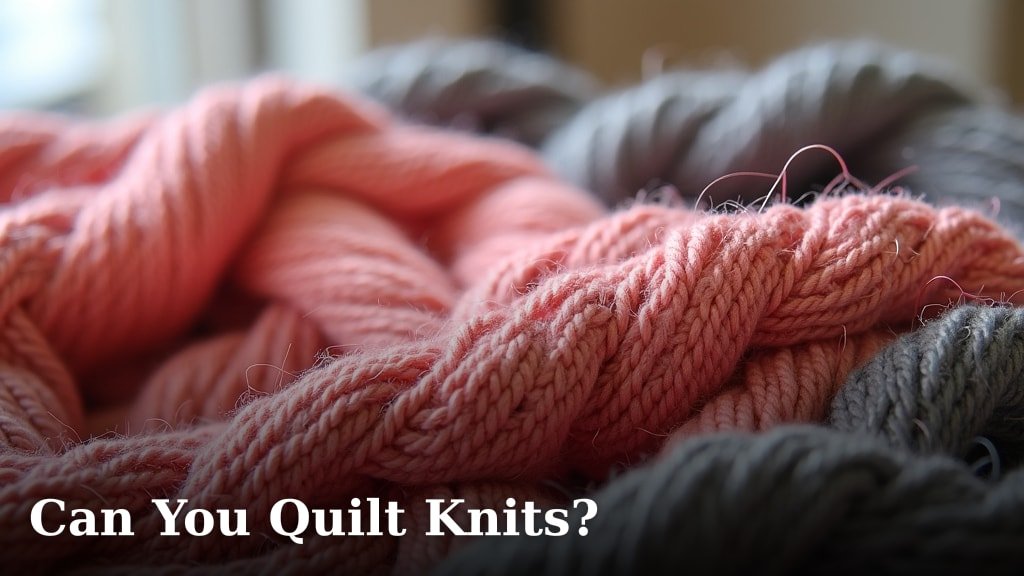
Yes, you absolutely can quilt knits! Many quilters have discovered that quilting with knit fabrics is not only possible but also opens up a world of **creative possibilities**. While it requires a slightly different approach than traditional quilting cottons, the results can be wonderfully **soft and unique**.
Quilting knits offers a wonderful alternative for those seeking a more **flexible and comfortable** finished product. You’ll find that knit quilts are perfect for cozy blankets or comfortable apparel projects. Just be prepared for a few differences in handling these stretchy materials.
- Yes, you can quilt knits with the right techniques.
- It requires different handling than wovens, but is achievable.
- Knit quilts are super soft and comfortable.
- Special needles and stabilizers can help a lot.
Below, we’ll walk you through the best ways to quilt with knits, covering everything from fabric choices to finishing your project.
Adventures in Quilting with Knit Fabrics
Quilting knits might sound like a contradiction in terms, but it’s a rewarding challenge! You can absolutely quilt with knit fabrics. It just requires a different approach than working with traditional quilting cottons. If you’re looking for a quilt with extra drape and softness, knits are a fantastic choice. They can create blankets that feel like a hug, or even comfortable apparel projects.
Choosing the Right Knit Fabrics
Not all knits are created equal when it comes to quilting. Some are much better suited for the task than others. We’ve found that focusing on stable knits will make your journey much smoother. Think of them as the more well-behaved cousins in the knit family.
Stable Knits: Your Best Friends
What makes a knit “stable”? It means the fabric has less stretch and is less likely to curl or distort. These properties make them behave more like woven fabrics, which quilters are used to handling. You’ll find these easier to cut, piece, and quilt.
Good Choices for Quilting Knits
Several types of knits fit the bill for stable quilting. We found that ponte knit is often recommended. It’s a double-knit fabric with a bit of body. Cotton interlock is another excellent option. It’s like two layers of jersey knit bonded together, giving it stability. French terry, especially with a lower loop count, can also work well. It has a bit of weight that helps keep it in place.
Knits to Approach with Caution
Lighter weight jerseys, especially those with a lot of Lycra or spandex, can be very stretchy. These are more prone to stretching out of shape. Rib knits are also tricky due to their pronounced vertical ribs and extreme stretch. While not impossible, they present a steeper learning curve for quilting.
Pre-Washing Your Knit Fabrics
Just like with woven quilting cottons, pre-washing is important for knits. It helps to preshrink the fabric and remove any finishing chemicals. We found that washing knits on a gentle cycle with cool water is best. Avoid high heat in the dryer; air drying is ideal. This helps maintain the fabric’s integrity.
Essential Tools for Quilting Knits
Working with stretchy fabrics means you’ll need a few special tools. These tools help manage the stretch and prevent frustrating issues. We’ve gathered the most important ones you’ll want to have on hand.
Needles and Thread
The right needle makes a huge difference. A ballpoint needle is designed to push the fabric fibers aside rather than piercing them. This prevents skipped stitches and fabric damage. We found that a size 70/10 or 80/12 ballpoint needle is a good starting point. For thread, a good quality polyester thread is recommended. It has a bit of strength and stretch, which is helpful with knits.
Stabilizers: Your Secret Weapon
Stabilizers are key to controlling knit fabrics. They provide a temporary backing that reduces stretch and prevents distortion. Many quilters swear by them. We found that a lightweight, water-soluble stabilizer is often the easiest to use. You can also use a tear-away stabilizer. Some people even use lightweight fusible interfacing, but be cautious as it can affect drape.
How to Use Stabilizers
The general idea is to use the stabilizer as a backing for your fabric. For piecing, you might place a layer of stabilizer behind your knit pieces. When quilting, you’ll typically use a larger piece of stabilizer as the backing for your quilt sandwich. This prevents the knit from getting pulled and stretched during the quilting process.
Cutting and Piecing Techniques
Cutting knits requires a slightly different touch. Use a rotary cutter and a mat for precision. Avoid scissors if possible, as they can sometimes stretch the fabric as you cut. When piecing, sew with a slightly shorter stitch length than you would for wovens. Many find a walking foot on your sewing machine helps feed the knit fabric evenly.
The Quilting Process with Knits
Now for the fun part: actually quilting your knit project! The most important thing to remember is to keep things from stretching. Think of it like trying to keep a wiggly worm still – gentle but firm control is needed.
Assembling the Quilt Sandwich
When creating your quilt sandwich, consider your batting choice. A stable batting can help. Some quilters find that a cotton or cotton-blend batting works well. Layer your backing fabric, batting, and quilt top. If you’re using a separate backing and batting, ensure they are also stable enough. Many experts recommend using a stabilizer as part of your sandwich, especially for machine quilting.
Basting Your Quilt
Basting is critical for knit quilts. You need to secure all layers together firmly but without stretching. Pin basting with curved safety pins can work well. Many quilters prefer to spray baste, but use a temporary spray adhesive. Apply it lightly to avoid saturating the knit. Some even fuse the layers with a very light fusible web. Whichever method you choose, ensure it’s secure.
Machine Quilting Knits
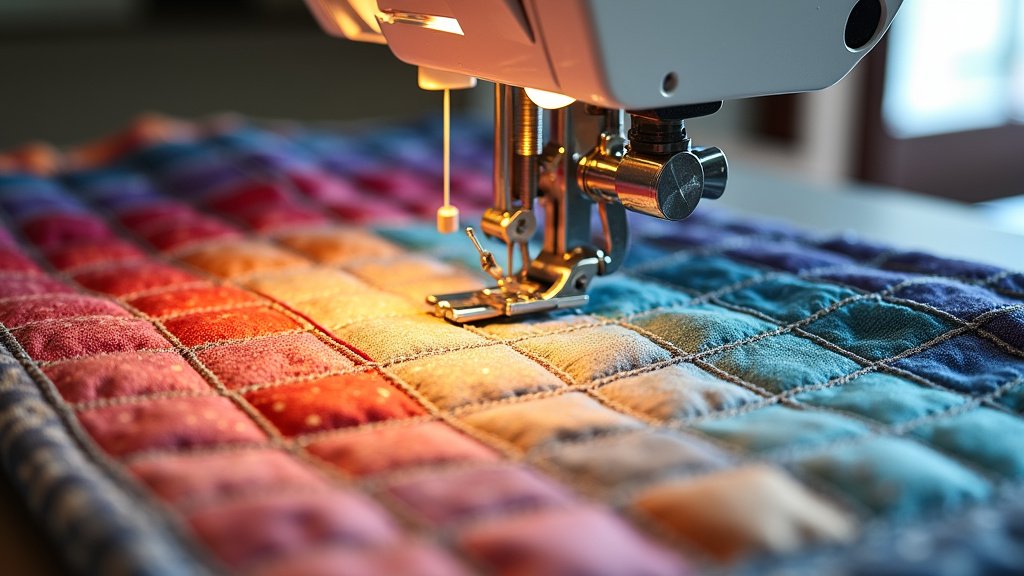
When machine quilting, go slowly. Use that walking foot we mentioned. Quilting in the ditch or following seam lines can help keep the fabric stable. If you’re free-motion quilting, use a Supreme Slider or similar tool on your machine’s needle plate. This helps the fabric glide smoothly. Again, stabilizer is your friend here. Some quilters even recommend quilting a dense, all-over pattern to further stabilize the fabric.
Hand Quilting Knits
If you prefer hand quilting, you’ll find it’s often more forgiving with knits. Using a quilting hoop can help keep the fabric taut. A larger needle and a longer stitch length are usually best for hand quilting. Be mindful of not pulling your stitches too tightly, which could gather the fabric.
Finishing Your Knit Quilt
Binding a knit quilt has its own unique considerations. Because knits have stretch, you want your binding to also have some give. This ensures it lies flat and doesn’t pull the edges of your quilt.
Binding Techniques
Many quilters find that using a knit fabric for the binding itself works wonderfully. A coordinating stretch knit, cut on the cross-grain (not the bias), can provide a lovely finish. Alternatively, you can use a stable quilting cotton for the binding, but you might want to slightly stretch it as you attach it. Attaching the binding using a walking foot can help maintain an even seam.
Troubleshooting Common Knit Quilting Issues
Even with the best preparation, you might run into a few snags. Don’t get discouraged! We’ve found that many common issues have simple solutions.
Puckering or Gathering
This is often caused by too much tension or stretching during piecing or quilting. Ensure your feed dogs are working correctly and your walking foot is engaged. Using a stabilizer is the best preventative measure. Sometimes, a light pressing with steam can help relax puckers, but always test on a scrap first.
Stretched-Out Edges
This usually happens during cutting or handling. Always use a sharp rotary cutter and a mat. Avoid pulling at the fabric. If edges do stretch, you can sometimes gently pull them back into shape with a stabilizer underneath. For severe stretching, you might need to trim and re-cut the piece.
Your Knit Quilting Checklist
Ready to dive in? Keep this quick checklist handy:
- Choose stable knit fabrics.
- Use a ballpoint needle and good quality thread.
- Incorporate stabilizers for piecing and quilting.
- Cut with a sharp rotary cutter.
- Baste securely without stretching.
- Quilt slowly with a walking foot.
Conclusion
You’ve learned that quilting knits is entirely achievable and can lead to wonderfully soft and unique projects. Remember to choose stable knits, use the right tools like ballpoint needles and stabilizers, and handle the fabric gently to avoid stretching. With a little practice and these tips, you can confidently create beautiful knit quilts.
So, gather your supplies, pick a cozy knit fabric, and give it a try! Your next favorite quilt might just be made of knits.
Frequently Asked Questions
Can I use any knit fabric for quilting?
We found that stable knits like ponte knit and cotton interlock are best for quilting. Very stretchy knits, such as lightweight jerseys with a lot of spandex, can be more challenging to work with. Focusing on less stretchy options will make your quilting experience much smoother.
What is the best needle to use for quilting knits?
A ballpoint needle is your best bet when quilting with knits. These needles are designed to push the fabric fibers apart instead of piercing them. This helps prevent skipped stitches and damage to your knit fabric.
Do I really need to use stabilizers when quilting knits?
Yes, stabilizers are highly recommended! We’ve found that they are a quilter’s secret weapon for controlling stretchy knit fabrics. Stabilizers act as a temporary backing, reducing stretch and preventing distortion during piecing and quilting.
How do I prevent knit fabric from stretching while I cut it?
Sharp tools are key! Always use a sharp rotary cutter and a cutting mat. Avoid using scissors if possible, as they can sometimes pull and stretch the knit as you cut. A rotary cutter allows for cleaner, more precise cuts.
Is binding a knit quilt different from binding a woven quilt?
Yes, it can be slightly different. Because knits have stretch, using a knit fabric for your binding can provide a nice, flexible finish that lies flat. If you use a cotton binding, you might want to gently stretch it as you attach it to match the give of the quilt.
