
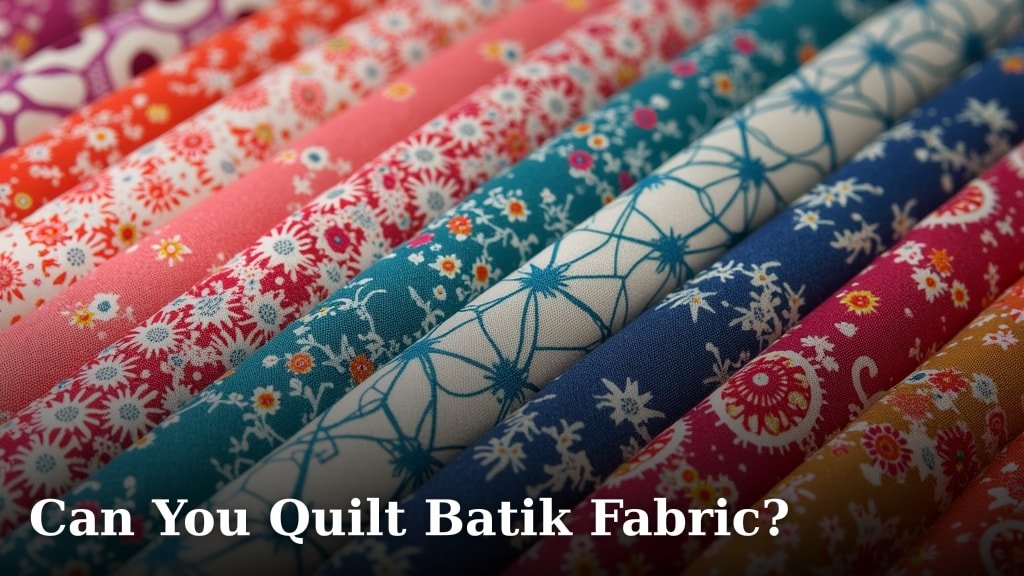
Yes, you absolutely can quilt batik fabric. In fact, many quilters find that batik’s unique properties make it a delightful choice for a wide range of projects. You might wonder if its special dyeing process causes issues, but with a little preparation, you’ll find it sews beautifully.
Batik fabric is known for its vibrant colors and rich texture, which comes from a wax-resist dyeing technique. This results in fabrics that often have a wonderfully painterly look. You’ll love how these characteristics add depth and interest to your quilts, making each one a truly unique creation. Many quilters report that batiks hold their color wonderfully over time, making for lasting keepsakes.
- Yes, quilting batik fabric is a great idea!
- Batik’s unique dyeing process creates vibrant colors and textures.
- It sews beautifully with a little preparation.
- Batik adds depth and visual interest to quilts.
- These fabrics tend to be colorfast and long-lasting.
Ready to see why batik is such a popular choice for quilters? Let’s walk through what you need to know to get started with your batik quilting projects.
Working with Batik Fabric for Your Quilts
So, you’re curious about quilting with batik fabric? That’s fantastic! You absolutely can quilt with batiks. Many quilters adore them for their vibrant colors and unique textures. Batiks can add a special kind of magic to your quilts, making them truly stand out. Let’s dive into what makes them special and how you can best use them in your projects.
Understanding Batik Fabric: What Makes it Different?
Batik fabric isn’t your everyday cotton print. It’s made using a special technique where wax is applied to the fabric before dyeing. This wax resists the dye in certain areas, creating those beautiful, often organic-looking patterns. Think of it like nature’s tie-dye, but with much more control and artistry.
The Wax-Resist Dyeing Process
The process often involves applying molten wax to the cloth, then dyeing it. Sometimes, this is repeated multiple times to create layered colors. The wax cracks during the dyeing, creating fine lines that give batik its characteristic look. This careful, manual process is why each piece of batik fabric is often considered a work of art.
Common Characteristics of Batik Fabrics
You’ll notice a few things about batiks that set them apart. They often have a rich depth of color, and the dyes tend to be soaked deep into the fibers. This often means they are quite colorfast, which is a big plus for quilting. The hand-feel can also be a bit different; some people describe it as being a little stiffer initially due to the dyeing process, but this is easily managed.
Preparing Your Batik Fabric for Quilting
Before you start cutting and piecing, a little preparation goes a long way with batik fabrics. It’s a smart step to ensure your quilt comes together smoothly. You want your fabric to behave predictably as you sew, and these simple steps help achieve that.
Pre-Washing Your Batiks: Yes or No?
This is a common question, and opinions vary slightly. However, most quilters agree that pre-washing batik fabric is a good idea. Why? Firstly, it helps remove any excess dye that might bleed onto lighter fabrics during washing later. Secondly, it preshrinks the fabric. Cotton can shrink, and you don’t want your beautiful quilt to warp after its first wash.
How to Pre-Wash Batiks
When you wash your batiks, do so separately or with similar colors. Use cool or lukewarm water and a mild detergent. Avoid harsh chemicals or bleaches. You can machine wash them on a gentle cycle. For the first wash, some quilters even add a color catcher sheet. This is like a small insurance policy against dye bleed.
Shrinking and Stabilizing
The goal of pre-washing is to get any shrinking out of the way before you cut. Once washed, hang your batik fabrics to dry, or tumble dry on a low setting. Some quilters also find that a light spray starch can add a bit of body, making the fabric easier to handle, especially if it feels a little limp after washing. It’s like giving your fabric a little boost before its big day on the sewing machine.
The Cutting and Sewing Experience with Batiks
Once your batiks are prepped, you’re ready to cut and sew. You might find that batiks behave wonderfully under your rotary cutter and sewing machine.
Rotary Cutting Batiks
Batik fabrics are typically 100% cotton, making them excellent for rotary cutting. They usually have a good weave that lies flat. You’ll likely find that your rotary cutter glides through them smoothly, giving you nice, clean edges. Ensure your cutting mat is in good condition and your rotary blade is sharp for the best results. A sharp blade means less pulling and fraying, giving you precise pieces.
Sewing with Batik Fabric
When it comes to sewing, batiks generally perform very well. Their tight weave can make them a bit less prone to fraying than some other quilting cottons. You’ll likely find that your sewing machine stitches through them without any trouble. Use your standard quilting needle and thread – a good quality cotton thread is usually perfect.
Thread Tension and Stitch Length
Many quilters find that standard tension settings work perfectly for batiks. You might want to do a quick test stitch on a scrap piece of your fabric to be sure. A typical stitch length of 2.0-2.5mm is usually suitable. Remember, the goal is a secure seam that won’t pull apart during quilting or wear.
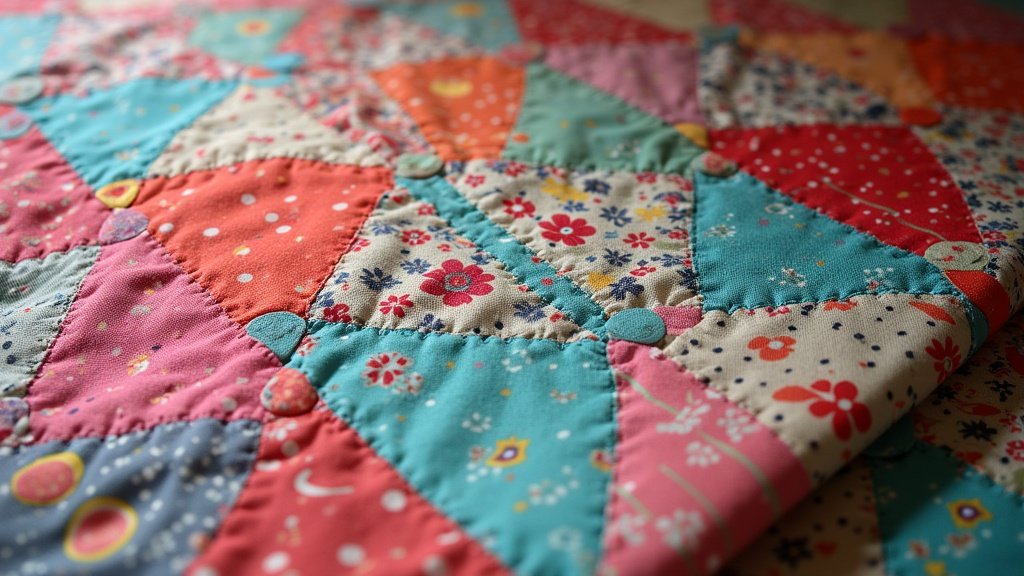
Why Batiks are a Great Choice for Quilters
Beyond their unique beauty, batiks offer several advantages that make them a beloved fabric choice among quilters.
Color Brilliance and Longevity
The dyeing process for batiks results in incredibly vibrant and saturated colors. Because the dye penetrates the fabric fibers deeply, these colors tend to be very stable. Many experts note that batik colors are often more fade-resistant than those in commercially printed fabrics (Textile Research Journal). This means your quilt will retain its beautiful hues for years to come, becoming a lasting heirloom.
Unique Visual Texture and Depth
The cracked wax resist technique gives batiks a distinctive visual texture. This isn’t just about color; it’s about how the light interacts with the fabric. The subtle variations and patterns add a wonderful dimension and depth to quilts that flat-printed fabrics can’t always achieve. They can mimic painterly strokes, adding an artistic quality to your work.
Versatility in Quilting Styles
Don’t think batiks are only for one type of quilt! They are incredibly versatile. Whether you’re making a modern abstract piece, a traditional log cabin, or a whimsical children’s quilt, batiks can fit right in. Their painterly quality means they can often blend well with other fabrics, too. Mixing them with solids or subtle tone-on-tone prints can create stunning effects.
Tips for Incorporating Batiks into Your Quilt Projects
Ready to try them out? Here are a few pointers to make your batik quilting experience even more enjoyable.
Consider Your Color Palette
Batiks often have a wide range of colors within a single piece of fabric. When selecting batiks, look at the different shades present. You can pull complementary colors from one batik to use in other elements of your quilt. This can create a harmonious and cohesive design. Sometimes, a small piece of batik can inspire your entire quilt’s color scheme.
Mixing Batiks with Other Fabrics
Batik fabrics can be mixed with other quilting cottons, such as solids, blenders, or even some prints. For a truly cohesive look, try to match the weight and weave of your fabrics as closely as possible. If you’re mixing batiks with highly detailed prints, ensure there’s enough contrast so neither fabric gets lost. Often, batiks shine when paired with solid fabrics that allow their intricate colors to pop.
Fussy Cutting for Maximum Impact
Because batiks can have such interesting patterns, they are perfect for fussy cutting. This means carefully cutting out a specific motif or part of the design to feature in your quilt blocks. You might find a beautiful floral element or a striking color blend that you want to highlight. This technique adds a personal, artistic touch to your quilt.
Quick Checklist for Quilting with Batiks
Here’s a handy checklist to keep in mind as you begin your batik quilting journey:
- Pre-wash your batik fabrics separately or with similar colors.
- Use cool or lukewarm water and mild detergent.
- Consider a color catcher for the first wash.
- Ensure your rotary cutter blade is sharp for clean cuts.
- Use a standard cotton quilting needle and thread.
- Do a test stitch on a scrap to check tension.
Conclusion
You’ve learned that quilting with batik fabric is not only possible but also highly rewarding. Their unique wax-resist dyeing process results in fabrics with incredible color depth and visual texture that can make your quilts truly sing. By taking a few simple preparatory steps, like pre-washing and gentle handling, you ensure your batiks will sew beautifully and maintain their vibrancy. Don’t hesitate to mix them with other fabrics or use techniques like fussy cutting to highlight their artistic qualities. Now, gather your favorite batiks and start creating a quilt that’s a work of art!
Frequently Asked Questions
Will batik fabric bleed when I wash my quilt?
It’s a common concern, and why pre-washing is recommended. Washing your batiks separately or with similar colors in cool water with a mild detergent helps remove excess dye. Using a color catcher sheet during the first wash can also act as a great insurance policy against bleeding onto lighter fabrics.
Can I mix batik fabrics with regular quilting cottons?
Absolutely! Batiks blend wonderfully with solids, blenders, and even some subtle prints. To ensure your quilt looks cohesive, try to match the weight and weave of your fabrics. Solids can help make your batik colors pop, while other textured fabrics can add further visual interest.
Is batik fabric harder to cut or sew than other cottons?
Most quilters find that batik fabric sews and cuts very much like standard quilting cotton. They typically have a good weave that lies flat, making them easy to handle. Just ensure you have a sharp rotary cutter and a fresh sewing machine needle for the smoothest experience.
Do I need special thread or needles for quilting batiks?
Generally, no. A good quality cotton quilting thread and a standard cotton quilting needle (like an 80/12 or 90/14 size) work perfectly for batiks. You may want to do a quick test stitch on a scrap piece of your fabric to confirm your machine’s tension settings are just right.
What makes batik fabric so vibrant and colorfast?
The unique wax-resist dyeing process used for batiks allows the dyes to penetrate the fabric fibers very deeply. This deep saturation, combined with the manual layering of colors, results in exceptionally vibrant hues that are often more fade-resistant compared to many commercially printed fabrics.
