Why Is Your Bobbin Not Winding Evenly?
A bobbin not winding evenly usually points to incorrect threading, uneven tension, a loose bobbin-winder spindle, or a worn winder tire. Clean the area, rethread carefully, and test the winding path before sewing.
On this page (11 sections)
- What does an unevenly wound bobbin look like?
- Why is your bobbin not winding evenly?
- How should you thread the bobbin winder?
- Could the bobbin or spindle be the problem?
- How does dirt affect bobbin winding?
- What if the bobbin winder is not spinning?
- Which thread helps you diagnose the problem?
- Can a needle or threader help after winding?
- How can you test the repair?
- Could the feeding system be causing a similar problem?
- What is the best fix for a bobbin not winding evenly?
A bobbin not winding evenly usually points to a threading error, uneven winding tension, poor bobbin seating, dirt, or a worn winder part. Correct the winding path first, then inspect the bobbin, spindle, and tire if the thread still piles on one side.
An uneven bobbin can cause loose loops, thread breaks, skipped stitches, and inconsistent tension during sewing. Fix the winding problem before adjusting upper-thread tension, because a poorly wound bobbin can make other settings seem wrong.
What does an unevenly wound bobbin look like?
An uneven bobbin may have thread piled against one flange, deep gaps between layers, loose loops, or a cone-shaped fill. The thread should build in smooth layers across the bobbin instead of staying in one narrow area.
Hold the bobbin up to the light and turn it slowly between your fingers. Look for ridges that stand higher than the rest, valleys where no thread has crossed, and edges that bulge past the flange.
A cone shape is another clear sign. One side will look full and rounded while the other stays thin, which usually means the thread is not travelling across the bobbin as it winds.
Loose loops can show as thread that lifts away from the surface when you touch it lightly. Those loops may catch on the bobbin case or change tension as the bobbin turns.
Deep gaps are less dramatic but still worth noting. They can leave the bobbin short of thread and make later layers less stable than they should be.
Small variations are common and may not stop the machine straight away. A bobbin with a slight ridge can sometimes sew for a short time without obvious trouble.
A bobbin that rubs, wobbles, or changes shape while winding needs closer attention. Remove it and check the cause before placing it in the bobbin case.
Wobbling often points to a bent bobbin, a poor fit on the spindle, or a spindle that is not seated true. Rubbing can damage the thread and leave fibres around the winder.
Changes in shape during winding are more important than a single uneven layer. Stop the machine and inspect the thread path rather than forcing the bobbin to fill.
Keep the suspect bobbin aside for comparison. Wind a few turns on a known good bobbin and compare the layers side by side.
This simple check helps you tell whether the problem follows the bobbin or stays with the machine. It also stops a badly wound bobbin from creating new stitching faults.
Why is your bobbin not winding evenly?
The most common causes are an incorrect thread path, a loose guide, a bobbin that does not fit correctly, or a winder that is not aligned with the spindle. Dirt around the winder can also affect rotation and thread movement.
Check these causes in order:
- Confirm that the thread passes through every bobbin-winding guide.
- Make sure the bobbin is fully seated on the spindle.
- Check that the bobbin is the correct type for your machine.
- Inspect the spindle for looseness or side-to-side movement.
- Look for lint, thread scraps, or dried residue around the winder.
- Test the winder at a moderate speed.
If the bobbin winds tightly on one side, the thread may not be moving freely through its guide. Hold the thread gently while starting, then let the machine guide it across the bobbin.
How should you thread the bobbin winder?
Follow the machine's marked winding path and keep the thread under the winding guide's tension. Skipping one guide can make the thread slack, too tight, or unable to spread across the bobbin.
Raise the needle and presser foot if your machine's instructions call for that position. Place the spool securely, guide the thread through the winding path, and pass it through the bobbin hole before placing the bobbin on the spindle.
Start slowly for several turns. If the thread immediately gathers at one edge, stop rather than filling the entire bobbin incorrectly.
For more help with the wider problem, use these Bobbin Won’t Wind? Easy Troubleshooting Tips before replacing parts.
Could the bobbin or spindle be the problem?
A bobbin must sit flat and rotate without wobbling. A bent bobbin, damaged edge, or incorrect size can shift the thread path and make the winding pattern uneven.
Remove the bobbin and inspect both flanges. Replace it if either flange is bent, cracked, or rough enough to catch the thread.
Test with a known-good bobbin that matches your machine's required type.
Press the bobbin fully onto the spindle. It should not rock from side to side during rotation.
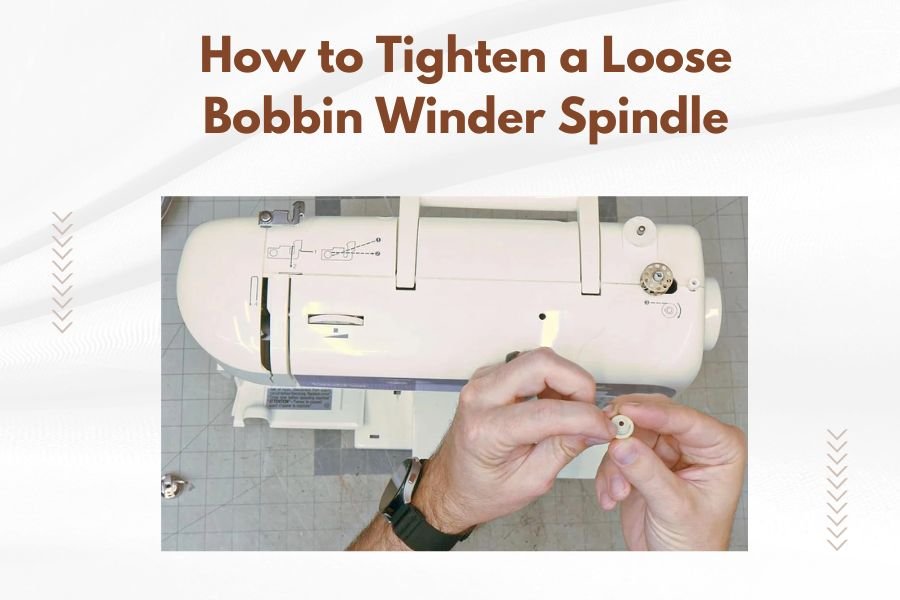
If the spindle feels loose, read How to Tighten a Loose Bobbin Winder Spindle before continuing.
Do not force the bobbin onto the spindle. A tight fit can prevent smooth rotation, while a loose fit can let the bobbin wobble.
How does dirt affect bobbin winding?
Lint and thread scraps can interrupt the bobbin's rotation or change the thread's path. Turn off the machine, remove the bobbin, and clean the accessible winder area with a small dry brush.
Keep loose fibers away from the spindle and tension guide. Avoid pushing debris farther into the machine, and use the cleaning method approved for your model.
After cleaning, wind a short test length. If the pattern improves, continue checking the area during routine machine care.
If the bobbin still stops or turns unevenly, the winder may need adjustment or a replacement part.
What if the bobbin winder is not spinning?
A bobbin winder that does not spin may be disengaged, blocked, misaligned, or affected by a worn tire. Check that the bobbin-winding control is in the correct position and that the handwheel or clutch is set according to the machine's instructions.
For a model-specific example, see why the bobbin winder is not spinning on a Simplicity sewing machine. The same basic checks apply to many machines, but controls and safety steps vary.
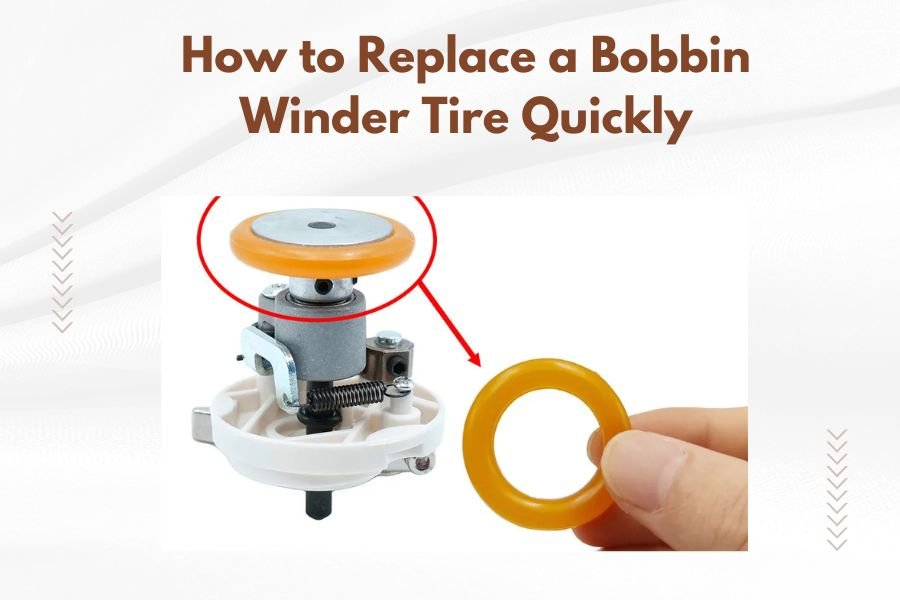
If the winder spins while the bobbin slips, inspect the rubber tire and the contact point. A worn tire may no longer grip the bobbin properly.
Our guide explains how to replace a bobbin-winder tire quickly.
Which thread helps you diagnose the problem?
Use a consistent, medium-weight thread while diagnosing uneven winding so changes in the pattern are easier to see. The Coats & Clark All Purpose Sewing Thread is 100% polyester, medium weight 35wt, 400 yards, and comes as a 6-pack in white.
Wind only part of the bobbin during the first test. Stop if the thread piles at one edge, then inspect the guide and spindle instead of continuing.
This thread suits readers who want a standard all-purpose option for machine sewing and hand stitching. Its white color also makes gaps, loose loops, and uneven layers easier to see during troubleshooting.
Can a needle or threader help after winding?
A needle does not correct an uneven bobbin, but replacing a damaged needle can help you separate winding problems from stitching problems. The SCHMETZ Microtex Sharp Sewing Machine Needles are size 80/12, with a slim acute point, a 5-needle card, and compatibility with domestic sewing machines.
Choose this type when your sewing project needs a precise point for quilting, topstitching, or compatible fabrics such as cotton, batik, microfiber, polyester, silk, foils, artificial leather, coated materials, cork, or bamboo.
Change the needle if it is bent, blunt, or damaged. Then test with the corrected bobbin so you can judge the machine's stitching without adding a worn needle to the problem.
The Bohin 81980 Super Automatic Needle Threader is for hand sewing, quilting, and embroidery rather than bobbin winding. It is a plastic, 1-count tool designed for needle sizes 1 through 11 and measures about 3 x 2 x 1.25 in.
It can suit detailed hand work when passing thread through a needle eye is difficult. Its use is separate from the bobbin winder, so it should not be treated as a repair tool for uneven filling.
How can you test the repair?
Wind a short bobbin slowly, then check the layers before sewing. The thread should move across the bobbin without forming a ridge, gap, cone, or loose loop.
Place the bobbin in the machine and sew a few test stitches on scrap fabric. Watch for thread nests, uneven tension, skipped stitches, or a bobbin that hesitates in the case.
If the test fails, return to the winding path and spindle. If the bobbin winds evenly but stitches remain poor, inspect the bobbin-case threading and upper-thread path.
For a separate stitching symptom, see why a quilting machine is not picking up bobbin thread.
Could the feeding system be causing a similar problem?
A bobbin that winds evenly but fabric that moves unevenly points to a different issue. Check the presser foot, feed dogs, stitch length, and fabric handling instead of changing the bobbin-winder tension.
Look at how the fabric enters the needle area. If it pauses, creeps, or bunches while the stitches look steady, the feeding system may need attention.
If your fabric shifts or bunches during sewing, compare the symptoms with Why Is My Walking Foot Not Feeding Fabric Evenly?. Keeping winding and feeding problems separate helps you avoid unnecessary adjustments.
Test the bobbin separately by winding a short length and checking the layers. If that looks even, return your focus to the fabric path.
What is the best fix for a bobbin not winding evenly?
Start with the thread path, bobbin fit, spindle alignment, and cleaning. Use a short test winding to identify whether the problem follows the thread, the bobbin, or the machine's winder.
Choose the Coats & Clark thread for a clear diagnostic test, the SCHMETZ needle for checking stitching after the repair, and the Bohin threader for related hand-sewing work. If the winder still slips or wobbles, inspect the spindle and tire before using the machine again.
Frequently asked questions
Why is my bobbin not winding evenly on one side?
A bobbin that fills on one side often has a threading problem, uneven tension, a bobbin that is not seated correctly, or a winder spindle that is not aligned. Stop the machine, remove the bobbin, clean the area, and rethread the winding path before testing again.
Should the bobbin thread be tight while winding?
The thread should wind smoothly in even layers without sinking deeply, forming loose loops, or piling against one flange. If it feels too tight or too loose, check the winding tension path and use the machine's instructions for adjustment rather than forcing the thread.
Can a damaged bobbin cause uneven winding?
Yes. A bent bobbin, damaged flange, or bobbin that does not match the machine can prevent smooth rotation.
Compare it with a known-good bobbin of the correct type, and replace the damaged one instead of trying to straighten it.
When should I replace a bobbin-winder tire?
Replace a bobbin-winder tire when the bobbin slips, the winder turns unevenly, or the tire looks worn and no cleaning or alignment adjustment helps. Confirm the correct part for your machine before replacing it.