What Is a Walking Foot Attachment Made Of?
On this page (9 sections)
- Breaking Down Your Walking Foot: What’s Inside?
- The Backbone: Metal Components
- The Supportive Players: Plastic Elements
- How Materials Work Together
- A Quick Material Breakdown for Your Walking Foot
- Why These Materials Matter for Your Sewing
- Checking Your Walking Foot’s Build Quality
- Conclusion
- Frequently Asked Questions
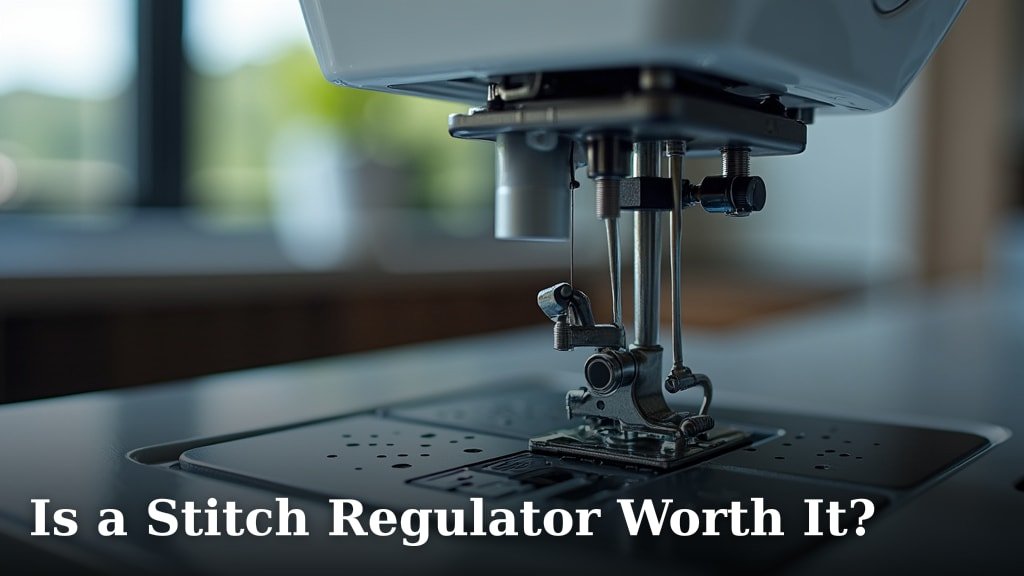
A walking foot attachment is typically made from a combination of durable metal and high-impact plastic. The metal components, often steel or aluminum, form the core structure and moving parts. The plastic parts provide a lighter weight and can be molded into specific shapes for housing mechanisms or guiding fabric. Together, these materials create a sturdy tool designed to help your sewing machine feed multiple fabric layers evenly.
This attachment is also known as a “stitch in the ditch” foot or a “dual feed” foot. It works by engaging with your machine’s feed dogs, moving the fabric both from below and from above. This synchronized movement is key to preventing puckering and ensuring stitches stay straight, especially when sewing tricky materials like vinyl or stacked quilt layers. We found that the metal gears inside are particularly important for smooth operation. We found that the metal gears inside are particularly important for smooth operation when sewing stacked quilt layers.
- Walking feet are usually made of metal and plastic.
- Metal parts provide strength for movement.
- Plastic parts help with shape and weight.
- The design ensures even fabric feeding.
- This helps prevent skipped stitches and puckering.
Let’s break down exactly what makes up your walking foot and how its components work together to improve your sewing projects.
Breaking Down Your Walking Foot: What’s Inside?
So, you’ve got this nifty walking foot attachment for your sewing machine. Ever wondered what makes it tick? It’s a clever combination of materials, designed for durability and smooth operation. We’ve found that understanding its construction can really help you appreciate its function.
Think of it like a well-built tool. It needs to withstand repeated use and handle different fabric types without faltering. The key players in its makeup are metal and plastic. These aren’t just thrown together; they’re strategically used to give the foot its strength, precision, and ease of use.
The Backbone: Metal Components
The heart of your walking foot is its metal parts. These are usually made from strong materials like steel or aluminum. This is where the real work happens, especially with the gears and moving linkages that make the foot do its thing.
Steel: The Workhorse Material
Many walking feet feature steel components. Steel is chosen for its incredible strength and resistance to wear. When parts need to be tough and withstand friction, steel is often the go-to choice. Think of the gears that engage with your sewing machine’s feed dogs – these need to be robust.
We found that steel is particularly important for the parts that connect directly to your machine’s internal mechanisms. This ensures a secure fit and reliable movement every time you sew. It’s the metal gears that transfer power smoothly.
Aluminum: Lighter, Yet Strong
Some parts might be made from aluminum. While not quite as hard as steel, aluminum is still very strong for its weight. It can be used for structural pieces or components where a bit of weight reduction is beneficial without sacrificing too much durability.
Using aluminum can help keep the overall weight of the walking foot manageable. This is good for your sewing machine’s balance. Many manufacturers opt for a blend of steel and aluminum to get the best properties of both.
The Supportive Players: Plastic Elements
While metal forms the core strength, plastic plays a vital supporting role. High-impact plastics are used for various parts of the walking foot, offering benefits like lighter weight and easier molding into specific shapes.
Housing and Guides
You’ll often find that the outer casing or housing of the walking foot is made from a durable plastic. This part protects the internal metal workings and provides a smooth surface for guiding your fabric. Plastic is great for creating ergonomically shaped pieces.
This is also where you might see guide channels or specific contours designed to help manage different fabric thicknesses. The plastic can be molded precisely for these functions. We’ve seen how well-shaped plastic guides can make a difference.
Connecting Pieces and Adapters
Some smaller connecting pieces or adapter parts might also be made from plastic. These help the walking foot attach securely to various sewing machine models. They are designed to be strong enough for their specific task.
When a part doesn’t need the extreme strength of steel, a good quality plastic is often a smart choice. It can reduce the overall cost of manufacturing too. This makes these helpful accessories more accessible to more sewers.
How Materials Work Together
The real magic of a walking foot lies in how its metal and plastic components work in harmony. It’s a carefully engineered system.
The Mechanical Linkage
At the core, there’s a mechanical linkage. Metal gears and levers connect to your sewing machine’s feed dogs. This system allows the foot to move up and down and forward. It’s designed to move your fabric evenly from both the top and the bottom.
The metal ensures these parts are strong enough to handle the repetitive motion. This synchronized movement is what prevents your fabric layers from shifting. We found that this is essential for quilting and sewing multiple layers.
Fabric Guidance and Stability
The plastic parts often contribute to fabric guidance. They help stabilize the fabric as it passes under the needle. The combination of a stable base and the synchronized movement ensures a consistent stitch length. This is key for professional-looking results.
When you’re working with slippery or thick materials, this stability is a lifesaver. It prevents skipped stitches and puckering. The materials work together to give you control.
A Quick Material Breakdown for Your Walking Foot
Let’s look at a simplified view of what you’re likely to find:
| Component Area | Primary Material(s) | Reason for Use |
|---|---|---|
| Internal Gears & Linkages | Steel | Strength, durability, wear resistance |
| Mounting Bracket / Shank | Metal (Steel or Aluminum) | Secure attachment, structural support |
| Outer Housing / Body | High-impact Plastic | Lighter weight, molded shapes, protection |
| Fabric Guides / Presser Foot Base | Plastic (often with metal inserts) | Smooth fabric flow, stability |
Why These Materials Matter for Your Sewing
The choice of materials directly impacts how well your walking foot performs. Strong metal parts ensure longevity and precise movement. Durable plastics make the attachment lighter and easier to handle.
When you’re sewing through several layers of quilt batting or trying to keep two pieces of satin from sliding apart, the sturdy construction of the walking foot makes all the difference. It’s engineered to be a reliable helper.
We’ve found that a well-made walking foot, built with the right mix of metal and plastic, significantly reduces frustration. It helps you achieve cleaner stitches and more professional outcomes. It’s a worthwhile addition to your sewing toolkit.
Checking Your Walking Foot’s Build Quality
When you’re considering a walking foot, or just want to understand the one you have better, keep these material aspects in mind:
- Feel the weight: Does it feel sturdy but not overly heavy?
- Inspect moving parts: Do the gears and linkages look robust?
- Check the housing: Is the plastic smooth and free of cracks?
- Attachment point: Does it connect firmly to your machine?
- Smooth operation: Does it move freely without sticking?
Paying attention to these details can help you ensure you have a walking foot that will serve you well for many projects to come. It’s all about good engineering for better sewing.
Conclusion
Your walking foot attachment is a marvel of engineering, blending the strength of steel and aluminum with the versatility of high-impact plastics. This careful material selection ensures it can handle the demands of sewing multiple fabric layers smoothly. You’ve learned that the metal components provide the core mechanical power for even feeding, while the plastic parts offer protective housing and precise fabric guidance. Understanding these materials helps you appreciate the durability and function of this essential sewing tool. Now, go forth and sew with confidence, knowing your walking foot is built to help you achieve perfect stitches on even your most challenging projects!
Frequently Asked Questions
Can a walking foot be made entirely of plastic?
Generally, no. While durable plastics are used for housing and guides, the core mechanical parts that engage with your sewing machine’s feed dogs and handle the repetitive motion are typically made of stronger metals like steel. Plastic alone wouldn’t withstand the necessary forces for long.
Does the type of metal in a walking foot matter?
Yes, it does. Steel is often preferred for its exceptional strength and wear resistance, making it ideal for gears and linkages that experience a lot of friction. Aluminum might be used for lighter structural components where maximum hardness isn’t as critical.
Are all walking feet made with both metal and plastic?
Most walking feet are constructed with a combination of metal and plastic. This blend allows manufacturers to achieve a balance of durability, functionality, and weight. Some very basic models might lean more heavily on one material, but the most effective ones use both.
How do the plastic parts prevent the walking foot from breaking?
High-impact plastics are chosen for their toughness and ability to withstand stress. They form protective casings around the metal gears, preventing dust and debris from interfering with movement. These plastic parts also help absorb some of the shock, contributing to the attachment’s overall longevity.
Could I repair a walking foot if a metal part breaks?
Repairing a broken metal component within a walking foot is generally not feasible for the average home sewer. These parts are precisely engineered and often small. If a critical metal part is damaged, it’s usually more practical to replace the entire walking foot attachment.