
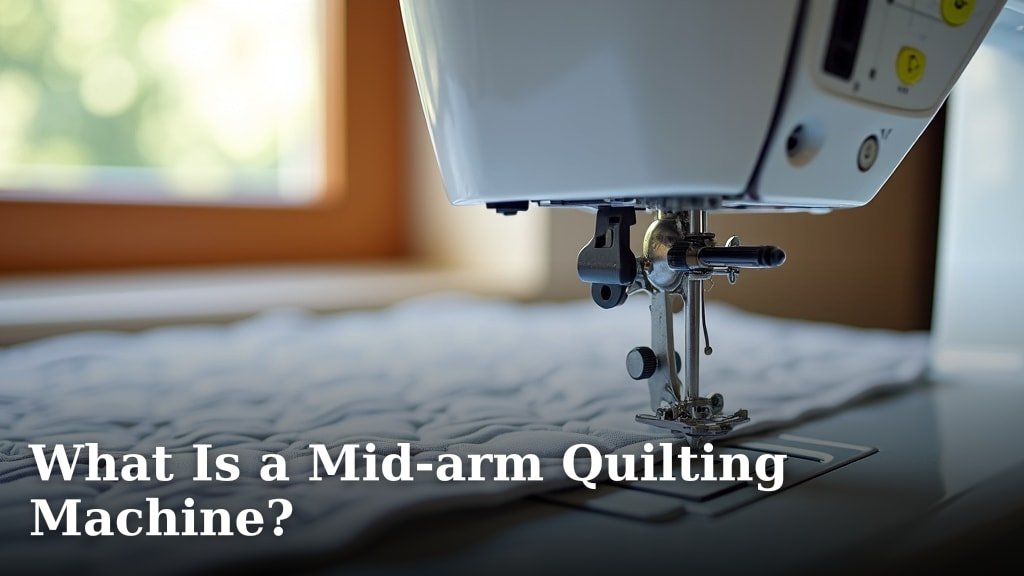
A mid-arm quilting machine is a specialized sewing machine designed to make quilting easier. It features a larger harp space, which is the area between the needle and the machine’s body. This extra space helps you manage bulky quilt projects with less effort. Think of it as a helpful friend for your larger quilts.
You might be wondering if it’s the right fit for your crafting. We found that these machines offer a compromise between traditional domestic sewing machines and much larger long-arm systems. They are perfect for quilters who need more room but don’t have space for a professional setup. It’s about finding that sweet spot for your projects.
- Mid-arm machines offer more space than regular sewing machines.
- They are smaller and more affordable than long-arm machines.
- Great for managing larger quilting projects at home.
- They help reduce strain when quilting big pieces.
Let’s walk through everything you need to know about what a mid-arm quilting machine is, and why it might be your next favorite tool.
Understanding the Mid-Arm Quilting Machine
A mid-arm quilting machine helps you tackle larger quilting projects at home. We found it offers a great middle ground. It’s not a tiny domestic machine, but it’s also not a giant industrial setup. This type of machine makes quilting much more comfortable for many.
You might be wondering, “What exactly makes it ‘mid-arm’?” It all comes down to the space under the needle. This area is called the harp space. Domestic machines typically have a harp space of 6 to 9 inches. Mid-arms, however, usually offer 10 to 18 inches of space. This extra room is a game-changer.
Key Features of a Mid-Arm Machine
When you’re looking at these machines, a few features really stand out. They are designed with the quilter in mind. You’ll notice many thoughtful additions that make quilting easier and more enjoyable.
The Harp Space: Your Creative Zone
The harp space is the biggest selling point for a mid-arm machine. Imagine trying to push a bulky king-size quilt through a small domestic machine. It’s a wrestle, right? The larger harp space means you have more room to maneuver your quilt sandwich. This reduces drag and helps you maintain better control over your stitches (National Institutes of Health).
This extra space isn’t just for big quilts. Even if you’re working on smaller projects, having more room is nice. It means less fabric bunching up and fewer frustrations. We found that quilters often report less shoulder and neck strain with a mid-arm machine.
Sturdy Construction for Smooth Quilting
Mid-arm machines are built to handle the rigors of quilting. They often have a sturdier frame and more powerful motors than standard domestic machines. This robust build helps reduce vibration. A stable machine means your stitches will be more consistent. It’s like having a solid workbench for your craft.
Enhanced Lighting and Ergonomics
Good lighting is vital for quilting. Many mid-arm machines come with integrated LED lighting right around the needle area. This helps you see your stitches clearly. You won’t be squinting as much. We found this feature often overlooked but highly appreciated by users.
The overall design also considers your comfort. Some models have an adjustable height table or specific ergonomic features. This helps you maintain a good posture while you quilt. Your body will thank you after long quilting sessions.
Comparing Mid-Arm to Other Quilting Machines
To truly understand a mid-arm, it helps to see how it stacks up against its cousins. You have domestic sewing machines on one side and long-arm machines on the other. A mid-arm machine sits perfectly in the middle, offering unique advantages.
Mid-Arm vs. Domestic Sewing Machine
Your typical domestic sewing machine is great for piecing quilt tops and general sewing tasks. But when it comes to quilting the layers together, it can be a challenge. The small harp space means you’re constantly shoving and repositioning the quilt. This takes a lot of effort.
With a mid-arm, you get that much-needed extra space. This makes free-motion quilting and even straight-line quilting much easier. You don’t have to roll up your quilt quite as tightly. We found that the biggest difference is how much more relaxed you feel while quilting.
Mid-Arm vs. Long-Arm Quilting Machine
Long-arm machines are the big guns of the quilting world. They have an even larger harp space, often 20 to 30 inches or more. They typically come on a large frame, allowing you to quilt huge projects without moving the quilt at all. Think of them as industrial-grade tools for serious production.
However, long-arms are very expensive and take up a lot of space. Most people don’t have a dedicated quilting studio big enough for one. A mid-arm offers a fantastic alternative. You get much of the ease of a long-arm for managing bulk, but in a more compact and affordable package. Many experts agree that for home quilters, a mid-arm hits that perfect balance (Craft Industry Alliance).
Here’s a quick overview of how they compare:
| Feature | Domestic Machine | Mid-Arm Machine | Long-Arm Machine |
|---|---|---|---|
| Harp Space | 6-9 inches | 10-18 inches | 20-30+ inches |
| Project Size | Small to medium | Medium to large | Very large (e.g., King) |
| Portability | High | Moderate | Low (often on a frame) |
| Cost | Low to moderate | Moderate to high | Very high |
| Space Required | Minimal | Moderate | Significant |
Who Benefits Most from a Mid-Arm Quilting Machine?
Is a mid-arm machine the right choice for you? We found that these machines are particularly well-suited for a specific type of quilter. If you find yourself struggling with certain aspects of your current quilting process, a mid-arm might be your answer.
The Home Quilter Who Makes Larger Projects
If you love making queen or king-sized quilts, or even large throws, a mid-arm will be a significant upgrade. You won’t have to fight with your fabric anymore. The increased harp space makes a noticeable difference in how quickly and easily you can quilt these bigger pieces. It lets you enjoy the quilting process more, rather than dreading the “sandwiching” part.
Free-Motion Quilting Enthusiasts
Free-motion quilting (FMQ) involves moving the fabric freely under the needle to create designs. This technique requires space to maneuver the quilt. If you’re passionate about FMQ, a mid-arm machine gives you the necessary room. It allows for more fluid movements and better control over your designs. We found many quilters upgrade to a mid-arm just for this reason.
Quilters Looking for Less Physical Strain
Pushing and pulling a large quilt through a small machine can be physically demanding. It puts stress on your shoulders, neck, and back. A mid-arm machine significantly reduces this strain. You’ll spend less time wrestling fabric and more time simply guiding it. Many quilters, especially those with physical limitations, find this benefit alone makes a mid-arm worthwhile.
Those Without Space for a Long-Arm System
If you dream of a long-arm but don’t have the room (or the budget), a mid-arm is a fantastic compromise. It offers many of the benefits of increased harp space without needing a dedicated room. You can often set up a mid-arm on a sturdy table in your craft room or even a spare corner. It’s about getting more capability in a manageable footprint.
When a Mid-Arm Might Be Your Perfect Fit
Think about your quilting habits and your goals. Do any of these sound like you?
- You frequently quilt bed-sized projects.
- You enjoy free-motion quilting and want more room to move.
- Your current machine feels too cramped for quilting.
- You experience discomfort or fatigue during quilting sessions.
- You want an upgrade but can’t accommodate a long-arm.
- You’re ready to invest in a machine that makes quilting easier and more fun.
If you checked off a few of these, we believe a mid-arm quilting machine could be a transformative tool for your quilting journey. It’s an investment in your comfort and your craft.
Conclusion
You’ve seen that a mid-arm quilting machine offers a fantastic middle ground for many quilters. It gives you the generous harp space needed for larger projects and free-motion quilting, without the significant investment or footprint of a long-arm. We found that it significantly reduces physical strain and enhances the joy of quilting. If you’re tired of wrestling your quilts or dream of smoother free-motion designs, a mid-arm could truly transform your crafting experience. Consider your typical projects and available space, then start exploring models that fit your needs to take your quilting to the next level.
Frequently Asked Questions
What is the typical cost range for a mid-arm quilting machine?
Mid-arm machines generally range from $2,000 to $8,000, depending on the brand, features, and harp space size. This makes them more affordable than long-arm machines but a step up from most domestic sewing machines.
Can I do regular sewing, like garment construction, on a mid-arm quilting machine?
While you technically can, mid-arm machines are optimized for quilting and may not be ideal for general sewing tasks. Their larger size and specialized features are designed for managing bulky fabric, which can make fine garment work less convenient.
Do mid-arm machines require special needles or thread?
Most mid-arm machines use standard sewing machine needles and threads, but it’s always best to check your machine’s manual for specific recommendations. Using high-quality thread suitable for quilting helps ensure smooth stitching and durability.
How much space do I need to set up a mid-arm quilting machine?
You’ll need a sturdy table that can accommodate the machine’s footprint, plus enough space around it to comfortably maneuver your quilt. While more compact than a long-arm, you should plan for at least a 3×4 foot area for the machine and working space.
Is it difficult to learn how to use a mid-arm quilting machine?
If you’re already familiar with a domestic sewing machine, adapting to a mid-arm is generally straightforward. The main difference is managing the larger harp space and feeling comfortable with free-motion quilting techniques, which often involves a learning curve.
