Juki MO-644D Serger Review: Worth It? (November 2026)
The JUKI MO-644D suits everyday edge finishing on light to medium weight fabric, with 2/3/4-thread serging, an automatic rolled hem and adjustable differential feed. It may not fit work that regularly calls for heavier materials.
On this page (7 sections)
- What does the Juki MO-644D offer for everyday sewing?
- How does threading work on the MO-644D?
- What stitches and adjustments are available?
- How should you compare the MO-644D with alternatives?
- Can the MO-644D help with quilting projects?
- What should you check before buying?
- Is the Juki MO-644D a good serger for you?
The JUKI MO-644D is a 2/3/4-thread serger for light to medium weight fabric, with an automatic rolled hem, adjustable stitch length and differential feed. It fits everyday edge finishing when your materials fall within that range and you are comfortable with color-coded threading.
Its stated maximum speed is 1,500 stitches per minute, and it has a knife system with a dedicated drive mechanism. If you regularly sew several layers of heavy fabric, compare alternatives made for that work before choosing.
What does the Juki MO-644D offer for everyday sewing?
The MO-644D gives you 2/3/4-thread serging and automatic rolled hem capability for seams and edge finishes. Its adjustable stitch length and differential feed add control for different projects.
Color-coded threading and a breakaway looper help guide setup. The upper knife moves out of the way for threading access, and a multipurpose foot handles a range of stitches and products, including tape and elastic.
The JUKI MO-644D Portable Serger carries a score of 9.3 for its fit with everyday edge finishing on light to medium weight fabric. Our score weighs specs, features and buyer feedback against what you're shopping for.
JUKI MO644D Portable Serger: Best for everyday edge finishing

- 2/3/4-thread serging
- Automatic rolled hem
- Adjustable stitch length and differential feed
A JUKI serger for light to medium weight fabric, with adjustable stitch length and differential feed. Its main limits are the stated fabric range and the need to thread it manually.
Pros
- Converts between 2, 3 and 4 threads
- Automatic rolled hem capability
- Adjustable stitch length and differential feed
- Powerful knife system with dedicated drive
Cons
- Fabric range is light to medium weight
- Does not have air threading
Is the MO-644D a fit for your sewing?
Choose it if your projects include finishing garment seams, managing fabric edges or making rolled hems on light and medium weight cloth. Adjustable stitch length and differential feed are useful controls when you want to tune the stitch for the material.
Look elsewhere if you need a machine specified for frequent work with thick stacks or heavy fabrics. The stated fabric range is light to medium weight, so don't assume it will suit every dense or layered project.
How does threading work on the MO-644D?
The MO-644D uses color-coded threading and a breakaway looper, rather than air threading. The upper knife moves aside to provide access during threading.
Color guides can help you follow each thread path, but you still need to thread the machine in the correct order. Keep the manual nearby when changing threads, and check that each thread is seated before testing a seam.
If air threading is a priority, compare serger sewing machines with air threading and consider whether that feature is worth narrowing your choices. The Juki MO-1000 serger reviews can also help you weigh another JUKI model.
What stitches and adjustments are available?
The MO-644D supports 2-, 3- and 4-thread serging, with an automatic rolled hem capability. It also offers adjustable stitch length and differential feed.
These options help adapt the machine to the seam or edge finish, but they don't mean every setting suits every fabric. Check the manual for setup guidance, then test the chosen settings on a scrap from your project.
The multipurpose foot is intended for a range of stitches and can work with tape and elastic. Optional presser feet are available for tasks such as cording, blind stitch, piping and gathering.
How should you compare the MO-644D with alternatives?
Compare each machine by fabric range, threading method and the adjustments you need most. The MO-644D is a clear fit for light to medium weight fabric, while the Brother 1034D is described for multiple layers of denim and other heavy materials.
The Brother 1034D supports 3- or 4-thread serging and includes standard, gathering and blind stitch feet. It reaches up to 1,300 stitches per minute, and its stated 120-volt use is intended for the US.
Brother 1034D Serger Overlock Sewing Machine: Best for heavier materials

- 3 or 4 thread serging
- Up to 1,300 stitches per minute
- Metal frame
A 3/4-thread alternative described for multiple layers of denim and other heavy materials. It uses 120 volts and is intended for sale in the US.
Pros
- 3 or 4 thread serging
- Designed to handle multiple layers of denim
- Includes standard, gathering and blind stitch feet
Cons
- 120-volt US use only
If you're choosing a first serger, the best serger sewing machines for beginners guide can help you compare threading and setup needs across models. For compatible replacement blades, the Sew-link upper and lower knife set is identified for the MO-644D.
Sew-link Upper Knife & Lower Knife Blade: Best for replacement knives

- Upper knife 50143403
- Lower knife 50145403
- Fits Juki MO-644D
A replacement upper and lower knife set identified for the Juki MO-644D. Check the machine model and knife part numbers before ordering.
Pros
- Names both upper and lower knives
- MO-644D is among the compatible models
Cons
- Does not include a serger machine
Can the MO-644D help with quilting projects?
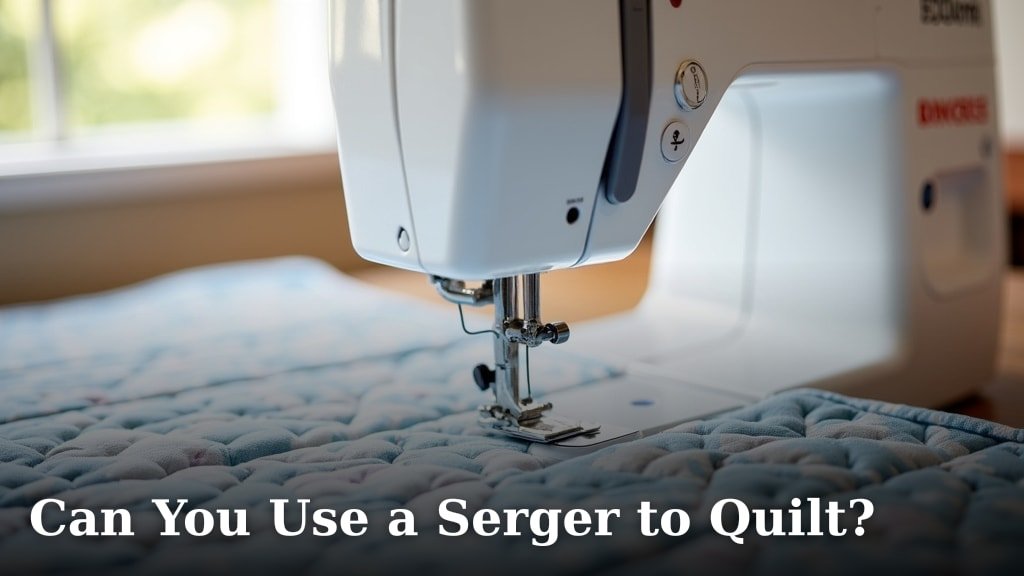
The MO-644D can finish raw fabric edges, but serging does not replace conventional quilting and piecing. Its edge-finishing role may help keep fabric edges tidy during some quilt-related work.
Think about the task before choosing a machine. For piecing quilt blocks or stitching through a quilt sandwich, a conventional sewing machine is usually the more direct tool; for an edge finish, a serger may be useful.
Read Can You Use a Serger to Quilt? for a closer look at which quilt tasks suit a serger. Test your chosen thread and settings on a scrap before handling a finished quilt.
What should you check before buying?
Confirm that your regular fabrics fit the light to medium weight range and that you are comfortable with manual threading. Also consider whether you need the 2/3/4-thread options and rolled hem capability for the work you do.
Check the manual for setup, threading, maintenance and electrical requirements. The machine is described as portable, but its listed weight is 19 lb, so plan where it will sit and how you will move it.
Is the Juki MO-644D a good serger for you?
The JUKI MO-644D is a sensible choice for light to medium weight edge finishing, especially if you want 2/3/4-thread options, differential feed and an automatic rolled hem. Choose a different model if heavy materials or air threading are central to your needs.
Pick the MO-644D for everyday finishing within its stated fabric range, the Brother 1034D for projects involving multiple layers of denim, or a compatible knife set if your existing MO-644D needs replacement blades.
Frequently asked questions
What fabrics can the Juki MO-644D serge?
The JUKI MO-644D is specified for light to medium weight fabric. If your projects often involve several layers of denim or other heavy materials, compare machines that are described for that kind of work, and check the manual's fabric guidance before sewing.
Does the Juki MO-644D have automatic threading?
The MO-644D has color-coded threading and a breakaway looper, but it is not described as an air-threading serger. Follow the threading sequence in the manual, and compare air-threading models if threading the loopers is a key concern.
Can the Juki MO-644D make a rolled hem?
Yes, it has an automatic rolled hem capability. It also supports 2, 3 or 4 threads, so you can select a setup for the seam or edge finish your project needs.
Can you use the Juki MO-644D to quilt?
You can use a serger for some quilt-related tasks, such as finishing raw edges, but it does not replace a conventional sewing machine for piecing or quilting. Consider the seam and finish you need, and test a sample with the fabric layers before working on a finished quilt.